Have you ever started your Toyota and suddenly noticed a “TPWS Malfunction” warning appear on the dashboard? For many drivers, this unexpected message can be confusing and even alarming. Is it a simple tire pressure issue, a faulty sensor, or a sign of a more serious problem? More importantly, is it safe to continue driving?
Toyota’s Tire Pressure Warning System (TPWS) is designed to monitor tire pressure and alert drivers when conditions could affect safety, fuel efficiency, or tire lifespan. However, when the system itself encounters a fault, it may display a TPWS Malfunction warning instead of reporting a low tire pressure condition. This often leaves vehicle owners searching for answers and wondering how expensive the repair might be.
Ignoring the warning can lead to missed tire pressure issues, reduced vehicle performance, and potentially dangerous driving conditions. Fortunately, many TPWS problems can be diagnosed and fixed without major repairs.
In this comprehensive guide, you’ll learn exactly what a Toyota TPWS Malfunction means, the most common causes behind the warning, how to identify the source of the problem, and the most effective solutions to get your system working properly again. Whether you drive a Corolla, Camry, RAV4, Highlander, or Tacoma, this guide will help you understand and resolve the issue with confidence.
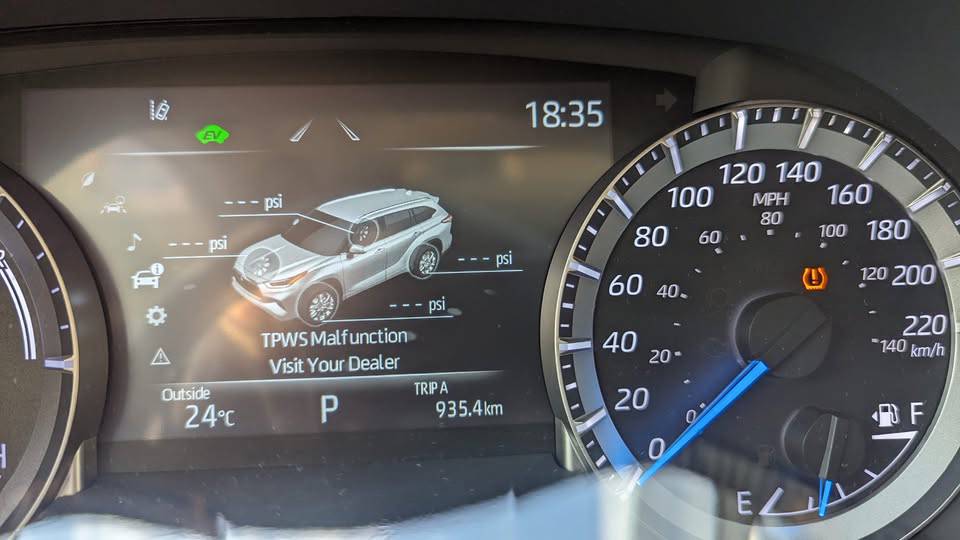
What Does Toyota TPWS Malfunction Mean?
The Toyota Tire Pressure Warning System (TPWS) is an electronic safety feature designed to monitor the air pressure inside your vehicle’s tires. Using pressure sensors installed inside each wheel, the system continuously communicates tire pressure data to the vehicle’s computer. When tire pressure falls below the recommended level, the system alerts the driver through a warning light or dashboard message.
A TPWS Malfunction warning differs from a standard low tire pressure alert. Instead of indicating that one or more tires need air, the message suggests that the monitoring system itself is experiencing a problem. In other words, the vehicle can no longer accurately monitor tire pressure because one or more components of the system have failed or lost communication.
Several conditions can trigger this warning. A sensor battery may have reached the end of its lifespan, a tire pressure sensor may have been damaged during tire service, or the vehicle may be unable to communicate with one or more sensors. In some cases, software glitches or electronic control unit issues can also cause the malfunction message to appear.
Understanding this distinction is important because many drivers waste time repeatedly inflating tires when the actual issue lies within the TPWS system. Identifying the root cause early can save money, reduce frustration, and help maintain safe driving conditions.
Common Causes of Toyota TPWS Malfunction
One of the most common causes of a Toyota TPWS Malfunction is a weak or dead sensor battery. Most tire pressure sensors contain sealed batteries that typically last between five and ten years. Once the battery is depleted, the sensor can no longer transmit pressure information to the vehicle.
Damaged tire pressure sensors are another frequent culprit. Sensors can become damaged due to road debris, corrosion, pothole impacts, or improper handling during tire installation and replacement. Even minor damage can interrupt communication between the sensor and the vehicle’s monitoring system.
Recent tire service can also trigger TPWS problems. If tires have been rotated, replaced, or mounted on new wheels, the sensors may require relearning or reprogramming. Failure to properly register the sensors with the vehicle can result in a TPWS Malfunction warning.
Low tire pressure may occasionally contribute to system warnings, particularly during sudden temperature changes. Cold weather causes tire pressure to drop naturally, which can sometimes trigger warning messages that resemble system faults.
More advanced causes include a faulty TPWS receiver module, damaged wiring, or software issues within the vehicle’s electronic control unit. Although less common, these problems often require professional diagnostic equipment to identify and repair accurately.
Signs and Symptoms of a Toyota TPWS Malfunction
The most obvious sign of a TPWS problem is the appearance of a TPWS Malfunction message on the dashboard. Depending on the Toyota model, drivers may also notice a flashing tire pressure warning light that later remains illuminated continuously.
In some vehicles, individual tire pressure readings may disappear from the information display. The system may show dashes instead of pressure values or fail to display information for one or more tires. This often indicates that the vehicle has lost communication with a sensor.
Another common symptom is a warning light that repeatedly returns after being reset. Many drivers assume the problem has been fixed after clearing the alert, only to see it reappear after a short drive. This usually indicates an unresolved sensor or communication issue.
Drivers may also experience inconsistent tire pressure readings. A sensor nearing battery failure may intermittently transmit data, causing pressure values to fluctuate or disappear unexpectedly.
While the vehicle may continue to drive normally, the loss of tire pressure monitoring creates a safety concern. Without accurate pressure information, drivers may be unaware of underinflated tires, increasing the risk of uneven tire wear, poor fuel economy, reduced handling performance, and potential tire failure during operation.
How to Diagnose a Toyota TPWS Malfunction
Diagnosing a Toyota TPWS Malfunction begins with the simplest step: checking the tire pressure in all four tires. Use a reliable tire pressure gauge and compare the readings with the manufacturer’s recommended PSI, which can typically be found on the driver’s side door jamb. Do not forget to inspect the spare tire if your Toyota model includes a pressure monitoring sensor in the spare wheel.
Next, consider any recent tire or wheel service. Many TPWS issues occur shortly after tire replacement, wheel swaps, tire rotations, or sensor replacement. If the warning appeared soon after maintenance, there is a strong possibility that a sensor was damaged, incorrectly installed, or not properly registered with the vehicle.
A visual inspection of the tires and valve stems can also reveal potential problems. Damaged valve stems, corrosion around the sensor area, or signs of impact damage may indicate a faulty tire pressure sensor. Although not every issue is visible from the outside, a quick inspection can help identify obvious defects.
For a more accurate diagnosis, an OBD-II scanner or TPMS diagnostic tool can be used to retrieve fault codes from the system. These codes often identify which sensor is malfunctioning or whether the issue is related to communication, battery failure, or the control module. Professional repair shops and Toyota dealerships typically use advanced diagnostic equipment that can read individual sensor data and verify signal strength.
By following these diagnostic steps, drivers can narrow down the cause of the warning and avoid replacing unnecessary parts.
How to Fix Toyota TPWS Malfunction
The appropriate repair depends on the underlying cause of the malfunction. In some cases, the solution is straightforward and can be completed within minutes. In other situations, specialized equipment or professional assistance may be required.
Start by ensuring that all tires are inflated to the recommended pressure. After correcting the pressure, drive the vehicle for several miles to allow the system to update its readings. Some Toyota models automatically clear temporary warnings once the correct pressure is detected.
If the warning remains, try performing a TPWS reset. Depending on the model year and vehicle type, the reset procedure may involve pressing and holding the TPWS reset button, accessing the vehicle settings menu, or using a diagnostic tool. After the reset, the system may require a short drive cycle before recalibration is completed.
Faulty sensors are among the most common causes of TPWS Malfunction warnings. If a sensor battery has failed or the sensor has been physically damaged, replacement is usually necessary. Modern sensors are sealed units, meaning the battery cannot be replaced separately. Once installed, the new sensor must often be programmed and registered with the vehicle.
Vehicles that have recently received new tires or wheels may require a sensor relearn procedure. This process allows the vehicle to recognize each sensor’s identification code and restore proper communication. Many repair shops can complete this service quickly using TPMS programming tools.
If the issue involves the receiver module, wiring, or electronic control unit, professional diagnosis is recommended. These components are more complex and often require manufacturer-specific equipment for testing and repair.
Toyota TPWS Malfunction Repair Cost
Repair costs for a Toyota TPWS Malfunction can vary significantly depending on the cause of the problem and the model of vehicle involved. Fortunately, many issues can be resolved without expensive repairs.
If the warning is caused by incorrect tire pressure, the fix may cost nothing more than a few minutes of your time. A simple tire inflation adjustment is often enough to restore normal operation when low pressure is the only issue.
A TPWS reset service is generally inexpensive. Many tire shops perform this procedure for a small fee, while some dealerships include it as part of routine maintenance or tire service.
Sensor replacement is one of the most common repair expenses. Depending on the vehicle model and sensor type, replacement costs typically include both the sensor itself and labor charges for installation. If multiple sensors fail at the same time due to age, overall repair costs can increase substantially.
Programming and relearning services may add additional charges, particularly if specialized equipment is required. While these procedures are generally less expensive than replacing components, they are often necessary after sensor installation.
More serious problems involving the TPWS receiver module, damaged wiring, or electronic control unit can result in higher repair bills. These issues typically require advanced diagnostics and may involve multiple hours of labor.
For most Toyota owners, the total repair cost falls somewhere between a simple reset and a single sensor replacement. Early diagnosis can help prevent unnecessary expenses and ensure the system continues to provide accurate tire pressure monitoring.
Can You Drive with a Toyota TPWS Malfunction?
In many cases, you can continue driving when a Toyota TPWS Malfunction warning appears, but doing so should only be considered a temporary solution. The warning does not always indicate an immediate mechanical failure or unsafe driving condition. Instead, it often means the tire pressure monitoring system is unable to provide accurate information about one or more tires.
Before continuing your journey, manually check the air pressure in all tires using a reliable tire pressure gauge. If all tires are properly inflated and show no signs of damage, it is generally safe to drive for a short period while arranging for diagnosis and repair.
However, the situation becomes more serious if the warning appears alongside visibly underinflated tires, unusual vehicle handling, vibration, or additional dashboard warning lights. In these cases, the problem may extend beyond the TPWS itself and should be addressed immediately.
Driving without a functioning tire pressure monitoring system increases the risk of overlooking slow leaks, pressure loss, or uneven tire wear. Over time, improperly inflated tires can reduce fuel efficiency, compromise braking performance, and increase the likelihood of tire failure. For this reason, Toyota owners should not ignore the warning for extended periods.
Although the vehicle may remain operational, restoring the TPWS to proper working condition should be a priority to maintain safety and ensure accurate tire pressure monitoring.
How to Prevent Future Toyota TPWS Malfunctions
Preventive maintenance is one of the most effective ways to avoid TPWS-related issues. Regular tire inspections and pressure checks can help identify potential problems before they trigger warning messages or lead to costly repairs.
Checking tire pressure at least once a month is a simple habit that can significantly improve tire performance and longevity. Seasonal temperature changes can affect tire pressure, making routine inspections especially important during winter and summer months.
When having tires replaced or serviced, inform the technician that the vehicle is equipped with tire pressure sensors. TPWS sensors are delicate electronic components that can be damaged if proper installation procedures are not followed. Choosing an experienced tire service provider can reduce the risk of accidental sensor damage.
Sensor batteries naturally deteriorate over time. If your Toyota is more than five years old and still uses its original sensors, consider having them inspected during routine maintenance. Replacing aging sensors before they fail completely can help prevent unexpected dashboard warnings.
After installing new tires or wheels, verify that all sensors have been properly registered and relearned by the vehicle. This step is often overlooked and is a common cause of TPWS Malfunction warnings shortly after tire service.
Maintaining clean wheels, protecting valve stems from corrosion, and addressing tire-related issues promptly can also contribute to long-term TPWS reliability.
Frequently Asked Questions
Why does my Toyota say TPWS Malfunction but my tires are properly inflated?
A TPWS Malfunction warning usually indicates a problem within the monitoring system itself rather than low tire pressure. Common causes include sensor battery failure, damaged sensors, communication issues, or software-related faults.
How do I reset a Toyota TPWS system?
The reset procedure varies by model and year. Some vehicles have a dedicated TPWS reset button, while others require using the vehicle’s infotainment settings menu. After resetting, the vehicle may need to be driven for several minutes to complete recalibration.
How long do Toyota TPWS sensors last?
Most Toyota TPWS sensors last between five and ten years. Their lifespan depends largely on battery life, driving conditions, and environmental factors.
What happens if I ignore a TPWS Malfunction warning?
Ignoring the warning means the system may no longer alert you to dangerous tire pressure conditions. This can increase the risk of tire wear, reduced fuel efficiency, poor handling, and potential tire failure.
Can cold weather cause a TPWS warning?
Yes. Tire pressure naturally decreases as temperatures drop. In some cases, cold weather can trigger low-pressure alerts or expose weaknesses in aging sensors.
Can I replace a TPWS sensor myself?
Technically, yes. However, most replacement sensors require programming and registration with the vehicle. Without the proper tools, the system may continue displaying warning messages even after installation.
Conclusion
A Toyota TPWS Malfunction warning can be frustrating, especially when your tires appear to be in good condition. However, understanding what the warning actually means is the first step toward resolving the issue quickly and effectively.
In most cases, the problem originates from a failed sensor battery, damaged tire pressure sensor, recent tire service, or communication error within the monitoring system. Fortunately, many TPWS issues can be diagnosed through basic inspections, tire pressure checks, and diagnostic scans. Simple solutions such as correcting tire pressure, resetting the system, or replacing a faulty sensor often restore normal operation.
While it may be possible to continue driving temporarily, ignoring the warning for an extended period is not recommended. A functioning tire pressure monitoring system plays an important role in vehicle safety, fuel efficiency, tire longevity, and overall driving performance.
By performing regular tire maintenance, protecting TPWS components during tire service, and addressing warning messages promptly, Toyota owners can minimize the risk of future system failures and enjoy greater peace of mind on the road.
Have you experienced a Toyota TPWS Malfunction warning on your Corolla, Camry, RAV4, Highlander, Tacoma, or another Toyota model? Share your experience and the solution that worked for you. Your insights may help other drivers facing the same issue.