Does your Toyota Tacoma still feel as solid and stable as it used to? If you have recently noticed the rear end sitting lower than normal, strange squeaking sounds coming from the back, or increased bouncing while carrying cargo, these may not be normal signs of aging. Many Tacoma owners assume suspension changes happen naturally over time, but in reality, your truck often gives warning signals long before a major failure occurs.
Leaf springs play a critical role in the Toyota Tacoma rear suspension system. They support vehicle weight, absorb road impacts, and help maintain stability whether you are driving on highways, hauling heavy loads, towing trailers, or exploring off road terrain. For owners who regularly use their Tacoma for work or adventure, the suspension system experiences significant stress every day.
The challenge is that leaf springs rarely fail overnight. Instead, they gradually weaken over time. Small symptoms can appear months before a complete failure happens. Ignoring these early warning signs can lead to uneven tire wear, reduced handling performance, poor ride quality, and expensive repair bills later.
In this guide, we will explore the most common signs that your Toyota Tacoma may need a leaf spring replacement, helping you identify problems early before a minor issue becomes a costly suspension repair.
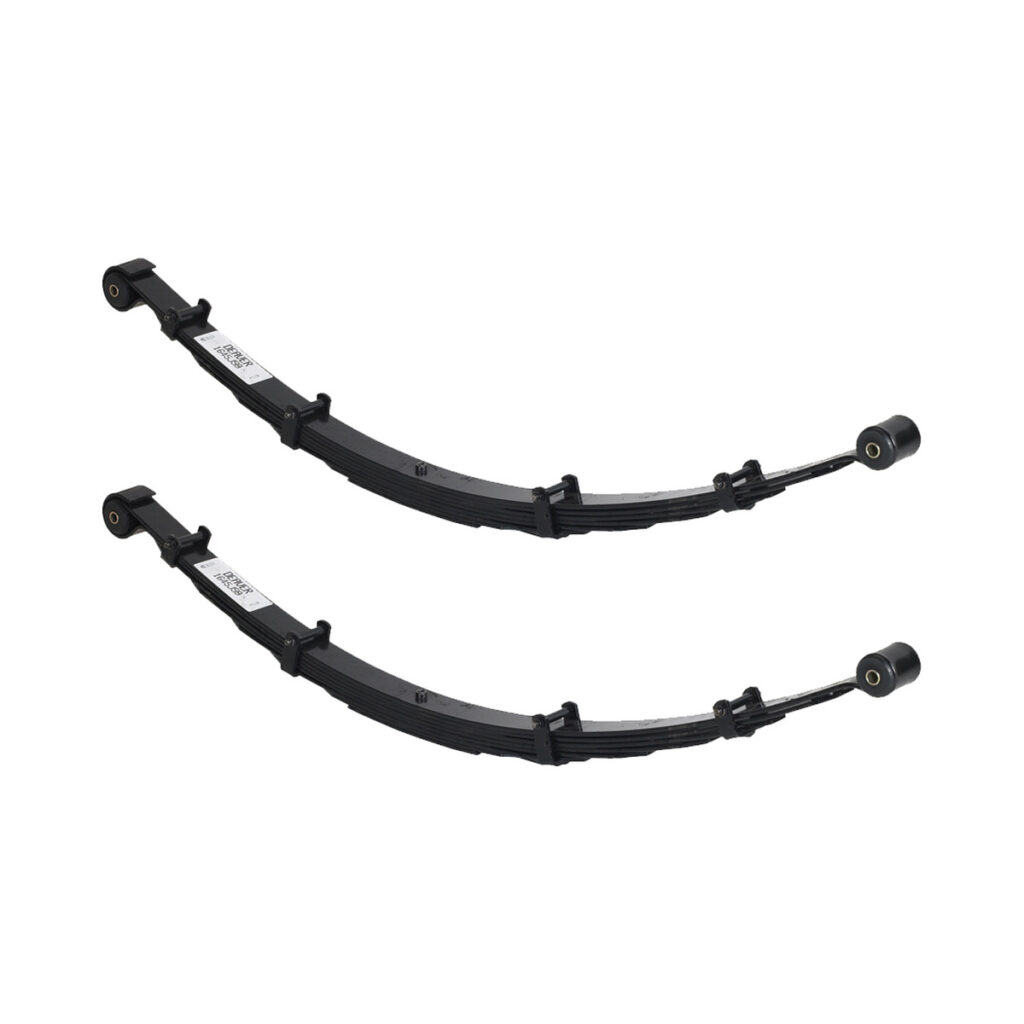
The Rear of Your Tacoma Sits Lower Than Normal
One of the earliest and easiest signs to notice is rear suspension sagging. If the back of your Toyota Tacoma appears lower than it used to, your leaf springs may be losing their strength and ability to support the vehicle properly.
Many owners first notice this when parking on a level surface. The truck may appear unbalanced, with the rear sitting noticeably lower than the front. In some cases, the difference becomes even more obvious after adding a moderate load in the truck bed.
As leaf springs age, the steel gradually loses elasticity from years of carrying weight and absorbing road impacts. Eventually, they can no longer maintain the factory ride height.
Common symptoms that often appear alongside rear sagging include:
• Reduced distance between tire and wheel arch
• Rear end dropping significantly under light cargo loads
• Increased bottoming out over bumps
• Poorer ride comfort during daily driving
Many Tacoma owners dismiss this symptom as simple wear and tear. Unfortunately, delaying inspection can put additional stress on shocks, tires, and other suspension components.
Your Truck Leans to One Side
Does your Tacoma appear tilted when parked? If one side of the vehicle sits lower than the other, a damaged or weakened leaf spring could be responsible.
Leaf springs are designed to distribute weight evenly across the suspension system. If one spring weakens, cracks, or loses structural integrity, the truck can begin leaning noticeably.
This issue creates more than a cosmetic problem. A leaning vehicle may affect:
• Overall handling balance
• Steering response
• Tire wear patterns
• Driver confidence at highway speeds
Some owners mistakenly blame uneven tire pressure or worn shocks. While those can contribute to similar symptoms, a failing leaf spring is often overlooked.
A useful way to check is by parking on a flat surface and measuring ride height on both rear sides. Even a small difference may indicate suspension imbalance.
Fun fact: Many suspension technicians report that uneven vehicle lean is one of the most commonly misdiagnosed Tacoma suspension problems.
Squeaking, Creaking, or Clunking Noises from the Rear
Your Tacoma should not sound like an old wagon every time it hits a bump. Unusual sounds from the rear suspension often provide one of the clearest warning signs that something is wrong.
Drivers commonly describe noises such as:
• Squeaking while driving over speed bumps
• Metallic clicking sounds when accelerating or braking
• Clunking noises during turns
• Rear suspension noises under heavy loads
These sounds can develop for several reasons:
• Cracked leaf spring leaves
• Excessive rust buildup
• Worn bushings
• Loose U bolts
• Metal components rubbing together
At first, the noises may be subtle and easy to ignore. Over time they often become louder and more frequent.
One major frustration for Tacoma owners is that suspension noises rarely disappear on their own. In fact, they usually signal progressive wear that becomes more expensive if ignored.
Many drivers only seek repairs after the sounds become severe enough to affect everyday driving comfort.
Your Tacoma Feels Bouncier on Rough Roads
A properly functioning leaf spring system helps absorb road impacts and keeps your Toyota Tacoma stable across different driving conditions. If your truck suddenly feels rougher, bouncier, or less controlled over uneven surfaces, weakening leaf springs could be the cause.
You may begin noticing that bumps feel harsher than before. Roads you once drove comfortably now create excessive movement inside the cabin. Instead of absorbing impacts smoothly, the rear suspension may continue bouncing after hitting potholes or rough terrain.
Common driving symptoms include:
• Excessive bouncing after bumps
• Reduced ride comfort on uneven roads
• Increased body movement at higher speeds
• Less control during turns or lane changes
• Stronger vibrations inside the cabin
This symptom can become especially noticeable for drivers who frequently travel on construction roads, gravel paths, or off road trails. Suspension fatigue develops gradually, so many owners adapt to the worsening ride quality without realizing how much performance has been lost.
Over time, excessive bouncing can also place additional stress on shocks, mounting hardware, and surrounding suspension components.
Uneven Rear Tire Wear
Tires can reveal suspension problems long before a major mechanical failure occurs. If your rear tires are wearing unevenly, damaged leaf springs could be changing how your Tacoma distributes weight and maintains alignment.
When leaf springs weaken or become distorted, they can affect rear suspension geometry. Even small changes in ride height may alter how tires contact the road surface.
Look for signs such as:
• One rear tire wearing faster than the other
• Excessive wear on tire edges
• Irregular tread patterns
• Feathering or patchy wear spots
Many drivers immediately assume poor wheel alignment caused the issue. While alignment problems certainly create uneven wear, suspension components often play a hidden role.
Ignoring this warning sign creates two expensive problems at the same time. Tire replacement costs increase while suspension damage continues getting worse beneath the vehicle.
Regular tire inspections may help identify a failing leaf spring before larger repairs become necessary.
Your Tacoma Feels Unstable When Hauling or Towing
Toyota Tacoma owners often rely on their trucks for towing trailers, hauling tools, carrying equipment, or transporting heavy cargo. A healthy leaf spring system should keep the vehicle balanced under load.
When leaf springs begin failing, that stability can disappear quickly.
You may notice:
• Excessive rear sag while carrying cargo
• Increased swaying while towing
• Rear end bouncing over road imperfections
• Reduced steering confidence
• Greater body movement at highway speeds
Drivers frequently describe the feeling as if the truck suddenly became softer or less predictable. Heavy loads that previously felt manageable may now create noticeable instability.
This symptom becomes particularly important for work trucks and off road enthusiasts. Reduced stability not only impacts comfort but can also affect safety during emergency maneuvers or high speed driving.
If your Tacoma struggles with loads it handled easily in the past, your leaf springs may no longer be providing proper support.
Visible Cracks or Broken Leaf Springs
This is the most serious and obvious warning sign that your Toyota Tacoma needs immediate attention. If you can physically see damage on the leaf spring assembly, replacement should no longer be delayed.
Unlike subtle symptoms such as noise or ride quality changes, visible damage usually means the component has already reached a critical stage of wear.
A quick visual inspection underneath the rear of your Tacoma may reveal:
• Cracks along individual leaf sections
• Broken spring leaves
• Heavy rust and corrosion buildup
• Bent or shifted leaf spring packs
• Damaged mounting brackets
• Broken retaining clips or hardware
Even a small crack can quickly become a larger structural failure under stress. Every bump, heavy load, and off road impact places additional pressure on the weakened component.
Some Tacoma owners continue driving after discovering minor damage because the truck still feels functional. This can become a costly mistake. A completely failed leaf spring may affect vehicle control, damage nearby suspension parts, and create dangerous handling issues.
For trucks frequently used for towing, carrying cargo, or driving rough terrain, immediate inspection is especially important.
Conclusion
Leaf springs on a Toyota Tacoma rarely fail without warning. In most cases, the truck gradually develops symptoms that become more noticeable over time. Rear suspension sagging, vehicle lean, strange noises, excessive bouncing, uneven tire wear, and poor stability under load all serve as early indicators that something may be wrong.
The problem is that many drivers ignore these small changes because they happen slowly. What starts as a minor annoyance can eventually turn into a more expensive suspension repair and a significant safety concern.
Early diagnosis can save both time and money. Replacing worn leaf springs before complete failure may prevent damage to tires, shocks, bushings, and other suspension components.
If your Tacoma is showing one or more of these warning signs, now may be the right time for a suspension inspection. Catching the problem early could restore ride comfort, improve handling, and keep your truck performing the way it was designed to.
Have you experienced any of these symptoms on your Toyota Tacoma? Share your experience and let others know what signs appeared first on your truck.