Shopping for a used Toyota RAV4 may seem like a safe decision at first glance. After all, Toyota has built a reputation for producing vehicles that routinely last well beyond 200,000 miles. However, many buyers discover an important reality too late: not every Toyota RAV4 model year delivers the same level of reliability.
That difference matters more than most people expect. Buying the wrong model year can lead to frustrating problems such as excessive oil consumption, transmission hesitation, unexpected recalls, or expensive repairs that quickly erase the savings of purchasing a used SUV. Many shoppers focus only on mileage and price, while overlooking one factor that often matters even more: the specific model year.
The good news is that some RAV4 years have earned an outstanding reputation for long term durability, low ownership costs, and high owner satisfaction. Others developed recurring issues that continue to concern used vehicle buyers today. Understanding those differences can save thousands of dollars and prevent years of ownership headaches.
In this Toyota RAV4 reliability by model year guide, we will analyze reliability trends across generations, identify the best years to buy, highlight years to avoid, and help you determine which RAV4 delivers the best balance of value and dependability.
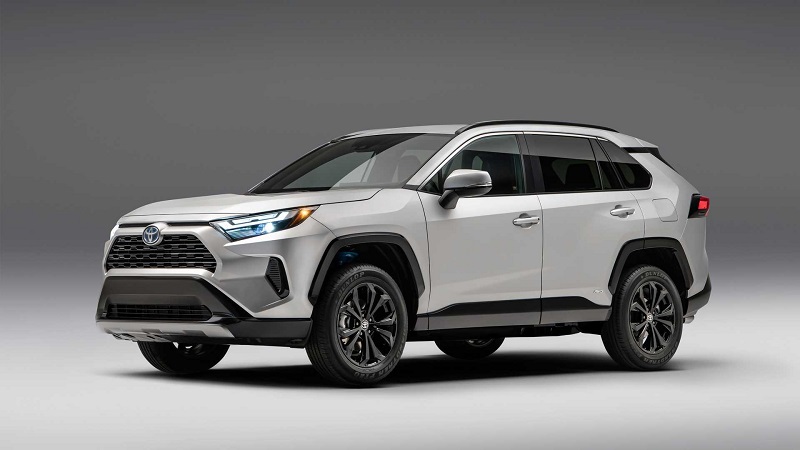
Quick Toyota RAV4 Reliability Ranking by Model Year
Before diving into each generation, here is a quick overview of Toyota RAV4 reliability by model year. This ranking considers owner complaints, long term durability, recall history, maintenance costs, and overall satisfaction from used vehicle owners.
Excellent Reliability
2009
2013
2016
2018
2020
2022
These years consistently earned praise for durability and fewer reported mechanical problems. They are often recommended for buyers seeking dependable used SUVs with lower ownership risk.
Average Reliability
2010
2014
2019
2021
These models are still solid choices, but they may have minor concerns or early generation issues worth investigating before purchase.
Years Buyers Often Research Carefully
2006
2007
2008
2019 early production models
This does not automatically mean these vehicles are bad purchases. However, they generated higher complaint volumes or introduced design changes that experienced more early issues.
One of the biggest mistakes buyers make is assuming all Toyota vehicles offer identical reliability. Even within the same generation, one model year can perform dramatically better than another. A vehicle with slightly higher mileage but from a stronger model year may actually become the smarter long term investment.
First Generation Toyota RAV4 Reliability (1996 to 2000)
The first generation Toyota RAV4 helped define the compact crossover SUV category. During the late 1990s, buyers wanted something more practical than a sedan but easier to drive than a truck based SUV. Toyota responded with a vehicle that offered car like handling and everyday versatility.
From a reliability perspective, these early models established the reputation that still follows the RAV4 today. Their simpler engineering and limited electronics often worked in their favor. Fewer electronic components meant fewer expensive failures compared with modern vehicles.
Strengths of first generation models include:
• Durable engine design
• Simple mechanical systems
• Low repair complexity
• Strong longevity potential
Common concerns include:
• Rust issues due to age
• Suspension wear
• Aging rubber components
• Limited safety technology
The biggest challenge with first generation RAV4 models today is not reliability itself. The issue is age. Even a well maintained vehicle approaching three decades old can develop problems simply because components naturally wear out over time.
For enthusiasts seeking a budget friendly and simple SUV, these models can still be surprisingly dependable if maintenance records are available.
Second Generation Toyota RAV4 Reliability (2001 to 2005)
Toyota refined nearly every aspect of the RAV4 during the second generation. Interior quality improved, comfort increased, and overall driving dynamics became more polished. Reliability remained strong, helping expand the RAV4’s popularity among families and commuters.
Many buyers searching Toyota RAV4 reliability by model year still view this generation as one of the safer used vehicle choices.
Strengths include:
• Improved build quality
• Better ride comfort
• Durable powertrain options
• Lower average maintenance costs
However, age related problems become increasingly common today. Potential buyers should inspect:
• Transmission condition
• Suspension components
• Fluid leak history
• Engine maintenance records
One hidden pain point for used SUV buyers is assuming Toyota reliability means maintenance can be ignored. Even highly reliable vehicles suffer when previous owners skip oil changes or delay repairs.
A properly maintained second generation RAV4 can still deliver excellent value. Some owners report driving well beyond 250,000 miles with relatively few major repairs.
Third Generation Toyota RAV4 Reliability (2006 to 2012)
The third generation represented one of the biggest transformations in RAV4 history. Toyota introduced a larger body, more cabin space, stronger engine options, and for the first time, a V6 engine that delivered surprisingly quick performance for a compact SUV. Buyers appreciated the added practicality, especially families needing more cargo space and passenger comfort.
Despite major improvements, this generation also introduced some of the most discussed reliability concerns in Toyota RAV4 history. This is why model year research becomes critical.
Several early years, particularly 2006 through 2008, received a higher number of owner complaints compared with later versions. Common concerns included:
• Excessive oil consumption in certain four cylinder engines
• Steering related issues
• Water pump failures
• Suspension wear
• Higher complaint volume than previous generations
Oil consumption became one of the largest frustrations for owners. Some drivers reported needing frequent oil top offs between service intervals. For used buyers, this creates a major concern because engine repair costs can quickly become expensive.
However, not every year within this generation should be treated equally. The 2009 model is often viewed as one of the strongest years. Toyota addressed several earlier concerns and delivered improved long term ownership satisfaction.
For buyers with limited budgets, a well maintained 2009 through 2012 RAV4 can still represent excellent value. The key is verifying maintenance history and checking whether previous repairs addressed common issues.
Fourth Generation Toyota RAV4 Reliability (2013 to 2018)
Many automotive experts consider the fourth generation one of the best balanced periods in Toyota RAV4 history. Toyota redesigned the SUV with improved fuel economy, a more modern interior, and enhanced safety features while maintaining the reliability reputation buyers expected.
This generation eliminated the V6 option and focused on efficiency and practicality. While some performance enthusiasts missed the stronger engine, everyday drivers appreciated lower operating costs and simpler ownership.
Several model years from this generation consistently appear on lists of recommended used RAV4 purchases.
Notable strengths include:
• Strong reliability scores
• Lower complaint frequency
• Improved fuel efficiency
• Comfortable daily driving experience
• Better safety technology
The 2013 model year stands out as an especially strong performer. Later years such as 2016 and 2018 also developed excellent reputations among owners.
Like any vehicle, minor issues still appeared. Some owners reported occasional infotainment glitches and isolated electrical concerns. Fortunately, these issues were generally less severe compared with major powertrain failures.
For shoppers worried about repair costs, this generation often delivers one of the safest combinations of affordability, modern features, and long term durability.
Fifth Generation Toyota RAV4 Reliability (2019 to Present)
The current generation introduced a bold redesign and substantial technology upgrades. Toyota adopted a more rugged appearance, new safety systems, updated infotainment features, and expanded hybrid options.
Major redesigns often create mixed reliability results during the first production year. The 2019 RAV4 illustrates this pattern clearly.
Some early owners reported:
• Transmission hesitation concerns
• Fuel system complaints
• Electrical software issues
• Minor drivability concerns
These issues do not necessarily make the 2019 model a poor purchase. However, early production years often experience unexpected problems that later updates resolve.
As Toyota refined the platform, later models improved significantly. The 2020 and 2022 model years developed stronger reliability reputations and gained attention for balancing efficiency, safety, and ownership satisfaction.
Hybrid versions deserve special recognition. Many buyers initially worry about battery longevity and future repair costs. However, Toyota hybrid systems have consistently demonstrated strong durability records. For drivers seeking excellent fuel economy without sacrificing dependability, recent RAV4 Hybrid models have become increasingly attractive.
Today, the latest generation continues to rank among the strongest compact SUV choices available, particularly for buyers seeking modern technology combined with Toyota’s long standing reputation for longevity.
Common Toyota RAV4 Problems by Model Year
Even one of the most dependable SUVs on the market is not completely free from issues. Understanding recurring concerns can help buyers avoid expensive surprises and make smarter purchasing decisions. When researching Toyota RAV4 reliability by model year, paying attention to common problems is just as important as reviewing reliability rankings.
Some frequently reported issues include:
Excessive Oil Consumption
Certain RAV4 models, especially some vehicles from the late 2000s, received complaints about consuming oil faster than expected. Buyers who overlook this issue may eventually face higher maintenance expenses or long term engine concerns.
Transmission Hesitation
A number of owners reported delayed acceleration or inconsistent transmission response. While not every vehicle experienced severe symptoms, hesitation issues can create frustrating daily driving experiences.
Electrical and Infotainment Glitches
As Toyota introduced more technology and driver assistance systems, occasional software related complaints appeared. Navigation issues, display malfunctions, and sensor inconsistencies became more noticeable in newer generations.
Water Pump and Suspension Wear
Older RAV4 models can develop wear related repairs that become increasingly common with age. Suspension components, water pumps, and rubber seals naturally deteriorate over time.
One major mistake buyers make is focusing entirely on a vehicle’s reputation while ignoring inspection results. Even the most reliable Toyota RAV4 can become problematic if previous owners neglected maintenance.
A pre purchase inspection remains one of the smartest investments for any used SUV purchase.
Best Used Toyota RAV4 Options for Different Buyers
Not every buyer has the same priorities. Some focus on affordability while others care more about technology, fuel economy, or long term reliability.
For budget focused buyers:
2009 Toyota RAV4
This model often stands out because it corrected many earlier concerns while remaining relatively affordable in the used market.
For buyers seeking balance between modern features and proven reliability:
2016 Toyota RAV4
Many shoppers consider this one of the strongest all around choices thanks to its reliability reputation, comfortable interior, and lower ownership risk.
For hybrid shoppers:
2020 Toyota RAV4 Hybrid
This model combines excellent fuel efficiency with stronger reliability performance than some earlier redesign years.
For long term ownership:
2022 Toyota RAV4
Later production improvements and modern safety technology make it a compelling choice for drivers planning to keep their SUV for many years.
The best model year ultimately depends on budget, mileage, maintenance history, and individual priorities. A carefully maintained RAV4 with higher mileage may easily outperform a neglected vehicle with fewer miles.
Conclusion
Toyota has earned its reputation as one of the most dependable automotive brands in the world, but researching Toyota RAV4 reliability by model year reveals an important truth. Reliability can vary significantly between generations and individual model years.
Some years such as 2009, 2016, 2020, and 2022 built strong reputations through lower complaint rates and better long term ownership experiences. Other years generated more owner concerns and require additional research before purchase.
For used SUV buyers, one of the biggest challenges is avoiding unexpected repair costs while finding a vehicle that balances reliability, value, and everyday practicality. Looking beyond price and mileage can make a major difference. Understanding model year trends often becomes the key to making a confident purchase decision.
A Toyota RAV4 that receives proper maintenance can easily remain on the road for hundreds of thousands of miles. Choosing the right model year simply increases the chances of enjoying that experience with fewer headaches along the way.