Few automotive recalls in history created as much panic and media attention as the Toyota Stuck Gas Pedal Recall. At the height of the crisis, millions of drivers around the world questioned the safety of vehicles produced by one of the most trusted car manufacturers on the planet. Reports of unintended acceleration, sticking accelerator pedals, and vehicles continuing to speed forward even after drivers lifted their feet off the gas pedal quickly became a global safety concern.
For many Toyota owners, the fear was deeply personal. No driver wants to experience a vehicle suddenly accelerating while transporting family members, driving on crowded highways, or navigating dangerous traffic conditions. The recall not only damaged Toyota’s reputation but also changed how the automotive industry approaches vehicle safety and accelerator system design.
In this article, we will break down the Toyota models affected by the stuck gas pedal recall, explain what caused the problem, identify warning signs drivers should never ignore, and show how Toyota responded to one of the largest automotive recalls in history. If you own an older Toyota vehicle, this guide may help you determine whether your car was ever part of the recall and what steps you should take next.
What Was the Toyota Stuck Gas Pedal Recall?
The Toyota Stuck Gas Pedal Recall was one of the most significant automotive safety crises of the modern era. The issue gained worldwide attention between 2009 and 2010 after numerous reports claimed that certain Toyota vehicles could suddenly accelerate without warning. In some cases, drivers reported that the accelerator pedal became difficult to release or failed to return to its normal position after being pressed.
The problem became known as “unintended acceleration,” a dangerous situation where a vehicle continues to gain speed even when the driver attempts to slow down. Several high profile accidents linked to the issue triggered public fear and intense media coverage. Government agencies, including the National Highway Traffic Safety Administration (NHTSA), launched investigations into the safety of Toyota vehicles and pressured the company to take immediate action.
Toyota eventually recalled millions of vehicles globally to inspect and repair faulty accelerator systems. The company temporarily halted production and sales of several popular models while engineers worked to identify the root cause. For many loyal Toyota customers, the recall was shocking because the brand had long been associated with reliability, durability, and safety.
The crisis also forced the entire automotive industry to rethink electronic throttle systems, pedal design, and emergency safety protocols. Even today, the Toyota accelerator recall remains one of the most discussed automotive safety events in history.
Why Did Toyota Vehicles Experience Stuck Gas Pedal Problems?
Several factors contributed to the Toyota stuck gas pedal problem, and investigators discovered that the issue was more complex than many drivers initially believed. One major cause involved the accelerator pedal mechanism itself. Certain pedal assemblies supplied for Toyota vehicles could experience increased friction over time, especially in humid conditions or after prolonged wear. This friction could cause the pedal to become slow to return or, in rare situations, remain partially depressed.
Another contributing factor involved improperly secured floor mats. In some recalled vehicles, loose or incompatible floor mats could slide forward and trap the accelerator pedal. Drivers who attempted to brake often found their vehicles continuing to accelerate because the pedal remained physically pressed down. This became one of the most widely publicized aspects of the recall.
Some experts also raised concerns about electronic throttle control systems, although investigations produced mixed conclusions regarding software related causes. Regardless of the exact technical source, the fear among drivers was very real. Losing control of acceleration at highway speeds creates an extremely dangerous situation that can lead to panic, collisions, and severe injuries.
Toyota owners began reporting warning signs such as sticky pedal movement, delayed pedal response, unusual engine revving, and vehicles accelerating more aggressively than expected. For drivers commuting daily or transporting family members, even a small delay in throttle response created anxiety and distrust.
The recall highlighted how a relatively small mechanical issue could quickly evolve into a global safety crisis when millions of vehicles are involved.
Toyota Models Affected by the Stuck Gas Pedal Recall
Toyota’s recall affected a wide range of popular vehicles across multiple categories, including sedans, SUVs, hybrids, and luxury Lexus models. Many of these vehicles were among Toyota’s best selling models, which dramatically increased the scale of the crisis.
Toyota Camry
The Toyota Camry became one of the most recognized vehicles associated with the recall. Several model years were included due to potential accelerator pedal defects and floor mat interference risks. Because the Camry was one of the best selling sedans in America, millions of drivers became concerned about whether their vehicles were safe to operate.
Toyota Corolla
The Corolla, known globally for affordability and reliability, was also included in portions of the recall campaign. Owners reported concerns involving accelerator response and sticking pedal behavior. The widespread popularity of the Corolla amplified media attention surrounding the issue.
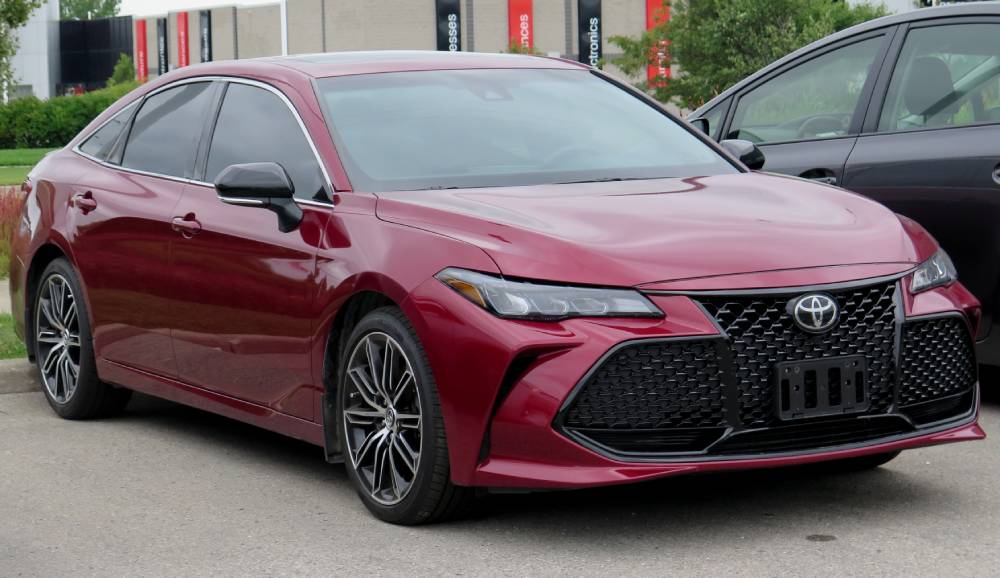
Toyota Avalon
Toyota Avalon models were included because of potential accelerator pedal and floor mat related safety risks. As a larger sedan frequently used for long distance travel, unintended acceleration concerns created serious anxiety among drivers and passengers.
Toyota Prius
The Prius faced additional scrutiny because it represented Toyota’s growing hybrid technology leadership. Reports involving braking feel and acceleration behavior caused some consumers to question whether advanced electronic systems were contributing to safety concerns.
Toyota RAV4
The RAV4, one of Toyota’s most popular SUVs, also appeared on recall lists connected to accelerator and floor mat issues. SUV owners worried about the dangers of sudden acceleration in larger vehicles with higher weight and momentum.
Toyota Matrix
Although less publicized, the Toyota Matrix was also affected by recall actions involving accelerator pedal concerns. Many owners were unaware their vehicles qualified for inspections or repairs until official recall notices were distributed.
Lexus Models Included in the Recall
Several Lexus vehicles were also included because Lexus shares engineering and components with Toyota. Models such as the Lexus ES350, IS250, and IS350 received recall attention due to potential accelerator sticking or floor mat interference risks.
Because recall lists varied depending on production dates and manufacturing locations, Toyota encouraged owners to check their Vehicle Identification Number (VIN) through official recall databases to confirm whether their specific vehicle was affected.
Warning Signs of a Sticking Gas Pedal
Recognizing the early warning signs of a sticking gas pedal can help drivers avoid potentially dangerous situations before they escalate into serious accidents. While not every unusual acceleration issue automatically indicates a recall related defect, certain symptoms should never be ignored.
One of the most common warning signs is an accelerator pedal that feels physically different during operation. Drivers may notice the pedal becoming harder to press, slower to return, or unusually stiff after acceleration. In some cases, the pedal may feel as though it is catching or sticking briefly before returning to its normal position.
Another serious symptom involves delayed throttle response. A vehicle may continue accelerating for a moment even after the driver removes pressure from the gas pedal. This sensation can feel extremely unsettling, especially during highway driving or stop and go traffic where quick speed adjustments are necessary for safety.
Drivers may also notice sudden increases in engine RPM without applying additional throttle input. The engine may sound louder than normal while the vehicle continues moving faster than expected. Some owners described situations where the car felt as though it was “pulling forward” despite attempts to slow down.
Floor mat interference can create additional warning signs. If the accelerator pedal becomes trapped beneath a loose floor mat, drivers may experience restricted pedal movement or difficulty fully releasing the accelerator. This issue can worsen during long drives or when using improperly sized aftermarket mats.
Ignoring these symptoms can increase the risk of losing control of the vehicle. Even minor pedal irregularities should be inspected immediately because accelerator related problems often worsen gradually over time.
What To Do If Your Toyota Gas Pedal Gets Stuck
Experiencing a stuck gas pedal while driving can be terrifying, but knowing how to respond calmly and quickly may prevent a serious accident. Safety experts emphasize that drivers should focus on maintaining control of the vehicle rather than panicking.
The first and most important step is to remain calm. Sudden panic often causes drivers to overreact or make dangerous steering movements. Keep both hands firmly on the steering wheel and focus on safely slowing the vehicle.
Drivers should apply the brakes firmly and continuously. Modern braking systems are typically strong enough to slow the vehicle even if the engine continues producing power. Pumping the brakes repeatedly may reduce braking effectiveness, so steady pressure is generally recommended.
If braking alone does not reduce speed effectively, the vehicle should be shifted into Neutral. Moving the transmission into Neutral disconnects engine power from the wheels and allows the vehicle to slow naturally. Although the engine may continue revving loudly, this step can dramatically reduce the danger of unintended acceleration.
Drivers should avoid turning the engine off immediately while the vehicle is moving at high speed because this may disable power steering or reduce braking assistance. However, once the vehicle begins slowing and can be safely controlled, shutting off the engine may become necessary.
Emergency flashers should be activated to warn surrounding traffic. Drivers should carefully guide the vehicle toward the side of the road or another safe location away from moving traffic.
Toyota and safety agencies also strongly advised owners to remove unsecured floor mats and ensure only properly fitted mats were installed inside affected vehicles.
How Toyota Fixed the Accelerator Pedal Problem
Following intense public scrutiny and government investigations, Toyota introduced several corrective measures to address the stuck gas pedal issue and restore consumer confidence. The company launched one of the largest automotive recall campaigns in history and committed significant resources toward redesigning affected systems.
One major solution involved modifying the accelerator pedal mechanism itself. Engineers redesigned components inside the pedal assembly to reduce friction and prevent sticking during operation. In recalled vehicles, dealerships installed reinforcement parts or replaced defective pedal systems entirely.
Toyota also addressed floor mat interference problems by reshaping accelerator pedals and improving floor mat retention systems. These modifications reduced the risk of mats sliding forward and trapping the accelerator pedal beneath them.
Another important safety improvement was the expansion of brake override technology. This system automatically reduces engine power when the brake pedal and accelerator pedal are pressed simultaneously. Even if the accelerator becomes stuck, brake override systems help drivers regain control by prioritizing braking input over throttle commands.
In addition to mechanical fixes, Toyota implemented stricter quality control procedures and expanded internal safety review processes. The company increased communication with regulators and improved recall response strategies to react more quickly to future safety concerns.
Although the recall severely damaged Toyota’s reputation in the short term, the company gradually rebuilt consumer trust through transparency, engineering improvements, and long term investments in vehicle safety technology.
Today, many automotive manufacturers use lessons learned from the Toyota accelerator recall to improve throttle system design, emergency safety protocols, and recall management procedures across the industry.
How to Check If Your Toyota Was Recalled
If you currently own an older Toyota vehicle, checking your recall status is one of the most important steps you can take to protect yourself and your passengers. Many drivers are unaware that their vehicle may still qualify for recall related repairs years after the original safety campaign was announced.
The easiest way to verify whether your Toyota was included in the stuck gas pedal recall is by checking the Vehicle Identification Number, commonly known as the VIN. This unique 17 character code can usually be found on the dashboard near the windshield, inside the driver side door frame, or on vehicle registration documents.
Toyota owners can enter their VIN through Toyota’s official recall lookup system or the National Highway Traffic Safety Administration database. These tools allow drivers to determine whether their specific vehicle still has open recall repairs that need to be completed. Even if a vehicle appears to drive normally, unresolved recalls should never be ignored because accelerator related problems may develop gradually over time.
Drivers can also contact local Toyota dealerships directly for assistance. Dealership service departments can quickly confirm recall eligibility, explain available repairs, and schedule inspections if necessary. In most cases, recall related repairs are completed at no cost to the vehicle owner.
It is especially important for buyers of used Toyota vehicles to perform a recall check before purchasing. Some older vehicles may have changed ownership multiple times, increasing the possibility that previous owners never completed the required repairs.
Taking a few minutes to verify recall status can potentially prevent dangerous driving situations and provide peace of mind for drivers and families alike.
Conclusion
The Toyota Stuck Gas Pedal Recall remains one of the most important automotive safety events in modern history. What began as scattered reports of unintended acceleration quickly evolved into a global crisis involving millions of vehicles, government investigations, and widespread consumer concern. Popular models such as the Toyota Camry, Corolla, Avalon, Prius, RAV4, and several Lexus vehicles were all impacted by recall campaigns connected to accelerator pedal defects and floor mat interference risks.
For many drivers, the recall created a lasting awareness of how critical vehicle safety systems truly are. Losing control of acceleration, especially at high speeds or in heavy traffic, is a frightening experience that can place drivers, passengers, and surrounding vehicles in immediate danger. Fortunately, Toyota responded with large scale repairs, redesigned accelerator systems, brake override technology, and stronger safety procedures aimed at preventing similar issues in the future.
If you currently own an older Toyota model, checking your VIN and recall history is still highly recommended. Even vehicles that appear to function normally may qualify for unresolved safety repairs. A simple recall inspection could help prevent serious accidents and ensure your vehicle remains safe for everyday driving.
Vehicle safety should never be ignored, especially when the well being of family members and passengers is involved. Staying informed about recalls and responding quickly to warning signs can make a critical difference on the road.