Your Toyota’s Check Engine light suddenly turns on, and after scanning the vehicle, you see Toyota P1135 Code appear on the screen. For many drivers, this instantly raises concerns. Is the engine in danger? Can you continue driving safely? Will this turn into an expensive repair bill?
The confusion becomes even worse because some repair shops immediately recommend replacing the sensor without fully diagnosing the issue. In many cases, vehicle owners end up spending hundreds of dollars only to discover the problem was actually caused by damaged wiring, a blown fuse, or a related circuit issue.
The Toyota P1135 Code is commonly associated with a malfunction involving the Air Fuel Ratio Sensor circuit, specifically Bank 1 Sensor 1. This sensor plays a critical role in helping your engine maintain the proper air and fuel mixture for optimal performance, fuel economy, and emissions control.
Ignoring this code may not stop your car immediately, but delaying repairs can gradually lead to poor fuel efficiency, rough engine performance, and potentially much more expensive issues down the road. The good news is that understanding the causes and symptoms early can help you avoid unnecessary repairs and make smarter diagnostic decisions.
In this guide, we will break down exactly what the Toyota P1135 Code means, what causes it, common warning signs to watch for, and the most effective ways to fix it.
What Does Toyota P1135 Code Mean?
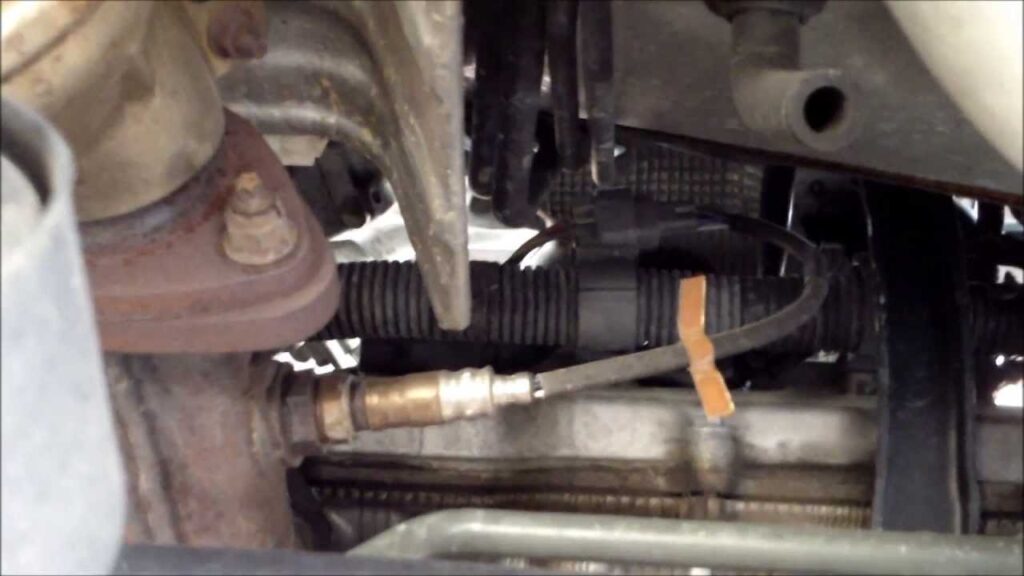
The Toyota P1135 Code indicates a problem with the Air Fuel Ratio Sensor Heater Circuit Malfunction for Bank 1 Sensor 1. This diagnostic trouble code is commonly found in various Toyota models, including the Camry, Corolla, Tacoma, Avalon, Highlander, and several Lexus vehicles that use similar engine systems.
To understand the code, it helps to break down the sensor location. “Bank 1” refers to the side of the engine containing cylinder number one. “Sensor 1” means the sensor located before the catalytic converter, positioned upstream in the exhaust system. This location allows the sensor to monitor exhaust gases immediately after combustion.
Many people confuse an Air Fuel Ratio Sensor with a standard oxygen sensor. Although they serve similar purposes, they operate differently. Traditional oxygen sensors mainly detect whether the engine is running rich or lean. Air Fuel Ratio Sensors are more precise and provide faster data to the engine control module.
Toyota uses this sensor to continuously calculate and adjust the air fuel mixture entering the engine. The engine computer relies on this information to maximize fuel efficiency, improve engine performance, and reduce harmful emissions.
The P1135 code specifically points to a problem in the sensor’s internal heater circuit. The heating element quickly brings the sensor to operating temperature after startup. Without proper heating, the sensor may send delayed or inaccurate readings.
An important detail many owners overlook is that the sensor itself is not always the problem. Wiring damage, electrical faults, or related components can trigger the same code.
What Causes Toyota P1135 Code?
Several issues can trigger the Toyota P1135 Code, and replacing the Air Fuel Ratio Sensor immediately without proper diagnosis can become an expensive mistake.
Faulty Air Fuel Ratio Sensor
The most common cause is a failed Air Fuel Ratio Sensor. Over time, constant exposure to extreme temperatures and exhaust contaminants causes the sensor to wear out. Internal components can deteriorate and eventually stop functioning properly.
A damaged sensor may send inaccurate readings or fail to heat up correctly, causing the engine computer to store the P1135 code.
Damaged Wiring or Connectors
Electrical wiring is another frequent cause. The sensor sits in a high heat environment under the vehicle where wires are constantly exposed to vibration, moisture, dirt, and road debris.
Wiring may become:
• melted from heat exposure
• cracked due to age
• corroded
• disconnected
• damaged by rodents
Many Toyota owners replace the sensor only to discover the replacement did not solve the issue because the actual problem was hidden inside the wiring harness.
Heater Circuit Failure
The Air Fuel Ratio Sensor contains an internal heating element designed to rapidly warm the sensor after startup. If the heater fails, the sensor cannot reach operating temperature quickly enough.
The engine computer monitors heater performance and can trigger P1135 if abnormalities are detected.
Blown Fuse
A damaged fuse can interrupt power delivery to the sensor heater circuit. Although less common, a simple fuse replacement can occasionally solve the problem.
ECU Related Problems
Engine Control Unit failures are rare but still possible. Software problems or internal ECU issues may interfere with sensor communication.
Because ECU replacement is expensive, technicians typically investigate all other possibilities first.
One of the biggest mistakes drivers make is assuming the code automatically means “replace sensor.” Accurate diagnosis can save hundreds of dollars.
Common Symptoms of Toyota P1135 Code
Symptoms can vary depending on vehicle model and severity of the issue. Interestingly, some Toyota vehicles show very few symptoms besides the illuminated warning light.
Check Engine Light
The first and most obvious symptom is an illuminated Check Engine light. In many cases, this may appear before noticeable performance issues develop.
Rough Idle
The engine may idle unevenly or feel rough while stopped. Drivers sometimes notice shaking or slight vibration at traffic lights.
Reduced Fuel Economy
Because the engine may struggle to maintain the correct fuel mixture, fuel consumption often increases.
Many owners first notice the issue after realizing they are filling up more frequently.
Engine Hesitation During Acceleration
Acceleration may feel sluggish or inconsistent. Some drivers report delayed throttle response or hesitation when pressing the gas pedal.
Failed Emissions Test
An improperly functioning Air Fuel Ratio Sensor can increase exhaust emissions. Vehicles in areas with inspection requirements may fail testing.
A surprising fact is that some drivers continue operating their vehicle for weeks because performance changes seem minor. Unfortunately, hidden issues can gradually become more expensive over time.
Is Toyota P1135 Code Serious?
A common question drivers ask after seeing this fault code is whether they can continue driving safely. The short answer is yes in many situations, but that does not mean the problem should be ignored.
The Toyota P1135 Code is usually not considered an immediate emergency that requires pulling over and shutting off the engine. Most vehicles will continue running and may still feel relatively normal during daily driving. This is one reason many owners postpone repairs.
However, the absence of severe symptoms can create a false sense of security.
The Air Fuel Ratio Sensor helps the engine computer maintain the correct air and fuel mixture. When sensor data becomes inaccurate or delayed, the engine may begin operating less efficiently. Fuel economy can decline, engine performance may worsen, and emissions can increase.
Over time, improper fuel mixture control can create larger issues. Excess fuel entering the exhaust system may place additional stress on the catalytic converter. Replacing an Air Fuel Ratio Sensor is usually far less expensive than replacing a damaged catalytic converter.
What begins as a manageable repair can eventually turn into a major expense if ignored for too long.
If your Toyota displays the P1135 code, consider it a warning that deserves attention rather than a crisis requiring panic.
How to Diagnose Toyota P1135 Code
Proper diagnosis is critical because replacing parts based on assumptions often wastes both time and money.
Follow this step by step approach before purchasing any replacement components.
Step 1: Scan for Diagnostic Trouble Codes
Use an OBD2 scanner and verify the presence of P1135. Check whether additional trouble codes are stored because related codes can provide important clues.
Multiple codes sometimes indicate broader electrical issues.
Step 2: Review Live Sensor Data
Observe Air Fuel Ratio Sensor readings through a scan tool if available.
Delayed activity, abnormal values, or lack of response may suggest sensor or circuit problems.
Step 3: Inspect Wiring and Connectors
Carefully examine wires leading to the sensor.
Look for:
• frayed insulation
• heat damage
• corrosion
• loose connectors
• broken wires
Since the sensor sits close to hot exhaust components, wiring damage is surprisingly common.
Step 4: Test Voltage and Resistance
Use a multimeter to verify voltage and resistance values within the heater circuit.
Abnormal readings may reveal wiring faults or internal sensor failure.
Step 5: Check Related Fuses
Inspect all associated fuses and electrical circuits.
A blown fuse may interrupt heater operation and trigger the code.
Step 6: Verify Heater Circuit Operation
Many technicians specifically test heater circuit continuity because heater failures are a leading cause of P1135.
Avoid replacing expensive components before completing these checks.
A ten minute inspection can sometimes save hundreds of dollars in unnecessary repairs.
How to Fix Toyota P1135 Code
The proper repair depends entirely on the root cause discovered during diagnosis.
Replace the Air Fuel Ratio Sensor
If testing confirms sensor failure, replacing the Air Fuel Ratio Sensor often resolves the issue.
Always verify you purchase the correct sensor because Toyota models can use different designs depending on engine type and year.
Many technicians recommend OEM parts because low quality aftermarket sensors occasionally create repeat issues.
Repair Damaged Wiring
Broken wires, heat damage, or corrosion can interrupt communication between the sensor and the engine computer.
Repairing or replacing damaged wiring may eliminate the problem without changing the sensor.
Replace Blown Fuses
If inspection reveals a failed fuse, install a replacement with the proper rating.
Never install a higher rated fuse because doing so may create larger electrical problems.
Repair Connector Damage
Loose or corroded connectors may prevent stable electrical communication.
Cleaning terminals or replacing damaged connectors can restore normal operation.
Reset the ECU and Clear Codes
After completing repairs, clear diagnostic trouble codes with an OBD2 scanner.
Drive the vehicle through several cycles to verify the issue does not return.
Perform Advanced Diagnostics if Necessary
If the code reappears after sensor replacement and wiring repairs, deeper investigation may be needed.
Technicians may inspect ECU operation or perform advanced circuit testing.
The most expensive repair path often starts with replacing parts based on guesses. Accurate diagnosis almost always costs less than unnecessary replacement.
Toyota P1135 Repair Cost
Repair costs for the Toyota P1135 Code can vary significantly depending on the actual cause of the problem, your vehicle model, labor rates in your area, and whether you visit a dealership or an independent repair shop.
Many drivers immediately worry about a major engine repair bill after seeing a Check Engine light. Fortunately, P1135 often turns out to be much less severe than people initially fear.
Below are estimated repair costs for common fixes:
| Repair Type | Estimated Cost |
|---|---|
| Air Fuel Ratio Sensor Replacement | $150 to $450 |
| Wiring Repair | $50 to $300 |
| Diagnostic Service | $80 to $150 |
| Fuse Replacement | $10 to $50 |
| Connector Repair | $50 to $200 |
| Dealership Repair Estimate | $250 to $700+ |
Labor costs can create a large price difference. Dealerships generally charge more but may have stronger familiarity with Toyota-specific systems. Independent shops often provide lower labor rates and may offer equally reliable diagnostics.
One mistake many owners make is replacing the sensor first and diagnosing later. If the issue actually comes from wiring or a heater circuit fault, the repair bill can quickly double.
Spending a small amount on accurate diagnosis often saves far more than replacing unnecessary parts.
FAQs About Toyota P1135 Code
Can I drive with Toyota P1135 Code?
Yes, in many cases you can continue driving temporarily. However, prolonged operation with the issue unresolved can reduce fuel efficiency and potentially create larger problems over time.
Will Toyota P1135 Code clear itself?
Usually no. The code may disappear temporarily if conditions change, but the underlying issue typically remains until repaired.
Which Toyota models commonly experience P1135?
The code frequently appears on several Toyota and Lexus models, including Camry, Corolla, Tacoma, Avalon, Highlander, 4Runner, and certain Lexus vehicles using similar engine platforms.
Can bad fuel cause P1135?
Bad fuel alone is rarely the direct cause. However, poor fuel quality can contribute to combustion irregularities that may complicate diagnosis.
Does P1135 always mean a bad sensor?
No. This is one of the most common misconceptions. Damaged wiring, connector problems, blown fuses, and heater circuit failures can trigger the same code.
Conclusion
Seeing the Toyota P1135 Code can feel stressful at first, especially when you hear terms like sensor failure, heater circuit malfunction, or expensive diagnostic work. The good news is that this code often points to an issue that can be identified and repaired without major engine work.
In most cases, the problem involves the Air Fuel Ratio Sensor, wiring damage, or related electrical components. While your Toyota may continue driving normally for a period of time, delaying repairs can gradually lead to reduced fuel economy, poor performance, increased emissions, and potentially more costly repairs later.
The biggest takeaway is simple. Do not assume the sensor itself is automatically the culprit. Proper diagnosis should always come before replacing parts.
A careful inspection today may prevent a much larger repair bill tomorrow. If your vehicle displays the Toyota P1135 Code, addressing it early is usually the smartest and most cost effective decision.