Has your Check Engine Light suddenly turned on, and your OBD2 scanner displayed the Toyota P0705 trouble code? For many Toyota owners, that moment immediately triggers panic. Thoughts of a failing transmission, expensive repair bills, or even a complete transmission replacement can quickly come to mind. The good news is that the situation may not be as serious as it first appears.
The Toyota P0705 code is a relatively common diagnostic trouble code found in models such as the Camry, Corolla, RAV4, Tacoma, and other Toyota vehicles equipped with automatic transmissions. This code is typically related to the Transmission Range Sensor, a component responsible for telling the vehicle’s computer which gear position the transmission is currently in, such as Park, Reverse, Neutral, or Drive.
When the system receives incorrect or inconsistent signals, drivers may experience symptoms such as rough shifting, starting issues, incorrect gear indications, or even a vehicle entering limp mode. The biggest concern for most drivers is simple: is this just a minor sensor problem, or is it the first sign of a much more expensive transmission failure?
In this guide, you will learn exactly what Toyota P0705 means, its common causes, symptoms, and the fastest ways to fix it before the problem becomes worse.
What Does Toyota P0705 Mean?
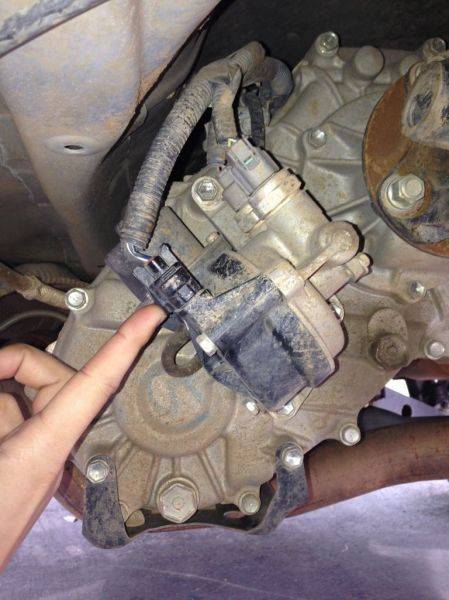
The Toyota P0705 trouble code indicates a Transmission Range Sensor Circuit Malfunction. In simple terms, your vehicle’s computer is having trouble determining the exact position of the transmission gear selector. The Transmission Range Sensor, sometimes called the gear position sensor or neutral safety switch, sends signals to the Engine Control Unit so the system knows whether the vehicle is in Park, Reverse, Neutral, Drive, or another gear position.
This information is more important than many drivers realize. The transmission control system uses these signals to manage shifting behavior, engine operation, and starting functions. If the sensor sends inaccurate data or stops communicating properly, the vehicle may become confused about what gear it is actually in.
For example, you might move the gear lever into Drive, but the system incorrectly reads Neutral or another position. This communication problem can trigger the P0705 code and create a chain reaction of performance issues. In some situations, the vehicle may refuse to start because it cannot verify a safe gear position. In other cases, the transmission may shift unpredictably or enter a protective operating mode.
Unlike major transmission failures, P0705 often begins as a sensor, wiring, or adjustment issue. However, ignoring it for too long can eventually place additional stress on transmission components and create more expensive problems later.
Common Symptoms of Toyota P0705
One of the reasons the Toyota P0705 code can be frustrating is that its symptoms often mimic more serious transmission failures. Many drivers immediately assume the entire transmission is failing, even though the problem may only involve a sensor or electrical connection.
The most common symptom is an illuminated Check Engine Light. In many cases, this is the first warning sign drivers notice. Once scanned with an OBD2 tool, the system reveals the P0705 diagnostic code.
Drivers may also experience abnormal shifting behavior. The transmission might hesitate before shifting, shift harshly between gears, or feel inconsistent during acceleration. Some vehicles may unexpectedly remain in a single gear for longer than normal.
Another common issue is difficulty starting the vehicle. Since the system relies on accurate gear position information, an incorrect reading can prevent the car from recognizing Park or Neutral. As a result, turning the key or pressing the start button may produce no response.
Some Toyota vehicles may enter limp mode, a protective setting designed to prevent further damage. When this happens, power and transmission performance become limited, making driving feel sluggish and unresponsive.
Drivers may also notice incorrect gear indicators on the dashboard. The display could show a different gear than the one currently selected.
A surprising fact is that many owners initially replace expensive transmission parts before discovering the issue was caused by a faulty sensor or damaged connector.
Common Causes of Toyota P0705
Several different issues can trigger the Toyota P0705 code, and identifying the root cause is essential before replacing parts.
A failed Transmission Range Sensor is one of the most common causes. Over time, internal components wear down due to heat, vibration, moisture exposure, and normal aging. Once the sensor starts sending inconsistent signals, the vehicle computer may struggle to identify gear positions correctly.
Damaged wiring is another frequent culprit. Transmission systems operate in environments exposed to heat, road debris, and constant vibration. Wiring harnesses can become frayed, cracked, or corroded over time. Loose electrical connectors may interrupt communication between the sensor and the control module.
Improper sensor alignment can also create problems. In some situations, technicians may remove transmission components during repairs or maintenance. If the sensor is not reinstalled in the correct position, even a small alignment error can generate false gear readings.
The neutral safety switch itself may also fail. Since it works closely with gear position detection, malfunctioning components can create communication errors and trigger the P0705 code.
Less commonly, software issues or failures involving the Transmission Control Module or Engine Control Unit can contribute to the problem. While these situations are rarer, they should not be ignored if other components test normally.
The biggest mistake many vehicle owners make is replacing parts based on guesswork. Proper diagnosis often saves hundreds of dollars and prevents unnecessary repairs.
Is Toyota P0705 Serious? Can You Continue Driving?
The severity of the Toyota P0705 code can range from moderate to serious depending on the underlying cause. While the vehicle may still be drivable in some cases, ignoring the problem for an extended period can lead to additional transmission complications and more expensive repairs.
Many drivers continue using their vehicle because the car still starts and moves normally during the early stages of the issue. However, the danger lies in inconsistent transmission behavior that can become worse without warning. A sensor that occasionally sends incorrect signals today may fail completely tomorrow.
One of the biggest risks involves unpredictable shifting. The transmission could hesitate, shift roughly, or select incorrect gears while driving. This not only affects comfort but can also create safety concerns, especially during highway merging, overtaking, or driving in heavy traffic.
Some Toyota models may activate limp mode after detecting repeated communication problems. Limp mode is a protective feature designed to reduce further damage by limiting transmission performance and restricting available gears. Drivers often describe the experience as slow acceleration, poor responsiveness, and a vehicle that suddenly feels underpowered.
Many owners ignore the warning signs because they fear expensive repair costs. Ironically, postponing diagnosis can create a larger financial problem later. What begins as a faulty sensor or damaged wiring harness could eventually place unnecessary stress on the transmission system itself.
If your Toyota displays a P0705 code, addressing it early is usually the most cost effective decision.
How to Fix Toyota P0705 Quickly
Fixing the Toyota P0705 code starts with proper diagnosis rather than immediately replacing parts. Since several issues can trigger this code, a systematic inspection process helps identify the real cause.
Begin by using an OBD2 scanner to confirm the presence of code P0705 and check for additional transmission related trouble codes. Multiple codes can provide clues that point toward a wiring issue, sensor failure, or control module problem.
Next, inspect the wiring and connectors around the Transmission Range Sensor. Look carefully for damaged insulation, loose connectors, bent pins, corrosion, or signs of moisture intrusion. Small electrical problems often create large symptoms.
After checking the wiring, inspect the Transmission Range Sensor itself. If the sensor appears damaged, worn, contaminated, or incorrectly aligned, replacement or adjustment may solve the issue.
If the sensor has recently been removed during transmission work, verify proper installation and alignment. Even minor positioning errors can cause incorrect gear readings.
After repairs are completed, clear the fault codes using the OBD2 scanner and perform a road test. Drive through multiple gear ranges and monitor transmission behavior carefully.
If the code returns immediately, further diagnosis involving the neutral safety switch, Transmission Control Module, or ECU may be required.
Avoid replacing expensive components before completing these basic checks. A careful diagnosis process often prevents unnecessary spending.
Toyota P0705 Repair Cost
Repair costs for the Toyota P0705 code vary significantly depending on the exact cause and labor rates in your area. The encouraging news is that many repairs associated with this code are considerably less expensive than a complete transmission replacement.
Simple wiring repairs are often among the least expensive solutions. If technicians only need to repair damaged connectors, clean corrosion, or replace small sections of wiring, costs typically range between $50 and $150.
Replacing a faulty Transmission Range Sensor usually falls between $100 and $350, including labor. Costs vary based on vehicle model, sensor location, and whether original equipment or aftermarket parts are used.
Neutral safety switch replacement may cost between $150 and $400, depending on accessibility and labor complexity.
More extensive electrical diagnosis and repair work can range from $200 to $800, especially when technicians need additional testing time to locate intermittent faults.
Control module problems are less common but potentially more expensive. ECU or transmission control module repairs can increase total costs significantly.
Many vehicle owners immediately fear a complete transmission replacement when they see transmission related codes. Fortunately, Toyota P0705 is often linked to sensors and electrical components rather than catastrophic transmission failure.
Addressing the issue early can prevent unnecessary stress, reduce labor costs, and help avoid much larger repair bills later.
Frequently Asked Questions About Toyota P0705
Can Toyota P0705 disappear on its own?
In some situations, the Toyota P0705 code may temporarily disappear, especially if the issue is caused by an intermittent electrical connection or a loose connector. For example, vibration, moisture, or slight movement in damaged wiring can create inconsistent communication between the Transmission Range Sensor and the vehicle computer.
However, a disappearing code does not necessarily mean the problem has been fixed. The fault may return unexpectedly and become more severe over time. Clearing the code without identifying the actual cause only masks the issue and can delay proper repairs.
If the code disappears and later returns, consider it a warning sign rather than a solved problem.
Can I simply reset the P0705 code and continue driving?
Resetting the code using an OBD2 scanner will erase the warning temporarily, but it will not repair the underlying issue. If the Transmission Range Sensor, wiring, or related components are still malfunctioning, the system will likely detect the problem again and reactivate the code.
Some drivers repeatedly clear fault codes to avoid seeing the Check Engine Light. While this may seem harmless, it can create larger issues because important symptoms are being ignored.
Resetting should be used only after completing repairs or as part of a diagnostic process.
Can P0705 damage the transmission?
The P0705 code itself does not directly damage the transmission. The problem comes from the side effects created by incorrect gear position information.
If the vehicle shifts unpredictably, enters limp mode repeatedly, or continues operating with incorrect transmission behavior, long term stress may be placed on transmission components. Over time, this additional strain can contribute to wear and potentially increase repair costs.
Early diagnosis greatly reduces the risk of secondary damage.
Conclusion
Seeing a Toyota P0705 code appear on your scanner can be stressful, especially because transmission related problems often sound expensive. Fortunately, P0705 does not automatically mean your transmission is failing. In many cases, the issue is connected to a faulty Transmission Range Sensor, damaged wiring, poor electrical connections, or a simple adjustment problem.
The key is not to panic and immediately assume the worst. Symptoms such as hard shifting, starting problems, limp mode activation, or incorrect gear readings should be investigated early before they develop into larger transmission concerns.
Proper diagnosis can save hundreds or even thousands of dollars by preventing unnecessary parts replacement and avoiding misdiagnosis. Starting with basic inspections, checking connectors, scanning for additional codes, and testing sensors can often reveal a relatively simple fix.
If your Camry, Corolla, Tacoma, RAV4, or another Toyota model is showing the Toyota P0705 trouble code, take action sooner rather than later. A small sensor issue today can become a much larger headache tomorrow.
Have you experienced P0705 on your Toyota? Share your symptoms and vehicle model in the comments. Your experience could help other drivers facing the same issue.