You start your Toyota, and suddenly the Check Engine Light appears. A quick OBD scan reveals one frustrating code: P0442.
Then comes the advice almost every Toyota owner hears:
“Check the gas cap.”
It sounds almost too simple. Can a loose or faulty gas cap really trigger a warning light and diagnostic code? Or has this become one of those automotive myths repeated so often that people accept it without questioning it?
The confusion is understandable. Seeing a warning light immediately creates stress for many drivers. Some worry about expensive repairs. Others fear hidden engine problems or emissions system failures. A few simply clear the code, tighten the cap, and hope the problem disappears.
The challenge is that Toyota P0442 can be deceptive. The code points to a small leak in the EVAP system, a network designed to prevent fuel vapors from escaping into the atmosphere. While the gas cap is part of that system, it is only one component among many. Vacuum hoses, purge valves, vent valves, charcoal canisters, and tiny seals can all become suspects.
Many Toyota owners end up stuck in an annoying cycle. They tighten the gas cap, reset the code, drive for a few days, and then watch the Check Engine Light return again.
In this guide, we will uncover whether the Toyota P0442 gas cap problem is truly the most common cause or simply a convenient assumption. More importantly, you will learn how to avoid wasting money replacing parts that were never the problem in the first place.
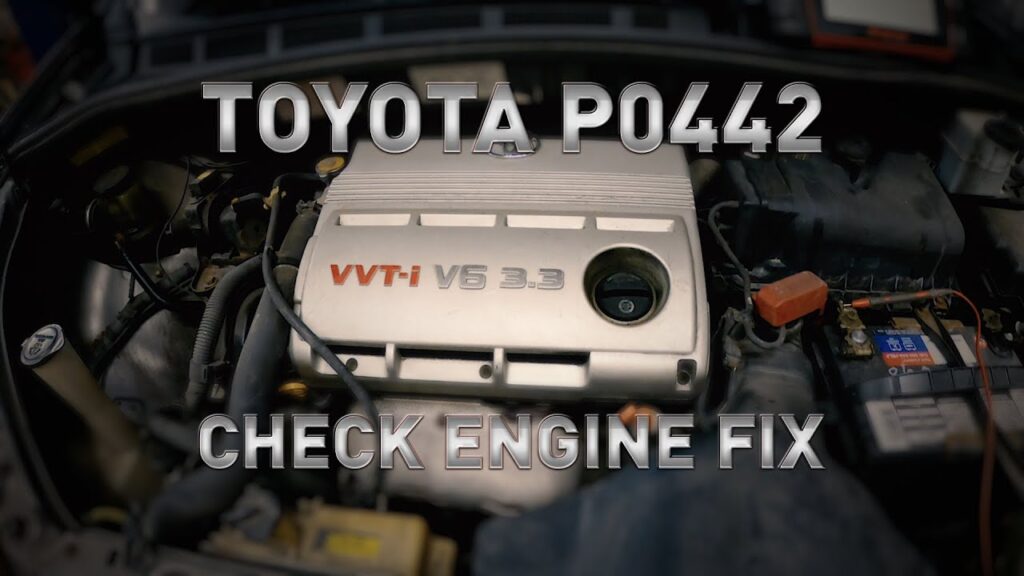
What Does Toyota P0442 Actually Mean?
Before blaming the gas cap, it helps to understand what the Toyota P0442 code is actually telling you.
P0442 is an OBD II diagnostic trouble code that indicates a small leak detected in the Evaporative Emission Control System, commonly called the EVAP system. The EVAP system is designed to capture fuel vapors from your gas tank and prevent them from escaping into the air.
Instead of releasing gasoline vapors into the atmosphere, Toyota vehicles route them through hoses and a charcoal canister where they are stored temporarily. Under certain driving conditions, the system sends these vapors back into the engine to be burned.
The problem is that the EVAP system constantly checks itself for leaks. Toyota vehicles perform pressure and vacuum tests using sensors and valves. Even a very tiny opening can trigger a fault code.
Many drivers assume a leak means fuel dripping on the ground. That is not what P0442 usually means. The leak can be microscopic. A cracked seal, worn rubber ring, tiny hose split, or loose connection may be enough.
This creates a major frustration point for owners. The car may drive perfectly. No rough idle. No engine noise. No noticeable performance loss. Yet the Check Engine Light remains on and refuses to disappear.
That is why P0442 becomes one of the most annoying codes for Toyota owners. The problem often feels invisible.
A small EVAP leak is generally not considered an emergency, but ignoring it can create larger diagnostic headaches later. It can also prevent your vehicle from passing emissions testing.
Understanding what P0442 means is important because it changes your mindset. Instead of assuming severe engine damage, you begin narrowing the issue to components involved in vapor containment.
The gas cap simply happens to be one possible suspect among several.
Can a Loose Gas Cap Really Trigger P0442?
The short answer is yes.
A loose gas cap absolutely can trigger a Toyota P0442 code.
This is where the myth originated. In many cases, tightening or replacing the cap actually fixes the issue.
The gas cap does much more than prevent fuel from splashing out of the tank. It acts as a sealing component within the EVAP system. Once tightened correctly, it helps maintain pressure conditions necessary for the system to function.
If that seal fails, fuel vapors can escape.
Toyota’s onboard monitoring system notices these pressure changes and may identify them as a small leak.
Several gas cap issues commonly create this situation:
A driver forgets to tighten the cap fully after refueling.
The cap clicks only once instead of locking completely.
The rubber gasket becomes brittle over time.
Cracks develop around the sealing surface.
An aftermarket replacement cap does not fit properly.
Dirt prevents a complete seal.
Many people underestimate how sensitive EVAP systems can be. Modern diagnostic systems detect leaks that are incredibly small.
A rubber seal that appears acceptable at first glance may have tiny imperfections invisible to the naked eye.
Fun fact: some EVAP systems can identify leaks comparable in size to a pinhole.
This explains why mechanics often tell owners to inspect the gas cap first. It is inexpensive, quick to evaluate, and easy to replace.
But there is another side to the story.
Because replacing a gas cap is cheap and simple, many people immediately assume it must always be the cause.
That assumption is where expensive mistakes begin.
Why the Gas Cap Gets Blamed So Often
The gas cap became the first suspect for one simple reason.
Sometimes it works.
Mechanics frequently begin with the easiest and least expensive possibilities. From a diagnostic perspective this makes sense.
Checking a gas cap takes less than a minute.
Replacing one costs far less than smoke testing an EVAP system or replacing valves and canisters.
Because enough drivers solved P0442 this way, the internet amplified the advice. Forums repeated it. YouTube videos repeated it. Drivers repeated it to each other.
Eventually the phrase became automatic:
“P0442? Try the gas cap.”
There is nothing wrong with starting there. The problem appears when owners stop there.
Many Toyota drivers experience the same frustrating scenario.
They replace the gas cap.
They clear the code.
The warning light disappears.
Several days later the light comes back.
Now confusion starts.
Was the replacement cap defective?
Was the code reset incorrectly?
Did another issue suddenly appear?
The reality is often much simpler.
The gas cap was never the root problem.
Many owners spend money replacing two or three caps before discovering cracked EVAP hoses, stuck purge valves, or leaks hidden deep within the system.
This creates a painful cycle of guessing instead of diagnosing.
A low cost fix feels satisfying because everyone wants an easy answer. Nobody wants to hear that tracing a tiny vapor leak may require specialized equipment.
Yet this is exactly why P0442 continues frustrating Toyota owners year after year.
The gas cap deserves attention first.
It simply should not receive all the blame.
When the Gas Cap Is NOT the Real Problem
This is where many Toyota owners become trapped in a frustrating and expensive guessing game.
The gas cap gets replaced. The code is cleared. Everything appears normal. A few days later, the Check Engine Light returns.
At this point many drivers start doubting themselves. Some buy another cap. Others begin replacing random parts hoping something works.
Unfortunately, Toyota P0442 often hides problems in places most owners never think to inspect.
One of the most common causes is a cracked or deteriorated EVAP hose. Rubber components constantly experience heat cycles, vibration, and age related wear. Over time small cracks develop. Some leaks become so tiny that they only appear under pressure conditions.
Another frequent culprit is the purge valve.
The purge valve controls when stored fuel vapors move from the charcoal canister back into the engine. If it sticks open or fails to seal properly, the EVAP system can detect pressure abnormalities and trigger P0442.
The vent valve can create similar symptoms.
Its job is controlling airflow through the EVAP system. When contamination, debris, or internal wear affects the valve, leak detection tests may fail.
Then there is the charcoal canister itself.
Many Toyota owners do not even know this component exists until a diagnostic report identifies it. The canister stores fuel vapors and works closely with multiple hoses and valves. Internal damage, cracks, or contamination can eventually create EVAP leaks.
Pain points begin escalating at this stage.
The vehicle still drives normally.
Fuel economy may remain unchanged.
No obvious warning signs appear.
Drivers feel caught between two unpleasant choices. Ignore the issue and keep driving with a warning light on, or continue spending money replacing parts based on guesswork.
That is why random part swapping rarely saves money.
A small leak hidden inside the EVAP system often requires a process of elimination rather than assumptions.
How to Test Whether Your Toyota Gas Cap Is Causing P0442
Before replacing expensive components, there are several simple checks you can perform yourself.
Start with a basic visual inspection.
Remove the gas cap and examine the rubber sealing ring carefully. Look for cracking, flattening, hardening, or uneven wear. Rubber seals naturally deteriorate over time, especially in hot climates and older vehicles.
Next inspect the cap body itself.
Small fractures around plastic threads or sealing areas can create leaks difficult to notice at first glance.
Clean the contact surface around the fuel filler neck.
Dust, dirt, and corrosion can prevent a complete seal even when the cap appears tight.
After reinstalling the cap, listen carefully for clicking sounds while tightening.
Most Toyota gas caps use a ratcheting mechanism. Multiple clicks usually indicate proper engagement. If the cap fails to tighten correctly or feels unusually loose, replacement may be worthwhile.
You can also try a simple reset process.
Tighten or replace the cap.
Clear the code using an OBD scanner.
Drive normally for several days.
Because EVAP monitors do not run continuously, it may take multiple drive cycles before the system completes self testing.
If P0442 returns, your investigation should continue.
Professional technicians often perform a smoke test at this stage.
A smoke machine sends visible vapor into the EVAP system under controlled pressure. Even tiny leaks become visible as smoke escapes from damaged areas.
This test frequently discovers problems impossible to locate through visual inspection alone.
Many owners spend weeks guessing before finally discovering a small hose crack worth only a few dollars.
The lesson becomes clear very quickly.
Testing costs less than replacing parts blindly.
Repair Cost Comparison for Toyota P0442 Issues
One reason owners hope the gas cap is responsible comes down to a simple reality.
Gas caps are cheap.
Other EVAP repairs may not be.
Approximate repair ranges often look like this:
Gas cap replacement commonly costs between $20 and $60.
Professional diagnostic smoke testing may range from $80 to $200 depending on location.
Purge valve replacement often falls between $150 and $350.
Vent valve repairs may cost between $100 and $300.
EVAP hose repairs can vary widely depending on accessibility.
Charcoal canister replacement may reach $300 to $700 or more.
These numbers create understandable anxiety.
Drivers naturally prefer a simple twenty dollar fix instead of hearing words like canister replacement or smoke diagnosis.
But there is an important detail many owners overlook.
Repeatedly replacing inexpensive parts can become expensive too.
Buying three gas caps, replacing unnecessary sensors, and paying multiple diagnostic fees can easily exceed the cost of a proper inspection.
The most affordable repair path often begins with accurate diagnosis rather than assumptions.
Toyota P0442 becomes expensive not because repairs are always severe.
It becomes expensive because many people chase guesses instead of evidence.
Frequently Asked Questions About Toyota P0442 and Gas Cap Problems
Can I drive with a Toyota P0442 code?
In most situations, yes.
A Toyota P0442 code usually does not indicate catastrophic engine failure or an immediate safety issue. Most vehicles continue driving normally because the problem typically involves a small leak within the EVAP system rather than a major mechanical malfunction.
However, that does not mean the issue should be ignored indefinitely.
The biggest problem is that the Check Engine Light remains active. Once that light stays on, it becomes difficult to notice if another issue develops later. A new fault code may appear while the existing warning is already present.
Many drivers also discover another inconvenience during inspection season. Vehicles with unresolved EVAP problems frequently fail emissions testing.
Ignoring a small issue today can create larger frustrations later.
Will Toyota P0442 clear itself?
Sometimes.
If the original issue was caused by a loose gas cap after refueling and the cap is tightened properly, the system may eventually pass its internal EVAP tests.
After several successful drive cycles, the Check Engine Light can disappear on its own.
The keyword here is patience.
Many drivers tighten the cap and expect immediate results within minutes. EVAP monitors operate under specific conditions. Your Toyota may need multiple trips and varying driving conditions before rerunning its tests.
If several days pass and the warning remains, another component is likely involved.
How long after replacing a gas cap does the code disappear?
There is no exact timeline.
Some Toyota owners see results after one or two trips.
Others may drive for several days before the onboard system completes all readiness checks.
Clearing the code with an OBD scanner can speed up the process, but remember this only removes the symptom temporarily.
If the underlying leak remains, P0442 usually returns.
That repeated cycle often becomes the clue that the gas cap was never the actual problem.
Is Toyota P0442 dangerous?
Generally no.
P0442 is more annoying than dangerous.
Your engine usually continues operating normally, and severe performance problems are uncommon.
The real risk comes from ignoring the warning light long term.
Driving for months with an active Check Engine Light creates uncertainty. New issues become harder to identify, emissions problems may worsen, and small leaks can occasionally become larger failures over time.
Think of P0442 as a warning sign rather than an emergency.
Addressing it early usually saves money and stress.
Conclusion
So, is the Toyota P0442 gas cap problem a myth or a real cause?
The answer sits somewhere in the middle.
A loose, damaged, or poorly sealed gas cap can absolutely trigger a P0442 code. In fact, it remains one of the easiest and most common things to inspect first. That advice exists for a reason.
But assuming the gas cap is always responsible creates another problem.
Many Toyota owners spend days or weeks repeating the same cycle. Tighten the cap. Clear the code. Wait. See the warning return. Replace the cap again. Repeat.
Eventually frustration takes over.
The reality is that the EVAP system contains multiple components working together. Hoses, valves, seals, and canisters can all create leaks that mimic gas cap symptoms.
The smartest approach starts with simple checks but does not stop there.
Inspect the gas cap first because it costs little and takes almost no time. If the code returns, move toward proper diagnostics instead of replacing random parts.
Your wallet will thank you later.
Have you ever experienced a Toyota P0442 code on a Camry, Corolla, Tacoma, RAV4, or another Toyota model? Did tightening the gas cap solve it, or did you discover a completely different cause?
Share your experience in the comments. Your solution may save another driver from wasting time and money.