Your Toyota suddenly starts shaking at idle, acceleration feels rough, and then the Check Engine light appears. You plug in an OBD2 scanner expecting a simple answer, only to see Toyota P0302 on the screen. Like many drivers, your first reaction might be replacing spark plugs or ignition coils immediately. Unfortunately, fixing a Toyota P0302 code is not always that simple.
The Toyota P0302 trouble code indicates a Cylinder 2 Misfire Detected, meaning cylinder number two is not completing the combustion process properly. When combustion becomes inconsistent, the engine can lose power, burn extra fuel, run rough, and potentially suffer long term damage if ignored.
The frustrating part is that one code can have many different causes. In some cases, the issue may be as minor as a worn spark plug costing only a few dollars. In other situations, the problem could involve fuel delivery, compression loss, or even internal engine damage that leads to expensive repairs.
Many vehicle owners make the mistake of replacing random parts hoping the problem disappears. That approach often turns a small repair bill into a costly guessing game.
In this guide, we will break down the Top 10 causes of Toyota P0302, starting with the most common culprits and moving toward the rare problems many drivers overlook. Understanding these causes can save time, money, and unnecessary repairs.
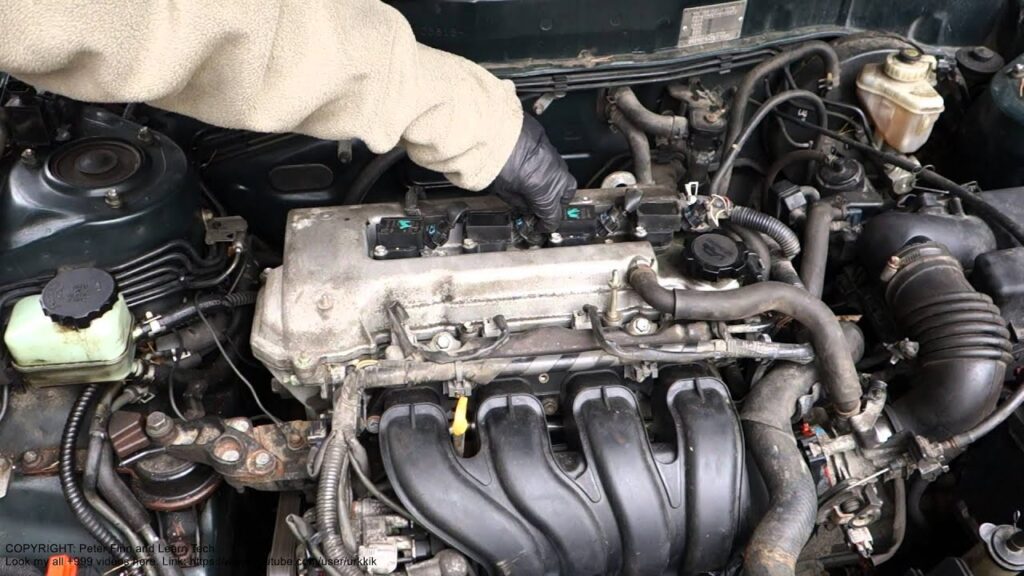
Top 10. Poor Fuel Quality or Fuel Contamination
Many drivers immediately suspect ignition components when facing a Toyota P0302 code, but low quality fuel can occasionally be the hidden cause. Fuel contaminated with water, dirt, or excessive ethanol content can interrupt the combustion process and create inconsistent firing inside cylinder number two.
This issue often appears after filling up at an unfamiliar gas station or after a vehicle sits unused for an extended period. The engine may run normally one day and suddenly begin shaking or hesitating the next.
Common symptoms include:
• Rough idle
• Reduced fuel economy
• Hesitation during acceleration
• Intermittent Check Engine light
• Random engine vibration
The reason this problem is frequently overlooked is that contaminated fuel can imitate symptoms of more expensive mechanical failures. Many owners replace ignition parts first, only to discover the issue started at the fuel tank.
A simple fuel treatment or draining contaminated fuel may solve the issue before replacing expensive components.
Why it made this list:
Because it is relatively uncommon but still capable of triggering a Toyota P0302 cylinder 2 misfire under specific conditions.
Top 9. ECM or Engine Control Software Issues
Modern Toyota vehicles rely heavily on electronic systems. The Engine Control Module, commonly known as the ECM, controls ignition timing, fuel delivery, and many other engine operations.
Although rare, software glitches or ECM failures can send incorrect signals to ignition or fuel systems. When that happens, cylinder number two may misfire even when physical components appear perfectly fine.
Possible warning signs include:
• Multiple inconsistent trouble codes
• Misfire remains after replacing parts
• Strange sensor readings
• Intermittent performance issues
• Vehicle behavior changing unpredictably
Many technicians do not begin diagnosis here because ECM problems are uncommon. However, if spark plugs, ignition coils, injectors, and compression all check out, software should not be ignored.
The painful part for owners is spending money replacing multiple parts before discovering the real issue is electronic.
Why it made this list:
It rarely happens, but when it does, diagnosis becomes frustrating and time consuming.
Top 8. Faulty MAF or MAP Sensor Readings
Your Toyota engine depends on sensors to determine how much air enters the engine. The Mass Air Flow sensor and Manifold Absolute Pressure sensor help calculate the ideal air and fuel mixture.
When these sensors provide inaccurate readings, combustion can become too rich or too lean. This imbalance may eventually trigger a Toyota P0302 code.
Symptoms often include:
• Engine hesitation
• Rough idle
• Poor acceleration
• Reduced fuel efficiency
• Delayed throttle response
A dirty sensor can sometimes create the same symptoms as a bad sensor. Fortunately, cleaning a MAF sensor may solve the issue without major repair costs.
Many vehicle owners replace spark plugs and ignition coils first because those parts seem more obvious. Meanwhile, the actual problem continues hiding inside a small sensor costing far less than repeated trial and error repairs.
Why it made this list:
Sensor related issues are more common than ECM failures and can silently create combustion problems.
Top 7. Vacuum Leak Near Cylinder Number Two
A vacuum leak may sound minor, but it can create major drivability issues. Your Toyota engine relies on a precise air and fuel ratio to maintain smooth combustion. If unwanted air enters through a cracked hose, damaged intake gasket, or leaking connection near cylinder number two, the mixture can become too lean and trigger a misfire.
This type of problem often tricks owners because the symptoms can resemble ignition or fuel issues.
Common symptoms include:
• Rough idle that gets worse over time
• Hissing sounds from the engine bay
• High or unstable idle RPM
• Hesitation during acceleration
• Check Engine light with a Toyota P0302 code
Vacuum leaks become more common as vehicles age because rubber hoses harden and develop small cracks. Heat cycles under the hood gradually weaken seals and connections.
Many people replace spark plugs or coils first because those parts appear to be more obvious suspects. Unfortunately, replacing parts without checking for leaks can become an expensive guessing game.
Why it made this list:
Vacuum leaks are more common than electronic issues and can directly affect combustion quality around a specific cylinder.
Top 6. Low Fuel Pressure
Your engine requires a consistent fuel supply to operate correctly. If the fuel pump becomes weak, the fuel filter becomes restricted, or pressure drops below specification, cylinder combustion can become unstable.
When fuel delivery starts failing, the issue often becomes more noticeable under load. Drivers may feel the vehicle hesitate while climbing hills or accelerating onto highways.
Typical symptoms include:
• Sluggish acceleration
• Engine stumbling under load
• Hard starting conditions
• Loss of power at higher speeds
• Rough idle
Fuel pressure problems can be difficult to identify because they do not always create obvious signs during short drives. Some vehicles appear normal at idle but struggle once engine demand increases.
Vehicle owners often continue driving while symptoms gradually worsen. Unfortunately, delayed diagnosis can eventually affect multiple cylinders and create additional trouble codes.
Why it made this list:
Fuel delivery issues occur more frequently than vacuum leaks and can significantly affect combustion consistency.
Top 5. Faulty or Clogged Fuel Injector on Cylinder Two
Fuel injectors deliver a precise amount of fuel into each cylinder. If the injector for cylinder number two becomes clogged, dirty, or electrically damaged, combustion may become incomplete and trigger a Toyota P0302 cylinder 2 misfire detected code.
Over time, carbon buildup and fuel deposits can restrict spray patterns. Instead of delivering a fine fuel mist, the injector may spray unevenly or fail to provide enough fuel altogether.
Symptoms often include:
• Engine shaking at idle
• Noticeable hesitation
• Fuel smell from the exhaust
• Reduced fuel economy
• Rough performance during acceleration
A faulty injector can easily be confused with ignition problems because the symptoms overlap significantly.
Many technicians swap injectors between cylinders during diagnosis. If the misfire moves from cylinder two to another cylinder, the injector becomes the obvious suspect.
Why it made this list:
Fuel injector issues are a very common cause of Toyota misfires and become increasingly likely as mileage increases.
Top 4. Worn or Failed Spark Plug
Spark plugs are among the first components technicians inspect when diagnosing a Toyota P0302 code, and for good reason. A spark plug creates the spark needed to ignite the air and fuel mixture inside the cylinder. Over time, heat, carbon deposits, and normal wear reduce its ability to fire consistently.
As spark plugs age, combustion inside cylinder number two may become weak or unstable. What begins as a small hesitation can gradually turn into a noticeable engine shake.
Common symptoms include:
• Rough idle at stoplights
• Engine vibration
• Slow acceleration response
• Reduced fuel economy
• Difficulty starting the engine
Many Toyota owners ignore spark plug replacement intervals because the vehicle may still seem to run normally. Unfortunately, waiting too long can lead to stronger misfires and place additional stress on ignition coils.
The frustrating part is that drivers often continue using the vehicle because the symptoms start subtly. By the time the Check Engine light appears, performance has already begun to suffer.
Why it made this list:
Spark plugs are one of the most common maintenance related causes of a Toyota P0302 cylinder 2 misfire.
Top 3. Failed Ignition Coil
Ignition coils are among the most common causes behind Toyota misfire complaints. Their job is to convert battery voltage into the high voltage needed to fire spark plugs. If the ignition coil serving cylinder number two becomes weak or fails completely, the spark may disappear entirely.
This issue is especially common on higher mileage vehicles and certain Toyota models where coil wear becomes more noticeable over time.
Common symptoms include:
• Sudden engine shaking
• Flashing Check Engine light
• Lack of power during acceleration
• Engine hesitation
• Strong vibration at idle
A popular diagnostic trick among technicians involves swapping the ignition coil from cylinder two with another cylinder. If the misfire code moves to the new cylinder location, the faulty coil has likely been identified.
Many owners immediately replace all coils at once. While this may solve the issue, targeted diagnosis can save significant money.
Why it made this list:
Ignition coil failure remains one of the leading causes of Toyota P0302 codes across multiple vehicle models.
Top 2. Low Compression in Cylinder Number Two
If spark, fuel, and electronics all appear normal, attention often shifts toward mechanical problems. Compression is essential because the combustion process requires proper pressure inside each cylinder.
Low compression can result from:
• Burned valves
• Worn piston rings
• Damaged head gaskets
• Valve sealing problems
• Internal engine wear
Symptoms usually feel more severe than basic ignition issues.
Drivers often notice:
• Constant engine shaking
• Significant power loss
• Hard starting conditions
• Excessive oil consumption
• Misfire that never completely disappears
This diagnosis can be painful because compression problems usually require deeper engine work. Repair costs increase quickly compared to replacing spark plugs or coils.
Many owners spend money replacing multiple components first because they hope the problem is electrical. Unfortunately, if compression loss exists, no ignition part can solve the issue.
Why it made this list:
Compression problems are less common than ignition failures but represent one of the most serious causes behind a persistent Toyota P0302 code.
Top 1. Internal Engine Damage or Valve Timing Problems
The number one and most serious cause of a persistent Toyota P0302 code is internal engine damage. While spark plugs, ignition coils, and fuel injectors are much more common, there are situations where the real issue goes deeper inside the engine.
Mechanical failures affecting valve timing or internal components can prevent cylinder number two from completing combustion correctly. In these cases, replacing external parts rarely solves the problem.
Potential causes include:
• Damaged camshaft components
• Broken or weak valve springs
• Timing chain issues
• Incorrect valve timing
• Excessive internal engine wear
• Camshaft lobe damage
Symptoms often become severe and impossible to ignore.
Drivers may experience:
• Constant engine vibration at all speeds
• Significant power loss
• Loud engine noises
• Difficulty starting
• Flashing Check Engine light
• Multiple misfire codes appearing together
This is where many owners experience the most frustration. After replacing spark plugs, coils, injectors, and sensors, the Toyota P0302 cylinder 2 misfire still returns. At this stage, advanced diagnostics become necessary.
Internal engine repairs can quickly become expensive because diagnosis often requires compression testing, leak down testing, or partial engine disassembly. In severe situations, repair costs can approach the value of an older vehicle.
Why it earned the number one position:
While not the most frequent issue statistically, internal engine damage represents the most severe and difficult problem to diagnose. It is often the final cause discovered after every other possibility has been eliminated.
Conclusion
A Toyota P0302 code may look simple at first, but as you can see, the causes range from minor maintenance issues to serious engine problems. The mistake many vehicle owners make is replacing random parts without following a logical diagnostic process.
The smartest approach is to start with the easier and more affordable possibilities. Inspect spark plugs, test ignition coils, check fuel delivery, and look for air leaks before moving toward complex engine diagnostics. This process can save both time and money while avoiding unnecessary repairs.
Ignoring a Toyota P0302 cylinder 2 misfire detected warning is also risky. Continuing to drive with an active misfire can damage catalytic converters, reduce fuel efficiency, and potentially create much larger repair bills later.
Are you dealing with Toyota P0302 on a Camry, Corolla, RAV4, Tacoma, or another Toyota model? Leave your vehicle year, model, mileage, and symptoms in the comments. The exact diagnosis can vary depending on the engine and driving conditions.