Have you noticed dark oil spots under your Mini Cooper after parking overnight? Or perhaps your engine oil level seems to drop faster than expected between oil changes. These warning signs may indicate an oil leak, one of the most common mechanical issues Mini Cooper owners encounter.
While Mini Cooper vehicles are celebrated for their iconic design, responsive handling, and enjoyable driving experience, many models, especially higher-mileage vehicles and certain generations such as the R56, are known for developing oil leaks over time. Heat, aging gaskets, worn seals, and engine vibration can all contribute to oil escaping from critical components.
What begins as a minor leak can quickly become a costly repair if ignored. Low engine oil levels can increase friction between internal components, leading to premature wear, overheating, turbocharger damage, and, in severe cases, complete engine failure. Many owners underestimate the seriousness of a small leak until they are faced with an expensive repair bill.
The good news is that most Mini Cooper oil leaks originate from a handful of common locations. In this guide, we will explore the most frequent oil leak problems found in Mini Cooper models, explain how to identify the source of the leak, discuss potential repair costs, and provide practical solutions to help keep your Mini running smoothly for years to come.
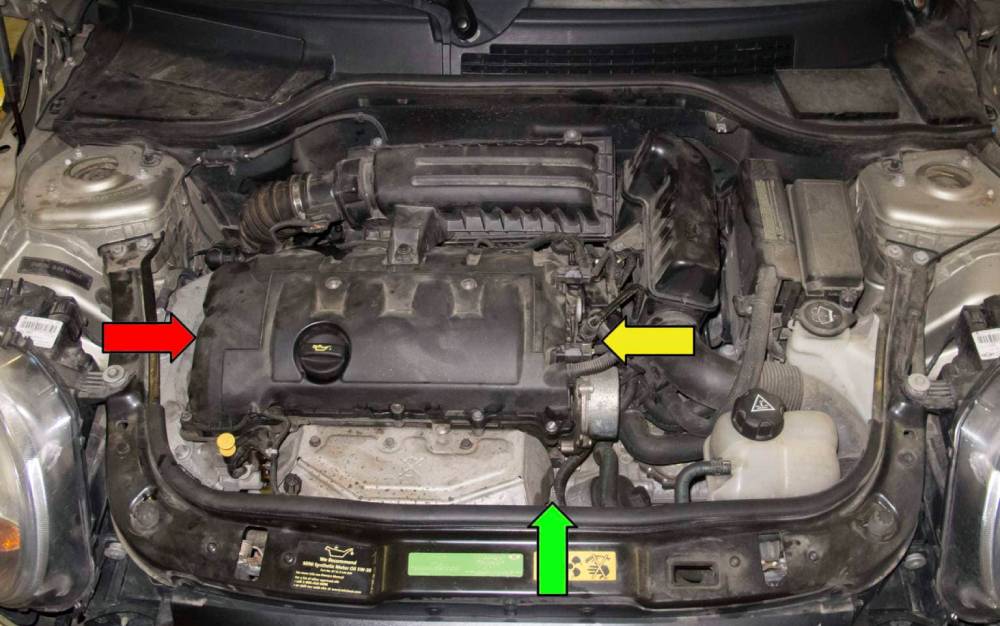
Common Signs Your Mini Cooper Has an Oil Leak
Before identifying the exact source of an oil leak, it is important to recognize the warning signs that something is wrong. Many Mini Cooper owners overlook early symptoms, assuming they are minor maintenance issues. However, catching an oil leak early can prevent extensive engine damage and expensive repairs.
Oil Spots Under the Vehicle
One of the most obvious indicators of an oil leak is the appearance of dark brown or black spots underneath your vehicle. If you regularly notice fresh stains on your driveway, garage floor, or parking space, engine oil may be escaping from one of the engine seals or gaskets.
The location of the oil spot can sometimes provide clues about the source of the leak. Oil accumulating near the center of the engine bay often points to a valve cover gasket or oil filter housing issue, while oil dripping closer to the front or rear of the vehicle may suggest other engine components are involved.
Burning Oil Smell
A strong burning oil smell is another common warning sign. This occurs when leaking oil comes into contact with hot engine components such as the exhaust manifold, turbocharger, or catalytic converter.
The odor may become more noticeable after driving in traffic or during longer trips when engine temperatures increase. In some cases, drivers may even notice the smell entering the cabin through the ventilation system.
Low Oil Warning Light
Modern Mini Cooper models are equipped with sensors that monitor engine oil levels. If the oil warning light appears on your dashboard, it should never be ignored.
Although the warning light can indicate several issues, a persistent oil leak is one of the most common causes. Driving with insufficient oil can significantly increase internal engine wear and reduce the lifespan of critical components.
Smoke From the Engine Bay
When leaking oil reaches extremely hot surfaces, it can begin to burn and produce visible smoke. This smoke often appears white or light blue and may rise from the engine compartment after the vehicle has been parked.
If you notice smoke combined with a burning smell, immediate inspection is recommended. Continuing to drive without addressing the issue can increase the risk of component damage and create potential safety concerns.
Valve Cover Gasket Leak
Among all Mini Cooper oil leak problems, a failing valve cover gasket is one of the most frequently reported issues. The valve cover sits on top of the engine and seals the area that protects the camshafts and valvetrain components. Over time, the rubber gasket can deteriorate due to heat cycles, age, and constant exposure to engine oil.
As the gasket hardens and loses flexibility, small gaps begin to form between the valve cover and the cylinder head. These gaps allow oil to seep out and spread across the engine.
Common Symptoms of a Valve Cover Gasket Leak
Owners often notice oil residue accumulating around the top of the engine. In more advanced cases, oil may travel down the side of the engine block and reach hot exhaust components.
Other common symptoms include:
• Burning oil smell inside or outside the vehicle
• Visible oil around the valve cover
• Light smoke from the engine bay
• Gradually decreasing oil levels
Because the valve cover is located near several sensitive electrical components, prolonged oil exposure can eventually affect ignition coils and spark plugs, leading to rough engine performance.
How to Fix a Valve Cover Gasket Leak
The most effective solution is replacing the valve cover gasket. During the repair process, the valve cover should be removed and inspected for cracks, warping, or damage.
The mating surfaces must be thoroughly cleaned before installing a new gasket. Using high quality replacement parts can help ensure a long lasting repair and reduce the likelihood of future leaks.
In many cases, replacing the gasket early can prevent more expensive repairs later and restore proper engine sealing.
Oil Filter Housing Gasket Leak
Another extremely common source of Mini Cooper oil leaks is the oil filter housing gasket. This gasket creates a seal between the oil filter housing and the engine block. Due to constant exposure to heat and oil pressure, the gasket eventually becomes brittle and begins to fail.
This issue is particularly common on higher mileage Mini Cooper models and is often misdiagnosed because the leaking oil can spread across multiple areas of the engine.
Signs of an Oil Filter Housing Gasket Leak
A leaking oil filter housing gasket typically causes oil to accumulate around the oil filter assembly. As the leak worsens, oil may travel down the side of the engine and coat nearby components.
Drivers frequently report:
• Oil visible near the oil filter housing
• Oil stains underneath the vehicle
• Gradual oil loss between service intervals
• Dirty or greasy engine components
Because the oil filter housing is located near several other engine systems, the leak can sometimes be mistaken for a valve cover gasket failure.
Repair Procedure
Repairing this issue usually involves removing the oil filter housing and replacing the deteriorated gasket. The surrounding area should be cleaned thoroughly to ensure accurate leak detection after the repair.
Once the new gasket is installed, technicians often recommend checking oil pressure and monitoring the engine for any signs of continued leakage.
Although the repair is more involved than a simple gasket replacement, addressing the problem promptly can prevent oil contamination of nearby components and protect the engine from long term damage.
Oil Pan Gasket Leak
The oil pan gasket is responsible for sealing the connection between the engine block and the oil pan, which stores the engine’s oil supply. Although this component is designed to withstand harsh operating conditions, years of exposure to heat, vibration, and contaminants can eventually cause the gasket to deteriorate.
As the gasket ages, it may shrink, crack, or lose its ability to create a proper seal. Once this happens, oil begins to seep from the bottom of the engine and may gradually worsen over time.
Common Symptoms of an Oil Pan Gasket Leak
An oil pan gasket leak is often easier to identify because the leak originates from the lowest part of the engine. Drivers frequently notice oil spots appearing under the vehicle after it has been parked for several hours.
Additional symptoms may include:
• A consistently oily oil pan surface
• Oil droplets forming along the bottom edge of the engine
• Gradually decreasing oil levels
• Increased engine contamination from dirt sticking to leaked oil
In severe cases, larger amounts of oil may accumulate on underbody panels, making the leak appear worse than it actually is.
Causes of Oil Pan Gasket Failure
Several factors contribute to oil pan gasket leaks. Age remains the most common cause, but road debris and accidental impacts can also damage the oil pan itself. Even a minor collision with a curb or road obstacle may deform the sealing surface and create leakage points.
Improper installation during previous repairs can also lead to premature gasket failure.
How to Fix an Oil Pan Gasket Leak
Repairing an oil pan gasket leak typically requires draining the engine oil, removing the oil pan, and replacing the old gasket with a new one. During the repair, technicians should inspect the oil pan for cracks, dents, or warping that could compromise the seal.
Proper torque specifications must be followed when reinstalling the oil pan to ensure an even seal and prevent future leaks.
Although the repair can be labor intensive on some Mini Cooper models, addressing the issue early helps prevent excessive oil loss and protects engine performance.
Timing Cover Leak
A timing cover leak is one of the more challenging Mini Cooper oil leaks to diagnose accurately. The timing cover protects the timing chain and related engine components while keeping engine oil contained within the front section of the engine.
Because this area contains multiple seals and mating surfaces, oil can escape from several different locations, making leak detection more difficult.
Symptoms of a Timing Cover Leak
Many owners first notice a buildup of oily residue around the front of the engine. Dirt and road debris often stick to the leaking oil, creating a thick layer of grime that can conceal the true source of the problem.
Common symptoms include:
• Oil accumulation around the front engine cover
• Oil contamination near belts and pulleys
• Visible oil streaks running down the front of the engine
• Gradual oil consumption without obvious external leaks elsewhere
Since the timing cover is positioned near moving engine components, leaked oil can spread over a wide area, creating confusion during diagnosis.
Why Timing Cover Leaks Should Not Be Ignored
Unlike smaller leaks that remain localized, timing cover leaks can affect surrounding engine systems. Oil contamination may reduce belt life, attract dirt, and increase wear on nearby components.
If left unresolved for an extended period, the leak can become progressively worse and lead to significant oil loss.
Repair Options
Repairing a timing cover leak generally involves removing several engine accessories to gain access to the cover. Once exposed, the old gasket or sealant material is removed and replaced with new sealing components.
Because the timing chain assembly is located behind the cover, many technicians inspect timing components simultaneously to identify potential future maintenance needs.
While this repair tends to be more expensive than replacing a valve cover gasket, it is often necessary to maintain engine reliability and prevent long term damage.
Turbo Oil Line Leak
Owners of turbocharged Mini Cooper models, including the Mini Cooper S and John Cooper Works variants, may encounter oil leaks originating from the turbocharger oil supply or return lines.
Turbochargers operate under extreme heat and pressure conditions. To function properly, they rely on a constant supply of engine oil for lubrication and cooling. Over time, seals, fittings, and oil lines can wear out, resulting in leaks around the turbo system.
Signs of a Turbo Oil Line Leak
Turbo oil line leaks often produce symptoms that are different from other engine oil leaks.
Drivers may experience:
• A strong burning oil smell after driving
• Visible smoke near the turbocharger area
• Oil residue around turbo oil lines
• Faster than normal oil consumption
• Reduced engine performance in severe cases
Because turbochargers generate significant heat, even small oil leaks can quickly produce noticeable odors and smoke.
Common Causes
Several factors contribute to turbo oil line failures. Continuous thermal cycling can weaken seals and fittings over time. In older vehicles, oil lines themselves may become brittle or corroded.
Improper installation following previous turbo repairs can also increase the likelihood of future leaks.
How to Fix a Turbo Oil Line Leak
The repair process begins with identifying the exact source of the leak. Technicians inspect oil feed lines, return lines, fittings, and sealing washers for signs of wear or damage.
Depending on the condition of the components, repairs may involve replacing a damaged oil line, installing new seals, or replacing related hardware.
After repairs are completed, the engine should be cleaned and monitored carefully to verify that no additional oil leakage is present.
Addressing turbo oil leaks promptly is especially important because insufficient lubrication can significantly shorten turbocharger lifespan and lead to costly replacement expenses.
How Much Does It Cost to Fix a Mini Cooper Oil Leak?
One of the first questions most owners ask after discovering an oil leak is how much the repair will cost. Unfortunately, there is no single answer because the final price depends on the source of the leak, labor rates in your area, and whether additional components have been damaged.
Minor gasket replacements are generally less expensive, while repairs involving the timing cover or turbocharger system can require significantly more labor.
The following estimates provide a general idea of what Mini Cooper owners can expect:
| Repair Type | Estimated Cost |
|---|---|
| Valve Cover Gasket Replacement | $100 to $500 |
| Oil Filter Housing Gasket Replacement | $150 to $700 |
| Oil Pan Gasket Replacement | $200 to $900 |
| Timing Cover Repair | $500 to $1,500 |
| Turbo Oil Line Replacement | $200 to $800 |
Keep in mind that delaying repairs can dramatically increase overall costs. A relatively inexpensive gasket replacement today could prevent major engine damage that may cost thousands of dollars to repair later.
For this reason, it is always advisable to investigate oil leaks as soon as symptoms appear rather than waiting for the problem to worsen.
How to Prevent Future Oil Leaks
Although some oil leaks become unavoidable as vehicles age, proper maintenance can significantly reduce the likelihood of experiencing serious problems.
Preventive maintenance is often far less expensive than emergency repairs and helps maintain the long term reliability of your Mini Cooper.
Follow Recommended Oil Change Intervals
Regular oil changes play a crucial role in protecting seals and gaskets. Old, contaminated oil can accelerate component wear and contribute to gasket deterioration.
Always use oil that meets the manufacturer’s specifications and avoid extending oil change intervals beyond recommended limits.
Inspect Gaskets and Seals During Routine Maintenance
Many oil leaks develop gradually over time. During routine inspections, mechanics can identify early signs of gasket wear before significant leakage occurs.
Replacing aging seals proactively is often much cheaper than repairing damage caused by a major leak.
Monitor Oil Levels Frequently
Checking engine oil regularly is one of the simplest yet most effective habits any Mini Cooper owner can develop.
A quick monthly inspection can help detect unusual oil consumption and provide early warning of developing leaks.
If oil levels begin dropping faster than normal, a thorough inspection should be scheduled immediately.
Keep the Engine Clean
A clean engine bay makes it easier to spot fresh oil leaks before they become serious.
When an engine is covered in dirt and old oil residue, identifying the source of a leak becomes much more difficult. Periodic engine cleaning allows both owners and technicians to detect problems sooner and perform more accurate diagnostics.
Address Small Leaks Immediately
Many owners continue driving for months with minor oil leaks because the vehicle still appears to operate normally. Unfortunately, even small leaks can worsen unexpectedly.
Taking action early often results in simpler repairs, lower costs, and reduced risk of engine damage.
Conclusion
A Mini Cooper oil leak is one of the most common maintenance issues owners face, particularly as vehicles accumulate mileage and engine components begin to age. While discovering oil beneath your vehicle can be concerning, most leaks originate from a handful of well known problem areas such as the valve cover gasket, oil filter housing gasket, oil pan gasket, timing cover, or turbo oil lines.
Understanding the warning signs is essential. Oil spots on the ground, burning oil odors, smoke from the engine bay, and unexplained drops in oil level should never be ignored. Early diagnosis can help prevent expensive repairs and protect critical engine components from unnecessary wear.
The good news is that most Mini Cooper oil leaks can be repaired successfully when identified early. Regular maintenance, routine inspections, and timely repairs remain the best defense against long term engine problems.
If your Mini Cooper is showing any signs of an oil leak, schedule an inspection as soon as possible. Addressing the issue today can save you significant money, improve vehicle reliability, and help ensure your Mini continues delivering the driving experience it was designed to provide.