Your Toyota dashboard suddenly lights up with ABS, traction control, or stability warnings. You connect a scan tool, expecting a simple explanation, only to discover the mysterious Toyota C0278 Code. Now the questions start piling up. Is it safe to keep driving? Is it just a sensor problem? Or are you looking at an expensive repair bill that could quickly spiral out of control?
Many Toyota owners face this exact situation. The frustrating part is that C0278 does not always point to one specific failed component. Some drivers immediately replace wheel speed sensors, while others spend money on unnecessary parts only to find the warning light comes back days later. Misdiagnosis is surprisingly common and can become a costly mistake.
What many people do not realize is that certain Toyota models appear to encounter C0278 related issues more often than others. This does not necessarily mean those vehicles are unreliable. Popular Toyota models simply share similar ABS and brake control system designs, and some are exposed to driving conditions that put extra stress on sensors, wiring, and control components.
In this guide, we will explore which Toyota models commonly get C0278, the symptoms owners report most often, the likely causes behind the warning, and what steps can help prevent expensive repairs before they happen.
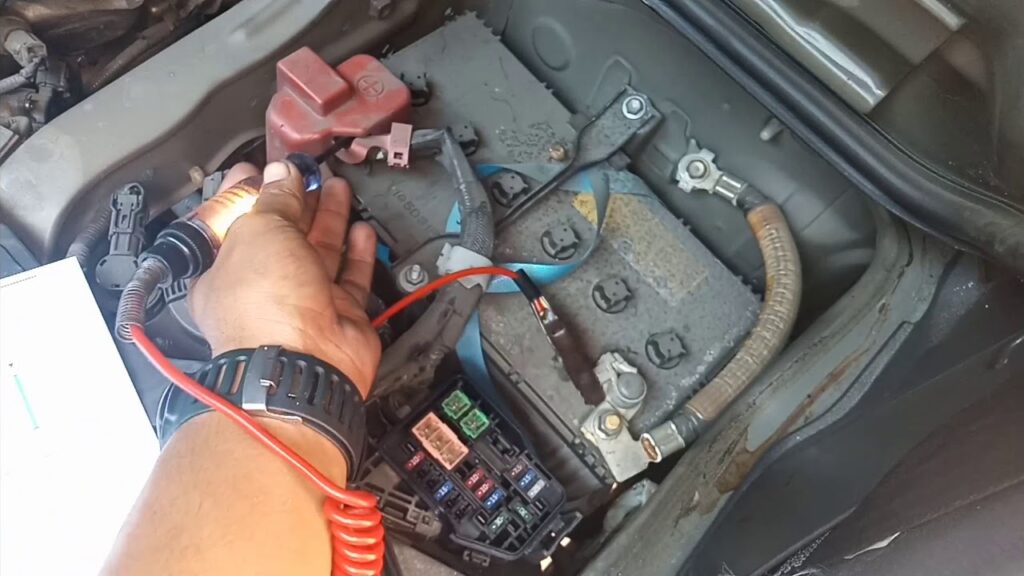
1. Toyota Corolla
The Toyota Corolla has earned a reputation for reliability over decades, which is exactly why many owners are surprised when warning lights suddenly appear on the dashboard. Because Corolla is one of Toyota’s highest volume vehicles worldwide, reports involving ABS and traction related trouble codes naturally appear more often than many niche models. This does not necessarily mean Corolla suffers from severe design flaws. Higher ownership numbers simply create more documented cases.
On some Corolla generations, owners and technicians have reported ABS related concerns tied to wheel speed sensors, connector wear, and damaged sensor wiring. Since these components operate close to the wheels, they constantly face exposure to dirt, moisture, road salt, and vibration. Over time, those environmental factors can gradually affect signal quality.
Common symptoms can include:
ABS warning light appearing unexpectedly
Traction control light turning on
Intermittent stability system alerts
Temporary loss of traction assistance
Occasional warning chimes
One frustrating pain point for Corolla owners is assuming the wheel speed sensor itself has failed immediately. In reality, damaged wiring or corrosion around connectors may produce nearly identical symptoms. Replacing the wrong component often becomes an unnecessary expense.
A fun fact many people overlook is that Corolla remains one of the world’s best selling vehicles. Because millions of units are on roads globally, even relatively uncommon problems can generate large numbers of reports online.
2. Toyota Camry
The Toyota Camry sits near the top of family sedan sales charts year after year. Comfortable, dependable, and widely used, it is not usually associated with major electronic system concerns. However, certain Camry generations have shown recurring discussions surrounding ABS and brake control related diagnostics.
Some versions use more sophisticated brake actuator and stability systems compared with older Toyota platforms. While advanced technology improves driving safety and control, additional complexity also introduces more potential failure points.
Drivers experiencing C0278 related issues on Camry models sometimes report symptoms such as:
ABS warning lights appearing at highway speed
Traction control alerts activating randomly
Temporary dashboard warning clusters
Brake feel changing unexpectedly
Warning lights disappearing and returning later
The unpredictable nature of intermittent faults creates one of the biggest headaches for owners. A vehicle may drive perfectly during one inspection and suddenly display symptoms later. That often leads to repeated shop visits and uncertainty about the true cause.
Many Camry owners become concerned after hearing expensive repair estimates involving actuators or brake control components. In some situations, however, the issue may involve a smaller electrical fault rather than a major component replacement. Proper diagnosis becomes critical before approving repairs.
3. Toyota RAV4
The Toyota RAV4 has become one of Toyota’s most successful SUVs because it balances practicality, fuel efficiency, and everyday usability. However, unlike many sedans, RAV4 vehicles often experience a wider range of driving conditions. Owners may encounter rain, mud, gravel roads, snow, and rough surfaces that place additional stress on wheel and sensor areas.
This matters because wheel speed sensors and related wiring are positioned where environmental exposure can become significant over time.
Drivers dealing with possible C0278 related behavior on RAV4 models often describe:
ABS warnings appearing after wet weather
Traction control alerts
Occasional stability system messages
Dashboard lights following rough road driving
Temporary electronic driving assistance issues
One common mistake among RAV4 owners is confusing ABS related behavior with tire or alignment problems. A driver may notice unusual handling changes and immediately suspect suspension or tire issues while overlooking electronic braking system warnings.
The frustrating reality is that multiple systems communicate together. A seemingly minor electrical issue can create symptoms that appear unrelated at first glance.
For owners hoping to avoid expensive repairs, identifying whether the problem involves sensors, wiring, connectors, or control modules before replacing parts can save considerable time and money.
4. Toyota Tacoma
The Toyota Tacoma is known for durability and strong performance in demanding environments. Owners regularly use these trucks for towing, hauling equipment, construction work, camping trips, and off road adventures. While that rugged reputation is a major advantage, it can also expose components to harsher conditions than vehicles used primarily for daily commuting.
Continuous vibration, heavy loads, mud, dust, and uneven terrain can place additional stress on wheel speed sensors and surrounding wiring. Over time, connectors may loosen, wiring insulation may wear down, and sensor readings can become inconsistent.
Owners reporting C0278 related behavior on Tacoma models often mention:
ABS warning lights activating unexpectedly
Traction control behaving inconsistently
Dashboard warning lights appearing after off road driving
Intermittent electronic braking system alerts
Occasional instability during slippery road conditions
One issue Tacoma owners frequently encounter is assuming the sensor itself failed after driving through mud or water. In some situations, debris buildup or damaged harness connections can create similar symptoms. Replacing expensive parts before inspecting wiring often becomes a costly mistake.
Because Tacoma owners frequently modify suspension systems or install larger tires, diagnostic work can become more complicated. Changes in wheel setup may create additional variables that technicians need to consider.
5. Toyota Highlander
The Toyota Highlander remains one of Toyota’s most popular family SUVs because it offers spacious seating, modern technology, and extensive safety features. However, increased technology also means increased system complexity.
Modern Highlander models rely on multiple electronic systems communicating simultaneously. ABS, traction control, stability control, and driver assistance features constantly exchange information. When one component sends incorrect data, multiple warning indicators can appear at the same time.
Owners experiencing C0278 related concerns on Highlander vehicles may notice:
ABS warning lights
Vehicle Stability Control notifications
Traction system alerts
Several dashboard indicators appearing together
Warnings appearing and disappearing randomly
This situation creates anxiety because drivers often fear a major system failure. Seeing several warning lights activate at once can make a relatively small electrical issue seem catastrophic.
One challenge with diagnosing Highlander models is that multiple systems may store related fault codes simultaneously. Focusing only on C0278 without reviewing the complete scan report may lead to incomplete repairs.
Many owners become concerned after receiving large repair estimates involving electronic brake components. In reality, a detailed inspection can sometimes reveal wiring or communication faults rather than major hardware failure.
6. Toyota Prius
The Toyota Prius introduced many drivers to hybrid technology and changed expectations for fuel efficiency. However, hybrid systems also introduced additional layers of engineering complexity, especially within braking systems.
Unlike traditional vehicles, Prius models use advanced braking technology that integrates regenerative functions with conventional braking systems. Because multiple systems work together, diagnostics can sometimes become more challenging.
Drivers reporting symptoms related to C0278 occasionally mention:
ABS warning lights
Brake system alerts
Traction control messages
Unexpected dashboard warnings
Changes in braking response
One major concern for Prius owners involves repair costs. Online discussions often create fear that any brake system warning automatically means a very expensive actuator replacement. While certain repairs can indeed become costly, assuming the worst before proper diagnosis can create unnecessary stress.
Many Prius owners experience frustration because symptoms can appear intermittently. A vehicle may operate normally for days before warnings suddenly return. Intermittent electrical behavior often becomes one of the most difficult diagnostic situations for technicians and vehicle owners alike.
Understanding the root cause before replacing parts remains one of the smartest approaches for avoiding unnecessary expenses.
7. Toyota 4Runner
The Toyota 4Runner earns the top position on this list because of how and where many owners use it. Unlike vehicles designed mainly for city roads and highway commuting, the 4Runner often spends time in environments that place much greater stress on suspension, wheel components, and electrical systems. Off road trails, dirt roads, water crossings, rocky terrain, and extreme weather conditions can all create long term wear that affects sensors and surrounding wiring.
The C0278 code itself does not necessarily indicate a design flaw unique to the 4Runner. Instead, repeated exposure to harsh environments increases the chance of sensor contamination, corrosion, connector wear, or wiring damage over time.
Owners describing C0278 related concerns in 4Runner vehicles frequently report:
ABS warning lights appearing after trail use
Traction control behaving unexpectedly
Vehicle Stability Control warnings
Intermittent dashboard alerts
Warnings appearing after driving through mud or water
One frustrating situation many 4Runner owners face is seeing warning lights disappear temporarily. After restarting the vehicle, everything may seem normal. A few days later, the problem suddenly returns. Intermittent faults like these often become difficult to diagnose because the symptoms do not always appear during inspections.
A lesser known reality is that rugged vehicles sometimes experience electrical wear faster than people expect. Extreme vibration and harsh conditions affect more than suspension components. Electronic systems also absorb years of environmental stress.
Common Symptoms Across Toyota Models
Although different Toyota models may experience C0278 differently, owners often report several similar symptoms regardless of vehicle type.
The most common sign is an illuminated ABS warning light. In some cases, the traction control indicator or Vehicle Stability Control warning appears at the same time. Multiple dashboard alerts can make drivers assume a major system failure has occurred.
Other symptoms may include:
Cruise control becoming disabled
Unexpected traction system behavior
Temporary loss of stability assistance
Intermittent warning messages
Changes in braking feel
Dashboard lights appearing and disappearing randomly
The most stressful part for owners is uncertainty. The vehicle often continues driving normally, which creates confusion. Many people wonder whether continuing to drive is safe or whether immediate repairs are necessary.
Because symptoms vary widely, relying on dashboard lights alone rarely tells the full story. Scan data and proper diagnostics remain essential.
What Actually Causes Toyota C0278?
Many drivers expect one fault code to equal one failed part. Unfortunately, vehicle diagnostics rarely work that way. Multiple issues can trigger similar warning behavior.
Potential causes associated with C0278 may include:
Wheel speed sensor failure
Damaged sensor wiring
Corroded electrical connectors
Brake actuator concerns
Communication problems between modules
Harness damage from road debris
Moisture intrusion
Electrical grounding issues
Corrosion becomes especially important in regions with heavy rain, snow, or road salt exposure. Small wiring damage can create signal interruptions that mimic complete component failure.
This creates a major pain point for vehicle owners. Replacing expensive components before identifying the actual source can quickly become frustrating and expensive.
How To Avoid Expensive Misdiagnosis
One of the biggest mistakes drivers make is replacing the first suspected part immediately after seeing a fault code.
Instead, consider a more systematic approach:
Scan all stored codes instead of focusing only on C0278
Inspect wiring before replacing sensors
Check connectors for corrosion
Review live wheel speed data using a diagnostic scanner
Look for Technical Service Bulletins affecting your model
Inspect areas exposed to dirt, moisture, or vibration
Clear codes and verify whether symptoms return
Professional diagnosis may initially seem expensive, but repeated part replacement often costs much more over time.
The difference between a simple wiring repair and replacing major braking components can easily become hundreds or even thousands of dollars. Proper diagnosis protects both your vehicle and your wallet.
Conclusion
Understanding which Toyota models commonly get C0278 can help owners avoid unnecessary stress, wasted money, and frustrating trial and error repairs. Vehicles such as the Corolla, Camry, RAV4, Tacoma, Highlander, Prius, and 4Runner appear frequently in owner discussions because of shared ABS system designs, driving environments, and long term wear patterns. However, seeing a pattern does not automatically mean these models are unreliable.
One of the biggest misconceptions surrounding the Toyota C0278 Code is assuming every vehicle has the same root cause. Two owners driving the exact same model may experience completely different problems. One vehicle may suffer from a damaged wheel speed sensor wire, while another may have corrosion, connector issues, or communication faults inside related systems.
That is why diagnosis matters more than guesswork. Replacing parts simply because warning lights appear can quickly turn a manageable issue into an expensive repair journey. Many owners discover this only after spending money on sensors, actuators, or components that were never actually responsible for the problem.
The good news is that understanding common symptoms, recognizing model specific trends, and performing a structured inspection process can significantly reduce the chance of costly mistakes.
Have you experienced the Toyota C0278 Code on your Camry, Corolla, RAV4, Tacoma, Prius, or another Toyota model? Share your experience in the comments. Your story may help other Toyota owners diagnose their vehicles faster and avoid expensive repairs.