Few things are more frustrating than turning on your Toyota Highlander’s air conditioning on a hot day only to discover that it is blowing warm air. In many cases, the culprit is a failing AC compressor, one of the most critical and expensive components in your vehicle’s air conditioning system. When the compressor stops working properly, cabin comfort quickly disappears, and repair costs can become a major concern for vehicle owners.
The cost of replacing a Toyota Highlander AC compressor can vary significantly depending on the model year, labor rates, location, and whether you choose an OEM or aftermarket replacement part. Many drivers are surprised to learn that quotes for the same repair can differ by hundreds of dollars from one repair shop to another.
Understanding the factors that influence AC compressor replacement costs can help you avoid overpaying and make a more informed repair decision. Whether you own an older Highlander or one of the latest models, knowing what to expect before visiting a mechanic can save both time and money.
In this complete pricing guide, we will break down Toyota Highlander AC compressor replacement costs, labor expenses, common failure symptoms, cost differences by model year, and practical ways to reduce your overall repair bill.
What Does the AC Compressor Do in a Toyota Highlander?
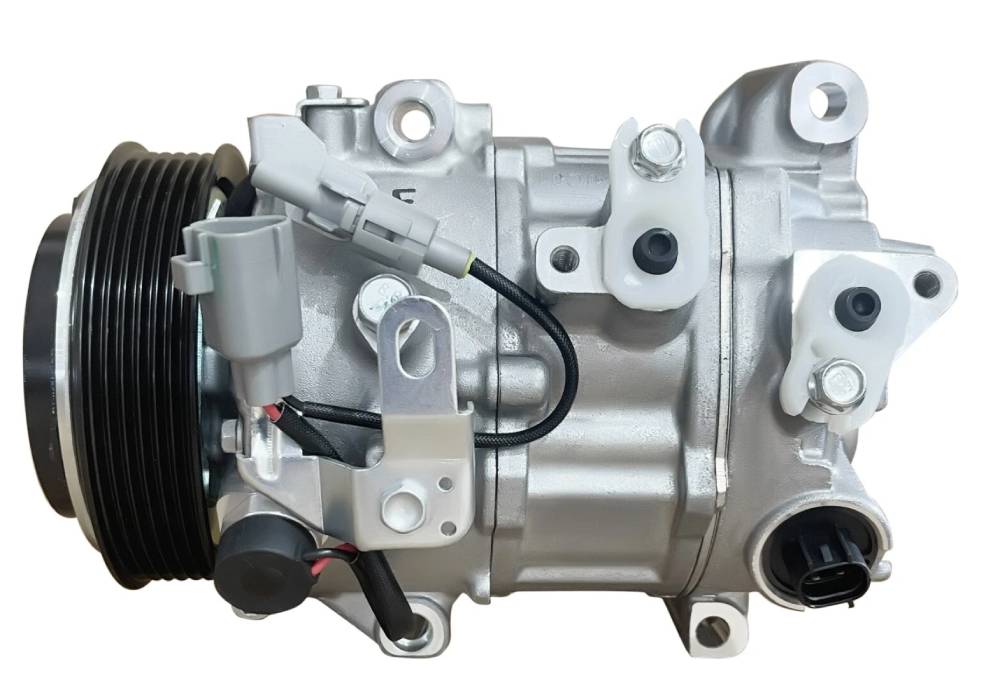
The AC compressor is often referred to as the heart of your Toyota Highlander’s air conditioning system. Its primary function is to compress and circulate refrigerant throughout the system, allowing heat to be removed from the cabin and replaced with cool air. Without a properly functioning compressor, the entire air conditioning system becomes ineffective.
When you switch on the air conditioner, the compressor pressurizes the refrigerant and sends it through the condenser, expansion valve, and evaporator. This process enables the refrigerant to absorb heat from inside the vehicle and release it outside. The result is the cool, comfortable airflow drivers and passengers expect during hot weather.
Because the compressor operates under significant pressure and works alongside multiple components, it is subject to wear and tear over time. Internal mechanical failures, contaminated refrigerant, electrical issues, or lack of lubrication can all contribute to compressor failure. When this happens, the system may lose its ability to cool efficiently or stop functioning altogether.
Since the compressor is connected to several other air conditioning components, a failure can sometimes lead to additional repairs. For this reason, diagnosing problems early can help prevent more extensive and costly damage to the AC system.
Signs Your Toyota Highlander Needs an AC Compressor Replacement
A failing AC compressor rarely stops working without warning. In most cases, your Toyota Highlander will exhibit several symptoms before the compressor completely fails. Recognizing these signs early can help you address the issue before it leads to more expensive repairs.
One of the most common indicators is warm air coming from the vents even when the air conditioning is set to the coldest temperature. This often occurs because the compressor is no longer able to properly circulate refrigerant through the system.
Another warning sign is unusual noises when the AC is running. Grinding, rattling, squealing, or clicking sounds may indicate worn internal bearings, damaged components, or a failing compressor clutch. These noises should never be ignored, as continued operation can worsen the damage.
Visible refrigerant leaks around the compressor are another common symptom. Refrigerant leaks reduce cooling performance and can place additional strain on the compressor, accelerating its failure.
Drivers may also notice intermittent cooling, where the air conditioner works normally one moment and blows warm air the next. This inconsistency often points to internal compressor wear or electrical issues affecting compressor operation.
In severe cases, the compressor clutch may fail to engage altogether. When this happens, the AC system cannot begin the cooling cycle, resulting in little to no cold air from the vents.
Toyota Highlander AC Compressor Replacement Cost Overview
The total cost of replacing an AC compressor in a Toyota Highlander depends on several factors, including the vehicle’s model year, the quality of replacement parts, labor rates, and whether additional components require replacement.
For most Toyota Highlander models, the average AC compressor replacement cost typically ranges between $700 and $2,200. The compressor itself often represents the largest portion of the bill. Aftermarket compressors generally cost between $250 and $600, while OEM compressors can range from $600 to $1,200 or more.
Labor costs are another significant expense. Replacing an AC compressor is a labor-intensive job that usually requires evacuating the refrigerant, removing related components, installing the new compressor, and recharging the air conditioning system. Depending on local labor rates and vehicle complexity, labor expenses commonly range from $300 to $700.
Additional services may also affect the final invoice. Refrigerant recharge services typically add $100 to $300, while replacement of related components such as the receiver drier, expansion valve, or condenser can increase costs even further.
Although the repair can seem expensive, replacing a failing compressor promptly often prevents damage to other air conditioning components. Delaying repairs may lead to contamination throughout the system, resulting in significantly higher repair costs in the future.
Toyota Highlander AC Compressor Replacement Cost by Model Year
The cost of replacing an AC compressor in a Toyota Highlander can vary considerably depending on the model year. Newer vehicles often feature more advanced climate control systems and tighter engine bay layouts, which can increase both parts and labor costs.
Owners of first-generation Toyota Highlander models produced between 2001 and 2007 can generally expect replacement costs ranging from $700 to $1,300. Parts for these vehicles are widely available, and labor requirements are often less complex compared to newer generations.
For 2008 to 2013 Highlander models, replacement costs typically range from $900 to $1,600. These vehicles may require additional system inspections and component replacements, especially if the air conditioning system has experienced years of wear.
Drivers of 2014 to 2019 Highlander models frequently encounter repair costs between $1,000 and $1,900. The higher price is largely attributed to more sophisticated AC systems and the increased cost of replacement compressors.
For 2020 and newer Toyota Highlander models, AC compressor replacement can cost anywhere from $1,300 to $2,200 or more. Advanced climate control technology, higher OEM parts pricing, and increased labor complexity contribute to the higher repair bill.
While these estimates provide a useful benchmark, actual costs may differ depending on local labor rates, parts availability, and whether additional repairs are necessary. Obtaining multiple quotes remains one of the most effective ways to ensure a fair price.
Labor Costs for Toyota Highlander AC Compressor Replacement
Labor expenses account for a significant portion of the total AC compressor replacement cost. Although the compressor itself may be expensive, the installation process requires specialized equipment and technical expertise.
Most Toyota Highlander AC compressor replacements require between three and six labor hours. The exact time depends on the model year, drivetrain configuration, and accessibility of the compressor within the engine compartment.
At a Toyota dealership, labor rates often range from $150 to $250 per hour. As a result, labor charges alone may reach $450 to $1,200 in some regions. Dealerships typically use genuine OEM parts and factory-trained technicians, which can provide additional peace of mind but often comes at a premium price.
Independent repair shops usually offer more competitive labor rates, often ranging from $90 to $180 per hour. Many experienced independent mechanics are fully capable of performing AC compressor replacements while delivering substantial savings compared to dealership pricing.
Mobile mechanics have also become increasingly popular in some areas. Depending on the complexity of the repair and local availability, mobile services may offer lower overhead costs and more convenient scheduling. However, it is important to verify that the technician has the equipment necessary to properly evacuate and recharge the refrigerant system.
When comparing estimates, vehicle owners should look beyond the total price and review exactly what services are included. Some quotes cover refrigerant recharge, system flushing, and warranty protection, while others may charge separately for these items.
OEM vs Aftermarket AC Compressor Costs
One of the most important decisions during an AC compressor replacement is choosing between an OEM compressor and an aftermarket alternative. The choice can significantly impact both upfront costs and long-term reliability.
OEM compressors are manufactured by the original supplier approved by Toyota. These units are designed to match factory specifications and provide a direct fit. In many cases, OEM compressors deliver excellent durability and consistent performance. The primary disadvantage is cost, as OEM parts often range from $600 to $1,200 or more depending on the model year.
Aftermarket compressors are produced by third-party manufacturers and are generally more affordable. Prices typically range from $250 to $600, making them an attractive option for budget-conscious vehicle owners. Many reputable aftermarket brands offer reliable products that perform well when properly installed.
The quality of aftermarket compressors can vary considerably between manufacturers. Some premium aftermarket options rival OEM performance, while lower-quality units may have shorter service lives or inconsistent reliability. Researching brand reputation and warranty coverage is essential before making a purchase.
For owners planning to keep their Toyota Highlander for many years, an OEM compressor may provide greater confidence and long-term value. Drivers looking to reduce immediate repair expenses may find that a high-quality aftermarket compressor offers an excellent balance between affordability and performance.
Ultimately, the best choice depends on your budget, vehicle age, future ownership plans, and overall repair goals. A trusted mechanic can often provide valuable guidance based on the specific condition of your vehicle and the available replacement options.
Additional Repairs That May Increase the Total Cost
Many Toyota Highlander owners are surprised to discover that replacing the AC compressor is not always the only repair required. In some cases, a failed compressor can contaminate the entire air conditioning system with metal debris and damaged refrigerant oil, creating problems that extend beyond the compressor itself.
One of the most commonly replaced components is the receiver drier. This part is responsible for removing moisture and contaminants from the refrigerant. Because exposure to debris can reduce its effectiveness, many technicians recommend replacing the receiver drier whenever a compressor is replaced. The additional cost typically ranges from $50 to $300 depending on the vehicle and parts selected.
The expansion valve may also require replacement. This component regulates refrigerant flow throughout the system and can become clogged by debris generated from a failing compressor. Replacement costs generally range from $100 to $400, including parts and labor.
In more severe cases, the condenser may need replacement. Metal particles from a damaged compressor can become trapped inside the condenser, making it difficult to properly clean. A new condenser can add anywhere from $300 to $1,000 or more to the total repair bill.
Every compressor replacement also requires refrigerant evacuation and recharge. Depending on refrigerant type, labor rates, and local pricing, this service typically costs between $100 and $300.
Some repair shops may recommend a complete AC system flush to remove contaminants and protect the new compressor. While this adds to the upfront expense, it can significantly reduce the risk of premature compressor failure and help maximize the lifespan of the new component.
Is It Worth Replacing the AC Compressor on a Toyota Highlander?
Whether replacing a failed AC compressor is worthwhile depends on several factors, including the age of the vehicle, its overall condition, and the expected repair cost.
For newer Toyota Highlander models with relatively low mileage, replacing the compressor is often a practical investment. These vehicles typically retain strong market value, and restoring proper air conditioning performance can improve comfort, resale value, and overall driving satisfaction.
Even for mid-age Highlanders, compressor replacement is frequently less expensive than purchasing another vehicle. If the engine, transmission, and other major systems remain in good condition, repairing the air conditioning system may extend the vehicle’s useful life by several years.
The decision becomes more complicated for older Highlanders with high mileage and multiple existing problems. If the vehicle requires substantial additional repairs beyond the AC system, owners may need to evaluate whether the total investment makes financial sense.
Climate also plays an important role. Drivers living in regions with extremely hot summers often consider air conditioning a necessity rather than a luxury. In these situations, restoring cooling performance can significantly improve daily comfort and driving safety.
Before making a final decision, it is wise to compare the repair estimate against the vehicle’s current market value and expected future maintenance needs. A trusted mechanic can help determine whether compressor replacement represents the most cost-effective solution.
How to Save Money on Toyota Highlander AC Compressor Replacement
Although AC compressor replacement can be expensive, there are several strategies that can help reduce the overall cost without sacrificing quality.
One of the most effective approaches is obtaining estimates from multiple repair facilities. Labor rates can vary dramatically between dealerships, independent shops, and mobile mechanics. Comparing several quotes often reveals substantial pricing differences for the same repair.
Choosing a reputable aftermarket compressor instead of an OEM unit can also reduce expenses. High-quality aftermarket compressors often deliver reliable performance while costing significantly less than factory-original parts. However, it is important to avoid extremely cheap components that may compromise reliability.
Vehicle owners should also ask about bundled repairs. If related components such as the receiver drier or expansion valve need replacement, performing all necessary work during the same service visit can reduce labor duplication and lower total costs.
Warranty coverage should never be overlooked. Some extended vehicle warranties may cover portions of the air conditioning system. Even if factory warranty coverage has expired, certain aftermarket protection plans may help offset repair expenses.
Scheduling repairs before complete compressor failure can also save money. Addressing symptoms early may prevent contamination from spreading throughout the system, reducing the likelihood of additional component replacements.
Finally, maintaining the air conditioning system through regular inspections and periodic operation throughout the year can help identify minor issues before they become major repairs. Preventive maintenance often costs far less than emergency repairs and can contribute to longer compressor life.
Frequently Asked Questions
How Much Does It Cost to Replace an AC Compressor in a Toyota Highlander?
The average Toyota Highlander AC compressor replacement cost typically falls between $700 and $2,200. The final price depends on factors such as model year, labor rates, geographic location, and whether you choose an OEM or aftermarket compressor. Newer Highlander models generally cost more to repair due to higher parts prices and increased labor complexity.
How Long Does It Take to Replace an AC Compressor?
Most AC compressor replacements require between three and six hours of labor. However, the total repair time may be longer if additional components need replacement or if the repair shop must order specific parts. Many repair facilities can complete the job within a single day once all necessary components are available.
Can I Drive My Toyota Highlander With a Bad AC Compressor?
In some cases, you may still be able to drive the vehicle with a failing AC compressor. However, doing so is not always recommended. A damaged compressor can place additional strain on related components and may eventually lead to more extensive air conditioning system damage. If the compressor clutch seizes, it could also affect belt operation and create additional mechanical problems.
What Causes an AC Compressor to Fail?
Several factors can contribute to compressor failure. Common causes include normal wear and tear, refrigerant leaks, contaminated refrigerant, insufficient lubrication, electrical issues, and excessive system pressure. Lack of routine maintenance can also shorten compressor lifespan.
Should I Choose an OEM or Aftermarket Compressor?
Both options can be suitable depending on your budget and long-term plans. OEM compressors offer factory-level fitment, reliability, and warranty support, while high-quality aftermarket compressors can provide substantial cost savings. The key is selecting a reputable brand with strong customer reviews and warranty protection.
How Long Does a Toyota Highlander AC Compressor Last?
Under normal operating conditions, an AC compressor can last anywhere from 8 to 12 years or approximately 100,000 to 150,000 miles. Proper maintenance, regular system inspections, and prompt attention to refrigerant leaks can help extend compressor life.
Does Insurance Cover AC Compressor Replacement?
Standard auto insurance policies generally do not cover AC compressor replacement because compressor failure is considered a mechanical issue rather than damage caused by an accident. However, certain extended warranties or vehicle service contracts may provide coverage depending on the terms of the agreement.
Conclusion
Understanding the Toyota Highlander AC compressor replacement cost is essential before committing to this significant repair. While the average replacement cost typically ranges from $700 to $2,200, the final price can vary based on your vehicle’s model year, local labor rates, compressor type, and whether additional air conditioning components require replacement.
Although replacing an AC compressor may seem expensive, delaying repairs can often lead to even greater costs. A failing compressor can contaminate other parts of the air conditioning system, increasing both repair complexity and overall expense. Addressing the problem early is usually the most cost-effective approach.
Vehicle owners should take the time to compare multiple repair estimates, evaluate OEM and aftermarket options, and understand exactly what services are included in each quote. A lower estimate is not always the best value if it excludes important procedures such as system flushing, refrigerant recharge, or warranty coverage.
By researching your options and working with a reputable repair professional, you can make an informed decision that balances cost, reliability, and long-term performance. Whether you drive an older Highlander or a newer model, investing in a properly functioning air conditioning system helps maintain comfort, preserve vehicle value, and ensure a more enjoyable driving experience for years to come.