If you’re considering buying a Toyota equipped with a Continuously Variable Transmission (CVT), or you already own one, you’ve probably asked the same question thousands of drivers search for every year: How long does a Toyota CVT transmission really last?
The concern is understandable. Transmission repairs are among the most expensive vehicle repairs, and CVTs have developed a mixed reputation across the automotive industry. While some manufacturers have struggled with reliability issues, Toyota has earned a reputation for producing some of the most durable and dependable CVT systems on the market.
So, what can owners realistically expect? Is a Toyota CVT capable of reaching 200,000 miles? Can it surpass 300,000 miles with proper maintenance? Or is transmission failure inevitable once the odometer starts climbing?
The answer depends on several factors, including maintenance habits, driving conditions, fluid quality, and the specific Toyota model you own. The good news is that many Toyota CVTs routinely exceed 150,000 to 250,000 miles, and some high-mileage owners report reaching well beyond that milestone without major transmission repairs.
In this guide, we’ll explore the average Toyota CVT transmission life expectancy, the factors that influence longevity, common warning signs of wear, and practical maintenance tips that can help maximize the lifespan of your transmission while avoiding costly repairs.
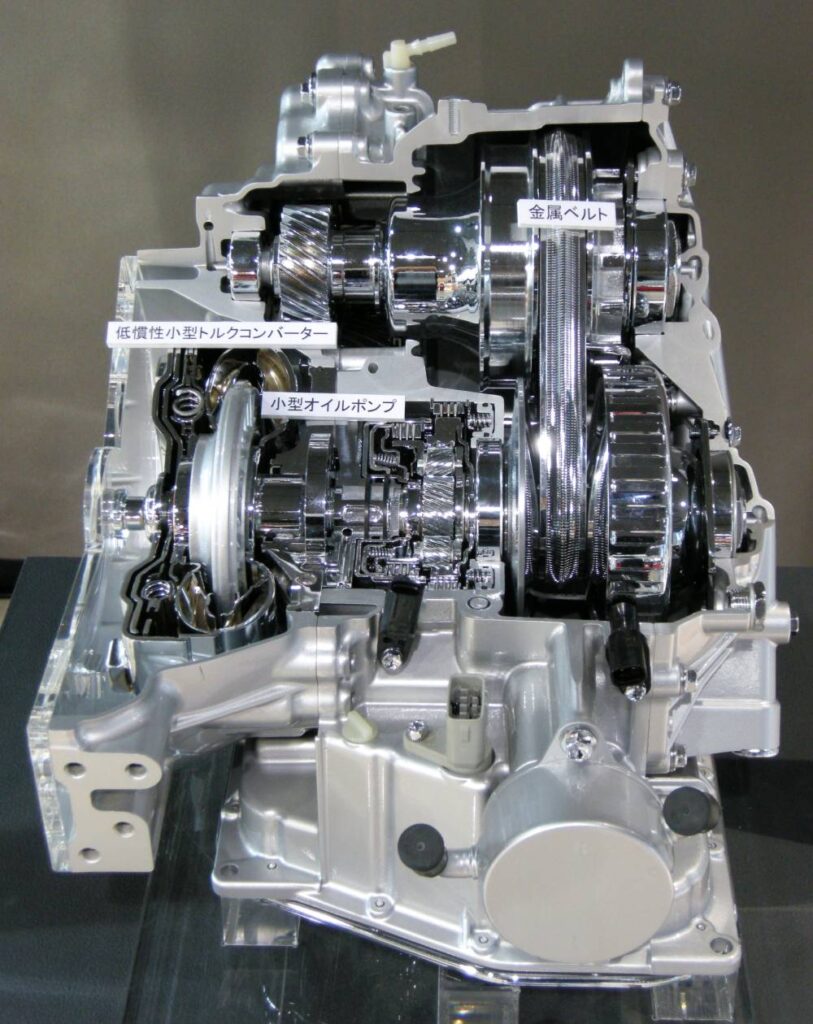
What Is a Toyota CVT Transmission?
Before discussing Toyota CVT transmission life expectancy, it is important to understand how this type of transmission works and why it differs from a traditional automatic transmission.
A Continuously Variable Transmission, commonly known as a CVT, operates without the fixed gear ratios found in conventional automatic transmissions. Instead, it uses a system of pulleys and a steel belt or chain to provide an almost unlimited range of gear ratios. This design allows the engine to operate at its most efficient speed under varying driving conditions.
The primary advantage of a CVT is improved fuel economy. Because the transmission can continuously adjust its ratio, the engine does not need to work as hard during acceleration or cruising. Drivers often notice smoother acceleration and better fuel efficiency compared to traditional automatic transmissions.
Toyota has invested heavily in refining its CVT technology over the years. Unlike some competitors that experienced widespread reliability concerns, Toyota focused on durability and long term performance. One of the company’s most significant innovations is the Direct Shift CVT, introduced in several newer models such as the Corolla and Corolla Cross.
The Direct Shift CVT incorporates a physical first gear for initial acceleration before transitioning to the pulley system. This design reduces stress on the belt, improves launch performance, and helps minimize wear during one of the most demanding phases of driving. As a result, Toyota’s modern CVTs have earned a reputation for being among the most reliable continuously variable transmissions available today.
Understanding how Toyota’s CVT system functions provides valuable context for evaluating its expected lifespan and maintenance requirements.
Toyota CVT Transmission Life Expectancy
One of the most common questions among Toyota owners is how many miles a CVT transmission can realistically last. While there is no universal answer, real world data suggests that Toyota CVTs are capable of delivering impressive longevity when properly maintained.
For most drivers, a Toyota CVT transmission can be expected to last between 150,000 and 250,000 miles. Vehicles that receive regular maintenance, particularly timely CVT fluid changes, often remain reliable well beyond these figures. In some cases, owners have reported surpassing 300,000 miles without requiring a major transmission overhaul.
Driving conditions play a significant role in determining actual lifespan. Vehicles that spend most of their time on highways generally experience less transmission stress than those used primarily in stop and go city traffic. Constant acceleration and deceleration create additional heat and wear, which can gradually reduce transmission longevity.
Climate is another important factor. Excessive heat accelerates fluid degradation, while extremely cold temperatures can temporarily reduce lubrication effectiveness during startup. Drivers who frequently encounter severe weather conditions should pay even closer attention to maintenance schedules.
The specific Toyota model also influences durability. Models equipped with Toyota’s newer Direct Shift CVT technology tend to benefit from reduced belt stress during initial acceleration, potentially extending service life even further.
Ultimately, Toyota CVT transmission life expectancy depends less on luck and more on ownership habits. Routine inspections, fluid maintenance, and responsible driving practices can make the difference between a transmission that fails prematurely and one that remains dependable for hundreds of thousands of miles.
Factors That Affect Toyota CVT Lifespan
Although Toyota CVTs are widely recognized for their reliability, several factors can significantly influence how long they remain in good working condition.
Maintenance is by far the most important factor. Many drivers mistakenly believe transmission fluid never needs to be replaced because some manufacturers refer to it as “lifetime fluid.” In reality, transmission fluid gradually breaks down due to heat, friction, and contamination. Fresh fluid helps maintain proper lubrication, cooling, and hydraulic performance throughout the transmission system.
Driving habits also have a major impact on longevity. Aggressive acceleration, sudden braking, and repeated hard launches place additional stress on internal components. Over time, these habits can accelerate wear on the belt, pulleys, and other critical parts. Drivers who accelerate smoothly and maintain steady speeds generally experience less transmission wear.
Vehicle loading is another consideration. Although many Toyota models are not designed for heavy towing, some owners regularly haul trailers or carry substantial cargo. Excessive weight increases heat generation within the transmission and can shorten component lifespan if done frequently.
Environmental conditions should not be overlooked. High temperatures can cause fluid to deteriorate more quickly, while dusty environments may contribute to contamination if maintenance intervals are ignored. Urban driving environments often expose transmissions to greater stress than open highway travel due to constant speed changes.
Finally, using the correct Toyota approved CVT fluid is essential. Generic fluids may not provide the precise friction characteristics required for optimal operation. Even a small compromise in fluid quality can contribute to increased wear over the long term.
By understanding and controlling these factors, owners can dramatically improve Toyota CVT transmission life expectancy and reduce the risk of costly repairs later in the vehicle’s life.
Common Toyota CVT Transmission Problems
Although Toyota CVTs are generally considered among the most reliable in the industry, no transmission is completely immune to wear and potential issues. Understanding the most common problems can help owners identify concerns early and avoid expensive repairs.
One of the most frequently reported issues is transmission shuddering during acceleration. Drivers may notice a slight vibration or shaking sensation when pulling away from a stop or increasing speed. In many cases, this symptom is related to degraded transmission fluid, software calibration issues, or wear within the pulley system. Addressing the problem early often prevents further damage.
Another common complaint involves delayed throttle response. The vehicle may hesitate momentarily before accelerating, especially when merging onto highways or climbing hills. While some delay is normal in certain CVT designs, excessive hesitation can indicate internal wear, fluid deterioration, or electronic control problems.
Unusual noises should never be ignored. A healthy Toyota CVT typically operates quietly. Whining, humming, grinding, or metallic sounds may suggest excessive wear on internal components. These noises often become more noticeable during acceleration and may worsen over time if left unaddressed.
Overheating can also affect CVT performance. Excessive heat accelerates fluid breakdown and increases wear on critical components. Drivers who frequently operate in heavy traffic, mountainous terrain, or hot climates should pay particular attention to maintenance and cooling system health.
While these issues do not necessarily indicate imminent transmission failure, they serve as important warning signs that professional inspection may be required. Early diagnosis often results in significantly lower repair costs and a longer transmission lifespan.
Signs Your Toyota CVT May Be Nearing Failure
Recognizing the warning signs of a failing CVT transmission can save owners thousands of dollars in repair costs. Many transmission failures develop gradually, providing noticeable symptoms long before complete breakdown occurs.
One of the earliest indicators is the appearance of transmission-related warning lights on the dashboard. Modern Toyota vehicles continuously monitor transmission performance through electronic sensors. If abnormal temperatures, pressure irregularities, or operational faults are detected, warning lights may illuminate and should never be ignored.
A burning smell is another serious symptom. Transmission fluid plays a vital role in lubrication and cooling. When fluid overheats, it can produce a distinct burnt odor. Persistent overheating can damage internal components and significantly shorten transmission life.
Fluid leaks are also cause for concern. CVT systems rely on maintaining precise fluid levels. Even a small leak can gradually reduce lubrication effectiveness and increase internal friction. Owners should periodically inspect parking areas for signs of fluid accumulation beneath the vehicle.
A sudden decrease in fuel economy may indicate that the transmission is no longer operating efficiently. When internal components experience excessive wear, the transmission may struggle to maintain optimal gear ratios, causing the engine to work harder and consume more fuel.
Loss of power during acceleration is among the most concerning symptoms. If the engine revs normally but vehicle speed does not increase proportionally, internal transmission wear may be affecting power transfer. This issue often requires immediate professional evaluation.
When any of these warning signs appear, delaying repairs can lead to more extensive damage. Prompt attention not only improves safety but can also prevent minor issues from becoming major transmission failures.
How to Extend Toyota CVT Transmission Life
The good news for Toyota owners is that many transmission problems can be prevented through proper maintenance and responsible driving habits. Extending the lifespan of a Toyota CVT often requires only a modest investment of time and attention.
Regular transmission fluid service is one of the most effective ways to maximize longevity. While maintenance recommendations vary by model and driving conditions, many automotive experts suggest inspecting fluid condition regularly and replacing it at appropriate intervals, particularly under severe operating conditions. Fresh fluid helps maintain proper lubrication, cooling, and hydraulic performance.
Smooth driving habits can significantly reduce transmission wear. Gradual acceleration places less stress on the belt and pulley system than aggressive launches. Maintaining consistent speeds whenever possible also helps reduce unnecessary strain on internal components.
Drivers should avoid overloading their vehicles beyond manufacturer recommendations. Carrying excessive cargo or towing loads that exceed rated capacities generates additional heat within the transmission. Over time, this increased stress can accelerate wear and shorten service life.
Routine vehicle inspections provide another layer of protection. Checking for leaks, monitoring unusual noises, and paying attention to changes in driving behavior allow owners to identify problems before they become severe. Small issues are often far less expensive to address than major transmission failures.
Using genuine Toyota-approved CVT fluid is equally important. These fluids are specifically engineered to meet the operational requirements of Toyota transmission systems. Using incorrect fluid may compromise performance and increase long-term wear.
When combined, these preventive measures can dramatically improve Toyota CVT transmission life expectancy. Many high-mileage owners who exceed 250,000 miles attribute their success to consistent maintenance and proactive care rather than extraordinary luck.
Toyota CVT vs Competitor CVTs
When discussing Toyota CVT transmission life expectancy, it is helpful to compare Toyota’s technology with competing CVT systems. While every manufacturer has made improvements over the years, Toyota consistently ranks among the most trusted brands for long term transmission reliability.
Toyota and Nissan are often compared because both manufacturers have widely adopted CVT technology. Historically, Nissan’s CVTs faced significant criticism due to premature failures reported by some owners, particularly in older models. These issues contributed to a negative perception of CVT transmissions in general. Toyota, however, took a more conservative approach to development and focused heavily on durability testing before widespread implementation. As a result, Toyota CVTs have generally experienced fewer reliability complaints and have built a stronger reputation among mechanics and long term owners.
Honda also offers highly regarded CVT systems, particularly in models such as the Civic and Accord. Both Toyota and Honda are considered leaders in CVT reliability, and the difference between them is often minimal. However, Toyota’s Direct Shift CVT has attracted attention for incorporating a physical launch gear, which reduces stress on the transmission belt during acceleration. This innovation may contribute to improved durability over the long term.
Another advantage of Toyota’s CVT systems is their relatively predictable maintenance profile. When serviced properly, many Toyota owners experience years of trouble free operation with few unexpected repairs. This reliability is one reason Toyota vehicles continue to achieve strong resale values in both new and used vehicle markets.
For buyers concerned about long term ownership costs, Toyota remains one of the safest choices when selecting a vehicle equipped with a continuously variable transmission.
What Happens If a Toyota CVT Fails?
Although Toyota CVT failures are less common than many drivers assume, understanding the potential consequences can help owners prepare for repair decisions should problems arise.
In some situations, transmission issues can be resolved through relatively minor repairs. Software updates, fluid replacement services, sensor replacements, or valve body repairs may restore normal operation if problems are detected early. These repairs are typically far less expensive than replacing the entire transmission.
However, severe internal damage often requires a more extensive solution. Worn pulleys, damaged belts, excessive metal contamination, or internal bearing failures can compromise the transmission’s ability to transfer power effectively. In such cases, rebuilding or replacing the transmission may become necessary.
Repair costs vary depending on the model, location, labor rates, and extent of damage. Minor repairs may cost a few hundred dollars, while major transmission work can reach several thousand dollars. Complete replacement is generally the most expensive option and is often considered only when rebuilding is not practical or cost effective.
The financial impact highlights the importance of preventive maintenance. A routine fluid service costs only a fraction of what owners might spend on major transmission repairs. Ignoring warning signs such as unusual noises, slipping, overheating, or delayed acceleration can allow minor issues to escalate into costly failures.
Fortunately, many Toyota CVTs never require major repairs during the vehicle’s lifetime. Owners who follow maintenance recommendations and address concerns promptly often enjoy hundreds of thousands of miles of dependable service before significant transmission work becomes necessary.
Frequently Asked Questions
How long does a Toyota CVT transmission last?
Most Toyota CVT transmissions can last between 150,000 and 250,000 miles under normal driving conditions. With proper maintenance and careful driving habits, some owners report exceeding 300,000 miles without major transmission repairs.
Can a Toyota CVT transmission reach 300,000 miles?
Yes. While not every vehicle will achieve this milestone, numerous high mileage Toyota owners have demonstrated that a properly maintained CVT can remain operational beyond 300,000 miles. Consistent fluid maintenance and prompt attention to warning signs play a major role in achieving exceptional longevity.
Should Toyota CVT fluid be changed?
Many automotive professionals recommend periodic CVT fluid replacement, especially for vehicles operating under severe conditions such as heavy traffic, extreme temperatures, or frequent long distance driving. Fresh fluid helps preserve lubrication and cooling performance throughout the transmission.
Which Toyota models have the most reliable CVTs?
Models equipped with Toyota’s newer Direct Shift CVT technology, including recent Corolla and Corolla Cross variants, are widely recognized for their strong reliability. Toyota’s continued refinement of CVT design has contributed to excellent long term durability across much of its lineup.
Is Toyota CVT more reliable than Nissan CVT?
While reliability can vary by model and year, Toyota CVTs generally enjoy a stronger reputation for durability and long term dependability. Toyota’s emphasis on conservative engineering and continuous improvement has helped its CVT systems earn greater consumer confidence.
What is the biggest threat to Toyota CVT longevity?
Neglected maintenance is often the most significant risk factor. Old transmission fluid, overheating, fluid leaks, and ignoring early warning signs can all shorten transmission life and increase the likelihood of costly repairs.
Conclusion
Toyota has spent decades building a reputation for reliability, and its CVT transmissions are no exception. While no transmission is designed to last forever, the evidence suggests that Toyota CVTs are among the most durable continuously variable transmissions available in today’s automotive market.
For most owners, a realistic Toyota CVT transmission life expectancy falls between 150,000 and 250,000 miles. In many cases, proper maintenance, responsible driving habits, and timely inspections can extend that lifespan even further. Some well maintained vehicles have surpassed 300,000 miles while continuing to deliver smooth and efficient performance.
The key takeaway is that transmission longevity is largely influenced by owner behavior. Regular fluid service, attention to warning signs, and avoiding excessive stress on the vehicle can significantly reduce the risk of premature failure. Small maintenance expenses today can help prevent major repair bills in the future.
If you currently own a Toyota with a CVT, or are considering purchasing one, there is good reason to feel confident about its long term durability. Toyota’s commitment to engineering excellence and continuous improvement has made its CVT systems a reliable choice for drivers seeking efficiency, comfort, and dependable performance for many years.
Have you reached a high mileage milestone with your Toyota CVT? Share your experience and maintenance routine in the comments. Your insights may help other owners maximize the lifespan of their own vehicles.