Few things are more frustrating for a Toyota Corolla owner than discovering dark oil spots on the driveway or garage floor. The Toyota Corolla has earned a reputation as one of the most reliable vehicles ever built, with many models easily exceeding 200,000 miles when properly maintained. However, even the most dependable cars are not immune to wear and tear, and oil leaks are among the most common issues that can develop as a vehicle ages.
At first glance, a small oil leak may not seem like a serious problem. Many drivers continue using their vehicles without noticing any immediate changes in performance. Unfortunately, what starts as a minor leak can gradually lead to low engine oil levels, increased engine wear, reduced fuel efficiency, and in severe cases, catastrophic engine damage. Ignoring the warning signs often results in significantly higher repair costs down the road.
One of the biggest challenges for Corolla owners is identifying the source of the leak. Oil can travel across engine components before dripping onto the ground, making it difficult to determine exactly where the problem originates. Common culprits include worn valve cover gaskets, damaged oil pan gaskets, failing crankshaft seals, and leaking timing covers.
In this guide, you’ll learn the most common causes of Toyota Corolla oil leaks, the warning signs you should never ignore, and the most effective repair solutions. Whether you’re dealing with a small oil seepage issue or a noticeable leak, understanding the root cause can help you protect your engine, avoid expensive repairs, and keep your Corolla running reliably for years to come.
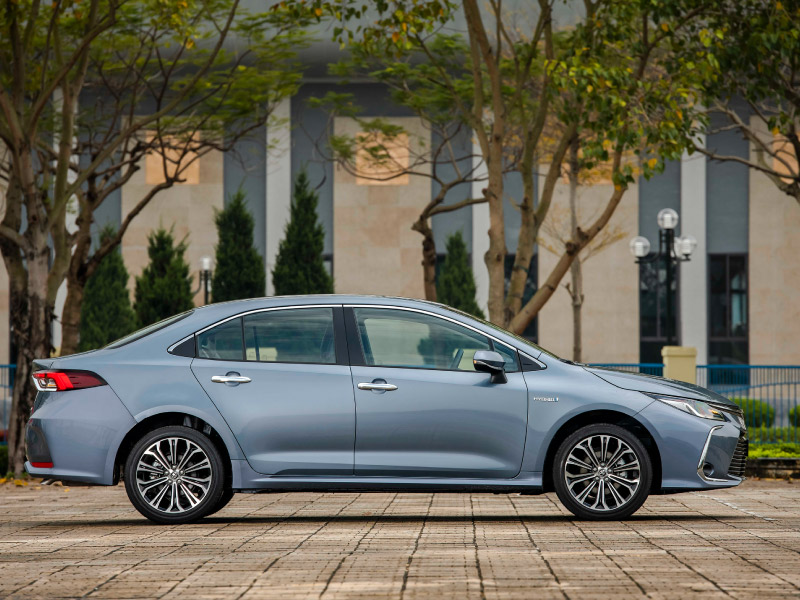
Why Is My Toyota Corolla Leaking Oil?
Engine oil plays a critical role in keeping your Toyota Corolla running smoothly. It lubricates moving engine components, reduces friction, dissipates heat, and helps prevent premature wear. To perform these functions effectively, the oil must remain sealed within the engine’s lubrication system. When a seal, gasket, or engine component begins to fail, oil can escape and create leaks.
Several factors contribute to oil leaks in a Toyota Corolla. Age is one of the most common causes. Over time, rubber seals and gaskets are exposed to constant heat cycles, pressure changes, and contaminants. These conditions gradually cause the materials to harden, crack, or shrink, allowing oil to seep through small openings.
High mileage is another significant factor. Vehicles with over 100,000 miles often experience natural wear on gaskets and seals. Additionally, neglected maintenance can accelerate deterioration. Infrequent oil changes may lead to sludge buildup, which increases pressure within the engine and places additional stress on sealing components.
It is also important to distinguish between oil seepage and an active oil leak. Oil seepage usually appears as a light film of oil around a gasket or seal and may not drip onto the ground. An active leak, however, results in visible oil drops, puddles, or significant oil loss. While seepage may not require immediate repair, it should be monitored closely because it can develop into a larger problem over time.
Understanding why your Toyota Corolla is leaking oil is the first step toward identifying the source and preventing more serious engine issues in the future.
Common Signs of an Oil Leak in a Toyota Corolla
Recognizing the early signs of an oil leak can save you from expensive repairs and potential engine damage. Many oil leaks begin as small problems that produce subtle symptoms before becoming severe enough to affect vehicle performance.
One of the most obvious indicators is finding oil spots underneath your vehicle after it has been parked. Fresh engine oil is typically amber or dark brown in color and may appear directly beneath the engine compartment. If these spots become larger over time, the leak may be worsening.
A burning oil smell is another common symptom. When leaking oil comes into contact with hot engine components or the exhaust manifold, it can produce a distinctive odor that is often noticeable inside or outside the vehicle.
In more advanced cases, you may see smoke coming from the engine bay. This usually occurs when oil drips onto extremely hot surfaces and begins to burn. While the smoke may appear minor at first, it should never be ignored.
Frequent drops in oil level are also a warning sign. If you find yourself adding oil between scheduled oil changes, an undetected leak may be responsible. Modern Toyota Corolla models may also illuminate a low oil level or oil pressure warning light when oil loss becomes significant.
Another clue is the presence of oily residue around engine components. During routine maintenance, inspect the valve cover area, oil pan, and surrounding surfaces for signs of accumulated oil and dirt. This buildup often indicates a slow but persistent leak.
Detecting these symptoms early allows owners to address the issue before it escalates into a costly repair.
Valve Cover Gasket Leak
One of the most common causes of oil leaks in a Toyota Corolla is a failing valve cover gasket. This gasket is located between the valve cover and the cylinder head, creating a seal that prevents oil from escaping the top portion of the engine.
The valve cover gasket is typically made from rubber or a rubber composite material. After years of exposure to engine heat and vibration, the gasket can become brittle, shrink, or crack. Once the seal deteriorates, engine oil begins to seep through the gaps and leak onto surrounding components.
Several symptoms may indicate a valve cover gasket leak. Drivers often notice oil accumulating around the top of the engine. A burning oil smell is also common because leaking oil can drip onto hot exhaust components. In some cases, oil may contaminate spark plug wells, potentially causing misfires and reduced engine performance.
Fortunately, repairing a valve cover gasket leak is usually straightforward compared to other engine oil leak repairs. The damaged gasket is removed, the mating surfaces are thoroughly cleaned, and a new gasket is installed according to manufacturer specifications. During the repair process, it is also advisable to inspect the PCV system because excessive crankcase pressure can contribute to gasket failure.
Although many drivers postpone this repair because the vehicle continues to operate normally, doing so can create additional problems. Oil contamination can damage ignition components, increase fire risks, and lead to larger leaks over time. Addressing a valve cover gasket leak early is often one of the most cost effective ways to protect your Toyota Corolla’s engine and maintain long term reliability.
Oil Pan Gasket Leak
The oil pan is mounted at the bottom of the engine and serves as the reservoir that stores engine oil when it is not actively circulating through the lubrication system. Between the oil pan and the engine block is a gasket designed to create a leak proof seal. As the vehicle ages, this gasket can deteriorate and become a source of oil leakage.
Several factors can contribute to an oil pan gasket leak. Continuous exposure to heat causes gasket materials to lose flexibility over time. Road vibrations, harsh driving conditions, and accidental impacts from debris can also weaken the seal. In some cases, improper installation during previous repairs may result in premature gasket failure.
The most noticeable symptom of an oil pan gasket leak is oil collecting on the underside of the engine and dripping onto the ground. Owners often discover fresh oil spots beneath the center of the vehicle after parking overnight. Depending on the severity of the leak, oil levels may gradually decrease between scheduled maintenance intervals.
Diagnosing an oil pan gasket leak can sometimes be challenging because oil from higher engine components may flow downward and accumulate around the oil pan. Thorough cleaning and inspection are often necessary to confirm the source of the leak.
Repairing the issue generally involves draining the engine oil, removing the oil pan, cleaning the mating surfaces, and installing a new gasket. Proper bolt torque is essential because overtightening can damage the gasket while undertightening may allow leaks to persist. Once completed, the repair restores the integrity of the lubrication system and helps prevent future oil loss.
Timing Cover Leak
A timing cover leak is another common source of engine oil loss in Toyota Corolla models, particularly those with higher mileage. The timing cover protects critical timing components located at the front of the engine, including the timing chain and related mechanisms. A specialized gasket or sealant is used to prevent oil from escaping from this area.
Over time, the sealant or gasket material can deteriorate due to constant exposure to heat, oil, and engine vibrations. As the sealing material weakens, oil begins to seep through small openings and eventually develops into a noticeable leak.
One of the primary indicators of a timing cover leak is oil accumulation around the front portion of the engine. Drivers may notice oil residue near the crankshaft pulley, lower engine components, or surrounding engine covers. In some situations, leaking oil can spread across multiple surfaces, making the exact source difficult to identify without careful inspection.
Unlike a valve cover gasket replacement, repairing a timing cover leak is often more labor intensive. Accessing the timing cover may require removing belts, pulleys, engine mounts, and other surrounding components. Once exposed, the old gasket or sealant must be removed completely before applying new sealing material according to manufacturer specifications.
Because of the complexity involved, many owners choose professional repair services for timing cover leaks. Although the repair cost can be higher, addressing the issue promptly helps prevent ongoing oil loss and reduces the risk of contamination affecting other engine components.
Ignoring a timing cover leak can eventually result in significant oil loss and increased engine wear. Early diagnosis remains the best approach for minimizing repair expenses and protecting long term engine reliability.
Front Crankshaft Seal Leak
The front crankshaft seal plays a vital role in preventing oil from escaping where the crankshaft exits the front of the engine. This seal operates under constant movement and pressure, making it susceptible to wear over time.
As the crankshaft rotates thousands of times per minute, the seal experiences continuous friction. Combined with years of heat exposure and natural aging, the sealing material gradually loses its elasticity. Once deterioration begins, oil can leak through the seal and spread throughout the front portion of the engine.
A common sign of a front crankshaft seal leak is the presence of oil around the harmonic balancer or crankshaft pulley area. Drivers may also notice oil splatter beneath the engine or on nearby components. Because the rotating pulley can distribute oil over a wide area, the leak may appear more extensive than it actually is.
If left untreated, a front crankshaft seal leak can lead to ongoing oil loss and contamination of belts and other engine accessories. Oil soaked drive belts may slip, wear prematurely, or fail unexpectedly, creating additional repair expenses.
Repairing the leak requires removing components that block access to the crankshaft seal. The old seal is carefully extracted and replaced with a new one designed to meet factory specifications. During the repair, technicians often inspect the crankshaft surface for wear or damage that could compromise the effectiveness of the new seal.
While this repair is generally less expensive than replacing a rear main seal, it should still be addressed promptly. Maintaining proper oil levels and preventing contamination of surrounding components can help preserve engine performance and reliability for many years.
Rear Main Seal Leak
Among all potential oil leak sources in a Toyota Corolla, the rear main seal is often considered one of the most concerning. This seal is located at the rear of the engine where the crankshaft connects to the transmission. Its primary function is to prevent engine oil from escaping while allowing the crankshaft to rotate freely.
Because of its location, the rear main seal experiences constant exposure to engine heat, oil pressure, and rotational forces. Over time, the seal can harden, crack, or wear out. Once this occurs, engine oil may begin leaking from the area between the engine and transmission.
One of the most common symptoms is unexplained oil loss accompanied by oil spots underneath the center of the vehicle. During an inspection, technicians may observe oil accumulation around the transmission bell housing. Since this area is difficult to access visually, proper diagnosis is essential before assuming the rear main seal is the source of the leak.
Many vehicle owners worry about rear main seal leaks because the repair process is labor intensive. Accessing the seal typically requires removing the transmission, which significantly increases labor costs compared to other gasket or seal replacements. In some cases, additional components such as the flywheel or flexplate may also need inspection during the repair process.
Although a minor rear main seal leak may not cause immediate engine failure, delaying repairs can lead to substantial oil loss over time. If oil levels drop too low, critical engine components may not receive adequate lubrication, increasing the risk of accelerated wear and costly engine damage.
For Corolla owners planning to keep their vehicles for many years, repairing a leaking rear main seal can be a worthwhile investment that helps preserve engine reliability and performance.
Oil Filter Housing or Drain Plug Leak
Not every oil leak originates from a major engine component. In many cases, the source is something far simpler, such as the oil filter housing or drain plug. These leaks frequently occur shortly after an oil change and can often be corrected quickly if identified early.
The oil filter is designed to remove contaminants from engine oil before it circulates through the engine. During installation, the filter relies on a rubber sealing ring to create a tight seal. If the filter is installed incorrectly, overtightened, undertightened, or fitted with a damaged O ring, oil may begin leaking around the filter housing.
Similarly, the oil drain plug located at the bottom of the oil pan can become a leak source. Damaged threads, worn sealing washers, or improper torque during installation may allow oil to escape gradually.
Drivers often notice fresh oil spots on the ground within days of an oil service. In some situations, oil may appear to be leaking from multiple areas when the actual source is a poorly sealed filter or drain plug. This can cause unnecessary concern and lead owners to suspect serious engine problems.
Fortunately, repairs are usually straightforward. Replacing a damaged sealing washer, installing a new O ring, or properly tightening the affected component is often enough to eliminate the leak completely. A technician may also inspect the oil filter housing for cracks or damage if the leak persists.
Because these issues are relatively inexpensive to repair, they should always be ruled out before pursuing more complex and costly engine repairs.
Is It Safe to Drive a Toyota Corolla With an Oil Leak?
The answer depends largely on the severity of the leak. While some minor leaks may allow temporary operation of the vehicle, any oil leak should be taken seriously because engine oil is essential for lubrication, cooling, and protecting internal engine components.
A small oil seepage that results in minimal oil loss may not require immediate towing or emergency repairs. However, owners should monitor oil levels regularly and schedule an inspection as soon as possible. Even minor leaks can worsen unexpectedly as gaskets and seals continue to deteriorate.
More significant leaks present a much greater risk. If oil is actively dripping onto the ground, the engine may lose oil faster than expected. Driving with insufficient oil can increase friction, elevate engine temperatures, and accelerate wear on critical components such as bearings, pistons, and camshafts.
Oil leaking onto hot exhaust components can also create smoke and unpleasant odors. In rare cases, severe oil leaks may pose a fire hazard if enough oil accumulates on extremely hot surfaces.
Drivers should stop operating the vehicle immediately if they notice warning signs such as an illuminated oil pressure light, unusual engine noises, overheating, or rapidly dropping oil levels. Continuing to drive under these conditions can lead to catastrophic engine damage and repair bills far exceeding the cost of fixing the original leak.
As a general rule, checking the oil level regularly is one of the simplest and most effective ways to protect your Toyota Corolla. If a leak is suspected, addressing the issue early can prevent minor repairs from becoming major mechanical problems.
Toyota Corolla Oil Leak Repair Costs
One of the first questions most vehicle owners ask after discovering an oil leak is how much the repair will cost. The answer depends on the source of the leak, the model year of the vehicle, local labor rates, and whether additional components require replacement during the repair process.
Relatively simple repairs such as replacing a valve cover gasket are often among the least expensive solutions. In many cases, the repair can be completed within a few hours, making it an affordable option for most Corolla owners.
Oil pan gasket replacement typically costs more because the oil pan must be removed and reinstalled correctly. While the parts themselves are generally inexpensive, labor expenses can increase the total repair bill.
Timing cover leaks are often more costly due to the amount of disassembly required to access the affected area. Multiple engine components may need to be removed before the repair can begin, which significantly increases labor time.
Front crankshaft seal replacement falls somewhere in the middle of the cost range. Although the repair is less complex than a rear main seal replacement, specialized tools and additional labor may still be required.
The most expensive oil leak repair is usually a rear main seal replacement. Since the transmission often needs to be removed to access the seal, labor costs can quickly exceed the cost of the replacement part itself.
The following estimates provide a general overview of common repair costs:
| Repair Type | Estimated Cost |
|---|---|
| Valve Cover Gasket Replacement | $150 to $400 |
| Oil Pan Gasket Replacement | $250 to $700 |
| Front Crankshaft Seal Replacement | $250 to $800 |
| Timing Cover Leak Repair | $500 to $1,500 |
| Rear Main Seal Replacement | $800 to $2,000 or more |
While these figures may seem significant, delaying repairs can result in even higher expenses. A relatively inexpensive gasket replacement today can prevent thousands of dollars in engine damage tomorrow.
How to Prevent Future Oil Leaks
Although no vehicle is completely immune to wear and tear, proper maintenance can significantly reduce the likelihood of developing oil leaks. Toyota Corollas are known for their durability, and many leak related issues can be minimized through consistent care and preventative inspections.
One of the most effective preventative measures is following the manufacturer’s recommended oil change schedule. Fresh engine oil helps reduce internal contamination and minimizes stress on seals and gaskets. Dirty or degraded oil can accelerate component wear and contribute to seal deterioration.
Using the correct engine oil is equally important. Oil that does not meet Toyota’s specifications may not provide adequate protection and can negatively affect gasket and seal longevity. Always consult your owner’s manual for the recommended oil grade and specifications.
Regular engine inspections can also help identify problems before they become serious. During routine maintenance, look for oil residue around the valve cover, timing cover, oil pan, and surrounding engine components. Catching a minor seepage early often results in a much less expensive repair.
Maintaining a properly functioning PCV system is another often overlooked factor. Excessive crankcase pressure can place additional stress on seals and gaskets, increasing the likelihood of leaks over time.
Vehicle owners should also avoid ignoring small leaks. Many major oil leak repairs begin as minor seepage issues that could have been corrected quickly and affordably. Addressing problems early helps prevent further deterioration and protects critical engine components.
With proper maintenance and timely repairs, many Toyota Corolla owners can drive for hundreds of thousands of miles without experiencing significant oil leak issues.
Frequently Asked Questions
Why is my Toyota Corolla leaking oil but running fine?
Many oil leaks begin gradually and may not immediately affect engine performance. The engine can continue operating normally as long as oil levels remain adequate. However, even if the vehicle appears to run fine, ongoing oil loss can eventually lead to low oil levels and increased engine wear.
Can I drive with a valve cover gasket leak?
In many cases, a small valve cover gasket leak will not prevent you from driving short distances. However, leaking oil can reach hot engine components and create burning odors, smoke, or damage to ignition components. Repairs should be scheduled as soon as possible.
How do I find the source of an oil leak?
The best approach is to clean the engine thoroughly and inspect it after a short period of driving. UV dye testing and professional inspections can also help identify difficult to locate leaks.
Are Toyota Corollas prone to oil leaks?
Toyota Corollas are generally considered highly reliable vehicles. However, like all aging vehicles, seals and gaskets can deteriorate over time. High mileage Corollas are more likely to develop oil leaks due to normal wear and aging components.
How urgent is an oil leak repair?
The urgency depends on the severity of the leak. Minor seepage may allow for scheduled repairs, while active leaks causing significant oil loss should be addressed immediately to avoid engine damage.
Conclusion
A Toyota Corolla oil leak may seem like a minor inconvenience at first, but it should never be ignored. Even small leaks can gradually worsen and lead to reduced oil levels, increased engine wear, and costly repairs if left unresolved. Fortunately, most oil leaks originate from common and predictable sources such as the valve cover gasket, oil pan gasket, timing cover, crankshaft seals, or oil filter components.
The key to minimizing repair costs is early detection. Paying attention to warning signs such as oil spots under the vehicle, burning oil smells, smoke from the engine bay, or frequent drops in oil level can help you identify problems before they become serious. Prompt repairs not only protect your engine but also preserve the long term reliability that Toyota Corolla owners value so highly.
Regular maintenance remains the best defense against future leaks. Following recommended oil change intervals, using high quality engine oil, inspecting engine components routinely, and addressing small issues early can significantly extend the life of your vehicle.
If you suspect your Toyota Corolla is leaking oil, do not wait until the problem escalates. A professional inspection today could save you hundreds or even thousands of dollars in future repair costs while ensuring your Corolla continues to provide dependable performance for years to come.