A bad engine oil pump can cause 7 main warning signs: low oil pressure, an oil pressure warning light, ticking or knocking noises, increased engine temperature, valvetrain noise, reduced engine performance, and severe engine damage or seizure. These symptoms develop when the oil pump cannot circulate enough engine oil through the lubrication system at the pressure required to protect moving components.
The engine oil pump supplies oil to critical components, including the crankshaft bearings, connecting rod bearings, camshaft, and valvetrain. When oil flow or pressure drops, these components receive less lubrication. Friction and heat then increase, which can produce abnormal engine noises and accelerate internal wear. A severe loss of lubrication can eventually damage bearings or cause the engine to seize.
However, low oil pressure does not automatically mean the engine oil pump has failed. Low engine oil level, incorrect oil viscosity, a clogged oil filter or pickup screen, a faulty oil pressure sensor, and excessive internal engine wear can produce similar symptoms. Diagnosing a bad oil pump therefore requires checking the symptoms and confirming actual oil pressure before replacing the pump. The sections below explain the 7 warning signs, their causes, how to distinguish oil pump failure from related problems, and what to do when these symptoms appear.
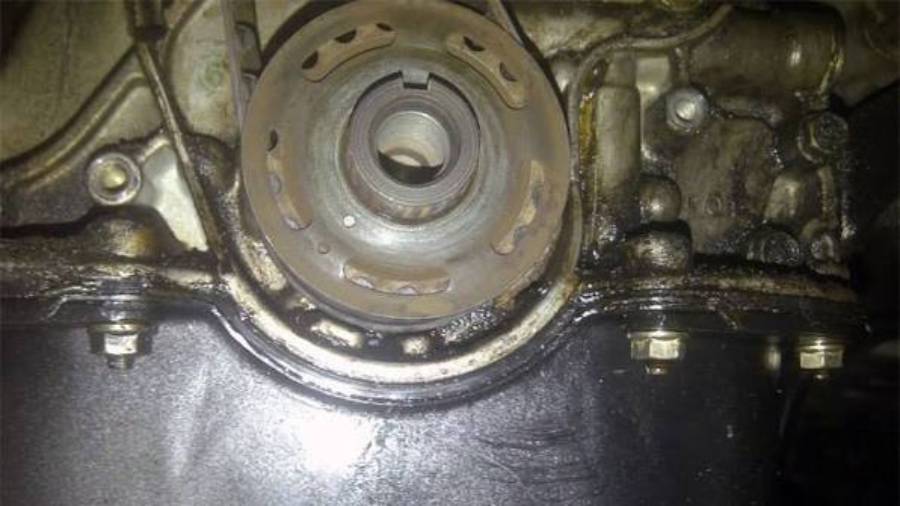
What Are the Symptoms of a Bad Engine Oil Pump?
There are 7 main symptoms of a bad engine oil pump: low oil pressure, an illuminated oil pressure warning light, engine ticking or knocking, increased engine temperature, valvetrain noise, reduced engine performance, and engine damage or seizure in severe cases. Most of these symptoms result from insufficient oil circulation rather than from the physical pump producing a noticeable symptom itself. For this reason, actual oil pressure should be tested before the oil pump is identified as the cause.
1. Low oil pressure
Low oil pressure is one of the primary signs associated with a failing engine oil pump. The pump draws oil from the oil pan and circulates it through the engine’s lubrication passages. When the pump becomes worn, damaged, or otherwise unable to provide adequate oil flow, pressure within the lubrication system can fall below the engine manufacturer’s specified range.
Low oil pressure affects components that depend on a continuous oil film to separate moving metal surfaces. These include crankshaft bearings, connecting rod bearings, camshaft bearings, and valvetrain components. As oil pressure falls, lubrication becomes less effective and the risk of friction, heat, and internal wear increases.
However, low oil pressure alone does not confirm a failed oil pump. Low engine oil level, incorrect oil viscosity, a restricted pickup screen, a clogged filter, excessive bearing clearances, and other lubrication-system problems can also reduce oil pressure. The pressure reading therefore identifies a lubrication problem that requires diagnosis rather than proving that the pump itself has failed.
2. Oil pressure warning light
An illuminated oil pressure warning light can indicate that the engine is operating with insufficient oil pressure. The warning system uses an oil pressure switch or sensor to monitor pressure and alert the driver when the reading falls below the system’s threshold. A failing oil pump can trigger this warning because it may no longer circulate oil at the required pressure.
The warning light should be treated as a lubrication warning rather than a specific oil pump warning. A low oil level can produce the same warning, while a faulty oil pressure switch, sensor, wiring problem, or related electrical fault can create an incorrect signal even when mechanical oil pressure remains adequate.
For this reason, replacing the oil pump solely because the oil pressure warning light is illuminated can result in a misdiagnosis. The oil level and condition should be checked first, followed by verification of actual oil pressure when necessary. A mechanical oil pressure test can help distinguish genuine low pressure from a faulty warning circuit.
3. Engine ticking or knocking noises
Ticking, tapping, or knocking noises can develop when insufficient oil reaches engine components that require constant lubrication. These noises are often an indirect consequence of oil pressure loss rather than a sound produced by the oil pump itself.
Engine oil creates a lubricating film between moving surfaces. When oil circulation decreases, that film can become insufficient to maintain proper separation between components. Valvetrain parts may begin producing ticking or tapping sounds, while more serious lubrication loss involving bearings can contribute to deeper mechanical knocking.
The type and location of the noise matter during diagnosis. A light ticking sound from the upper engine and a deep knock from the lower engine do not necessarily indicate the same failure. Both require attention when they occur together with an oil pressure warning or confirmed low oil pressure because continued operation can increase internal damage.
4. Increased engine temperature
A failing oil pump can contribute to increased engine temperature because engine oil performs both lubrication and heat-transfer functions. The cooling system remains responsible for controlling overall engine temperature, but circulating oil also absorbs heat from lubricated components and carries it away from high-friction areas.
Reduced oil circulation increases friction between inadequately lubricated surfaces. Greater friction generates additional heat, while reduced oil flow decreases the lubrication system’s ability to remove heat from those surfaces. Bearings, camshaft components, and other moving parts can therefore operate at higher temperatures when lubrication becomes inadequate.
An overheating engine does not by itself diagnose a bad oil pump. Coolant loss, thermostat failure, radiator problems, cooling fan faults, and water pump problems are more direct causes of engine overheating. Oil pump failure becomes more relevant when increased temperature appears together with low oil pressure and lubrication-related mechanical noise.
5. Valvetrain noise
Valvetrain ticking or tapping can occur when a bad oil pump fails to deliver sufficient oil to components in the upper part of the engine. Depending on engine design, the camshaft, lifters, rocker arms, followers, and related components rely on pressurized engine oil for lubrication and proper operation.
Insufficient oil supply increases contact and friction between these moving components. Hydraulic components within some valvetrain systems also depend on adequate oil pressure to function correctly. A pressure loss can therefore create repetitive ticking or tapping that changes with engine speed.
Valvetrain noise is not unique to oil pump failure. Low oil level, incorrect oil viscosity, contaminated oil, worn valvetrain components, or restricted oil passages can create similar sounds. Oil pressure and the condition of the lubrication system should be evaluated before the pump is blamed for the noise.
6. Reduced engine performance
Reduced engine performance can occur as lubrication problems become more severe, although it is not one of the most specific symptoms of a bad oil pump. Inadequate lubrication increases friction within the engine and can interfere with components that depend on stable oil pressure for normal operation.
The effect depends heavily on engine design and the severity of the pressure loss. Increased internal friction can make the engine operate less efficiently, while progressive component wear can produce additional mechanical problems. Engines that use oil pressure for systems such as hydraulic valve control or variable valve timing may also develop operating problems when oil pressure becomes inadequate.
Loss of power has many possible causes, including ignition, fuel, air-intake, exhaust, and electronic control problems. Reduced performance becomes more relevant to oil pump diagnosis when it occurs alongside stronger lubrication-related evidence, such as a low oil pressure reading, oil warning light, or abnormal mechanical noise.
7. Engine damage or seizure
Engine damage or seizure is the most severe consequence associated with oil pump failure. It occurs when oil circulation becomes inadequate for long enough that critical moving components can no longer maintain a protective lubricating film.
The progression can be rapid when oil pressure is severely reduced. Insufficient lubrication increases metal-to-metal contact, which increases friction and heat. Bearings and other internal surfaces can then wear, overheat, or become damaged. In an extreme lubrication failure, moving components can bind or seize and stop the engine from rotating normally.
Engine seizure is a late-stage consequence rather than an early diagnostic sign. The objective is to identify low oil pressure, warning lights, or abnormal noises before lubrication loss reaches this stage. An oil pressure warning accompanied by pronounced ticking or knocking should be treated as a serious engine lubrication problem rather than a symptom to monitor while continuing to drive.
What Does a Bad Engine Oil Pump Sound Like?
A bad engine oil pump can be associated with ticking, tapping, or knocking noises when reduced oil pressure prevents engine components from receiving adequate lubrication. These sounds do not necessarily come from the oil pump itself. In many cases, the audible noise comes from valvetrain components, bearings, or other moving parts affected by insufficient oil flow.
Ticking or tapping is commonly associated with the upper part of the engine. Components such as lifters, rocker arms, camshafts, and other valvetrain parts require a consistent oil supply to reduce friction and maintain normal operation. When oil pressure drops, the protective oil film between moving surfaces can become insufficient. Hydraulic valvetrain components can also operate incorrectly when they do not receive the oil pressure required by their design, resulting in repetitive ticking or tapping that may change with engine speed.
Knocking is generally more concerning because a deeper mechanical knock can indicate that lubrication problems are affecting components in the lower engine. Crankshaft and connecting rod bearings depend on an oil film to prevent direct contact between moving surfaces. Severe or prolonged oil pressure loss can compromise this film, increase bearing clearance, and allow abnormal movement that produces knocking sounds.
The sound alone cannot confirm oil pump failure. Low oil level, incorrect oil viscosity, worn bearings, valvetrain wear, restricted oil passages, and other mechanical problems can produce similar noises. Ticking or knocking becomes stronger evidence of a lubrication-system problem when it appears together with an oil pressure warning light or confirmed low oil pressure. Actual oil pressure should therefore be checked before determining that the oil pump is responsible.
How Can You Tell If the Oil Pump Is Bad or the Oil Pressure Sensor Is Faulty?
A bad oil pump causes a mechanical oil-pressure problem, while a faulty oil pressure sensor can report incorrect pressure even when the lubrication system is producing adequate pressure. The most reliable way to distinguish between the two is to verify actual engine oil pressure instead of relying only on the dashboard warning light or electronic pressure reading.
An oil pressure sensor or switch monitors pressure within the lubrication system and sends information to the vehicle’s warning system, gauge, or engine control system depending on the vehicle design. When the sensor fails, it can trigger an oil pressure warning, produce an inaccurate gauge reading, or provide an incorrect electrical signal. In this situation, the warning system indicates a pressure problem even though the engine may still have sufficient mechanical oil pressure.
A failing oil pump creates a different condition. The problem exists within the lubrication system itself because the pump cannot maintain the required oil circulation or pressure. A mechanical pressure test can therefore show an actual reading below the manufacturer’s specification. Other lubrication-related symptoms, such as valvetrain ticking or mechanical knocking, may also appear if engine components are receiving insufficient oil.
Diagnosis should begin with the engine oil rather than immediate oil pump replacement. Check the oil level first, verify that the oil meets the viscosity and specification required for the engine, and inspect its condition for obvious contamination. An engine operating with too little oil can produce genuine low pressure even when the pump remains functional.
The next step is to determine whether the pressure warning represents an electrical problem or actual low oil pressure. A technician can use an appropriate mechanical oil pressure gauge to measure pressure directly and compare the readings with the vehicle manufacturer’s specifications under the specified operating conditions. This comparison is important because normal oil pressure is not represented by one universal value for every engine.
A normal mechanical pressure reading with an abnormal dashboard warning shifts the diagnosis toward the oil pressure sensor, switch, wiring, gauge, or related electrical circuit. A confirmed low mechanical pressure reading means the lubrication system has a genuine pressure problem, but it still does not prove that the oil pump is defective. Low oil level, a restricted pickup screen, incorrect oil viscosity, excessive bearing clearance, or another internal lubrication problem can also reduce pressure.
The oil pump should therefore be diagnosed as part of the complete lubrication system. Replacing it solely because an oil warning light appears can leave the actual fault unresolved. Confirming oil level, oil specification, actual oil pressure, sensor operation, and other potential restrictions provides stronger evidence for determining whether the oil pump itself requires repair or replacement.
What Else Can Cause Low Oil Pressure Besides a Bad Oil Pump?
There are 6 major causes of low engine oil pressure besides a bad oil pump: low oil level, incorrect oil viscosity, a clogged oil filter, a restricted oil pickup screen, a faulty oil pressure sensor or switch, and excessive internal engine wear. These problems can produce warning lights, abnormal pressure readings, or lubrication-related engine noises that resemble the symptoms of a failing oil pump. Confirming the actual cause is therefore necessary before replacing the pump.
1. Low engine oil level reduces the amount of oil available for the pump to circulate. The pump draws oil from the oil pan through the pickup tube, so an insufficient oil supply can interfere with consistent circulation, particularly during acceleration, braking, cornering, or other conditions that move oil within the pan. Oil level can fall because of external leaks, internal oil consumption, or inadequate filling during maintenance.
Checking the dipstick is therefore one of the first diagnostic steps when an oil pressure warning appears. The vehicle should be positioned and checked according to the manufacturer’s procedure because dipstick readings can vary with vehicle angle, engine temperature, and the amount of time the oil has had to drain back into the pan.
2. Incorrect oil viscosity can affect how engine oil flows through the lubrication system and how pressure develops under different operating conditions. Engine manufacturers specify suitable oil viscosity grades according to engine design and expected operating temperatures. Using oil outside those requirements can change lubrication behavior without any mechanical failure of the oil pump.
Oil viscosity also changes with temperature. Oil becomes thinner as operating temperature rises and thicker at lower temperatures. This is one reason an oil-pressure diagnosis should compare measurements with the manufacturer’s specifications under the specified test conditions rather than assuming one pressure value applies to every engine and operating temperature.
3. A clogged or restricted oil filter can interfere with normal oil circulation. The filter removes contaminants from engine oil before the oil continues through the lubrication system. Excessive contamination, sludge, an unsuitable filter, or an overdue filter change can contribute to restrictions or abnormal lubrication-system operation.
Oil filters and lubrication systems vary by engine design, and many filters incorporate bypass mechanisms intended to maintain oil flow when restriction becomes excessive. For this reason, a restricted filter does not produce exactly the same pressure behavior in every engine. Filter condition should be evaluated as part of the lubrication system rather than automatically identifying the oil pump as the source of low pressure.
4. A restricted oil pickup screen can reduce the amount of oil reaching the pump. The pickup assembly sits in or near the oil contained in the oil pan and provides the supply path to the pump. Sludge, debris, sealant fragments, or other contamination can restrict the screen and limit oil flow.
This fault is particularly important because the pump itself may still be mechanically capable of producing pressure but cannot receive enough oil through the restricted inlet. The resulting symptoms can resemble pump failure, including low oil pressure and lubrication-related engine noise. Inspecting the pickup system may therefore be necessary when mechanical testing confirms low pressure.
5. A faulty oil pressure sensor or switch can create an apparent low-pressure condition without an actual loss of mechanical oil pressure. A failed sensor, switch, connector, wiring circuit, or related electrical component can illuminate the oil pressure warning light or generate an inaccurate gauge reading.
A mechanical oil pressure measurement helps separate an electrical warning-system fault from a genuine lubrication problem. Normal mechanical pressure combined with an abnormal dashboard indication points toward the sensor or warning circuit rather than immediately toward the oil pump.
6. Excessive internal engine wear can reduce oil pressure even when the oil pump remains operational. Engine bearings depend on controlled clearances that allow pressurized oil to form a lubricating film between moving surfaces. As bearings and other internal components wear, clearances can increase and allow oil to escape more readily from the lubricated areas.
The relationship between pump condition and engine wear is important during diagnosis. Installing a new oil pump may not restore normal pressure when excessive bearing clearance is the actual cause. A complete diagnosis must therefore consider both the source of oil pressure and the condition of the components through which the oil circulates.
What Causes an Engine Oil Pump to Fail?
Engine oil pumps can fail because of wear, contaminated oil, lubrication-system debris, poor maintenance, inlet restrictions, or mechanical damage. The exact failure mode depends on the pump and engine design, but these conditions can reduce the pump’s ability to circulate the volume of oil required by the engine.
Normal mechanical wear is one cause of declining pump performance. The pump contains moving components that operate whenever the engine runs. Wear within these components can increase internal clearances over time, reducing the pump’s ability to maintain the required oil flow and pressure, particularly as engine operating conditions change.
Contaminated engine oil can accelerate this wear. Engine oil collects combustion by-products and contaminants while circulating through the engine, while debris from deteriorating internal components can also enter the lubrication system. Abrasive particles can damage lubricated surfaces and pump components if contamination becomes severe or filtration is inadequate.
Poor maintenance increases exposure to several of these conditions. Extending oil-change intervals beyond the appropriate service requirements can allow contamination and deposits to accumulate, while using unsuitable engine oil can alter lubrication performance. Neglecting an existing oil leak or repeatedly operating with an insufficient oil level can also place the entire lubrication system under unfavorable operating conditions.
A restricted pickup screen can create a problem even when the internal pump mechanism is initially functional. The pump requires an adequate supply of oil from the oil pan. Sludge or debris around the pickup screen can restrict this supply, reducing oil circulation and potentially creating operating conditions that contribute to lubrication-system damage.
Mechanical damage can also cause oil pump failure. The specific components involved depend on engine architecture because oil pumps use different designs and drive arrangements. Damage to the pump body, internal pumping elements, drive mechanism, or related pressure-control components can prevent the system from maintaining the oil supply required by the engine.
Oil pump failure should therefore be diagnosed as a lubrication-system problem rather than assumed from one symptom. Identifying the underlying cause is also important when replacing a failed pump. Installing a new pump without addressing contamination, pickup restrictions, incorrect lubrication, or internal engine damage can leave the underlying condition unresolved.
Can You Drive With a Bad Engine Oil Pump?
You should not continue driving with a confirmed or strongly suspected bad engine oil pump because insufficient oil pressure can cause serious internal engine damage. The oil pump supplies circulating oil to components that depend on continuous lubrication, including crankshaft bearings, connecting rod bearings, camshaft components, and the valvetrain. When the pump cannot maintain adequate oil flow and pressure, these components can lose the protective oil film that separates moving metal surfaces.
Engine damage can progress as lubrication decreases. Reduced oil supply increases friction between moving components, and increased friction generates additional heat. Bearings and other lubricated surfaces can then experience accelerated wear. If oil pressure becomes severely low, the lubrication film can break down enough to allow direct metal-to-metal contact, potentially damaging bearings, journals, camshaft surfaces, and other internal components.
The combination of an oil pressure warning light and abnormal ticking, tapping, or knocking should be treated as a serious lubrication-system warning. Continuing to operate the engine under these conditions can turn a lubrication fault into more extensive internal damage. A severe loss of lubrication can eventually cause components to bind or seize, potentially requiring major engine repair or replacement.
The oil pressure warning light alone does not prove that the oil pump has failed because low oil level, a faulty pressure sensor, a restricted pickup, or internal engine wear can produce similar warnings. However, this uncertainty is not a reason to continue driving. The immediate concern is whether the engine has adequate oil pressure, not which component has caused the pressure problem.
There is also no universal safe distance that a vehicle can be driven with low oil pressure. The rate of damage depends on the severity of the pressure loss, engine design, operating speed, load, temperature, and the underlying fault. A driver should avoid relying on a fixed distance such as 5 or 10 miles when a genuine low-oil-pressure condition is suspected.
What Should You Do When You Notice Bad Oil Pump Symptoms?
Take 7 steps when symptoms of a bad oil pump appear: stop the engine when severe symptoms occur, check the oil level, verify the oil condition and specification, check for relevant leaks, diagnose the oil pressure warning system, measure actual oil pressure, and inspect the lubrication system if low pressure is confirmed. This sequence helps protect the engine while reducing the risk of replacing the oil pump before the actual fault has been identified.
1. Stop the engine when severe symptoms occur. An oil pressure warning accompanied by pronounced ticking, knocking, or other signs of inadequate lubrication requires immediate attention. Stopping the engine limits additional operating time under potentially insufficient lubrication. Continuing to drive while trying to determine whether the warning disappears can increase the extent of internal damage.
2. Check the engine oil level. Verify the oil level according to the vehicle manufacturer’s procedure. An engine with insufficient oil may develop low pressure because the lubrication system does not have an adequate supply for consistent circulation. If the level is low, the reason should also be investigated because external leaks or internal oil consumption may be responsible.
3. Verify the oil condition and specification. Confirm that the engine contains oil with the viscosity and specification required for the vehicle. Oil that is unsuitable for the engine or severely contaminated can affect lubrication-system performance. Oil condition can also provide useful diagnostic information when investigating maintenance history, contamination, or internal engine problems.
4. Check for relevant oil leaks. Inspect for visible signs of engine oil loss where it is safe and practical to do so. Leaks can reduce the oil level over time and eventually contribute to inadequate lubrication. Identifying the source of oil loss is necessary because adding oil without correcting an active leak does not resolve the underlying problem.
5. Diagnose the oil pressure warning system. The oil pressure sensor or switch and its electrical circuit should be considered when the oil level is correct but the dashboard still indicates a pressure problem. A faulty sensor can generate an incorrect warning, so an illuminated oil pressure light should not automatically lead to oil pump replacement.
6. Measure actual engine oil pressure. A suitable mechanical oil pressure gauge can determine whether the engine has a genuine pressure problem. The measurement should be taken under the appropriate test conditions and compared with the manufacturer’s specification for that engine. A normal mechanical reading with an abnormal dashboard indication supports further investigation of the sensor or warning circuit.
7. Inspect the lubrication system when low pressure is confirmed. Confirmed low mechanical oil pressure requires diagnosis of the system rather than immediate assumption that the pump is defective. The investigation can include the oil pickup and screen, filter, pressure-control components, internal engine clearances, and the oil pump itself. The specific inspection procedure depends on the engine design.
The oil pump should be replaced only when diagnosis supports pump failure or damage. A new pump will not correct low pressure caused by excessive bearing clearance, insufficient oil, a restricted pickup, or another unresolved lubrication-system fault. Finding the root cause before repair reduces the risk of repeated low oil pressure and further engine damage.
Read more: How Long Can a Dealership Hold Your Car for Repair?
How Long Does an Engine Oil Pump Usually Last?
An engine oil pump does not have one universal replacement interval because its service life depends on engine design, lubrication quality, maintenance history, contamination, operating conditions, and internal engine wear. Unlike engine oil or an oil filter, the pump is generally treated as a mechanical engine component rather than a routine maintenance item replaced at the same mileage on every vehicle.
Oil quality and maintenance history have a direct relationship with the conditions in which the pump operates. The pump circulates engine oil whenever the engine runs, so contaminated oil, accumulated deposits, or inadequate lubrication can increase wear within the lubrication system. Consistently maintaining the correct oil level and using oil that meets the manufacturer’s specification provides the pump with the operating conditions intended for the engine.
Engine condition also affects oil pump performance and diagnosis. As an engine accumulates wear, bearing clearances and other internal conditions can change. Low oil pressure in a high-mileage engine therefore does not automatically mean the pump has reached the end of its service life. Excessive internal clearances can allow oil to escape more readily and reduce system pressure even when the pump remains operational.
Operating conditions create another variable. Engines exposed to frequent high loads, excessive heat, contamination, neglected maintenance, or repeated operation with insufficient oil can experience lubrication-system deterioration differently from engines maintained and operated under normal conditions. For this reason, mileage alone is not enough to determine whether an oil pump is healthy.
The condition of an engine oil pump should be evaluated through symptoms, oil-pressure testing, and lubrication-system diagnosis rather than age or mileage alone. When low pressure is confirmed, the pump should be evaluated together with the pickup system, pressure-control components, oil passages, and internal engine clearances before a replacement decision is made.
How Can You Help Prevent Engine Oil Pump Problems?
There are 6 practical ways to reduce the risk of engine oil pump and lubrication-system problems: use the correct engine oil, maintain the proper oil level, follow the appropriate oil-change interval, use the correct oil filter, control contamination, and investigate oil-pressure warnings promptly. These measures protect more than the pump itself because the oil pump operates as part of an interconnected lubrication system.
1. Use the correct engine oil. Select oil that meets the viscosity grade and specification required by the vehicle manufacturer. The lubrication system is designed around specific oil characteristics, and using unsuitable oil can alter flow and lubrication behavior under different temperatures and operating conditions.
2. Maintain the proper engine oil level. Check the oil level at suitable intervals using the procedure specified for the vehicle. Too little oil reduces the supply available to the pump and can interrupt consistent lubrication. Repeatedly finding a low oil level also indicates that an oil leak or internal oil consumption may need diagnosis.
3. Follow the appropriate oil-change interval. Replace engine oil according to the applicable maintenance schedule and operating conditions. Oil collects contaminants and undergoes chemical and physical changes during service. Regular replacement helps limit contamination and deposits within the lubrication system.
4. Use the correct oil filter. Install a filter that meets the requirements for the engine. The filter removes contaminants from circulating oil, while its design must also be compatible with the lubrication system. An unsuitable, damaged, or excessively restricted filter can interfere with normal system operation.
5. Control sludge and contamination. Address conditions that allow excessive deposits, debris, or contamination to accumulate in the engine. Contaminants can affect the pump and can restrict the oil pickup screen or lubrication passages. A restricted pickup is particularly significant because it can limit the oil supply reaching an otherwise functional pump.
6. Investigate oil-pressure warnings promptly. Do not treat an oil pressure warning as a routine dashboard notification. Check the oil level and determine whether the engine has genuine low oil pressure. Early diagnosis can identify problems involving the oil supply, sensor, pickup system, internal engine wear, or pump before inadequate lubrication causes more extensive damage.
Preventing oil pump problems ultimately depends on maintaining the entire engine lubrication system rather than servicing the pump in isolation. Correct oil, adequate oil level, proper filtration, contamination control, and early diagnosis help maintain the oil circulation required to protect bearings, valvetrain components, and other moving engine parts.