A dealership generally cannot hold your car indefinitely, but there is no single repair-time limit that applies to every dealership repair. How long a dealership can keep your vehicle depends on the type of repair, the time needed for diagnosis, replacement-part availability, warranty or manufacturer approval, and the consumer protection laws that apply where the repair takes place.
A routine repair may be completed within the same day or several days when the required parts and technicians are available. Major engine, transmission, electrical, or warranty repairs can take considerably longer. The total wait can extend further when a dealership is waiting for backordered parts or authorization from the vehicle manufacturer. A long repair period, however, does not automatically mean the dealership has acted improperly.
The more important question is whether the dealership is making reasonable progress and can explain the delay. Repeated missed completion dates, long periods without repair activity, unclear explanations, or poor documentation can indicate a problem. This guide explains typical dealership repair times, the main causes of delays, when a repair may be taking too long, your potential rights, and the steps you can take to get the repair moving or recover your vehicle.
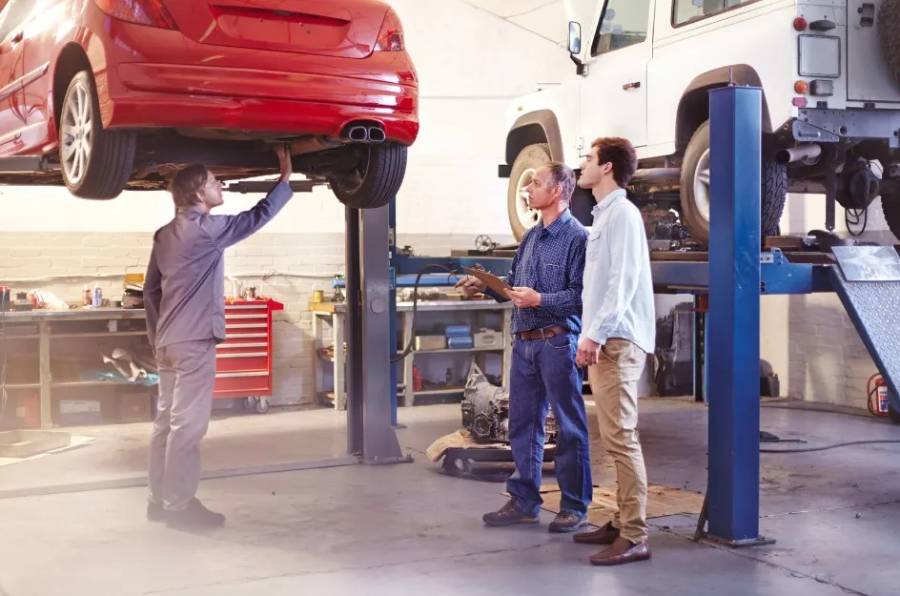
How Long Can a Dealership Hold Your Car for Repair?
A dealership can hold your car for the time reasonably necessary to diagnose and complete authorized repairs, but there is no single maximum repair period that applies to every dealership and every repair. The actual period depends on the work required, whether replacement parts are available, and whether outside approval is needed. A repair that requires several hours of labor can therefore leave a car at the dealership for several days when diagnosis, scheduling, or parts delivery adds time to the process.
Repair complexity is one of the main factors determining how long the dealership needs the vehicle. Routine maintenance and straightforward component replacements require fewer diagnostic and labor hours than engine, transmission, or electrical repairs. Electrical faults can require additional diagnostic time because a technician may need to test several components before identifying the actual source of the problem. The relevant measure is therefore not simply how many days the car has been at the dealership, but whether the time corresponds reasonably to the diagnosis and repair being performed.
Parts availability can extend the period beyond the actual labor required. For example, a technician may identify a failed component on the first day but be unable to complete the repair until the replacement arrives. Backordered manufacturer-specific components can create a much longer delay than commonly stocked items such as filters, batteries, or brake components. In this situation, the car may remain at the dealership even though technicians are not actively working on it every day.
Warranty and manufacturer-authorized repairs can add another stage to the timeline. The dealership may need to document the defect, submit information to the manufacturer, obtain authorization, and then order an approved component before completing the repair. The applicable consumer protection and warranty rules also vary by jurisdiction, so a specific number of days should not be treated as a universal legal limit.
How Long Do Dealership Car Repairs Usually Take?
Dealership repair times range from same-day service for straightforward work to several weeks or longer for complex repairs, major component failures, and repairs affected by parts shortages. The useful way to estimate repair time is to separate the technician’s actual labor time from the total number of days the vehicle remains at the dealership.
Routine work is generally at the shorter end of the timeline because diagnosis is limited and commonly used parts are easier to obtain. Oil and filter services, battery replacements, scheduled maintenance, and straightforward brake work may be completed the same day when the service department has available technicians and parts. A repair can still take longer than its stated labor hours when the dealership has other vehicles scheduled ahead of yours.
Moderate and major repairs require more time because they involve additional diagnosis, disassembly, labor, or testing. Engine and transmission problems, for example, can require the technician to identify the failed component, remove major assemblies, replace or repair parts, reassemble the vehicle, and verify that the original problem has been resolved. Electrical problems can also extend the timeline when several systems must be tested before the defective component or wiring fault is isolated.
The total dealership repair time is not the same as the repair’s labor time. A job requiring eight labor hours does not necessarily mean the car will be returned after one eight-hour working day. Technician scheduling, diagnostic procedures, approval processes, parts delivery, reassembly, and post-repair testing all contribute to the total turnaround time. A vehicle requiring a backordered component can consequently remain at the dealership for weeks even when installation takes only a few hours.
For this reason, owners should ask for both the estimated repair work and the expected completion date. The first indicates how much work the repair requires; the second reflects dealership scheduling, parts availability, and other factors that determine how long the owner will actually be without the vehicle.
Why Is the Dealership Taking So Long to Fix Your Car?
There are 6 common reasons a dealership takes longer than expected to fix a car: complex diagnosis, backordered parts, limited technician availability, manufacturer approval, warranty authorization, and additional problems discovered during the repair. A delay does not necessarily mean technicians are actively repairing the vehicle every day. Much of the total turnaround time can come from waiting for information, parts, approval, or an available technician.
Complex diagnosis can delay a repair before any component is replaced. Modern vehicles contain interconnected mechanical, electrical, and electronic systems, so the symptom reported by the owner does not always identify the failed component. An intermittent electrical fault, for example, may require repeated testing or road testing before the technician can reproduce the problem and determine its source. Replacing parts before completing that diagnosis could increase costs without correcting the original fault.
Backordered parts can create a much longer delay than the repair itself. A dealership may diagnose the problem and prepare the vehicle for repair but still be unable to finish until the required component arrives. The wait becomes longer when the repair requires a manufacturer-specific component that is not available from local inventory. In this case, several weeks at the dealership could represent only a few hours of actual installation work.
Limited technician availability also affects turnaround time. Dealership service departments schedule multiple vehicles, and certain repairs require technicians trained to work on specific systems. An available general-service technician does not necessarily have the training or equipment required for a complex transmission, electrical, hybrid, or other specialized repair. The vehicle may therefore remain in the service queue until the appropriate technician becomes available.
Manufacturer approval can add another waiting period when the dealership cannot proceed independently. The service department may need to submit diagnostic information, photographs, fault codes, or other documentation before receiving instructions or authorization. The delay can increase when the manufacturer requests additional diagnostic procedures before approving component replacement.
Warranty authorization creates a similar dependency. When a repair is expected to be covered by a manufacturer warranty or another service agreement, the dealership may need to establish that the failure meets the applicable coverage requirements. Additional inspection or documentation can be required before the repair is approved. The authorization process therefore adds time even when the physical repair itself is relatively straightforward.
Additional problems discovered after disassembly can also change the original completion estimate. For example, removing a damaged component may expose related damage that could not be confirmed during the initial inspection. The dealership may then need to contact the owner, obtain authorization for additional work, order another part, and revise the repair timeline. Owners should request an updated explanation and completion estimate when newly discovered damage changes the original repair plan.
How Long Is Too Long for a Dealership to Repair Your Car?
A dealership repair is taking too long when the duration is no longer reasonably explained by the repair’s complexity, parts availability, approval requirements, or actual progress. The number of days alone does not determine whether a delay is unreasonable. A vehicle waiting several weeks for a documented backordered component presents a different situation from a vehicle sitting for the same period without a diagnosis, repair activity, or clear explanation.
Repair complexity provides the first point of comparison. A routine repair that repeatedly misses completion dates deserves attention sooner than a major engine or transmission repair requiring extensive diagnosis, disassembly, and testing. Owners should compare the elapsed time with the actual work being performed rather than assume the same acceptable timeline applies to every repair.
Parts status provides another measurable indicator. If a dealership states that a component is backordered, the owner can ask which part is required, when it was ordered, and whether an estimated arrival date is available. A documented parts delay explains why a vehicle may remain unrepaired even after diagnosis. Repeated statements that the dealership is “waiting for parts” without identifying the component or providing meaningful updates give the owner less information for evaluating the delay.
Progress and communication should also be evaluated together. A changing completion date is not automatically a warning sign when the dealership explains what changed and what remains to be completed. The concern becomes greater when promised dates repeatedly pass without an updated diagnosis, parts status, repair stage, or expected next step. Clear documentation makes it possible to distinguish an unavoidable delay from a repair that is receiving little meaningful progress.
What Are the Signs That a Dealership Repair Delay Is Unreasonable?
The strongest warning signs of an unreasonable repair delay are repeated missed deadlines, prolonged periods without measurable progress, unclear explanations, and a lack of written repair information. These signals are more useful than the elapsed number of days because they show whether the dealership can account for the time it has kept the vehicle.
Repeated missed completion dates are particularly relevant when no new repair issue explains the changes. One revised date may result from a late part or additional diagnostic work. Several revised dates without a specific reason indicate that the original timeline is no longer reliable. The owner should request the vehicle’s current repair stage and a revised estimate based on the information the dealership presently has.
A lack of measurable progress is another warning sign. For example, a car that has been waiting for a documented backordered transmission is delayed for an identifiable reason. A car that remains at the dealership for weeks while the owner repeatedly receives only vague statements such as “we are still looking at it” has a less clearly justified delay.
Poor documentation makes the situation harder to evaluate and resolve. Repair orders, written estimates, parts information, authorization records, and messages with the service advisor establish what work was approved and how the timeline developed. These records become particularly important when the delay continues and the owner needs to escalate the issue to the service manager, manufacturer, or another appropriate channel.
Can a Dealership Keep Your Car for Months?
A dealership can have your car for several weeks or months when a legitimate repair issue prevents completion, but a long repair period does not give the dealership an unlimited right to keep the vehicle. Extended repair times can result from backordered parts, complex mechanical failures, manufacturer involvement, or warranty authorization. Whether the delay is reasonable depends on why the vehicle remains at the dealership and what progress is being made.
A parts shortage is one situation in which a vehicle can remain at a dealership for months even though the physical repair requires relatively little labor. For example, the dealership may diagnose a failed electronic control module but be unable to complete the repair until a vehicle-specific replacement becomes available. The relevant delay in this situation comes from the supply chain rather than the technician’s ability to install the component.
Major mechanical repairs can also create extended timelines. Engine or transmission work may involve diagnosis, disassembly, inspection, parts ordering, reassembly, programming, and post-repair testing. Warranty cases can add another layer because the dealership may need manufacturer approval before replacing an expensive assembly. Each stage can increase the total number of days the vehicle remains out of service.
The situation becomes more concerning when the dealership cannot identify a specific reason for keeping the vehicle. Months of waiting accompanied by repeated missed deadlines, no confirmed parts status, no clear diagnosis, or no measurable repair progress warrant escalation. Owners should request a written status identifying what has been completed, what remains unfinished, what is causing the delay, and what must happen before the vehicle can be returned.
A months-long repair may also become relevant under warranty or consumer protection rules. The applicable remedy depends on factors such as the vehicle, defect, warranty coverage, repair history, and jurisdiction. Owners should therefore preserve repair orders and records showing the dates the vehicle entered and left the dealership rather than assume that a particular number of days automatically creates the same legal remedy everywhere.
What Are Your Rights If a Dealership Takes Too Long to Repair Your Car?
Your rights during an extended dealership repair depend on the repair agreement, warranty coverage, applicable consumer protection rules, and the state where the transaction occurs. There is no single nationwide rule giving every dealership the same maximum number of days to complete every repair. Owners should first establish what work was authorized, what the dealership represented about the repair, and why the vehicle remains out of service.
The repair order is one of the most important records. It can establish when the dealership received the vehicle, which problems were reported, which work was authorized, and what repairs were performed. Written estimates, invoices, text messages, emails, and service-advisor updates can provide additional evidence about promised completion dates and reasons for delays. These records create a timeline that is more useful than relying on verbal conversations alone.
Warranty coverage can create additional obligations when a covered defect is responsible for the repair. A manufacturer warranty generally establishes which defects or components qualify for covered repairs and the conditions under which that coverage applies. The dealership may act as the repair facility while the manufacturer determines or administers warranty coverage. For that reason, an unresolved warranty repair may require escalation beyond the dealership’s service advisor to the service manager or manufacturer.
Consumer protection requirements can also affect repair disputes, but the rules are jurisdiction-specific. Depending on the applicable law and circumstances, requirements may address repair authorization, estimates, disclosures, charges, or other repair practices. A vehicle owner should not assume that a rule or deadline found for one state applies in another state.
The practical first step is to create a complete written record before escalating the dispute. Record the date the dealership received the vehicle, the original complaint, diagnostic findings, authorized repairs, parts status, expected completion dates, missed deadlines, and each significant communication. This information helps establish whether the dealership has a documented reason for the delay and becomes useful if manufacturer or legal remedies need to be evaluated.
Can Lemon Law Apply When a Car Stays at the Dealership Too Long?
Lemon law can become relevant to a prolonged dealership repair when the vehicle, defect, repair attempts, and time out of service satisfy the requirements of the applicable jurisdiction. A long stay at a dealership by itself does not automatically make a vehicle a lemon. Eligibility depends on the specific law governing the vehicle and repair.
Days out of service can be important because some lemon-law frameworks consider how long a qualifying vehicle has been unavailable due to attempts to repair a covered problem. Repair attempts may also matter when the dealership repeatedly works on the same defect without resolving it. These concepts should not be converted into one universal number because eligibility requirements and thresholds vary by jurisdiction.
The nature of the defect is another important factor. A lengthy delay for routine maintenance is not equivalent to repeated attempts to correct a qualifying warranty defect. Vehicle age, mileage, warranty status, purchase or lease circumstances, and the nature of the problem can affect whether a particular lemon-law remedy is available.
Repair documentation becomes especially important when a vehicle has spent substantial time at the dealership. Keep every repair order showing the dates the vehicle entered and left the service department, the reported problem, the technician’s findings, and the work performed. These records can establish both the number of repair attempts and the total period the vehicle was unavailable if the owner later needs to determine whether the applicable lemon-law requirements have been met.
What Should You Do If the Dealership Is Taking Too Long to Fix Your Car?
Take 8 steps if a dealership is taking too long to fix your car: request the current diagnosis, get a written repair status, confirm pending parts, request an updated completion estimate, escalate to the service manager, contact the manufacturer when appropriate, preserve all repair records, and review applicable consumer remedies if the delay continues. The goal is to determine exactly why the repair has stalled before deciding whether to wait, escalate the problem, or request the vehicle back.
First, ask the service advisor for the current diagnosis. The answer should identify what problem the technician has confirmed, what diagnostic work has already been completed, and what still needs to be tested. This distinction matters because “the car is still being diagnosed” provides less useful information than an explanation of which system is being tested and why additional testing is necessary. A specific diagnosis also helps determine whether the delay results from technical complexity or inactivity.
Second, request the repair status in writing. Ask which repairs have been completed, which repairs remain unfinished, and what currently prevents completion. Written communication creates a record of the dealership’s explanation and reduces confusion when several service advisors or technicians become involved. It also allows the owner to compare later updates with previous completion estimates.
Third, confirm the status of any pending replacement parts. Ask for the name of the required component, whether it has been ordered, and whether an estimated arrival date is available. A confirmed backorder provides a specific explanation for the delay. If the dealership cannot identify the part it is waiting for, ask what must occur before the part can be ordered.
Fourth, request an updated estimated completion date based on the dealership’s current information. The original estimate may no longer be useful after a diagnostic change, parts delay, or discovery of additional damage. An updated estimate should reflect the remaining repair stages rather than repeat a date that has already been missed. Treat the estimate as a planning reference rather than a guarantee when completion still depends on parts or third-party approval.
Fifth, escalate the issue to the service manager when routine communication with the service advisor no longer produces clear answers or progress. Provide the repair-order number, the date the vehicle arrived, the original problem, the dates previously promised, and the unresolved issue. A structured summary makes it easier for the manager to identify where the repair process has stalled.
Sixth, contact the vehicle manufacturer when the delay involves a manufacturer warranty, authorization issue, or unresolved dealership repair that requires manufacturer involvement. Provide the vehicle identification information and repair history requested by the manufacturer. Manufacturer customer service may be able to document the case, communicate with the dealership, or clarify the status of warranty authorization or parts availability.
Seventh, preserve every document connected to the repair. Keep repair orders, estimates, invoices, warranty documents, emails, text messages, parts updates, rental receipts, and records of promised completion dates. These records establish a chronological history of the repair and become more important as the number of days out of service increases.
Eighth, review the consumer remedies applicable to your circumstances if the delay continues without a satisfactory resolution. The appropriate next step depends on factors such as the jurisdiction, warranty status, type of defect, repair history, and reason the dealership continues to possess the vehicle. Legal remedies should therefore be evaluated using the actual repair record rather than assuming that every extended repair qualifies for the same remedy.
Can You Take Your Car Back From the Dealership Before Repairs Are Finished?
You can generally ask a dealership to return your car before repairs are finished, but whether the vehicle can be released immediately depends on its condition, authorized work already performed, applicable charges, and local law. Requesting the vehicle back does not necessarily cancel obligations created by diagnostic work, repairs, parts, or other services that you previously authorized.
Start by telling the service department that you want to stop further work and asking for a current repair status. The dealership should be able to explain what has already been completed and whether the vehicle is assembled and safe to move. This information is particularly important after major mechanical work because a car undergoing engine, transmission, suspension, or other component removal may not be in a condition that can simply be driven away.
Authorized work can also affect the amount due before the repair relationship ends. For example, the dealership may have already performed diagnostic labor, installed components, or completed part of the authorized repair. Request an itemized statement identifying completed work and charges rather than assuming that an unfinished repair means no payment is owed. Disputes over charges and a repair facility’s rights concerning possession of a vehicle can depend on applicable state law.
A vehicle that is disassembled or not roadworthy may need to be transported rather than driven. Ask whether the dealership can safely reassemble the vehicle and whether additional labor would be required to do so. If the vehicle cannot be safely operated, arrange appropriate towing to another repair facility after confirming that the receiving shop is prepared to accept the vehicle.
Before transferring the car, obtain copies of the existing diagnostic and repair records. The next repair facility needs to know which tests were performed, which components were removed or replaced, and which problems remain unresolved. Providing this information can reduce duplicated diagnostic work and help the next technician continue from the previous repair stage rather than restarting the entire process.
Taking the vehicle back is therefore a practical option when the owner no longer wants to continue waiting, but it should be handled as a documented transfer rather than an abrupt removal. Confirm the repair status, outstanding charges, vehicle condition, existing documentation, and transportation requirements before moving the car.
Does a Dealership Have to Give You a Loaner Car During Repairs?
A dealership does not automatically have to give you a loaner car every time your vehicle is being repaired. Access to a loaner usually depends on the dealership’s policy, manufacturer warranty program, service contract, reason for the repair, and any requirements that apply to the specific transaction. A long repair period by itself should not be treated as a universal guarantee of a free replacement vehicle.
Dealership loaner policies differ because providing transportation is separate from physically repairing the vehicle. One dealership may maintain its own fleet of courtesy vehicles, while another may offer discounted rental arrangements or transportation assistance instead. Availability can also be limited by the number of loaner vehicles on hand. An owner should therefore ask what transportation program applies rather than assume that leaving a vehicle overnight creates an automatic entitlement to a loaner.
Warranty coverage can change the available options. Certain manufacturer warranty programs or service agreements may provide rental reimbursement or alternate transportation when a covered repair meets specified conditions. The relevant terms can include the type of covered failure, expected repair duration, reimbursement limit, or approval requirements. Ask the dealership whether transportation assistance is connected to your specific warranty repair and request the applicable terms when coverage is unclear.
Owners facing an extended delay should also distinguish a loaner vehicle from rental reimbursement. A dealership-provided loaner gives the customer temporary use of another vehicle, while rental reimbursement covers some or all eligible rental expenses subject to the applicable program. If no loaner is available, ask whether the manufacturer, warranty provider, or service contract offers reimbursement before paying for a long-term rental.
Keep records of transportation expenses when a repair extends beyond the expected completion date. Rental invoices, rideshare receipts, towing charges, and written communication about transportation assistance can document the financial impact of losing access to the vehicle. Whether those expenses are reimbursable depends on the applicable warranty, contract, dealership policy, or legal remedy.
What Records Should You Keep During a Long Dealership Repair?
Keep at least 8 types of records during a long dealership repair: the repair order, written estimate, repair authorization, service communications, promised completion dates, parts updates, invoices, and warranty documents. Rental, towing, rideshare, and other transportation receipts should also be retained when the repair creates additional expenses. Together, these records establish what happened to the vehicle and when it happened.
The repair order should be preserved from the beginning because it establishes the vehicle’s initial service history for that visit. It can identify the date the dealership received the car, the symptoms reported by the owner, mileage, requested work, and other information recorded when the vehicle entered the service department. Keep the final version as well as earlier repair documents when multiple visits involve the same unresolved problem.
Written estimates and authorizations establish the scope of work discussed with the dealership. They help distinguish the original repair from additional work discovered later and can show when the owner approved particular services. When an estimate changes, keep both the original and revised versions instead of replacing the earlier document.
Service communications create a timeline between formal repair documents. Save emails and text messages containing diagnostic findings, parts information, approval requests, completion estimates, and explanations for delays. After an important telephone conversation, recording the date, person contacted, and main points discussed can help maintain an accurate chronology.
Promised completion dates and parts updates are particularly valuable during an extended delay. For example, if the dealership initially expects completion on one date and later moves that date because a component is backordered, preserve both updates. This shows not only that the deadline changed but also the dealership’s stated reason for the change.
Invoices and warranty documents complete the repair history by showing work performed, components replaced, charges, and applicable coverage. When the same defect results in multiple dealership visits, organize repair orders chronologically so the number of repair attempts and total time out of service can be determined from the records.
Read more: Is It Worth Fixing My Car? How to Decide Whether to Repair or Replace It
How Can You Avoid Disputes Over Dealership Repair Delays?
You can reduce dealership repair disputes by documenting the repair scope, expected timeline, parts status, authorization process, and communication from the beginning. Written expectations do not eliminate legitimate delays, but they make it easier for both the owner and dealership to identify what changed when a repair takes longer than expected.
Start with a written repair order that accurately describes the problem you brought the vehicle in to address. Specific symptoms are more useful than broad descriptions. For example, documenting when a warning light appears, when a noise occurs, or under what driving conditions a problem develops gives the technician more useful diagnostic context and establishes the original complaint.
Ask about the expected timeline before leaving the vehicle, especially when you depend on it for daily transportation. Determine whether the dealership expects to diagnose the vehicle on the same day or merely place it in the service queue. Also ask whether the estimated completion date assumes that all required parts are currently available. These questions separate scheduling time from actual repair time before a misunderstanding develops.
Confirm additional work before it begins. A technician may discover another problem after diagnosis or disassembly, and resolving it can change both the cost and completion date. Request an updated estimate and timeline when the repair scope changes so the new work does not become an unexplained delay later.
Establish a reasonable communication schedule for longer repairs. Daily calls provide little value when a confirmed backordered part will not arrive for another week, while weeks without an update can leave the owner unable to determine whether anything has changed. Agreeing on when the service advisor will provide the next meaningful status update creates a clearer expectation for both sides.
Finally, keep the complete repair history after the car is returned. The records can help with future warranty claims, repeated defects, subsequent repairs, or questions about how long the vehicle previously remained out of service. A documented repair process makes a legitimate delay easier to understand and an unexplained delay easier to challenge.