Have you noticed a burning oil smell coming from your Subaru, or discovered small oil spots on your driveway after parking overnight? These warning signs may indicate a leaking valve cover gasket, one of the most common oil leak issues affecting Subaru boxer engines.
Although a valve cover gasket leak often starts as a minor problem, it can quickly become more serious if left untreated. Oil may drip onto hot exhaust components, creating smoke and unpleasant odors. In more severe cases, leaking oil can contaminate spark plug wells, cause engine misfires, and lead to expensive repairs that could have been avoided with timely maintenance.
Many Subaru owners hesitate to tackle this repair themselves. The unique horizontally opposed boxer engine design can make the job appear intimidating, especially for first time DIY mechanics. Questions about repair difficulty, required tools, replacement costs, and potential mistakes often prevent owners from taking action.
The good news is that a Subaru valve cover gasket replacement is a manageable DIY project for most mechanically inclined owners. With the right tools, proper preparation, and a clear step by step process, you can successfully stop oil leaks, protect your engine, and save hundreds of dollars in labor costs.
In this complete guide, you will learn how to identify valve cover gasket failure, gather the necessary tools and parts, perform the replacement correctly, and avoid the most common mistakes that lead to repeat leaks.
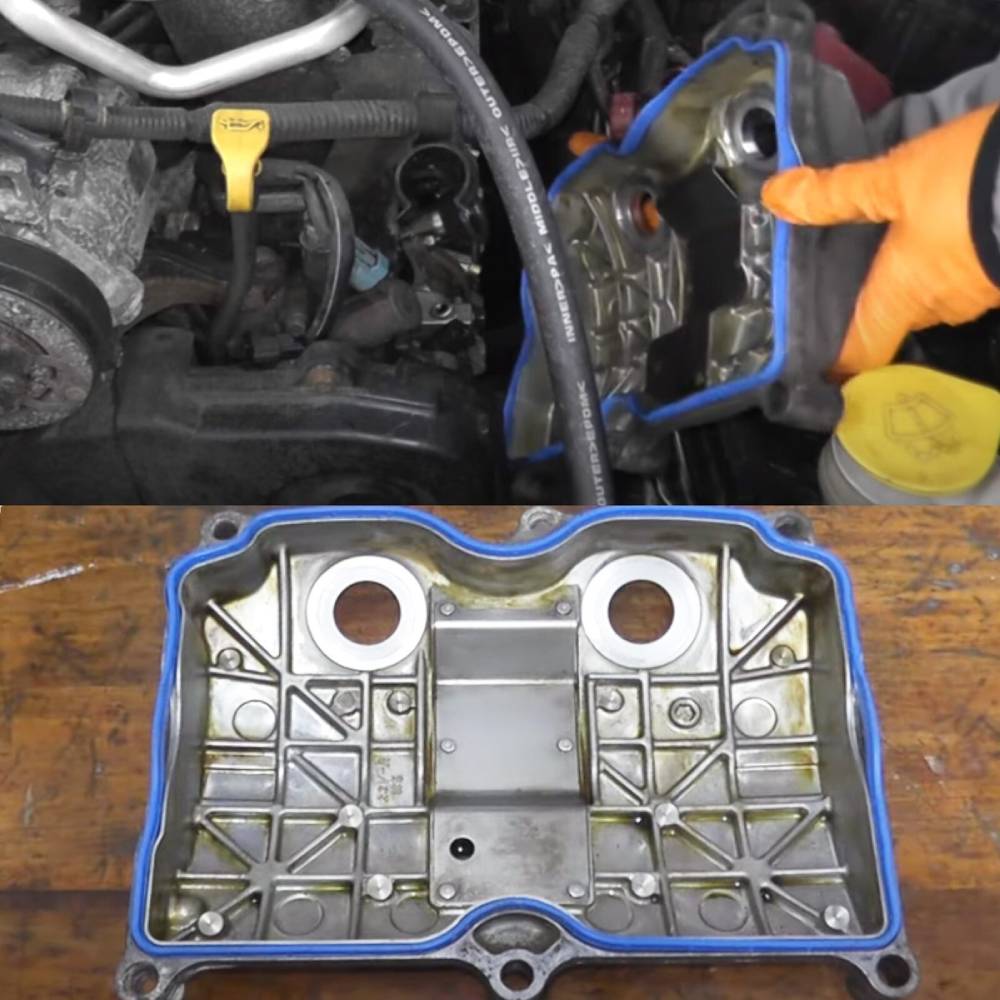
Understanding the Subaru Valve Cover Gasket
The valve cover gasket is a rubber or silicone seal positioned between the valve cover and the cylinder head. Its primary purpose is to prevent engine oil from leaking out while protecting internal engine components from dirt, moisture, and contaminants.
In Subaru vehicles, the valve cover gasket plays an especially important role because of the company’s boxer engine design. Unlike conventional inline or V shaped engines, Subaru boxer engines position the cylinders horizontally. This unique layout improves vehicle balance and handling, but it also places constant stress on engine seals and gaskets due to gravity and heat cycling.
Over time, exposure to high temperatures causes the gasket material to harden, shrink, or crack. Once the seal loses flexibility, engine oil begins to seep through small gaps around the valve cover. What starts as a minor oil leak can gradually become a larger problem that affects engine performance and reliability.
Most Subaru valve cover gaskets can last between 80,000 and 150,000 miles depending on driving conditions, maintenance habits, and engine operating temperatures. Vehicles frequently exposed to heavy traffic, towing, or extreme climates may experience gasket deterioration sooner than expected.
Understanding the function of the valve cover gasket helps Subaru owners recognize the importance of addressing leaks early. Replacing a worn gasket at the first signs of failure is significantly less expensive than repairing damage caused by prolonged oil leakage.
Signs You Need a Subaru Valve Cover Gasket Replacement
One of the earliest signs of valve cover gasket failure is a burning oil smell. As oil escapes from the valve cover, it may drip onto hot exhaust components, creating a noticeable odor that becomes stronger after driving.
Another common symptom is the appearance of oil spots beneath the vehicle. While several engine components can cause oil leaks, fresh oil accumulating near the sides of the engine often points toward a failing valve cover gasket.
Visual inspection can also reveal the problem. Open the hood and examine the perimeter of the valve covers. Wet, greasy surfaces or oil residue around the gasket area are strong indicators that the seal is no longer functioning properly.
Some Subaru owners notice light smoke coming from the engine bay, particularly after longer drives. This occurs when leaking oil burns on hot engine or exhaust surfaces. Although the smoke may appear minor at first, it should never be ignored.
A more serious symptom involves oil entering the spark plug tube wells. When oil contaminates ignition components, it can cause rough idling, reduced fuel efficiency, hesitation during acceleration, and occasional engine misfires.
Ignoring these warning signs can result in increased oil consumption and more extensive engine repairs. Identifying the symptoms early allows you to address the issue before significant damage occurs.
Common Subaru Models Affected
Valve cover gasket leaks can occur on virtually any Subaru model, but certain engines and vehicle generations are more commonly affected than others.
The Subaru Outback is one of the most frequently reported models for valve cover gasket leaks, particularly in higher mileage vehicles equipped with EJ series engines. Many owners begin noticing oil seepage once the vehicle exceeds 100,000 miles.
The Subaru Forester also experiences gasket wear as it ages. Because Foresters are often used for commuting, outdoor activities, and long distance travel, the engine undergoes repeated heating and cooling cycles that contribute to gasket deterioration.
Subaru WRX models can be especially susceptible due to higher engine temperatures and performance oriented driving habits. Increased heat accelerates the aging process of rubber seals and gaskets throughout the engine.
Owners of the Subaru Legacy, Impreza, and Crosstrek may encounter similar issues as mileage accumulates. While the exact repair procedure varies slightly by model and engine family, the underlying causes and symptoms remain largely the same.
Older EJ25 engines are particularly known for gasket related maintenance concerns, while newer FB25 engines generally offer improved sealing technology. However, even modern Subaru engines can develop valve cover gasket leaks as components age and heat exposure takes its toll.
Regardless of the model you drive, regular inspections can help identify leaks early and prevent oil from reaching critical engine components.
Tools and Parts Needed for Subaru Valve Cover Gasket Replacement
Before starting the repair, gathering all necessary tools and replacement parts will make the process smoother and help prevent delays. Since access to the valve covers can be limited on Subaru boxer engines, having the right equipment is especially important.
A standard socket set with extensions is essential for reaching bolts located in tight spaces. A torque wrench is equally important because overtightening valve cover bolts can damage the gasket and create new leaks. Screwdrivers, pliers, trim removal tools, shop towels, and a bright work light will also help during disassembly and reassembly.
For replacement parts, always use a high quality valve cover gasket kit designed specifically for your Subaru engine. Most technicians recommend replacing the spark plug tube seals at the same time because they experience similar wear and are easily accessible during the repair. New valve cover bolt grommets should also be installed whenever possible to ensure proper sealing pressure.
Many Subaru service manuals recommend applying a small amount of RTV sealant at specific locations where engine components meet. Using the correct sealant and applying it only where required helps create a reliable seal without causing excess material to enter the engine.
Additional supplies such as engine degreaser, brake cleaner, plastic scrapers, nitrile gloves, and safety glasses can make the job cleaner and safer. Spending a little extra time preparing beforehand often saves hours of frustration later.
Subaru Valve Cover Gasket Replacement Step by Step
Begin by parking the vehicle on a level surface and allowing the engine to cool completely. Disconnect the negative battery terminal to eliminate any risk of electrical issues while working around engine components.
Remove any parts obstructing access to the valve covers. Depending on the Subaru model, this may include the air intake assembly, battery, windshield washer reservoir, or other nearby components. Taking photos during disassembly can make reassembly easier later.
Next, remove the ignition coils or spark plug wires and carefully disconnect any hoses or electrical connectors attached to the valve cover. Labeling connectors can help avoid confusion during reinstallation.
Loosen the valve cover bolts gradually and remove them according to the manufacturer’s recommended sequence. Once the bolts are removed, gently separate the valve cover from the cylinder head. Avoid using excessive force or metal tools that could damage sealing surfaces.
Inspect the inside of the valve cover and surrounding areas for sludge, debris, or unusual wear. Thoroughly clean both mating surfaces using a plastic scraper and a suitable cleaning solvent. Any remaining oil residue can prevent the new gasket from sealing correctly.
Install the new valve cover gasket into the groove of the valve cover. Replace the spark plug tube seals and bolt grommets if included in the kit. Apply RTV sealant only at the factory specified locations.
Carefully position the valve cover onto the cylinder head and hand tighten all bolts. Use a torque wrench to tighten them according to Subaru specifications. Proper torque is critical because excessive force can distort the valve cover and cause future leaks.
Reinstall all removed components, reconnect electrical connectors, and reconnect the battery. Start the engine and inspect the repair area carefully for signs of leakage. Allow the engine to reach operating temperature and perform a final inspection before considering the repair complete.
Common Mistakes During Subaru Valve Cover Gasket Replacement
One of the most common mistakes is failing to clean the mating surfaces thoroughly. Even small amounts of old gasket material, dirt, or oil residue can prevent the new gasket from creating a proper seal. This often leads to leaks shortly after the repair is completed.
Another frequent error is overtightening the valve cover bolts. Many DIY mechanics assume tighter bolts create a better seal, but the opposite is often true. Excessive torque can crush the gasket, warp the valve cover, and damage bolt grommets.
Reusing old spark plug tube seals is another costly mistake. These seals are exposed to the same heat and aging process as the valve cover gasket. Installing a new gasket while leaving worn tube seals in place can result in continued oil leakage and unnecessary labor later.
Applying too much RTV sealant can also create problems. Excess sealant may squeeze into the engine and potentially restrict oil passages. Following Subaru’s recommended application points is the safest approach.
Some owners focus solely on the valve cover gasket without investigating other possible leak sources. Camshaft seals, crankshaft seals, oil pressure switches, and timing cover areas can also develop leaks that mimic valve cover gasket failure. A thorough inspection helps ensure the correct problem is being addressed.
Taking the time to avoid these common mistakes significantly increases the likelihood of a successful repair and reduces the risk of repeat leaks.
Subaru Valve Cover Gasket Replacement Cost
One of the biggest concerns for Subaru owners is the cost of repairing a leaking valve cover gasket. Fortunately, this repair is generally much less expensive than major engine work, especially when the problem is identified early.
For DIY enthusiasts, the total repair cost is relatively affordable. A quality valve cover gasket kit typically ranges from $25 to $80 depending on the Subaru model and engine type. Spark plug tube seals, valve cover bolt grommets, RTV sealant, cleaning supplies, and other miscellaneous materials may add another $20 to $50 to the total cost.
Most DIY repairs can therefore be completed for approximately $50 to $150, assuming the necessary tools are already available. This makes the repair an attractive option for owners looking to save money on maintenance.
Professional repair costs vary significantly based on labor rates, vehicle model, and engine configuration. Most repair shops charge between $250 and $700 for a complete valve cover gasket replacement. Vehicles with limited engine bay access may require additional labor time, increasing the final bill.
Turbocharged Subaru models and vehicles requiring extensive component removal often fall on the higher end of the pricing range. In some cases, technicians may recommend replacing additional seals while access is available, which can increase costs but may prevent future repairs.
Comparing the cost of proactive gasket replacement to the potential expense of repairing oil related engine damage makes the decision relatively simple. Addressing the issue early is usually the most economical approach.
How Long Does the Repair Take?
The amount of time required for a Subaru valve cover gasket replacement depends largely on experience level, available tools, and vehicle configuration.
First time DIY mechanics should expect to spend between four and eight hours completing the repair. Much of this time is spent learning the layout of the engine bay, carefully removing components, cleaning sealing surfaces, and verifying that everything is reassembled correctly.
Experienced DIY enthusiasts can often complete the job in two to four hours. Familiarity with Subaru boxer engines and proper preparation significantly reduces repair time.
Professional technicians typically require between one and three hours depending on the model and engine type. Their experience, specialized tools, and access to manufacturer repair information allow them to work more efficiently.
It is important not to rush the process. Taking extra time to clean surfaces properly, verify gasket placement, and follow torque specifications can prevent costly mistakes and ensure a long lasting repair.
For many Subaru owners, dedicating a weekend afternoon to the project is a worthwhile investment that can save hundreds of dollars in labor costs while providing valuable hands on experience.
Preventing Future Valve Cover Gasket Leaks
Although valve cover gaskets eventually wear out, proper maintenance can significantly extend their lifespan and reduce the likelihood of future leaks.
Regular oil changes are one of the most effective ways to protect engine seals and gaskets. Clean oil helps regulate engine temperature and reduces the accumulation of harmful deposits that can accelerate gasket deterioration.
Monitoring engine temperature is equally important. Excessive heat is one of the leading causes of gasket failure. Ensuring the cooling system functions correctly can help minimize thermal stress on engine components.
Routine visual inspections can also identify problems before they become serious. Checking the engine bay for signs of oil seepage every few months allows owners to catch small leaks before they develop into larger issues.
Addressing minor leaks immediately is another smart strategy. Small amounts of oil seepage may seem insignificant, but they often indicate that gasket materials are beginning to fail. Early intervention can prevent contamination of ignition components and reduce repair complexity.
Using high quality replacement parts during maintenance is equally important. Premium gasket materials often provide better durability and resistance to heat compared to lower quality alternatives.
Frequently Asked Questions
Can I drive with a leaking Subaru valve cover gasket?
Yes, but it is not recommended for extended periods. Even a minor leak can worsen over time and may eventually cause oil to reach hot exhaust components or critical ignition parts.
How serious is a valve cover gasket leak?
The severity depends on the amount of leakage. Small leaks may only create an odor, while larger leaks can contribute to oil loss, smoke, misfires, and engine damage if ignored.
Should I replace spark plug tube seals at the same time?
Absolutely. Since the tube seals are easily accessible during the repair and experience similar wear, replacing them simultaneously is considered best practice.
How often should valve cover gaskets be replaced?
There is no fixed replacement interval. Most Subaru valve cover gaskets last between 80,000 and 150,000 miles, depending on operating conditions and maintenance history.
Can a valve cover gasket leak cause engine damage?
Yes. Significant oil loss can reduce lubrication levels, while oil contamination of ignition components can lead to misfires and reduced engine performance.
Is Subaru valve cover gasket replacement difficult?
The repair is generally considered moderate in difficulty. While access can be limited due to the boxer engine layout, many owners successfully complete the repair using basic mechanical skills and proper instructions.
Conclusion
A leaking valve cover gasket is one of the most common maintenance issues Subaru owners encounter as their vehicles age. While the symptoms often begin with a simple burning oil smell or a few drops of oil on the driveway, ignoring the problem can eventually lead to more expensive repairs and potential engine damage.
Fortunately, a Subaru valve cover gasket replacement is a repair that many owners can successfully perform themselves. With the proper tools, quality replacement parts, and careful attention to detail, it is possible to eliminate oil leaks, improve engine reliability, and save a substantial amount of money compared to professional repair costs.
The key to success lies in early diagnosis, thorough cleaning, proper gasket installation, and following manufacturer torque specifications. Replacing related components such as spark plug tube seals and bolt grommets during the repair can further improve long term reliability.
If your Subaru is showing signs of oil leakage, now is the ideal time to inspect the valve covers and address the issue before it becomes more serious. A proactive approach to maintenance not only protects your engine but also helps ensure your Subaru continues delivering dependable performance for many years to come.