Few things are more frustrating than pulling up to a gas station only to discover that your Subaru gas cap is stuck. Whether you’re driving an Outback, Forester, Crosstrek, Legacy, or another Subaru model, a gas cap that refuses to open can quickly turn a routine refueling stop into an unexpected headache.
While a stuck gas cap may seem like a minor inconvenience, it can sometimes indicate underlying issues that should not be ignored. Dirt buildup, worn threads, damaged seals, corrosion, and even extreme weather conditions can all contribute to the problem. In some cases, a malfunctioning gas cap may also affect your vehicle’s EVAP system, potentially triggering a Check Engine Light and leading to additional diagnostic concerns.
Many Subaru owners make the mistake of forcing the cap open, which can damage the fuel filler neck, strip the cap threads, or create more expensive repairs down the road. Understanding the root cause of the issue is essential for applying the correct fix safely and effectively.
In this guide, we’ll explore the most common causes of a Subaru gas cap stuck problem, walk through proven troubleshooting methods, and share practical maintenance tips to help prevent the issue from happening again. By the end, you’ll know exactly what steps to take to keep your Subaru’s fuel system functioning properly.
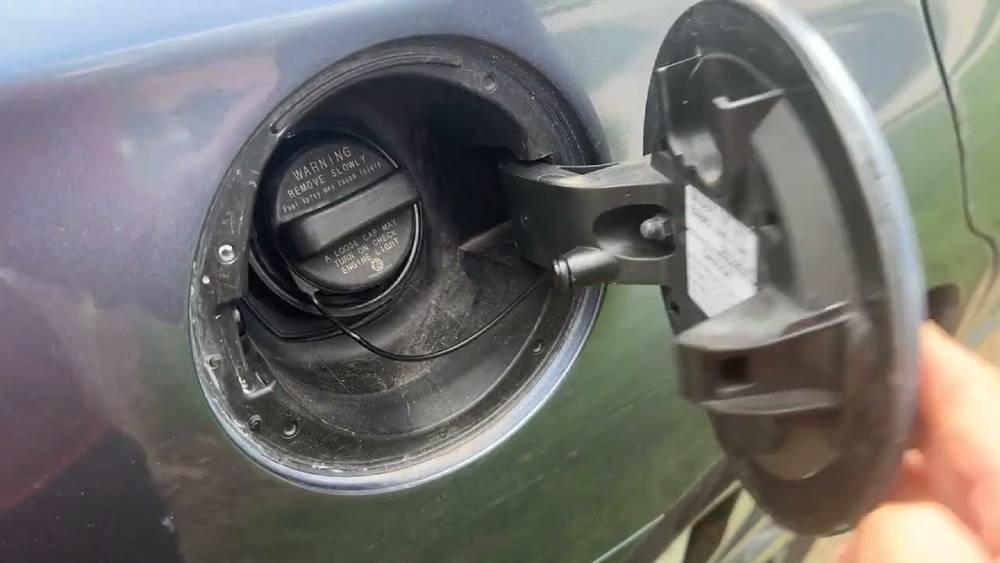
Understanding How a Subaru Gas Cap Works
Before troubleshooting a stuck gas cap, it helps to understand its purpose and how it functions within your Subaru’s fuel system.
Many drivers assume the gas cap simply covers the fuel tank opening. In reality, it plays a critical role in maintaining proper fuel system pressure and preventing fuel vapors from escaping into the atmosphere. Modern Subaru vehicles are equipped with an Evaporative Emission Control System, commonly known as the EVAP system. The gas cap serves as one of the primary sealing components within this system.
When the gas cap is properly installed, it creates an airtight seal that helps maintain fuel efficiency and supports emissions control. If the cap becomes damaged, worn, or unable to seal correctly, fuel vapors may leak from the tank. This can cause the vehicle’s onboard diagnostic system to detect a problem and illuminate the Check Engine Light.
A healthy gas cap should tighten smoothly, seal securely, and remove easily when refueling is necessary. If you notice resistance when turning the cap, unusual clicking sounds, difficulty removing it, or visible damage around the sealing area, these may be early warning signs that maintenance or replacement is needed.
Understanding how the gas cap works provides valuable context when diagnosing why it may become stuck and helps prevent unnecessary damage during troubleshooting.
Common Causes of a Subaru Gas Cap Stuck
Several factors can cause a Subaru gas cap to become difficult or impossible to remove. Identifying the root cause is the first step toward resolving the issue safely.
Dirt and Debris Around the Fuel Filler Neck
One of the most common causes is the accumulation of dirt, dust, and road debris around the fuel filler neck. Over time, contaminants can build up between the cap and the filler opening, creating additional friction that makes removal difficult.
Drivers who frequently travel on gravel roads, construction zones, or dusty environments may experience this issue more often. Fuel residue can also mix with dirt and create a sticky layer that effectively locks the cap in place.
Routine cleaning can often prevent this problem before it becomes serious.
Damaged or Worn Gas Cap Threads
The threads on both the gas cap and the fuel filler neck are designed to work together precisely. Repeated installation and removal over many years can gradually wear these threads down.
Cross threading is another common issue. This occurs when the cap is installed at an incorrect angle, causing the threads to misalign. Once damaged, the cap may become increasingly difficult to remove and could eventually seize in place.
Ignoring thread damage often leads to more expensive repairs because the fuel filler neck itself may require replacement.
Swollen or Deteriorated Rubber Seal
Every Subaru gas cap contains a rubber gasket that helps create an airtight seal. As the vehicle ages, exposure to fuel vapors, temperature fluctuations, and environmental contaminants can cause this rubber seal to deteriorate.
In some cases, the gasket expands or becomes brittle. A swollen seal may press tightly against the filler neck, making the cap difficult to turn. Older rubber components may also crack and create uneven pressure points that interfere with normal operation.
Inspecting the gasket regularly can help identify wear before it causes a stuck gas cap.
Rust, Corrosion, and Weather Related Problems
Environmental conditions can significantly affect the condition of a Subaru gas cap and fuel filler assembly.
Rust and corrosion are particularly common in regions with high humidity, frequent rainfall, or winter road salt exposure. Corrosion can develop on the metal components surrounding the filler neck, creating rough surfaces that increase resistance when removing the cap.
Cold weather presents another challenge. Moisture trapped around the cap can freeze during winter months, effectively bonding the cap to the filler neck. Drivers often encounter this problem during sudden temperature drops after rain or snowfall.
Attempting to force a frozen gas cap open can crack plastic components or damage the sealing mechanism. Instead, the affected area should be warmed gradually to allow ice buildup to melt safely.
Regular inspections become especially important for Subaru owners living in harsh climates. Catching early signs of corrosion or weather related damage can help avoid fueling difficulties and preserve the integrity of the fuel system over the long term.
How to Fix a Stuck Subaru Gas Cap Safely
Discovering that your Subaru gas cap is stuck can be frustrating, but the most important thing is to avoid using excessive force. Forcing the cap open may damage the threads, crack the cap housing, or even harm the fuel filler neck. Instead, follow a careful troubleshooting process to identify and resolve the issue safely.
Inspect the Area First
Begin by examining the gas cap and surrounding fuel filler area. Look for visible dirt, corrosion, ice buildup, or signs of physical damage. If the cap appears crooked or uneven, it may have been cross threaded during a previous installation.
A visual inspection often reveals simple problems that can be corrected without tools or replacement parts.
Use Gentle Pressure Techniques
Try turning the cap slowly while applying steady pressure. In some cases, gently tightening the cap a small amount before attempting to loosen it can help realign the threads and release the binding.
Avoid jerking motions or using pliers unless absolutely necessary. Excessive force may create additional damage and increase repair costs.
Warm the Cap During Cold Weather
If freezing temperatures are present, ice may be preventing the cap from turning. Applying gentle warmth around the fuel door and cap area can help melt trapped moisture.
A warm towel or a portable heat source designed for automotive use can often resolve the issue. Open flames or excessively hot devices should never be used near the fuel system due to obvious safety risks.
Clean the Fuel Filler Neck
If dirt or residue is suspected, carefully clean the filler neck and cap threads using a clean cloth. Removing accumulated debris may restore normal operation immediately.
For stubborn contamination, an automotive safe cleaner may help dissolve residue without damaging fuel system components.
Apply a Fuel Safe Lubricant
A small amount of fuel system compatible lubricant can reduce friction between the cap and filler neck. Apply only a light coating to the threads and sealing surfaces according to manufacturer recommendations.
Overapplication should be avoided because excess lubricant may attract dirt and create future problems.
Know When to Seek Professional Assistance
If the gas cap remains stuck after basic troubleshooting, professional inspection may be necessary. Broken internal mechanisms, severely damaged threads, or corrosion inside the filler neck often require specialized tools and replacement components.
Seeking help early can prevent a relatively minor issue from becoming a costly repair.
Can a Stuck Gas Cap Trigger a Check Engine Light?
Many Subaru owners are surprised to learn that a gas cap problem can directly affect vehicle diagnostics. In fact, one of the most common reasons for an unexpected Check Engine Light is a loose, damaged, or improperly sealed gas cap.
The EVAP system is designed to capture and recycle fuel vapors rather than allowing them to escape into the atmosphere. When the system detects a leak, even a small one, it may store a diagnostic trouble code and illuminate the Check Engine Light.
A stuck gas cap can contribute to this issue in several ways. If the cap cannot tighten correctly after refueling, the seal may be compromised. If the gasket is damaged or worn, vapor leaks may occur even when the cap appears secure. Corrosion and thread damage can also prevent the system from maintaining proper pressure.
Common EVAP related trouble codes include small leak and large leak conditions that are often traced back to fuel cap issues. While these codes do not always indicate a serious mechanical failure, they should not be ignored.
After repairing or replacing the gas cap, the vehicle may require several driving cycles before the onboard computer confirms that the problem has been resolved. In some cases, diagnostic codes may need to be cleared using a scan tool.
Addressing gas cap issues promptly can help prevent unnecessary emissions problems and reduce the likelihood of future warning lights.
Signs It’s Time to Replace Your Subaru Gas Cap
Although many gas cap issues can be repaired through cleaning or maintenance, there comes a point when replacement becomes the most practical solution.
One of the clearest indicators is visible physical damage. Cracks, broken locking tabs, deformed plastic components, or damaged threads can all compromise the cap’s ability to function properly.
A worn rubber gasket is another common reason for replacement. If the seal appears brittle, swollen, flattened, or cracked, it may no longer provide the airtight connection required by the EVAP system.
Repeated Check Engine Light warnings related to fuel vapor leaks should also be taken seriously. If diagnostic inspections repeatedly point to the gas cap, replacing it may be more cost effective than continuing to troubleshoot an aging component.
Drivers may also notice a fuel smell around the vehicle after parking. This can indicate a sealing problem that allows vapors to escape from the tank. Beyond the unpleasant odor, fuel vapor leaks can negatively impact emissions performance.
Difficulty tightening or removing the cap on a regular basis is another warning sign. Gas caps are relatively inexpensive compared to other fuel system components, making proactive replacement a smart preventative maintenance decision.
Installing a high quality replacement cap can restore proper sealing, improve reliability, and help prevent future instances of a Subaru gas cap stuck situation.
Prevention Tips to Avoid Future Subaru Gas Cap Problems
Preventing a stuck gas cap is usually much easier and less expensive than dealing with one after it becomes a problem. A few simple maintenance habits can significantly extend the life of your gas cap and help ensure smooth operation every time you refuel.
Clean the Gas Cap Regularly
Dirt, dust, fuel residue, and road grime gradually accumulate around the gas cap and filler neck. Over time, these contaminants can increase friction and interfere with proper sealing.
Whenever you wash your vehicle or perform routine maintenance, take a moment to inspect and wipe down the gas cap and surrounding area. Keeping these components clean reduces the likelihood of sticking and helps maintain an effective seal.
Avoid Over Tightening
Many drivers mistakenly believe that tightening the gas cap as much as possible provides a better seal. In reality, over tightening can place unnecessary stress on the threads, gasket, and internal locking mechanism.
Most Subaru gas caps are designed to click once they have reached the proper tightness. Continuing to tighten beyond this point offers no additional benefit and may contribute to premature wear.
Inspect the Rubber Seal Periodically
The rubber gasket plays a crucial role in preventing fuel vapor leaks. Regular inspections allow you to identify signs of cracking, swelling, hardening, or deformation before they lead to larger problems.
Replacing a worn gasket or gas cap early can help avoid EVAP system issues and reduce the risk of the cap becoming stuck.
Protect the Vehicle During Winter
Cold weather can create conditions that encourage moisture accumulation and ice formation around the fuel door and cap assembly.
If you live in an area that experiences freezing temperatures, consider parking in a garage whenever possible. Removing snow and ice from around the fuel door after storms can also help prevent freezing issues.
Replace Aging Components Promptly
Like any automotive part, gas caps have a finite lifespan. Years of exposure to fuel vapors, temperature fluctuations, and environmental conditions gradually weaken seals and internal mechanisms.
Replacing an aging gas cap before it fails can save time, reduce frustration, and help maintain proper fuel system performance.
Follow Subaru Maintenance Recommendations
Routine vehicle inspections often identify small issues before they become significant repairs. Following Subaru’s recommended maintenance schedule can help ensure that fuel system components remain in good working condition.
Proactive care is one of the most effective ways to avoid unexpected gas cap problems and preserve the reliability of your vehicle.
Frequently Asked Questions
Why won’t my Subaru gas cap turn?
A Subaru gas cap may become difficult to turn due to dirt buildup, damaged threads, a swollen rubber gasket, corrosion, or freezing temperatures. Inspecting the cap and filler neck can often help identify the root cause.
Can I drive with a stuck gas cap?
In most cases, you can continue driving if the gas cap remains securely attached. However, if the cap cannot seal properly or causes fuel vapor leaks, it may trigger a Check Engine Light and affect the EVAP system. The issue should be addressed as soon as possible.
How much does a replacement Subaru gas cap cost?
Replacement gas caps are generally affordable. Depending on the vehicle model and whether you choose an original equipment or aftermarket part, costs typically range from approximately $15 to $50, excluding installation.
Will a bad gas cap cause a Check Engine Light?
Yes. A damaged, loose, or improperly sealed gas cap is one of the most common causes of EVAP system leak codes and Check Engine Light warnings.
How often should I replace my Subaru gas cap?
There is no universal replacement interval, but regular inspections are recommended. If the cap shows visible wear, sealing problems, damaged threads, or recurring EVAP codes, replacement is usually the best solution.
Conclusion
A Subaru gas cap stuck issue may seem like a small inconvenience, but it can quickly become a frustrating problem that affects both daily driving and the overall health of your vehicle’s fuel system. Understanding the most common causes, including dirt buildup, worn threads, damaged seals, corrosion, and extreme weather conditions, can make troubleshooting far more effective.
Fortunately, many gas cap problems can be resolved with simple maintenance procedures such as cleaning the filler neck, inspecting the gasket, removing debris, or replacing a worn cap. Taking prompt action not only restores normal operation but also helps prevent fuel vapor leaks and unnecessary Check Engine Light warnings.
The best approach is prevention. Regular inspections, proper tightening techniques, seasonal maintenance, and timely replacement of aging components can significantly reduce the likelihood of future problems. These simple habits require very little time yet can save considerable frustration and repair expenses in the long run.
If you encounter a Subaru gas cap stuck situation, remain patient and avoid forcing the cap open. A careful diagnosis and the right solution will help protect your fuel system, maintain emissions performance, and keep your Subaru operating reliably for years to come.