A vehicle’s paint does more than improve appearance. It protects the body from moisture, corrosion, sunlight, and daily environmental exposure. When the paint starts to peel, bubble, or fade, many owners immediately ask the same question. Does the Honda Paint Warranty cover the damage?
The answer depends on several factors. Honda reviews the cause of the damage, the vehicle’s warranty status, and the inspection results before making a decision. A factory paint defect may qualify for warranty coverage. However, damage caused by road debris, scratches, harsh chemicals, bird droppings, or poor maintenance usually does not qualify.
Many Honda owners believe the manufacturer covers every paint problem. This common misunderstanding often leads to frustration when a dealership denies a warranty claim. Knowing the difference between a factory defect and normal wear can save both time and money. It also helps owners prepare the right documents before requesting an inspection.
This guide explains everything you need to know about the Honda Paint Warranty. You will learn what the warranty covers, how long the protection lasts, and which situations fall outside the coverage. You will also discover how to file a claim, why some claims receive approval, and what to do if Honda rejects your request. Whether you have peeling paint, clear coat failure, bubbling, or premature fading, this guide will help you understand your options and make informed decisions before paying for repairs.
Does Honda Have a Paint Warranty?
Many Honda owners search for the term Honda Paint Warranty after they notice peeling paint, bubbling, or clear coat failure. However, Honda does not offer a separate warranty that only covers paint. Instead, paint related issues may qualify for protection under the vehicle’s factory warranty if the damage results from defective materials or workmanship.
This distinction is important because not every paint problem has the same cause. A factory defect develops during the manufacturing process. In contrast, damage from road debris, accidental scratches, harsh weather, or improper maintenance happens after the vehicle leaves the factory. Honda evaluates each case to determine whether the condition resulted from a manufacturing defect or an outside factor.
In some situations, a paint defect may appear shortly after purchase. The finish may begin to peel, lose its clear coat, or develop bubbles without any visible impact damage. If an inspection confirms that the problem resulted from a factory defect, Honda may approve the repair under the applicable warranty. The final decision depends on the vehicle’s warranty status and the findings of an authorized Honda dealer.
Many owners also confuse paint coverage with rust protection. These warranties serve different purposes. Paint related coverage focuses on defects in factory materials or workmanship. Rust protection applies to specific corrosion issues that meet the conditions described in Honda’s warranty documentation. Surface rust and cosmetic discoloration do not always qualify for warranty repairs.
Before submitting a claim, owners should identify the type of paint damage and review the warranty booklet for their specific model year. This simple step helps set realistic expectations and reduces the chance of unnecessary repair costs. It also makes the inspection process easier because the dealership can compare the reported damage with the warranty requirements.
How Long Does the Honda Paint Warranty Last?
The length of Honda Paint Warranty coverage depends on the type of warranty that applies to your vehicle. Honda does not assign one fixed period for every paint related issue. Instead, the coverage follows the terms outlined in the warranty booklet for your specific model year.
Most factory paint defects fall under the New Vehicle Limited Warranty. If a defect results from faulty materials or workmanship, Honda may repair the affected area during the applicable warranty period. Owners should always check the official warranty booklet because the coverage can vary depending on the model year and market.
Honda also provides separate protection for rust perforation. This warranty applies when corrosion starts inside a body panel and eventually creates a hole through the metal. Surface rust does not meet this definition, so it normally does not qualify for repair under the rust perforation warranty. Understanding this difference helps owners avoid confusion when they notice early signs of corrosion.
The warranty period begins on the vehicle’s original in service date rather than the date a second owner purchases the car. As a result, anyone buying a used Honda should verify the original delivery date before assuming the remaining warranty coverage. A vehicle history report and service records can also provide valuable information about previous repairs.
If you are unsure whether your Honda still qualifies for paint related coverage, contact an authorized Honda dealer. The dealership can verify the warranty status by checking the vehicle identification number, current mileage, and service history. Taking a few minutes to confirm this information can save time and prevent unexpected repair expenses later.
What Does the Honda Paint Warranty Cover?
The Honda Paint Warranty may cover paint defects that result from faulty materials or factory workmanship. Honda reviews each case individually before approving a repair. The inspection focuses on the cause of the damage instead of its appearance alone. If the dealer finds evidence of a manufacturing defect, the repair may qualify for warranty coverage.
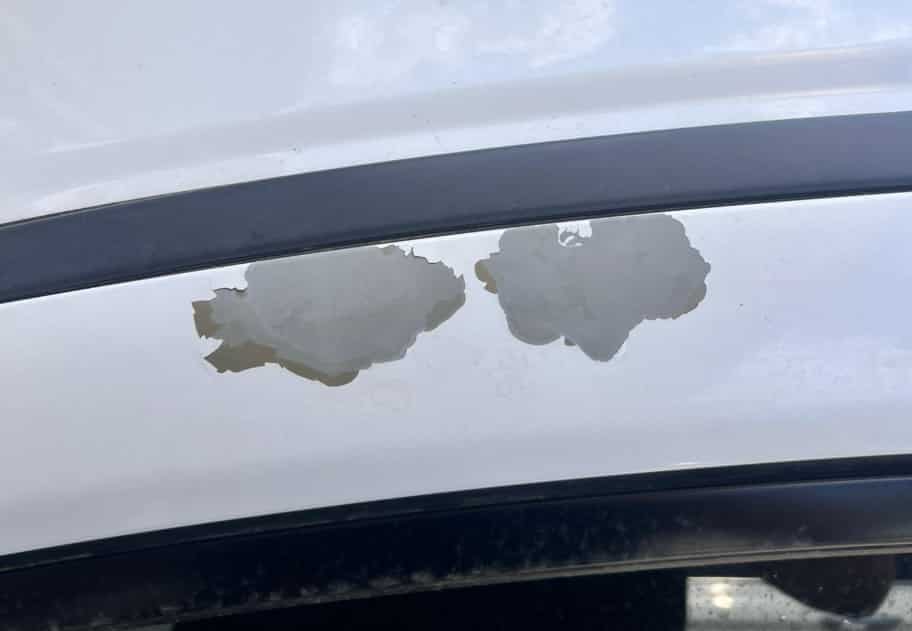
One of the most common issues is paint peeling. This problem occurs when the paint loses adhesion and separates from the surface. Peeling often appears without signs of impact or misuse. If the affected panel still has its original factory finish, Honda may inspect the condition to determine whether a manufacturing defect caused the failure.
Clear coat failure is another issue that owners frequently report. The clear coat protects the paint and gives the vehicle its glossy finish. When it begins to separate, the surface may look dull, cloudy, or flaky. A dealer will examine the damaged area to identify the underlying cause before deciding whether the warranty applies.
Some vehicles also develop paint bubbling. Small bubbles may appear beneath the paint when moisture, contamination, or poor adhesion affects the finish. In certain situations, bubbling can indicate a factory defect. However, corrosion caused by external damage or neglected paint chips may lead to a different conclusion during the inspection.
Premature fading or discoloration may also raise warranty questions. Paint naturally changes over time because of sunlight and weather exposure. However, unusual fading that appears much earlier than expected may require further evaluation. Honda considers several factors before determining whether the condition resulted from defective materials or normal aging.
Rust beneath the paint deserves careful attention as well. Corrosion can spread under the surface long before it becomes visible. If rust develops because of a manufacturing issue and meets the warranty requirements, Honda may approve the repair. On the other hand, rust that starts from scratches, stone chips, or collision damage usually falls outside warranty coverage.
Every warranty claim depends on the inspection results. Vehicle age, mileage, maintenance history, and previous body repairs can all influence the final decision. For this reason, owners should document the damage as soon as they notice it and schedule an inspection before attempting any repairs or repainting.
What Is Not Covered?
The Honda Paint Warranty does not cover every type of paint damage. In many cases, the condition develops after the vehicle leaves the factory. When outside factors cause the damage, the owner is usually responsible for the repair costs.
Stone chips are one of the most common examples. Small rocks and road debris can strike the front of the vehicle while driving. These impacts often damage the paint on the hood, bumper, fenders, and side mirrors. Since the damage occurs during normal use, it does not qualify as a factory defect.
Scratches and collision damage also fall outside normal warranty coverage. Parking accidents, shopping carts, and minor impacts can leave visible marks on the paint. Even if the damage appears minor, Honda does not consider these problems to result from defective materials or workmanship.
Environmental contamination can also affect the vehicle’s finish. Bird droppings, tree sap, insect residue, and hard water spots may stain or damage the clear coat if they remain on the surface for an extended period. Regular cleaning helps prevent permanent damage and protects the paint from unnecessary deterioration.
Improper maintenance is another common reason for rejected claims. Harsh chemicals, abrasive cleaning products, and automatic car washes with stiff brushes can scratch or weaken the paint over time. Owners should always follow Honda’s recommended cleaning practices to preserve the factory finish.
Previous body repairs may also affect warranty eligibility. If a panel has been repainted or repaired by an independent body shop, Honda may determine that the original factory finish no longer exists. As a result, the repaired area may not qualify for warranty coverage.
Normal wear should not be confused with a manufacturing defect. Every vehicle experiences gradual aging as it is exposed to sunlight, rain, dust, and changing temperatures. Slight fading or minor cosmetic changes often develop over time and usually do not indicate a problem with the original paint.
If you are unsure whether your paint damage qualifies for warranty coverage, schedule an inspection with an authorized Honda dealer before making any repairs. A professional evaluation can identify the cause of the damage and help you understand the available repair options.
How to Tell If Your Paint Damage Qualifies for Warranty
Not every paint problem qualifies for warranty coverage. Before visiting a dealership, you can perform a simple visual inspection to identify signs that may indicate a factory defect. While this check cannot replace a professional evaluation, it can help you understand whether the damage is more likely related to manufacturing or everyday use.
Start by examining the affected area closely. Factory defects often appear without any signs of impact. The paint may peel, bubble, or separate from the surface even though the panel has no scratches or dents. If the damage develops on multiple panels with the original factory finish, the issue may deserve further inspection.
Next, look for evidence of external damage. Stone chips, deep scratches, and dents usually point to road hazards or accidental contact. In these situations, the damaged area often begins at the point of impact and spreads outward over time. Honda generally considers this type of damage outside normal warranty coverage.
The age and mileage of the vehicle also play an important role. Paint defects that appear shortly after purchase may receive closer attention than problems that develop many years later. If your Honda is still within the applicable warranty period, schedule an inspection as soon as you notice the damage. Waiting too long may make it more difficult to determine the original cause.
You should also review the vehicle’s repair history. Previous repainting or body repairs can affect the inspection results. If an independent repair shop has already worked on the damaged panel, Honda may not be able to verify the condition of the original factory paint.
Good documentation can strengthen your claim. Take clear photos from different angles as soon as the problem appears. Record the date when you first noticed the damage and keep copies of maintenance records and repair invoices. This information helps the dealership understand how the condition developed over time.
The final decision always depends on the dealership’s inspection. A technician will examine the paint, check for signs of previous repairs, and determine whether the damage resulted from defective materials, factory workmanship, or external factors. If the evidence supports a manufacturing defect, the vehicle may qualify for warranty coverage under the applicable Honda warranty.
How to File a Honda Paint Warranty Claim
Filing a Honda paint warranty claim is a straightforward process when you prepare the necessary information in advance. Taking the right steps can help the dealership evaluate the damage more efficiently and reduce delays during the inspection.
Begin by confirming that your vehicle may still qualify for warranty coverage. Review the warranty booklet for your model year and check the vehicle’s current mileage. If you are unsure about the remaining coverage, an authorized Honda dealer can verify the warranty status using the vehicle identification number.
Next, gather all relevant documents before scheduling an appointment. Bring your vehicle registration, service records, and any repair invoices related to the affected area. You should also take clear photos of the damage from several angles. Close up images and wider views help show both the condition and the location of the problem.
Once you have prepared the documents, contact an authorized Honda dealer to arrange an inspection. Describe the issue clearly and explain when you first noticed it. Avoid assuming that the repair is covered. Instead, ask the dealer to inspect the paint and determine whether the condition may qualify under the applicable warranty.
Do not polish, sand, or repaint the damaged area before the inspection. Any changes to the original finish can make it more difficult for the technician to identify the cause of the problem. Keeping the paint in its current condition allows the dealer to complete a more accurate evaluation.
During the inspection, a technician will examine the affected panel and look for signs of impact, previous repairs, corrosion, or environmental damage. The dealer may also review the vehicle’s service history and take additional photographs. In some cases, the inspection results must be submitted to Honda for further review before a final decision is made.
If Honda approves the claim, the dealer will explain the recommended repair. Depending on the condition, the solution may involve repainting the affected panel or performing another approved repair. If Honda denies the claim, ask the dealer to explain the reason and request the decision in writing. This information can help you decide whether to seek another evaluation or contact Honda Customer Service for additional assistance.
Why Honda Paint Warranty Claims Are Sometimes Denied
Many owners feel disappointed when Honda denies a paint warranty claim. However, a denial does not always mean the inspection was incorrect. In many cases, the available evidence does not support a manufacturing defect.
One common reason is impact damage. A small stone chip or scratch can break the paint surface and expose the metal underneath. Moisture may then enter the damaged area and cause the paint to peel or the metal to corrode. Although the paint failure appears later, the original cause was external damage rather than a factory defect.
Previous repairs can also affect the decision. If the damaged panel has been repainted or repaired by an independent body shop, Honda may not be able to evaluate the original factory finish. Without the original paint, it becomes difficult to determine whether the problem started during manufacturing.
Poor maintenance is another factor that may lead to a denied claim. Paint requires regular washing and protection from harmful contaminants. Bird droppings, tree sap, road salt, and harsh chemicals can damage the finish if they remain on the surface for too long. Honda may conclude that the condition resulted from environmental exposure instead of defective materials.
The vehicle’s warranty status also matters. If the applicable warranty period has expired, Honda will usually reject the claim even when the paint damage appears similar to a factory defect. Owners should report unusual paint problems as soon as they notice them instead of waiting until the condition becomes more severe.
Some claims are denied because there is not enough supporting evidence. Photos taken after the damage has spread may not show how the problem began. Missing service records can also make it harder to confirm that the vehicle received proper care throughout its ownership.
You can improve the chances of approval by acting early. Document the damage when it first appears. Keep maintenance records in a safe place. Schedule an inspection before attempting any repairs or repainting. Clear evidence allows the dealership to perform a more accurate evaluation and helps Honda make an informed warranty decision.
How Much Does Paint Repair Cost Without Warranty?
If your Honda Paint Warranty claim is denied, you will need to pay for the repair yourself. The total cost depends on the size of the damaged area, the severity of the paint failure, the vehicle color, and the repair method. Labor rates and location can also affect the final price.
Minor paint chips and light scratches are usually the least expensive to repair. A technician may be able to perform a touch up or a small spot repair without repainting the entire panel. These repairs generally cost much less than extensive refinishing work.
Moderate damage often requires repainting a complete panel. This process involves preparing the surface, matching the original paint color, applying several paint layers, and finishing with a clear coat. Proper color matching takes time and skill, especially for metallic or pearl finishes.
Severe damage can significantly increase the repair cost. Peeling paint, widespread clear coat failure, or corrosion may require additional surface preparation before repainting begins. If rust has spread beneath the paint, the technician may need to repair or replace damaged metal before restoring the finish.
Many owners consider independent body shops because they may offer lower labor rates than dealerships. However, experience and workmanship are just as important as price. A poor quality repair can lead to uneven color, visible paint lines, or reduced resale value. Choosing a reputable repair facility often provides better long term results.
Requesting estimates from more than one repair shop is a practical way to compare costs and services. Ask each shop to explain what the estimate includes, whether they use original paint specifications, and what type of workmanship warranty they provide. Comparing several estimates helps you make a more informed decision instead of choosing the lowest price alone.
If the repair is not covered by warranty, addressing the damage early can still save money. Small paint defects are usually easier and less expensive to repair than larger areas affected by peeling paint or corrosion. Prompt repairs also help protect the vehicle’s appearance and preserve its value over time.
How to Protect Your Honda’s Paint
Protecting your Honda’s paint is easier than repairing it. Regular care helps preserve the factory finish, reduces the risk of corrosion, and maintains the vehicle’s appearance for years.
Wash your vehicle regularly with a pH balanced car shampoo. Dirt, road salt, and other contaminants can slowly damage the paint if they remain on the surface for long periods. Use a soft microfiber wash mitt and dry the vehicle with a clean microfiber towel to reduce the risk of scratches.
Remove bird droppings, tree sap, and insect residue as soon as possible. These substances contain chemicals that can damage the clear coat when exposed to heat and sunlight. Prompt cleaning helps prevent permanent stains and surface deterioration.
Apply a quality wax or paint sealant several times each year. A protective layer helps shield the paint from ultraviolet rays, moisture, and environmental contaminants. Although wax cannot prevent every type of damage, it can reduce daily wear and keep the finish looking glossy.
Park in covered areas whenever possible. A garage or carport protects the vehicle from direct sunlight, hail, and falling debris. If covered parking is unavailable, consider using a breathable car cover designed for outdoor use.
Drive carefully on gravel roads and behind large trucks. Loose stones can strike the front of the vehicle and create paint chips that expose the metal underneath. Installing paint protection film on high impact areas may provide additional protection against road debris.
Inspect the paint on a regular basis. Look for small chips, scratches, or early signs of peeling. Addressing minor damage quickly can prevent moisture from reaching the metal and reduce the risk of corrosion. Early repairs are often less expensive and help preserve the vehicle’s resale value.
Frequently Asked Questions
Does Honda cover peeling paint under warranty?
Honda may cover peeling paint if the inspection confirms that the problem resulted from defective materials or factory workmanship. Damage caused by impact, poor maintenance, or environmental exposure is generally not covered.
Does the Honda Paint Warranty transfer to a new owner?
In many cases, the remaining factory warranty stays with the vehicle rather than the original owner. However, the available coverage depends on the warranty terms for the specific model year and market.
Can I file a warranty claim after repainting the damaged area?
Repainting the affected panel before an inspection can make it difficult for Honda to evaluate the original factory finish. It is best to schedule an inspection before making any repairs.
What should I bring to a dealership for a paint warranty inspection?
Bring the vehicle, maintenance records, service invoices, and clear photos of the damage if available. These documents can help the technician understand when the problem first appeared and how it developed.
How long does a paint warranty inspection take?
Inspection times vary by dealership and the complexity of the damage. Some inspections take less than an hour, while others require additional documentation or review by Honda before a final decision is made.
Can regular maintenance improve the chance of warranty approval?
Yes. Keeping service records and caring for the vehicle according to Honda’s recommendations demonstrates that the paint received proper maintenance. While this does not guarantee approval, it can support your claim during the inspection.
Conclusion
Understanding the Honda Paint Warranty helps you respond quickly when paint problems appear. While Honda may cover defects caused by faulty materials or factory workmanship, many forms of paint damage result from everyday use and fall outside normal warranty coverage. Knowing the difference can save both time and unnecessary repair expenses.
If you notice peeling paint, bubbling, clear coat failure, or unusual discoloration, inspect the affected area as soon as possible and arrange an evaluation with an authorized Honda dealer. Document the damage, keep your maintenance records, and avoid repairing the area before the inspection. These simple steps can strengthen your claim and make the evaluation process more efficient.
Even if your vehicle no longer qualifies for warranty coverage, proper paint care remains a worthwhile investment. Regular washing, protective coatings, and prompt repairs help preserve your Honda’s appearance, reduce the risk of corrosion, and maintain its long term value. By understanding your warranty and following good maintenance practices, you can keep your vehicle looking its best for many years.