If your Subaru has recently started hesitating during acceleration, jerking unexpectedly, or displaying a Check Engine Light related to transmission issues, you may have been told that the valve body needs replacement. For many owners, this diagnosis comes with a second shock: the repair estimate. Depending on the model, location, and repair shop, a Subaru valve body replacement can cost anywhere from $1,100 to over $3,000.
The valve body is one of the most important components inside Subaru’s Continuously Variable Transmission (CVT) system. It controls the flow of transmission fluid and helps ensure smooth operation under different driving conditions. When it begins to fail, drivers may experience delayed acceleration, rough shifting behavior, warning lights, or even transmission limp mode.
One of the biggest concerns for Subaru owners is determining whether the quoted repair cost is reasonable or if there are more affordable alternatives. Some vehicles may qualify for warranty coverage, while others could be repaired without replacing the entire transmission assembly.
In this complete pricing guide, we will break down the average Subaru valve body replacement cost, explain the factors that influence repair expenses, compare replacement versus repair options, and help you make an informed decision before spending thousands of dollars on transmission repairs.
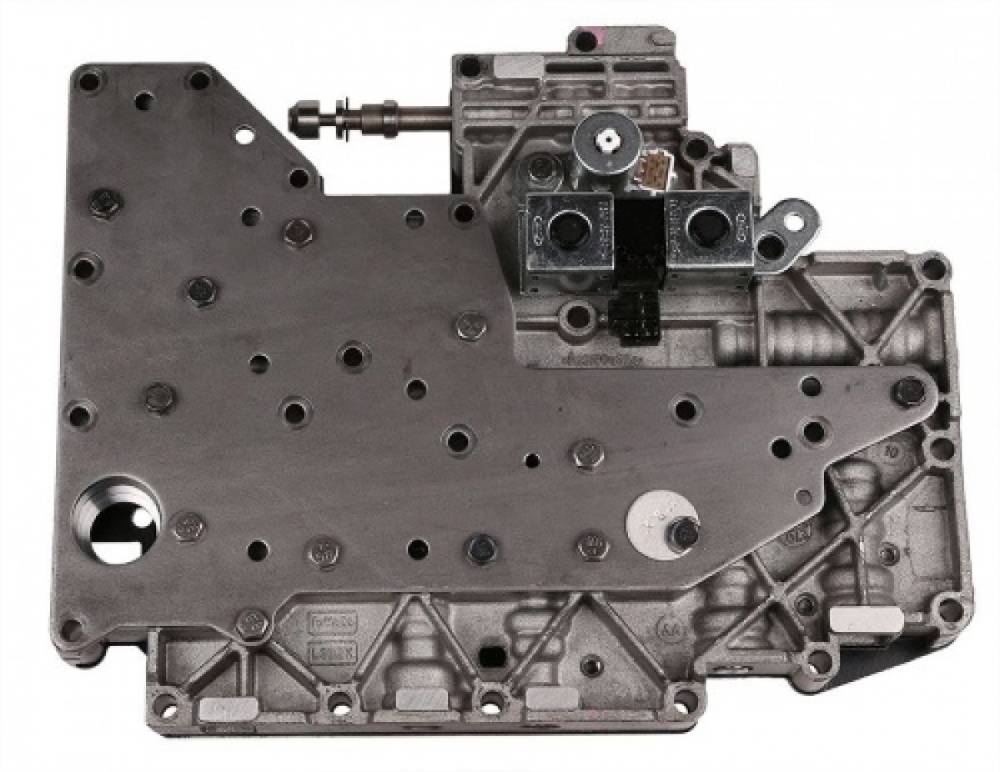
What Is a Subaru Valve Body?
The valve body is often described as the “brain” of a transmission because it directs the flow of hydraulic fluid throughout the system. In Subaru vehicles equipped with a Continuously Variable Transmission (CVT), the valve body plays an even more critical role. It contains a network of channels, valves, and electronic solenoids that regulate fluid pressure and coordinate transmission functions in real time.
When you accelerate, slow down, or change driving conditions, the valve body responds by adjusting hydraulic pressure to maintain smooth power delivery. This process happens continuously and is essential to the operation of Subaru’s CVT system. Unlike traditional automatic transmissions that rely on fixed gears, CVTs constantly adjust gear ratios, making precise fluid control extremely important.
Over time, internal components within the valve body can wear out. Solenoids may fail, passages can become contaminated, and electrical faults can develop. When this happens, the transmission may struggle to operate correctly, leading to performance issues that many drivers initially mistake for a failing transmission.
Because the valve body controls so many critical functions, even a relatively small defect can create noticeable drivability problems. Fortunately, in many cases, replacing the valve body is significantly less expensive than replacing the entire transmission assembly.
Signs Your Subaru Valve Body Needs Replacement
Recognizing the warning signs early can save Subaru owners thousands of dollars in repair costs. A failing valve body often starts with subtle symptoms before progressing into more serious transmission issues.
One of the most common signs is delayed acceleration. Drivers may notice that the vehicle hesitates for a few seconds after pressing the accelerator pedal. This delay occurs because the transmission is struggling to build and regulate hydraulic pressure correctly.
Another frequent symptom is transmission jerking or shuddering. Instead of delivering smooth power, the vehicle may lurch during acceleration or deceleration. These sudden movements can become more noticeable as the valve body deteriorates.
Many Subaru owners first discover a valve body problem when the Check Engine Light appears. Diagnostic trouble codes such as P0700, P0970, P0971, and P2763 are commonly associated with transmission control and solenoid issues. While these codes do not always confirm valve body failure, they often point technicians in that direction.
In more advanced cases, the transmission may enter limp mode. This protective feature limits vehicle performance to prevent further damage. Drivers may experience reduced speed, poor acceleration, and restricted transmission operation.
Other warning signs include fluctuating engine RPMs, unusual transmission noises, difficulty maintaining speed, and vibration during acceleration. Ignoring these symptoms can eventually lead to additional transmission damage and significantly higher repair bills.
Average Subaru Valve Body Replacement Cost
One of the most common questions Subaru owners ask is: “How much does a valve body replacement actually cost?” The answer depends on several factors, including the vehicle model, repair facility, geographic location, and whether original equipment manufacturer (OEM) or aftermarket parts are used.
On average, Subaru valve body replacement costs range between $1,100 and $3,000. The valve body itself is typically the most expensive component, with parts prices ranging from approximately $700 to $1,500. Labor costs generally add another $300 to $1,000 depending on local labor rates and the complexity of the repair.
Additional expenses may include diagnostic testing, transmission fluid replacement, software updates, and related service fees. Many repair shops recommend replacing transmission fluid during the valve body installation process, which can add another $100 to $300 to the final invoice.
Dealerships generally charge more than independent repair shops due to higher labor rates and the use of genuine Subaru components. While dealership repairs often come with stronger warranty coverage, many experienced transmission specialists can perform the same repair at a lower overall cost.
Vehicle condition also plays a significant role. If technicians discover additional transmission damage during inspection, repair costs can increase substantially. In some cases, what initially appears to be a valve body issue may reveal deeper internal transmission problems requiring more extensive repairs.
For most Subaru owners, obtaining multiple estimates and verifying the exact cause of the transmission issue before authorizing repairs can result in significant savings and prevent unnecessary expenses.
Subaru Valve Body Replacement Cost by Model
The cost of replacing a valve body can vary significantly depending on the Subaru model you drive. Differences in transmission design, parts availability, labor requirements, and model year all contribute to the final repair bill.
Subaru Outback
The Subaru Outback is one of the most commonly reported models for CVT-related valve body issues, particularly in vehicles produced between 2010 and 2018. Owners can generally expect replacement costs ranging from $1,200 to $2,500. Newer models may require more advanced diagnostics and software programming, which can increase labor expenses.
Subaru Forester
Forester owners typically pay between $1,100 and $2,400 for a valve body replacement. Repair costs tend to be lower on older models due to simpler system configurations, while newer versions may require additional electronic calibration after installation.
Subaru Legacy
The Legacy shares many transmission components with the Outback, resulting in similar repair costs. Most owners report spending between $1,200 and $2,600 depending on the severity of the issue and the repair facility chosen.
Subaru Crosstrek
Valve body replacement costs for the Crosstrek generally range from $1,100 to $2,300. Since many Crosstrek models utilize Subaru’s CVT platform, labor procedures are often straightforward for experienced technicians.
Subaru Ascent
The Subaru Ascent typically carries the highest repair costs among popular Subaru models. Due to its larger size, heavier drivetrain demands, and more complex transmission setup, owners may face repair bills ranging from $1,500 to $3,000 or more.
While these figures provide a useful benchmark, actual costs can vary based on location, mileage, and whether additional transmission components require attention during the repair process.
Factors That Affect Subaru Valve Body Replacement Cost
Several variables influence the final cost of a Subaru valve body replacement. Understanding these factors can help owners evaluate repair estimates and avoid overpaying.
One of the biggest factors is vehicle age. Older Subaru models may benefit from lower labor costs and greater parts availability, while newer vehicles often require specialized diagnostic equipment and software updates.
Model year also plays an important role. Certain generations of Subaru CVT transmissions use different valve body designs, which can affect both parts pricing and repair complexity. Some models may require complete valve body assemblies, while others allow partial component replacement.
Geographic location can have a major impact on labor expenses. Repair shops in large metropolitan areas often charge significantly higher hourly rates than facilities in smaller cities or rural regions. Labor rates alone can create several hundred dollars of difference between two otherwise identical repairs.
The choice between OEM and aftermarket parts is another important consideration. Genuine Subaru valve bodies typically cost more but offer factory specifications and warranty protection. Aftermarket alternatives may reduce upfront costs, although quality and long-term reliability can vary.
Additional transmission damage can dramatically increase expenses. If technicians discover worn internal components, contaminated fluid, or related electronic failures, repair costs may rise well beyond the original estimate.
Owners can often reduce expenses by requesting multiple quotes, confirming the diagnostic results before approving repairs, and investigating whether any manufacturer warranty extensions apply to their vehicle.
Repair vs Replace a Subaru Valve Body
When faced with a valve body failure, many Subaru owners wonder whether repairing the existing unit is a viable alternative to full replacement. The answer depends largely on the extent of the damage.
In some situations, repair may be possible. If the issue is isolated to a single faulty solenoid or minor electrical component, a technician may be able to replace the affected part without installing a completely new valve body. This approach can significantly reduce repair costs and may be appropriate for vehicles with otherwise healthy transmissions.
However, repair is not always the most practical solution. Many valve body failures involve multiple worn components, internal hydraulic passage damage, or recurring electrical faults. In these cases, replacing the entire assembly often provides a more reliable long-term fix.
A complete replacement generally costs more upfront but reduces the likelihood of repeat failures. New valve body assemblies are designed to restore proper transmission operation and often include warranty protection that individual repairs may not provide.
Vehicle mileage should also influence the decision. For higher-mileage Subaru models, replacing the valve body may be the smarter investment because it addresses multiple potential wear points at once. For lower-mileage vehicles with isolated faults, repair may offer a cost-effective solution.
Ultimately, the best choice depends on the vehicle’s condition, repair history, and long-term ownership plans. Obtaining a detailed inspection from a qualified transmission specialist can help determine which option delivers the greatest value and reliability.
Subaru Warranty Coverage for Valve Body Problems
One of the most overlooked aspects of valve body repairs is the possibility of warranty coverage. Many Subaru owners pay for expensive transmission repairs without realizing that their vehicle may qualify for manufacturer assistance or an extended warranty program.
Over the years, Subaru has acknowledged certain CVT-related concerns and, in some cases, extended warranty coverage for specific models and model years. These programs were designed to address issues involving CVT components, including valve body assemblies and related transmission parts. Eligibility typically depends on factors such as vehicle age, mileage, maintenance history, and VIN-specific coverage requirements.
Owners experiencing transmission symptoms should contact a Subaru dealership before authorizing repairs at an independent shop. A dealership can verify whether the vehicle qualifies for any active warranty extensions, service campaigns, or goodwill assistance programs. Even if the original factory warranty has expired, some owners may still receive partial financial support depending on the circumstances.
Documentation plays an important role during the claims process. Keeping records of routine maintenance, transmission fluid services, and previous repairs can strengthen a warranty claim and demonstrate proper vehicle care.
Because warranty policies change over time and vary by market, it is always advisable to verify eligibility directly through Subaru or an authorized dealership. A simple inquiry could potentially save thousands of dollars in repair expenses.
Can You Drive with a Bad Subaru Valve Body?
Technically, many vehicles with a failing valve body can continue to operate for a period of time. However, driving with a defective valve body is generally not recommended because the problem rarely improves on its own and often becomes more expensive to fix as time passes.
During the early stages of failure, drivers may only notice occasional hesitation, rough acceleration, or minor transmission irregularities. While these symptoms may seem manageable, they often indicate that hydraulic pressure is no longer being controlled correctly within the transmission system.
As the condition worsens, the transmission may begin slipping, produce abnormal RPM fluctuations, or enter limp mode. In this state, the vehicle limits performance to protect internal components from severe damage. Continuing to drive under these conditions increases stress on the transmission and may accelerate wear on other expensive parts.
Safety can also become a concern. Delayed acceleration when merging into traffic, crossing intersections, or overtaking slower vehicles can create dangerous situations. What begins as a relatively straightforward valve body replacement may eventually develop into a complete transmission rebuild or replacement costing several thousand dollars more.
If warning signs appear, scheduling a professional diagnostic inspection as soon as possible is often the most cost-effective approach. Early intervention can prevent additional damage and reduce the overall repair bill.
How to Prevent Future Valve Body Failure
Although no transmission component lasts forever, proper maintenance can significantly extend the life of a Subaru valve body and reduce the likelihood of premature failure.
One of the most effective preventive measures is maintaining clean transmission fluid. Transmission fluid serves as both a lubricant and a hydraulic medium. Over time, contamination and fluid degradation can affect valve operation and increase wear on internal components. Following the manufacturer’s recommended maintenance schedule helps ensure optimal transmission performance.
Drivers should also avoid excessive towing or carrying loads that exceed the vehicle’s recommended limits. Heavy loads generate additional heat inside the transmission, placing extra stress on the valve body and associated components.
Paying attention to early warning signs is equally important. Small issues such as occasional hesitation, unusual vibrations, or intermittent warning lights can indicate developing transmission problems. Addressing these concerns promptly often prevents more extensive damage later.
Routine inspections performed by qualified technicians can help identify fluid leaks, electronic faults, and early-stage component wear before major failures occur. Investing in preventive maintenance is typically far less expensive than dealing with a major transmission repair.
Using high-quality replacement parts is another key factor. Whether choosing OEM components or reputable aftermarket alternatives, quality parts contribute to improved reliability and longer service life.
By combining regular maintenance, responsible driving habits, and timely diagnostics, Subaru owners can maximize transmission longevity and minimize the risk of costly valve body failures in the future.
Frequently Asked Questions
How much does a Subaru valve body replacement cost?
The average Subaru valve body replacement cost ranges from $1,100 to $3,000. The final price depends on the vehicle model, labor rates in your area, the type of replacement parts used, and whether any additional transmission repairs are required. Dealership repairs are typically more expensive than services performed by independent transmission specialists.
What are the symptoms of a failing Subaru valve body?
Common symptoms include delayed acceleration, transmission jerking, RPM fluctuations, rough shifting behavior, warning lights on the dashboard, and limp mode activation. Some drivers may also notice reduced fuel efficiency or unusual transmission noises. Early diagnosis is important because symptoms often worsen over time.
Can a Subaru valve body be repaired instead of replaced?
In certain situations, yes. If the problem is limited to a single defective solenoid or minor electrical issue, a repair may be possible. However, many valve body failures involve multiple worn components or internal hydraulic damage. In these cases, complete replacement is often the more reliable long-term solution.
Is it worth replacing a Subaru valve body?
For most vehicles, replacing the valve body is significantly less expensive than replacing the entire transmission. If the transmission is otherwise in good condition, valve body replacement can restore proper performance and extend the life of the vehicle for many years. The decision becomes more complex when the vehicle has very high mileage or multiple transmission-related problems.
How long does a Subaru valve body last?
There is no universal lifespan because driving habits, maintenance history, and operating conditions all affect durability. Many Subaru valve bodies last well beyond 100,000 miles, while others may develop issues earlier due to wear, fluid contamination, or electronic component failure.
Does Subaru warranty cover valve body replacement?
Coverage depends on the vehicle’s model year, mileage, warranty status, and eligibility for any manufacturer warranty extensions. Owners should contact an authorized Subaru dealership and provide their VIN to determine whether assistance may be available.
Can I continue driving with a bad valve body?
While some vehicles remain drivable for a period of time, continuing to drive with a failing valve body can lead to additional transmission damage and higher repair costs. If symptoms become severe or the vehicle enters limp mode, professional diagnosis should be scheduled as soon as possible.
Conclusion
Understanding the true Subaru valve body replacement cost can help owners avoid unnecessary expenses and make informed repair decisions. While replacement costs typically range between $1,100 and $3,000, the final amount depends on several factors, including the Subaru model, labor rates, parts selection, and the overall condition of the transmission.
Recognizing early warning signs such as delayed acceleration, transmission jerking, warning lights, and abnormal RPM behavior can make a significant difference. Addressing valve body issues promptly may prevent further transmission damage and save thousands of dollars compared to a complete transmission replacement.
Before approving any repair estimate, owners should obtain multiple quotes, verify the root cause of the problem through professional diagnostics, and investigate whether warranty coverage or manufacturer assistance programs apply to their vehicle. Taking these steps can dramatically reduce out-of-pocket costs and ensure that repairs are truly necessary.
Ultimately, replacing a faulty valve body is often a worthwhile investment when the rest of the transmission remains in good condition. By understanding the repair process, comparing available options, and maintaining the vehicle properly, Subaru owners can protect their investment and enjoy reliable performance for years to come.
Have you recently received a quote for a Subaru valve body replacement? Share your experience, repair cost, and vehicle model in the comments below. Your insights may help other Subaru owners make smarter and more confident repair decisions.