Have you ever started your Subaru on a cold morning and noticed a blue coolant light glowing on the dashboard? If so, you’re not alone. Many Subaru owners become concerned when they see this indicator for the first time, often assuming it signals a serious engine problem or an expensive repair. Fortunately, that is usually not the case.
The Subaru Blue Coolant Light serves a specific purpose within the vehicle’s cooling system. Unlike warning lights that indicate a malfunction, this blue indicator is designed to inform drivers that the engine coolant temperature is still below its normal operating range. In most situations, it is simply a reminder that the engine is warming up and needs a few minutes to reach optimal performance.
Understanding what the Subaru Blue Coolant Light means can help you avoid unnecessary stress and make better decisions while driving. It can also prevent common mistakes, such as pushing the engine too hard before it has fully warmed up. However, there are situations where the light may remain illuminated longer than expected, potentially indicating an issue that requires attention.
In this guide, we’ll explain why the Subaru Blue Coolant Light appears, how long it should stay on, whether it’s safe to drive with it illuminated, and when it may signal a problem with your vehicle’s cooling system.
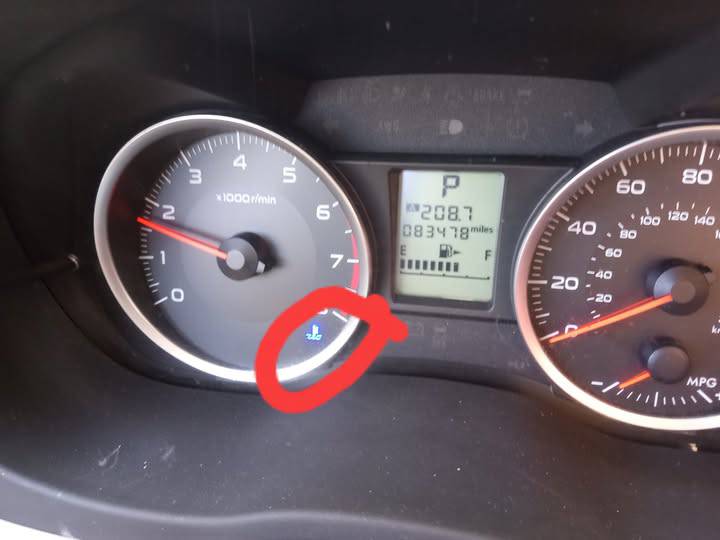
What Does the Subaru Blue Coolant Light Mean?
The Subaru Blue Coolant Light is an indicator that tells you the engine coolant temperature is still below its normal operating range. When you start your vehicle after it has been sitting for several hours, especially overnight, the engine and coolant are cold. As a result, the blue light illuminates to let you know that the engine has not yet warmed up.
Many drivers mistakenly assume that any dashboard light indicates a problem. However, the blue coolant light is different. In most cases, it is not a warning sign and does not indicate a malfunction. Instead, it functions as an informational indicator designed to help drivers understand the current operating condition of the engine.
Subaru vehicles use this feature to encourage proper driving habits during the engine warm up period. Cold engines operate less efficiently because engine oil takes time to circulate fully and reach its ideal viscosity. By informing drivers that the engine is still warming up, the blue coolant light helps reduce unnecessary wear on internal components.
Once the engine reaches its normal operating temperature, the blue light automatically turns off. At that point, the vehicle is ready to deliver its intended performance, fuel efficiency, and emissions control.
The key takeaway is simple: if the Subaru Blue Coolant Light appears immediately after startup and disappears after the engine warms up, the system is functioning normally.
Why Does the Subaru Blue Coolant Light Turn On?
The most common reason for the Subaru Blue Coolant Light to turn on is a cold engine. Every time your vehicle sits for an extended period, the coolant temperature gradually drops to match the surrounding environment. When you start the engine again, the vehicle’s computer detects the low coolant temperature and activates the blue indicator.
This behavior is especially common during colder months when ambient temperatures are significantly lower. Drivers living in regions with harsh winters may notice the light remains illuminated longer than it would during warmer seasons.
Several everyday situations can trigger the blue coolant light:
- Starting the vehicle after it has been parked overnight
- Driving early in the morning
- Leaving the car unused for several hours
- Operating the vehicle in cold weather conditions
The light serves as a visual reminder that the engine is still in its warm up phase. During this period, engine oil, coolant, and other fluids are gradually reaching their ideal operating temperatures.
Modern Subaru vehicles are engineered to warm up efficiently while driving. Rather than allowing the engine to idle for long periods, most manufacturers recommend beginning your trip shortly after startup and driving gently until the light turns off.
In short, seeing the blue coolant light during startup is typically a sign that your Subaru is working exactly as intended.
How Long Should the Subaru Blue Coolant Light Stay On?
One of the most common questions Subaru owners ask is how long the blue coolant light should remain illuminated. The answer depends on several factors, including weather conditions, driving habits, and the overall health of the cooling system.
Under normal circumstances, the light typically stays on for one to five minutes after startup. In warmer climates, the engine reaches operating temperature relatively quickly, causing the light to disappear sooner. In colder environments, the warm up process naturally takes longer.
The following factors can influence how long the light remains on:
Ambient Temperature
Cold weather is the biggest factor affecting warm up time. During freezing conditions, the coolant may require several additional minutes to reach normal operating temperature.
Driving Conditions
Gentle driving allows the engine to warm up efficiently. Vehicles that remain idling for extended periods may actually take longer to reach operating temperature compared to those driven normally.
Engine and Cooling System Condition
A properly functioning thermostat helps the engine warm up quickly. If the thermostat is stuck open, the engine may struggle to retain heat, causing the blue coolant light to remain on longer than expected.
As a general guideline, drivers should not be concerned if the Subaru Blue Coolant Light remains on for a few minutes after startup. However, if the light stays illuminated for an unusually long period, especially after 10 to 15 minutes of driving, it may be worth investigating potential cooling system issues.
Is It Safe to Drive With the Subaru Blue Coolant Light On?
Yes, it is generally safe to drive with the Subaru Blue Coolant Light illuminated. In fact, Subaru expects drivers to continue driving normally while the engine warms up. The blue light simply indicates that the coolant temperature has not yet reached its optimal operating range.
Although it is safe to drive, it is important to adjust your driving habits during this warm up period. When the engine is cold, the oil has not fully circulated through all internal components, and certain engine parts have not yet expanded to their ideal operating tolerances. Pushing the vehicle too hard during this time can increase long term wear.
Drivers should avoid sudden acceleration, high engine speeds, and aggressive driving until the light turns off. Smooth acceleration and moderate speeds allow the engine to warm up naturally while minimizing stress on critical components.
Many vehicle owners believe they should let the engine idle for several minutes before driving. However, modern Subaru engines are designed to warm up more effectively while being driven gently. Excessive idling can waste fuel and prolong the warm up process.
Once the blue coolant light disappears, the engine has reached its intended operating temperature. At that point, normal driving conditions can resume without concern.
For most Subaru owners, the appearance of the blue coolant light is simply a reminder to take it easy for the first few minutes of a trip.
When Should You Be Concerned About the Blue Coolant Light?
While the Subaru Blue Coolant Light is usually harmless, there are situations where it may indicate an underlying issue within the cooling system. Understanding these warning signs can help prevent more serious mechanical problems in the future.
One of the most common concerns occurs when the blue coolant light stays on much longer than normal. If the light remains illuminated after ten to fifteen minutes of driving, the engine may not be reaching its proper operating temperature.
A faulty thermostat is often responsible for this issue. The thermostat regulates coolant flow throughout the engine. If it becomes stuck in the open position, coolant circulates continuously, preventing the engine from warming up efficiently.
Drivers should also pay attention to cabin heating performance. If the heater produces weak or inconsistent warm air while the blue light remains on, the cooling system may not be functioning properly.
Another warning sign is the appearance of additional dashboard indicators. If the check engine light appears alongside the blue coolant light, a diagnostic scan may reveal problems related to temperature sensors, thermostat operation, or cooling system performance.
Unstable engine temperatures can also signal trouble. If the temperature gauge fluctuates unexpectedly or behaves erratically, further inspection is recommended.
Although most cases are minor, ignoring unusual cooling system behavior can eventually lead to reduced fuel economy, increased emissions, and potential engine damage.
Subaru Blue Coolant Light vs Red Coolant Light
Many drivers confuse the blue coolant light with the red coolant warning light, but these indicators communicate completely different messages.
The blue coolant light indicates that the engine is cold. It is an informational signal designed to notify the driver that the engine is still warming up. In most situations, it is considered normal and requires no immediate action beyond gentle driving.
The red coolant light, on the other hand, is a serious warning. It indicates that the engine coolant temperature has become excessively high and that the engine may be overheating. Continuing to drive under these conditions can result in severe engine damage, including warped cylinder heads, damaged gaskets, and costly repairs.
When a red coolant warning light appears, drivers should safely pull over as soon as possible and allow the engine to cool down. Continuing to operate an overheating engine can quickly turn a minor cooling system problem into a major repair bill.
The difference between these two indicators can be summarized easily. A blue coolant light means the engine is too cold. A red coolant light means the engine is too hot.
Understanding this distinction can prevent unnecessary panic when the blue light appears and ensure that drivers respond appropriately if a genuine overheating situation occurs.
Common Causes of a Subaru Blue Coolant Light That Won’t Turn Off
Although the Subaru Blue Coolant Light normally disappears once the engine reaches operating temperature, there are situations where it may remain illuminated for an unusually long time. When this happens, it often points to an issue within the cooling system that requires attention.
One of the most common causes is a faulty thermostat. The thermostat controls the flow of coolant between the engine and radiator. When functioning correctly, it remains closed during startup to help the engine warm up quickly. If the thermostat becomes stuck open, coolant circulates continuously, preventing the engine from reaching its normal operating temperature. As a result, the blue coolant light may stay on longer than expected.
Another possible cause is a defective coolant temperature sensor. This sensor measures coolant temperature and sends information to the vehicle’s computer. If it begins providing inaccurate readings, the dashboard may continue displaying the blue coolant light even when the engine has already warmed up.
Low coolant levels can also contribute to abnormal temperature readings. Insufficient coolant may affect the system’s ability to regulate temperature properly and could lead to inconsistent dashboard indicators.
Electrical issues should not be overlooked either. Damaged wiring, loose connections, or corrosion within the sensor circuit can interfere with communication between the cooling system and the instrument cluster.
While some of these issues are relatively minor, allowing them to persist can affect engine efficiency and fuel economy. Diagnosing the root cause early can help prevent more expensive repairs later.
How to Fix a Subaru Blue Coolant Light That Stays On
If your Subaru Blue Coolant Light remains on longer than normal, there are several steps you can take before scheduling a professional inspection.
The first step is to check the coolant level. Locate the coolant reservoir and verify that the fluid level falls within the recommended range. If the coolant level is low, consult your owner’s manual for the correct coolant type and refill as necessary. Never remove the radiator cap while the engine is hot, as pressurized coolant can cause serious burns.
Next, monitor the engine temperature during normal driving. If the temperature gauge remains unusually low even after several minutes on the road, a faulty thermostat may be preventing the engine from warming up properly.
Using an OBD-II scanner can provide valuable information about potential problems. Diagnostic trouble codes related to coolant temperature sensors, thermostat performance, or cooling system operation can help identify the underlying issue quickly.
Pay attention to other symptoms as well. Poor cabin heating, reduced fuel efficiency, and fluctuating temperature readings often accompany cooling system problems.
If the light continues to stay on despite normal coolant levels and no obvious issues, professional diagnosis is recommended. A qualified technician can perform detailed testing to evaluate the thermostat, coolant temperature sensor, wiring, and overall cooling system performance.
Addressing the problem early helps maintain engine efficiency and reduces the risk of more extensive repairs in the future.
Frequently Asked Questions About the Subaru Blue Coolant Light
Why is my Subaru Blue Coolant Light on every morning?
This is completely normal in most cases. When the vehicle sits overnight, the engine coolant cools down to match the surrounding temperature. The blue coolant light appears after startup to indicate that the engine is still warming up.
Can I drive with the Subaru Blue Coolant Light on?
Yes. The blue coolant light is generally not a warning of a malfunction. You can continue driving, but it is best to avoid aggressive acceleration and high engine speeds until the engine reaches normal operating temperature.
How long should the Subaru Blue Coolant Light stay on?
Most Subaru vehicles will display the blue coolant light for approximately one to five minutes after startup. During extremely cold weather, the warm up period may take longer.
Does the blue coolant light mean my coolant is low?
Not necessarily. The blue coolant light usually indicates a cold engine rather than a low coolant level. However, if the light behaves abnormally, checking coolant levels is a good precaution.
What should I do if the blue coolant light never turns off?
If the light remains illuminated after extended driving, the vehicle may have a faulty thermostat, coolant temperature sensor problem, low coolant level, or an electrical issue within the cooling system. A professional inspection is recommended.
Is the blue coolant light the same as the red coolant warning light?
No. The blue coolant light indicates a cold engine and is generally normal. The red coolant warning light indicates overheating and requires immediate attention to avoid potential engine damage.
Conclusion
The Subaru Blue Coolant Light is one of the most misunderstood indicators found on a Subaru dashboard. Fortunately, in most situations, it is not a warning sign of mechanical failure. Instead, it serves as a helpful reminder that the engine coolant has not yet reached its normal operating temperature.
For most drivers, the light will appear shortly after startup and disappear within a few minutes of gentle driving. This behavior is completely normal and reflects the engine’s warm up process. Understanding this simple function can eliminate unnecessary concern and help drivers develop better habits during cold starts.
However, the Subaru Blue Coolant Light should not be ignored if it remains illuminated for an unusually long period. Persistent operation may indicate issues such as a faulty thermostat, a defective coolant temperature sensor, low coolant levels, or other cooling system problems. Identifying these issues early can prevent reduced performance, poor fuel economy, and more costly repairs down the road.
The most important thing to remember is that a blue coolant light means the engine is cold, while a red coolant warning light signals a potentially serious overheating condition. Knowing the difference allows you to respond appropriately and protect your vehicle from unnecessary damage.
By understanding what the Subaru Blue Coolant Light means, why it appears, and when it may indicate a problem, you can drive with greater confidence and ensure your Subaru continues to perform reliably for years to come.