You notice a few drops of oil on the driveway after parking your Subaru overnight. The engine still seems to run normally, and there are no warning lights on the dashboard. It is easy to assume that the problem can wait. However, what appears to be a minor oil leak may actually be one of the earliest signs of a failing head gasket.
For many Subaru owners, especially those driving older models equipped with the renowned boxer engine, head gasket issues have become a well-known concern. When a head gasket begins to fail, it can lead to external oil leaks, coolant loss, engine overheating, and in severe cases, catastrophic engine damage. Ignoring these warning signs often transforms a manageable repair into a costly mechanical nightmare.
The good news is that early detection can make a significant difference. Understanding the symptoms of a Subaru head gasket oil leak allows you to take action before the damage becomes extensive and expensive.
In this guide, we will explore the most common warning signs of a Subaru head gasket oil leak, explain why these failures occur, discuss potential repair costs, and outline the steps you can take to protect your engine and your investment.
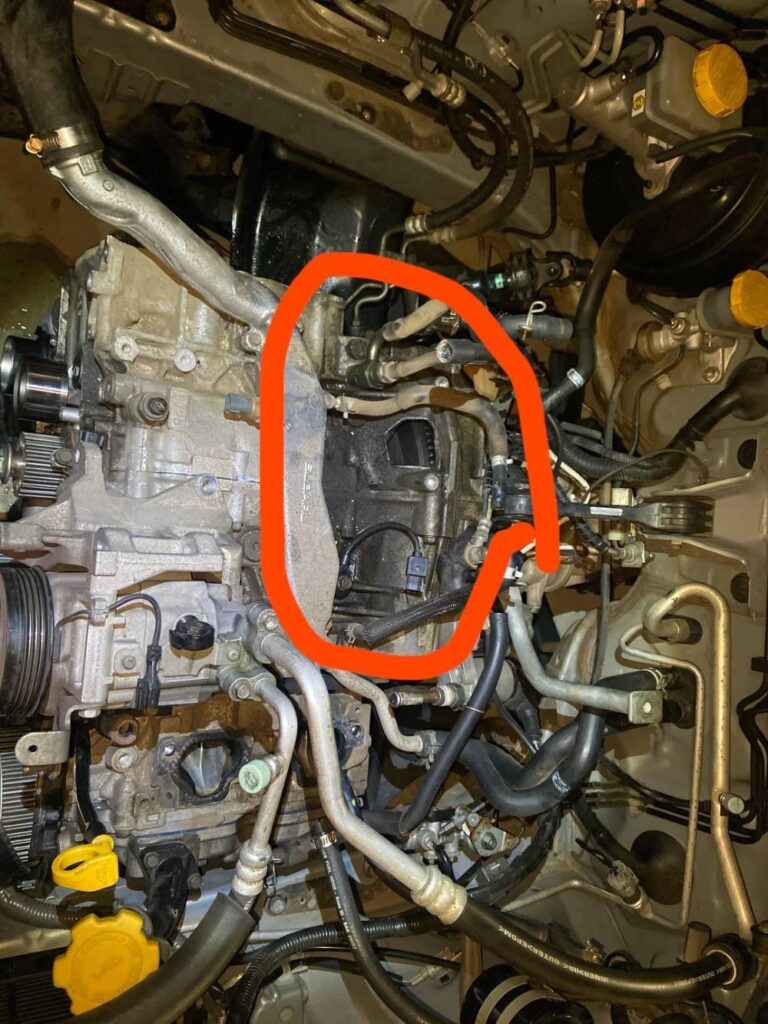
What Is a Subaru Head Gasket Oil Leak?
A head gasket is a critical component located between the engine block and the cylinder head. Its primary function is to create a secure seal that prevents engine oil, coolant, and combustion gases from mixing with one another. When functioning properly, the head gasket helps maintain optimal engine performance, temperature regulation, and compression.
In Subaru vehicles, particularly those equipped with boxer engines, the design places the cylinders horizontally rather than vertically. While this unique configuration offers benefits such as a lower center of gravity and improved handling, it can also contribute to increased wear on the head gasket over time. As the gasket deteriorates, oil may begin to seep externally from the sealing surfaces of the engine.
An external oil leak caused by a failing head gasket often starts small. Many owners first notice a few drops of oil beneath the vehicle or a faint burning smell after driving. Because these early symptoms can appear minor, they are frequently overlooked until the problem escalates.
It is important to understand that not every oil leak indicates complete head gasket failure. However, identifying the source of the leak early can help prevent more serious complications, including coolant contamination, overheating, and extensive engine damage.
9 Signs of a Subaru Head Gasket Oil Leak You Should Never Ignore
Recognizing the warning signs of a Subaru head gasket oil leak can save you from expensive repairs and unexpected breakdowns.
One of the earliest indicators is the appearance of oil spots underneath the vehicle, especially after it has been parked overnight. Although small leaks may seem harmless, they often worsen with time.
Another common symptom is a burning oil smell. This occurs when leaking oil drips onto hot engine components, producing an unpleasant odor that becomes more noticeable after driving.
Visible oil residue around the cylinder head area should also raise concern. During routine inspections, any signs of wetness or oil accumulation near gasket surfaces deserve immediate attention.
Drivers may also notice that engine oil levels drop faster than usual, requiring frequent top offs between scheduled oil changes. Unexplained oil loss is never something to ignore.
In more advanced cases, white exhaust smoke may appear due to coolant entering the combustion chamber. Engine overheating can also occur when the compromised gasket disrupts the cooling system’s efficiency.
Additional warning signs include unexplained coolant loss, bubbles forming in the radiator or coolant reservoir, reduced engine performance, rough idling, and decreased fuel efficiency.
The sooner these symptoms are diagnosed, the greater the chance of avoiding severe engine damage and costly repairs.
Which Subaru Models Are Most Affected?
While any vehicle can develop head gasket problems as it ages, certain Subaru models have gained a reputation for experiencing these issues more frequently than others. In particular, several models powered by the EJ25 engine have been associated with external oil leaks and head gasket failures.
The Subaru Forester manufactured between the late 1990s and early 2010s is among the most commonly discussed examples. Owners have reported oil seepage, coolant leaks, and overheating concerns related to deteriorating head gaskets.
Older Subaru Outback models equipped with naturally aspirated EJ25 engines have also been affected. In many cases, the problem begins with a minor external oil leak before progressing to more significant engine complications if left unresolved.
The Subaru Legacy and Subaru Impreza from similar production years share comparable engine designs and may exhibit the same symptoms over time. However, it is important to note that not every vehicle within these model ranges will experience head gasket failure.
Subaru has implemented engineering improvements in newer generations, reducing the frequency of these concerns. Even so, owners of older models should remain proactive by monitoring fluid levels, performing regular inspections, and addressing any signs of oil leakage promptly.
Understanding whether your Subaru falls within a higher risk category can help you make informed maintenance decisions and potentially extend the life of your vehicle.
What Causes Subaru Head Gasket Oil Leaks?
Several factors can contribute to the development of a Subaru head gasket oil leak. One of the most common causes is normal wear and tear. Head gaskets are constantly exposed to extreme temperatures and pressure changes during engine operation. Over thousands of miles, these conditions gradually weaken the gasket material and reduce its ability to maintain a proper seal.
The design of Subaru’s boxer engine may also play a role. Because the cylinders are positioned horizontally, the head gaskets experience different stress patterns compared to those found in traditional inline engines. This does not necessarily mean that every boxer engine will develop problems, but it does help explain why certain Subaru models have been associated with gasket related issues.
Engine overheating is another major contributing factor. When an engine operates at excessively high temperatures, the cylinder heads can expand beyond their normal limits. Repeated overheating may compromise the integrity of the head gasket and accelerate its failure.
Poor maintenance practices can further increase the risk. Neglecting coolant replacement intervals, ignoring minor oil leaks, or continuing to drive with cooling system problems can all shorten the lifespan of the gasket.
In some older Subaru models, original gasket designs were found to be less durable than updated replacement versions available today. Many technicians now recommend upgraded multi layer steel gaskets when performing repairs because they offer improved longevity and reliability.
Understanding these causes can help Subaru owners take preventive measures and identify potential issues before they evolve into major engine repairs.
Is It Safe to Drive with a Subaru Head Gasket Oil Leak?
The answer depends largely on the severity of the leak, but in most situations, continuing to drive without addressing the problem is not recommended.
A minor external oil leak may not create immediate drivability issues. Some owners continue using their vehicles for short periods while monitoring oil levels closely and arranging for repairs. However, even a seemingly small leak has the potential to worsen over time.
As the head gasket deteriorates further, engine oil and coolant may begin to escape more rapidly. Low oil levels reduce lubrication throughout the engine, increasing friction and accelerating wear on critical components. If coolant loss occurs simultaneously, the risk of overheating rises significantly.
Driving an overheating engine can have serious consequences. Excessive heat may warp the cylinder heads, damage internal engine components, and dramatically increase repair costs. In severe cases, complete engine failure may occur.
One of the biggest mistakes drivers make is assuming that a vehicle is safe simply because it still runs normally. Head gasket problems often progress gradually, allowing hidden damage to develop before obvious symptoms appear.
If you suspect that your Subaru has a head gasket oil leak, scheduling a professional inspection as soon as possible is the safest course of action. Early diagnosis can prevent extensive damage and may ultimately save thousands of dollars in repair expenses.
How Much Does Subaru Head Gasket Repair Cost?
The cost of repairing a Subaru head gasket oil leak can vary depending on the model, engine type, labor rates in your area, and the extent of the damage discovered during the repair process.
The initial diagnostic evaluation typically ranges from one hundred to two hundred fifty dollars. During this stage, technicians may perform visual inspections, pressure testing, compression testing, or leak down testing to confirm the source of the problem.
If a head gasket replacement is necessary, most Subaru owners can expect repair costs to fall between fifteen hundred and three thousand dollars. Labor represents a significant portion of this expense because replacing head gaskets requires extensive disassembly of the engine.
Additional costs may arise if related damage is identified. For example, warped cylinder heads may require machining services, while worn timing components or leaking water pumps are often replaced simultaneously since they are accessible during the repair.
In situations where the engine has sustained severe damage due to prolonged overheating, a complete engine replacement could exceed four thousand dollars. This scenario highlights the importance of addressing warning signs early rather than postponing repairs.
Although head gasket replacement is a substantial investment, many Subaru owners find it worthwhile, particularly when the vehicle remains in otherwise good condition. Prompt action not only restores reliability but may also extend the lifespan of the engine for many years to come.
How Mechanics Diagnose a Subaru Head Gasket Leak
Diagnosing a Subaru head gasket oil leak requires more than a quick visual inspection. Because several engine problems can produce similar symptoms, professional technicians rely on a combination of tests to identify the exact cause.
The diagnostic process often begins with a thorough examination of the engine exterior. Mechanics look for oil residue around the cylinder heads, valve covers, and other common leak points. This step helps determine whether the leak originates from the head gasket or another component.
A cooling system pressure test is frequently performed to detect hidden coolant leaks. By pressurizing the system, technicians can identify areas where coolant escapes under operating conditions.
Compression testing is another valuable diagnostic tool. This procedure measures the pressure generated within each cylinder. Abnormally low readings may indicate a compromised head gasket that allows pressure to escape.
Many repair facilities also conduct a leak down test, which provides a more detailed assessment of cylinder sealing performance. This method helps pinpoint whether air is leaking through the head gasket, valves, or piston rings.
In cases involving suspected internal gasket failure, technicians may use a combustion gas detection test. The presence of exhaust gases within the cooling system strongly suggests that the head gasket has failed internally.
Accurate diagnosis is essential because replacing a head gasket is a major repair. Confirming the source of the problem helps vehicle owners avoid unnecessary expenses and ensures that the correct repairs are completed the first time.
Can You Prevent Future Head Gasket Problems?
Although no mechanical component lasts forever, proper maintenance can significantly reduce the likelihood of experiencing future head gasket issues.
One of the most effective preventive measures is following the manufacturer’s recommended coolant service intervals. Fresh coolant helps regulate engine temperature efficiently and protects internal components from corrosion. Neglecting coolant maintenance can contribute to overheating, which is one of the leading causes of head gasket failure.
Regularly checking engine oil levels is equally important. Sudden drops in oil levels may indicate developing leaks that require immediate attention. Addressing small problems early often prevents more serious damage later.
Drivers should also pay close attention to the vehicle’s temperature gauge. If the engine begins to overheat, continuing to drive can dramatically increase the risk of head gasket damage. Stopping the vehicle and seeking professional assistance may prevent a minor issue from escalating into a costly repair.
Routine inspections performed by qualified technicians can identify worn hoses, failing water pumps, radiator problems, and other cooling system concerns before they affect the head gasket.
For Subaru owners replacing a failed gasket, using high quality replacement parts is highly recommended. Many experienced technicians prefer updated gasket designs that offer improved durability compared to some earlier versions.
Preventive maintenance requires time and commitment, but it remains one of the most effective ways to maximize engine longevity and minimize unexpected repair costs.
Frequently Asked Questions
How long can a Subaru last after a head gasket leak?
The answer depends on the severity of the leak and how quickly repairs are completed. Some vehicles may continue operating for a limited period with minor external leaks, while others can experience rapid deterioration if coolant loss or overheating develops. Prompt diagnosis always provides the best outcome.
Does every Subaru develop head gasket problems?
No. Although certain older Subaru models have gained attention for head gasket concerns, many owners never experience this issue. Improvements in engineering and updated gasket materials have contributed to better reliability in newer vehicles.
Can I repair a Subaru head gasket leak myself?
Head gasket replacement is one of the more complex automotive repairs. It requires specialized tools, technical expertise, and careful attention to engine specifications. Unless you have significant mechanical experience, professional repair is generally recommended.
Is replacing the head gasket worth the cost?
In many situations, yes. If the vehicle is otherwise in good condition and has been well maintained, replacing the head gasket can restore reliability and extend the life of the engine. Comparing the repair cost with the value of replacing the entire vehicle can help owners make an informed decision.
Conclusion
A Subaru head gasket oil leak should never be dismissed as a minor inconvenience. What starts as a small oil seepage can gradually develop into coolant contamination, persistent overheating, and extensive engine damage if left unresolved. Recognizing the warning signs early provides an opportunity to address the issue before repair costs escalate beyond reason.
Subaru vehicles have earned a loyal following because of their capability, practicality, and distinctive boxer engine design. With proper maintenance and timely repairs, many of these vehicles continue to deliver dependable performance for years. The key is remaining proactive rather than reactive when symptoms first appear.
If you notice oil leaks, unexplained coolant loss, unusual engine temperatures, or any of the warning signs discussed in this guide, do not delay seeking professional advice. Early intervention may save you significant time, money, and frustration.
Have you dealt with a Subaru head gasket oil leak in the past? Sharing your experience could help other Subaru owners recognize the symptoms sooner and make more informed decisions about maintaining their vehicles.