If you own a Subaru or are considering buying a used one, you’ve probably come across discussions about the reliability of its CVT transmission. One question stands out above the rest: How long does a Subaru CVT transmission really last?
The answer is not always straightforward. Some Subaru owners report driving well beyond 200,000 miles without experiencing major transmission issues, while others face costly repairs much earlier than expected. This wide range of experiences has led many prospective buyers and current owners to wonder whether Subaru’s Lineartronic CVT is truly built to last.
Understanding the life expectancy of a Subaru CVT transmission is more important than ever, especially when transmission replacement costs can reach several thousand dollars. Whether you drive a Subaru Outback, Forester, Crosstrek, Legacy, or Ascent, knowing what affects CVT longevity can help you avoid unexpected expenses and make smarter maintenance decisions.
In this guide, we’ll explore the average lifespan of Subaru CVT transmissions, the factors that influence their durability, common warning signs of failure, and practical maintenance tips that can significantly extend transmission life. By the end of this article, you’ll have a clearer understanding of what to expect from your Subaru’s CVT and how to maximize its reliability for years to come.
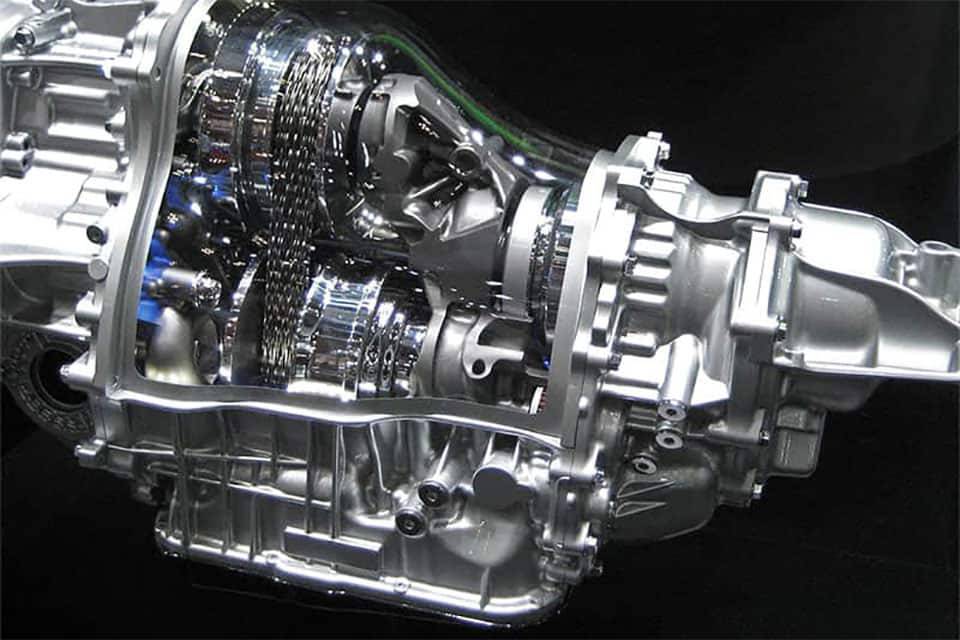
What Is Subaru’s Lineartronic CVT Transmission?
Before discussing Subaru CVT transmission life expectancy, it is important to understand what this transmission actually is and why Subaru chose to use it across much of its lineup.
CVT stands for Continuously Variable Transmission. Unlike a traditional automatic transmission that shifts through a fixed number of gears, a CVT uses a system of pulleys and a steel chain or belt to provide an almost unlimited range of gear ratios. This design allows the engine to operate at its most efficient speed more often, resulting in smoother acceleration and improved fuel economy.
Subaru introduced its Lineartronic CVT technology to deliver a more refined driving experience while meeting increasingly strict fuel efficiency standards. Over the years, the company expanded its use of CVTs to many of its most popular models, including the Outback, Forester, Crosstrek, Legacy, Impreza, and Ascent.
One of the biggest advantages of Subaru’s Lineartronic CVT is its ability to provide seamless power delivery. Drivers often notice that there are no abrupt gear changes during acceleration. This contributes to a comfortable ride, particularly in city traffic and during long highway trips.
However, the CVT design has also generated concerns among some consumers. Traditional automatic transmissions have been around for decades, and many drivers are more familiar with their maintenance requirements and expected lifespan. Since CVTs operate differently, questions about long term durability and repair costs naturally arise.
Understanding how Subaru’s Lineartronic system works helps put these concerns into perspective. Like any major automotive component, its longevity depends not only on engineering design but also on maintenance practices, driving conditions, and owner habits.
Subaru CVT Transmission Life Expectancy: The Short Answer
So, how long does a Subaru CVT transmission really last?
Under normal driving conditions and with proper maintenance, most Subaru CVT transmissions can be expected to last between 150,000 and 200,000 miles. In many cases, owners who follow recommended service schedules and address minor issues promptly report reaching or even exceeding the 200,000 mile mark without experiencing major transmission failures.
That said, there is no universal number that applies to every vehicle. Two identical Subaru models driven under different circumstances may have dramatically different outcomes. A vehicle used primarily for highway commuting may experience less wear than one regularly exposed to stop and go traffic, steep terrain, heavy loads, or aggressive driving habits.
Maintenance also plays a significant role. Although there has been ongoing debate regarding the need for periodic CVT fluid replacement, many automotive professionals agree that preventative maintenance can contribute to improved transmission performance and longevity.
The following estimates provide a general idea of what owners may expect:
Vehicles that receive consistent maintenance and are driven responsibly often achieve transmission lifespans of 180,000 to 220,000 miles.
Vehicles that receive average care may fall within the 140,000 to 180,000 mile range before significant repairs become necessary.
Vehicles subjected to neglected maintenance, repeated overheating, or harsh driving conditions may experience issues before reaching 120,000 miles.
For prospective buyers, these figures offer reassurance that Subaru’s CVT is not inherently short lived. While no transmission is immune to wear and tear, Subaru’s Lineartronic CVT has demonstrated the potential for long service life when properly cared for.
The key takeaway is simple. Subaru CVT transmission life expectancy depends less on luck and more on how the vehicle is maintained throughout its lifetime.
Factors That Affect Subaru CVT Lifespan
Several factors influence how long a Subaru CVT transmission will last. Understanding these variables can help owners make informed decisions and potentially avoid expensive repairs down the road.
Driving Habits
The way a vehicle is driven has a direct impact on transmission health. Frequent hard acceleration, sudden braking, and aggressive driving can place additional stress on internal components. Drivers who regularly push their vehicles to their limits may unknowingly accelerate wear inside the transmission.
Towing loads beyond the manufacturer’s recommendations can also shorten transmission life. Even though Subaru vehicles are capable performers, exceeding towing capacities creates extra heat and strain that the CVT must manage continuously.
By contrast, smooth acceleration and moderate driving habits often contribute to longer transmission longevity.
Maintenance Practices
Routine maintenance remains one of the most important factors affecting Subaru CVT transmission life expectancy.
Transmission fluid plays a crucial role in lubrication, cooling, and ensuring smooth operation. Over time, fluid quality can deteriorate, especially in demanding driving environments. Ignoring maintenance intervals or delaying inspections may allow minor problems to develop into major failures.
Owners who schedule regular inspections, monitor for leaks, and seek professional advice regarding fluid service are generally better positioned to maximize transmission lifespan.
Preventative maintenance is often far less expensive than repairing or replacing a damaged transmission.
Climate and Driving Conditions
Environmental conditions also influence transmission durability.
Vehicles operated in extremely hot climates may face higher risks of transmission overheating. Similarly, frequent driving in mountainous regions can place sustained demands on the CVT system as it continuously adjusts to changing terrain.
Urban commuters dealing with heavy traffic encounter repeated cycles of acceleration and deceleration that can increase component wear over time.
Drivers who regularly experience these conditions should be especially attentive to maintenance needs and warning signs.
Model Year Differences
Not all Subaru CVTs are identical. Over the years, Subaru has refined its Lineartronic technology through engineering improvements and software updates.
Some earlier model years generated more owner concerns regarding reliability, while newer designs have benefited from lessons learned and advancements in manufacturing.
For used car shoppers, researching the reliability history of a specific model year can provide valuable insights before making a purchase decision.
A well maintained Subaru from an earlier generation may still offer years of dependable service, while a poorly maintained newer vehicle could develop problems sooner than expected.
Ultimately, understanding these influencing factors empowers Subaru owners to take a proactive approach toward transmission care. While no component lasts forever, informed ownership can significantly improve the odds of enjoying many trouble free miles behind the wheel.
Common Subaru CVT Problems and Warning Signs
Recognizing the early signs of transmission trouble can save Subaru owners from facing unexpectedly high repair bills. While many Subaru CVT transmissions provide years of dependable service, no mechanical component is immune to wear and tear. The sooner potential problems are identified, the greater the chance of preventing more serious damage.
One of the most frequently reported symptoms is delayed acceleration. Drivers may notice that the vehicle hesitates before responding after pressing the accelerator pedal. This delay can be subtle at first but may gradually become more pronounced over time.
Another warning sign is shuddering or jerking during acceleration. Instead of delivering the smooth power transfer that CVTs are known for, the transmission may feel rough or inconsistent. These sensations should never be ignored, especially if they become more frequent.
Unusual noises can also indicate developing issues. Some owners describe hearing whining, humming, or high pitched sounds coming from the transmission area. While not every noise points to a serious problem, persistent changes in vehicle behavior deserve professional evaluation.
Overheating warnings represent another important concern. Excessive heat is one of the biggest enemies of transmission longevity. If warning lights appear or the vehicle enters a reduced performance mode during demanding driving conditions, immediate attention is recommended.
The appearance of the check engine light may also be related to transmission performance. Modern Subaru vehicles rely on numerous sensors to monitor system operation. Diagnostic trouble codes can provide valuable information about developing issues before complete failure occurs.
Many transmission problems do not appear overnight. In many cases, the vehicle provides warning signs long before catastrophic damage takes place. Paying attention to these signals and addressing them promptly can help extend Subaru CVT transmission life expectancy and reduce overall ownership costs.
Does Subaru Recommend CVT Fluid Changes?
One of the most debated topics among Subaru owners concerns CVT fluid replacement. Some drivers believe the fluid should never be changed, while others view regular service as essential to long term reliability.
Part of this confusion stems from the terminology used in owner documentation for certain model years. Subaru has referred to its CVT fluid as a “lifetime” fluid under normal operating conditions. However, the definition of lifetime can vary, and not every vehicle experiences identical driving environments.
Many independent technicians argue that no transmission fluid lasts forever. Over thousands of miles, heat cycles and normal wear can gradually affect fluid performance. As a result, some experts recommend periodic inspections and fluid replacement, particularly for vehicles exposed to severe operating conditions.
Severe driving conditions may include frequent stop and go traffic, mountainous terrain, towing, extreme temperatures, or extended periods of high load operation. Under these circumstances, additional maintenance may contribute to improved transmission durability.
Although recommendations differ, many automotive professionals suggest considering CVT fluid service somewhere between 60,000 and 100,000 miles for vehicles operating under typical conditions. Vehicles exposed to more demanding environments may benefit from earlier attention.
Owners should always consult their specific owner’s manual and seek advice from qualified professionals familiar with Subaru’s Lineartronic system. Following an informed maintenance strategy may help preserve transmission performance and provide greater peace of mind.
Ultimately, whether or not to change CVT fluid should not be viewed as a simple yes or no question. Instead, it should be considered within the context of driving habits, vehicle age, mileage, and overall maintenance history.
How to Extend the Life of Your Subaru CVT
The good news for Subaru owners is that several practical steps can improve the chances of achieving a long transmission lifespan. While no maintenance plan can eliminate every risk, adopting good habits can significantly influence long term reliability.
One of the most important strategies is following a preventative maintenance schedule. Regular inspections allow technicians to identify minor concerns before they evolve into expensive repairs. Waiting until symptoms become severe often limits available solutions and increases costs.
Driving style also matters. Smooth acceleration and gradual braking reduce unnecessary stress on transmission components. Aggressive driving may be enjoyable in certain situations, but repeated hard launches and abrupt changes in speed can accelerate wear.
Allowing the vehicle to warm up briefly during extremely cold weather may also support optimal fluid circulation. While modern vehicles do not require lengthy idling periods, giving systems time to stabilize before demanding full performance can be beneficial.
Using the correct transmission fluid is equally important. Subaru engineers design their CVT systems with specific fluid characteristics in mind. Choosing the appropriate product helps maintain lubrication quality and thermal stability throughout the transmission’s operating range.
Owners should also avoid ignoring unusual vehicle behavior. Small changes in acceleration, unfamiliar noises, or warning lights may seem insignificant at first. However, early diagnosis often represents the difference between a relatively straightforward repair and a complete transmission replacement.
Finally, maintaining realistic expectations contributes to responsible ownership. Every transmission experiences gradual wear throughout its service life. The goal is not to make the component last forever but rather to maximize its durability through informed care and proactive decision making.
Many Subaru owners have successfully surpassed 200,000 miles with their original CVT transmissions. Their experiences demonstrate that consistent maintenance, attentive driving habits, and timely repairs can have a meaningful impact on Subaru CVT transmission life expectancy.
Investing in preventative care today may ultimately save thousands of dollars in future repair expenses while helping ensure that your Subaru continues delivering reliable performance for many years to come.
Subaru CVT Replacement Cost
One of the biggest reasons why Subaru owners pay close attention to transmission health is the potential cost of replacement. While many CVT transmissions last well beyond 150,000 miles, understanding the financial implications of a major repair can help drivers make smarter maintenance decisions.
The cost of replacing a Subaru CVT transmission can vary significantly depending on the vehicle model, model year, geographic location, and whether a new, remanufactured, or used transmission is selected. In general, owners can expect replacement costs to range from approximately $4,000 to $8,000, including parts and labor.
Several factors influence the final price. New transmissions sourced directly from manufacturers tend to be the most expensive option but may provide greater confidence regarding reliability and warranty coverage. Remanufactured units are often more affordable and can offer a balance between cost savings and dependability when rebuilt by reputable specialists.
Labor expenses also contribute substantially to the overall bill. Modern transmissions are complex systems that require specialized expertise and equipment for proper installation and calibration. As a result, attempting to reduce costs by choosing inexperienced service providers may lead to additional complications later.
For many owners, learning about potential replacement expenses reinforces the importance of preventative maintenance. Spending money on regular inspections and addressing minor issues early may seem inconvenient in the short term, but it can be significantly less costly than dealing with complete transmission failure.
The reality is that transmission replacement is one of the most expensive repairs a vehicle owner may encounter. Fortunately, responsible ownership habits can help reduce the likelihood of reaching that point prematurely.
Are Subaru CVTs Reliable Compared to Other Brands?
When discussing Subaru CVT transmission life expectancy, many consumers naturally wonder how Subaru compares with other manufacturers that also use continuously variable transmissions.
Subaru’s Lineartronic CVT generally enjoys a more favorable reputation than some earlier CVT systems introduced by competing brands. Although every manufacturer has experienced isolated complaints and reliability concerns, Subaru’s approach to all wheel drive integration and ongoing engineering improvements has contributed to relatively positive owner experiences.
Nissan is frequently mentioned in conversations about CVT reliability because some earlier generations of its transmissions faced widespread criticism related to durability concerns. This history has influenced public perception of CVT technology as a whole. However, it is important to recognize that not all CVTs are designed or perform in the same manner.
Toyota has earned praise for producing dependable vehicles, and its CVT systems are often viewed positively among consumers. Honda has also developed a strong reputation for balancing efficiency with long term reliability. Subaru competes within this landscape by emphasizing practicality, all weather capability, and a loyal customer base that values the brand’s distinctive characteristics.
Ultimately, reliability depends on more than the manufacturer’s name alone. Maintenance history, driving conditions, production year, and owner behavior all contribute to the overall ownership experience.
For prospective buyers, researching specific model years and reviewing maintenance records often provides more meaningful insight than relying solely on broad brand comparisons. A well maintained Subaru CVT may deliver years of dependable service, while neglected vehicles from any manufacturer can become sources of frustration.
The growing number of Subaru owners reporting high mileage achievements suggests that Lineartronic transmissions are capable of long service lives when properly maintained.
Should You Buy a Used Subaru With a CVT?
Purchasing a used Subaru equipped with a CVT can be an excellent decision, provided that buyers approach the process carefully and conduct appropriate due diligence.
One of the greatest advantages of choosing a used Subaru is the combination of all wheel drive capability, practical design, and strong safety credentials. If the transmission has been properly maintained, many Subaru models continue performing reliably long after surpassing six figure mileage totals.
Before making a purchase, buyers should request detailed maintenance records whenever possible. Documentation showing regular servicing and prompt attention to previous concerns can provide reassurance regarding the vehicle’s overall condition.
A thorough pre purchase inspection conducted by an independent mechanic is equally valuable. Experienced technicians can identify warning signs that may not be obvious during a short test drive. Small investments in professional evaluations can potentially prevent substantial repair expenses after the purchase is complete.
During the test drive itself, buyers should pay close attention to how the vehicle accelerates and responds under various driving conditions. Smooth and predictable operation is generally a positive sign. Hesitation, unusual noises, vibration, or warning lights warrant further investigation before proceeding.
Mileage should also be considered within the broader context of maintenance history. A higher mileage Subaru with comprehensive service records may represent a better investment than a lower mileage example with an uncertain background.
For shoppers who prioritize reliability, selecting model years with established positive ownership experiences can provide additional confidence. Online owner communities and independent automotive resources may offer useful insights into long term trends associated with specific models.
In the end, purchasing a used Subaru with a CVT does not need to be a risky proposition. Informed decision making, careful inspection practices, and realistic expectations can help buyers identify vehicles capable of delivering many additional years of dependable transportation.
A used Subaru should not be judged solely by the presence of a CVT transmission. Instead, it should be evaluated as a complete package that reflects how well the previous owner cared for the vehicle throughout its life.
Frequently Asked Questions
How long do Subaru CVT transmissions usually last?
Under normal driving conditions and with proper maintenance, Subaru CVT transmissions often last between 150,000 and 200,000 miles. Many owners have reported exceeding this range without experiencing major transmission problems. Factors such as driving habits, maintenance practices, and operating conditions all influence actual lifespan.
Can a Subaru CVT last over 200,000 miles?
Yes. A Subaru CVT can last beyond 200,000 miles when the vehicle receives consistent care throughout its lifetime. Regular inspections, responsible driving habits, and prompt attention to warning signs can significantly improve long term durability. While there are no guarantees with any mechanical component, reaching this milestone is entirely possible.
What is the biggest cause of CVT failure?
One of the most common contributors to transmission failure is excessive heat combined with inadequate maintenance. Aggressive driving, heavy towing, prolonged operation under severe conditions, and ignoring early warning signs can increase wear on internal components. Preventative care remains one of the most effective ways to reduce the risk of premature failure.
Should Subaru CVT fluid be changed?
Recommendations regarding CVT fluid service can vary depending on model year and driving conditions. While some owner manuals describe the fluid as lasting for the life of the transmission under normal use, many automotive professionals recommend periodic inspections and fluid replacement, particularly for vehicles exposed to severe operating environments. Owners should consult their specific maintenance guidelines and seek advice from qualified technicians.
Which Subaru models use the Lineartronic CVT?
Several popular Subaru models are equipped with the Lineartronic CVT, including the Outback, Forester, Crosstrek, Legacy, Impreza, and Ascent. Availability may vary depending on model year and trim level, so buyers should verify specifications for individual vehicles.
Is buying a used Subaru with a CVT a good idea?
A used Subaru with a CVT can be a smart purchase if the vehicle has been properly maintained. Reviewing service records, arranging an independent inspection, and conducting a thorough test drive can help buyers make informed decisions. A well cared for Subaru often provides many additional years of dependable ownership.
Conclusion
Understanding Subaru CVT transmission life expectancy is essential for both current owners and prospective buyers. Although concerns surrounding CVT reliability continue to generate discussion among drivers, real world experiences show that Subaru’s Lineartronic transmission is capable of delivering impressive longevity when properly maintained.
For most owners, a Subaru CVT can reasonably be expected to last between 150,000 and 200,000 miles. In some cases, transmissions have remained reliable well beyond this range. The difference often comes down to factors that drivers can influence directly, including maintenance habits, driving style, and responsiveness to early warning signs.
Preventative care should never be underestimated. Routine inspections, informed decisions regarding fluid service, and prompt attention to unusual symptoms may help reduce the likelihood of costly repairs. Considering that transmission replacement expenses can reach several thousand dollars, protecting this critical component is both a practical and financial priority.
If you are considering purchasing a used Subaru, do not allow the presence of a CVT transmission to discourage you automatically. Instead, focus on the vehicle’s maintenance history, overall condition, and inspection results. Many Subaru owners continue to enjoy dependable performance long after reaching high mileage milestones.
At the end of the day, Subaru CVT transmission life expectancy is not determined by mileage alone. It reflects the combined impact of engineering, maintenance, and responsible ownership. By understanding how these factors work together, you can make confident decisions that help maximize reliability and keep your Subaru on the road for years to come.