When shopping for a family SUV, safety is often at the top of every buyer’s checklist. The Subaru Ascent has built a strong reputation thanks to its spacious interior, advanced driver assistance features, and standard all wheel drive capability. However, alongside its many strengths, some owners have raised concerns about one critical component: the braking system.
Over the years, reports of Subaru Ascent brake issues have appeared across owner forums, consumer complaint platforms, and automotive discussion groups. Common concerns include premature brake pad wear, rotor problems that cause vibrations during braking, and unusual noises that may indicate underlying issues. While not every Ascent owner experiences these problems, understanding the most frequently reported brake complaints can help current owners stay proactive and assist potential buyers in making informed decisions.
In this guide, we will take a closer look at the most common Subaru Ascent brake problems reported by owners. We will explore the warning signs to watch for, identify which model years seem to be affected most often, discuss potential repair costs, and examine whether these issues should influence your decision to buy or keep a Subaru Ascent. By the end of this article, you will have a clearer understanding of what to expect and how to protect both your investment and your family’s safety.
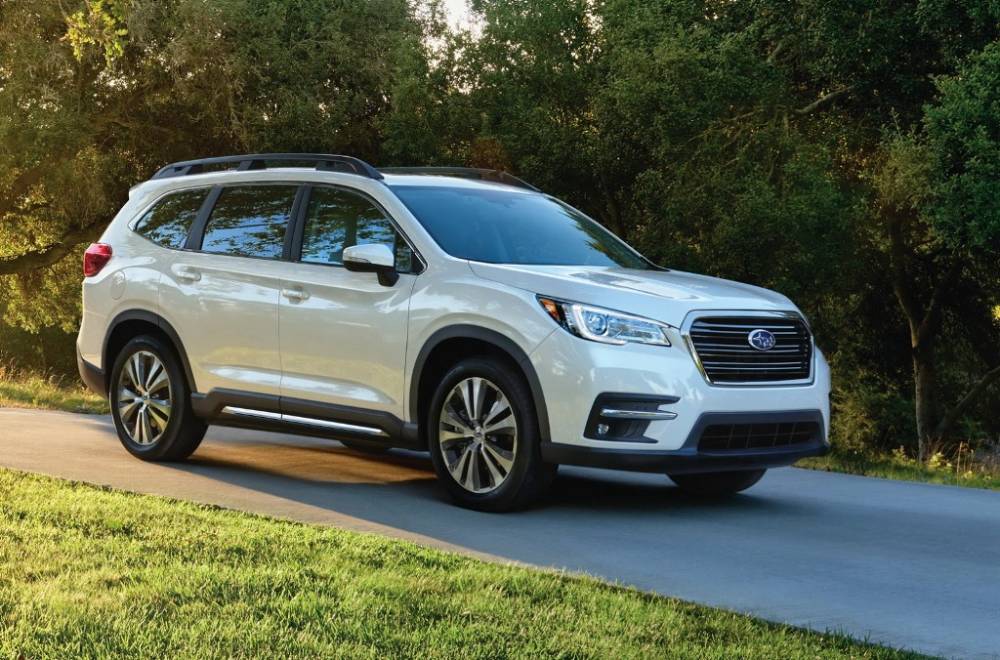
Overview of Subaru Ascent Brake Issues
The Subaru Ascent has earned praise for its practicality, comfortable ride quality, and extensive list of safety features. However, some owners have reported experiencing brake related concerns that affect both driving confidence and maintenance costs. Although these issues do not impact every vehicle, they have become common discussion topics within the Subaru community.
Among the most frequently reported Subaru Ascent brake issues are premature brake pad wear, brake rotor problems, persistent squealing noises, and vibrations felt through the steering wheel or brake pedal during deceleration. In certain cases, drivers noticed these symptoms much earlier than expected, leading to unexpected repair expenses.
Brake performance plays a vital role in the safety of any family SUV. Ignoring early warning signs can result in more extensive damage and increased repair costs over time. For this reason, understanding the nature of these complaints is essential for both current owners and prospective buyers.
While some issues may stem from driving habits or environmental conditions, repeated reports from owners suggest that certain model years may be more susceptible to specific brake related concerns. The following sections examine these common problems in greater detail, helping readers determine whether what they are experiencing is normal wear or something that requires immediate attention.
Premature Brake Pad Wear
One of the most commonly reported Subaru Ascent brake problems involves brake pads wearing out sooner than many owners anticipated. Brake pads are considered wear items, meaning they naturally require replacement over time. However, several Ascent owners have indicated that replacement became necessary after only 20,000 to 30,000 miles of driving.
Under typical conditions, brake pads on midsize SUVs can often last between 30,000 and 70,000 miles depending on driving style, road conditions, and maintenance practices. When brake pads require replacement significantly earlier than expected, owners may become concerned about increased ownership costs and potential underlying causes.
Symptoms of worn brake pads can include squealing or grinding noises during braking, reduced stopping performance, and warning indicators displayed on the dashboard. If these signs are ignored, the metal backing plates may begin contacting the brake rotors, potentially leading to more expensive repairs.
Several factors can contribute to premature brake pad wear. Frequent stop and go traffic, aggressive braking habits, carrying heavy loads, and challenging driving environments all place additional stress on the braking system. Nevertheless, some owners believe that certain Subaru Ascent model years may experience accelerated wear regardless of driving conditions.
Routine brake inspections remain one of the most effective ways to identify excessive wear before it develops into a larger problem. Replacing brake pads at the appropriate interval not only improves vehicle safety but can also extend the lifespan of other brake components.
Brake Rotor Problems
Brake rotor issues represent another concern raised by some Subaru Ascent owners. Rotors work alongside brake pads to slow the vehicle by creating friction when the brake pedal is pressed. When these components become unevenly worn or damaged, drivers may notice a decline in braking smoothness and effectiveness.
One of the most recognizable symptoms associated with rotor problems is vibration during braking. Some drivers describe feeling a pulsing sensation through the brake pedal, while others report noticeable shaking in the steering wheel when slowing down from higher speeds. These symptoms can become more pronounced over time if left unaddressed.
Warped rotors are often mentioned as a possible explanation for these sensations. Excessive heat buildup generated during repeated braking events can contribute to uneven rotor surfaces. Additionally, normal wear patterns, improper installation procedures, or delayed maintenance may accelerate deterioration.
Although mild vibrations may not immediately compromise stopping ability, they should never be ignored. Continued use of damaged rotors can increase stress on surrounding brake components and negatively impact driving comfort. In severe situations, braking performance may become less predictable.
Drivers who experience persistent vibrations, unusual noises, or changes in pedal feel should schedule a professional inspection as soon as possible. Early diagnosis can help prevent more costly repairs while ensuring that the braking system continues to operate as intended. Since the Subaru Ascent is often chosen as a family vehicle, maintaining optimal brake performance should always remain a top priority.
Brake Noise Complaints
Unusual brake noises are another issue frequently mentioned by some Subaru Ascent owners. While not every sound automatically signals a serious mechanical problem, persistent or worsening noises should never be dismissed without proper inspection. Since the braking system directly affects vehicle safety, understanding what different sounds may indicate can help owners respond appropriately.
The most commonly reported complaint involves a high pitched squealing sound that occurs when applying the brakes. In some cases, this noise appears during cold weather or after the vehicle has been parked for an extended period. Temporary squeaking caused by moisture buildup on the rotor surface is generally considered normal and often disappears after a few braking cycles.
However, if the squealing continues consistently during everyday driving, it may suggest that the brake pads have worn down significantly. Many brake pads are designed with wear indicators that create a noticeable noise when replacement is needed. This built in warning system alerts drivers before more extensive damage occurs.
Some owners have also reported grinding noises while braking. Unlike occasional squeaks, grinding sounds should be treated as a more urgent concern. This type of noise can indicate that the brake pad material has been completely worn away, allowing metal components to contact the rotor surface. Continued driving under these conditions may result in costly rotor damage and reduced braking efficiency.
Another complaint occasionally mentioned involves clicking or clunking sounds during brake application. These noises can stem from loose hardware, improperly fitted components, or normal movement within the braking assembly. Because identifying the exact source requires technical expertise, professional evaluation is recommended whenever unfamiliar sounds persist.
Paying attention to brake noises allows drivers to address potential issues early. Prompt maintenance not only improves safety but may also reduce overall repair expenses by preventing minor concerns from developing into major mechanical problems.
Which Subaru Ascent Model Years Report the Most Brake Issues?
When researching Subaru Ascent brake issues, many potential buyers want to know whether certain model years are more problematic than others. Although individual experiences vary, owner discussions and consumer reports suggest that earlier production years generated a larger number of brake related complaints.
The 2019 Subaru Ascent, which marked the model’s debut year, appears most frequently in conversations regarding premature brake wear and rotor concerns. Some owners reported replacing brake pads and rotors sooner than expected, sometimes within relatively low mileage intervals. Because first generation vehicles often undergo ongoing refinements after launch, this pattern is not entirely uncommon within the automotive industry.
The 2020 Subaru Ascent also received reports involving brake performance concerns, although many owners experienced satisfactory operation without major complications. As with any vehicle, maintenance history, driving environment, and operating habits can significantly influence component longevity.
For the 2021, 2022, and later model years, the volume of brake related discussions appears to have decreased. While isolated complaints continue to surface, many owners report normal brake performance and acceptable wear characteristics. This trend may indicate that ongoing updates and manufacturing improvements helped address some of the concerns associated with earlier production models.
Prospective buyers considering a used Subaru Ascent should not automatically eliminate a specific model year based solely on online reports. Instead, they should focus on obtaining detailed service records, confirming that routine brake maintenance has been performed, and arranging a comprehensive pre purchase inspection by a qualified technician.
Understanding which model years receive the highest number of owner complaints enables consumers to make more informed purchasing decisions. Careful research combined with proper vehicle evaluation remains the best strategy for minimizing the risk of unexpected repair costs.
Warning Signs Owners Should Never Ignore
Recognizing the early symptoms of brake trouble can help Subaru Ascent owners prevent more serious mechanical failures. Because brake related issues often develop gradually, drivers may unintentionally adapt to changing vehicle behavior without realizing that a problem exists. Remaining attentive to warning signs is essential for maintaining both safety and reliability.
One of the most important indicators is vibration or pulsation felt through the brake pedal during deceleration. Although minor variations can occasionally occur, persistent shaking may point to rotor irregularities or uneven brake wear. Drivers who notice this symptom should schedule an inspection promptly.
Another warning sign involves unusual noises during braking. Persistent squealing, grinding, or scraping sounds often suggest that brake components require attention. Addressing these issues early may prevent damage to surrounding parts and reduce repair expenses.
A noticeable increase in stopping distance should also be taken seriously. If the vehicle requires more time or greater pedal effort to come to a complete stop, the braking system may not be functioning at its optimal level. Reduced responsiveness can compromise driver confidence, particularly during emergency situations.
Drivers should also pay attention to dashboard warning lights associated with the braking system. Modern vehicles incorporate sophisticated monitoring technologies designed to alert owners when abnormalities are detected. Ignoring these indicators may allow minor concerns to escalate into larger problems.
Burning odors originating from the wheel area after extended driving or repeated braking events can represent another cause for concern. Excessive heat generated within the braking system may accelerate component wear and negatively impact overall performance.
Routine maintenance inspections remain one of the most effective methods for identifying developing issues before they become severe. Because the Subaru Ascent is frequently used to transport families, addressing warning signs promptly should always be considered a priority rather than an inconvenience.
Repair Costs: What Owners Can Expect
For many Subaru Ascent owners, one of the biggest concerns surrounding brake issues is the potential financial impact. While routine brake maintenance is an expected part of vehicle ownership, unexpected repairs occurring earlier than anticipated can significantly increase overall operating costs. Understanding the typical expenses associated with brake service allows owners to budget accordingly and avoid unpleasant surprises.
The cost of replacing brake pads on a Subaru Ascent can vary depending on factors such as geographic location, labor rates, and whether original equipment manufacturer parts or aftermarket alternatives are used. On average, owners can expect to pay between $200 and $450 for brake pad replacement on a single axle. Choosing premium components or servicing both front and rear brakes simultaneously may increase the final bill.
Rotor replacement represents another potential expense. If rotors become excessively worn, warped, or damaged, resurfacing may no longer be a viable option. Replacing brake rotors generally costs between $300 and $700, including parts and labor. When both brake pads and rotors require replacement during the same service visit, total repair costs can exceed $1,000.
Additional expenses may arise if other brake system components require attention. Brake fluid service, caliper replacement, or diagnostic inspections can contribute to the overall cost of restoring optimal braking performance. Although these repairs are not routinely necessary, they may become relevant depending on the age and maintenance history of the vehicle.
Owners can reduce long term expenses through proactive maintenance practices. Scheduling regular inspections, responding quickly to warning signs, and adopting smoother driving habits may help extend the lifespan of critical brake components. Preventive care often proves more affordable than postponing repairs until symptoms become severe.
For individuals considering a used Subaru Ascent, reviewing maintenance records can provide valuable insight into future repair expectations. Vehicles with documented brake service histories may offer greater peace of mind and lower the likelihood of immediate post purchase expenses.
Is the Subaru Ascent Still a Good Family SUV?
Despite reports of brake related concerns, the Subaru Ascent continues to attract families seeking a practical and versatile three row SUV. Evaluating whether the vehicle remains a worthwhile choice requires balancing its strengths against the maintenance issues reported by some owners.
One of the Ascent’s greatest advantages lies in its commitment to safety. The SUV offers a range of advanced driver assistance technologies designed to support everyday driving. Spacious seating, generous cargo capacity, and all wheel drive capability further enhance its appeal among growing families and individuals living in regions with challenging weather conditions.
Comfort also contributes significantly to the Ascent’s popularity. Many owners appreciate the quiet cabin environment, user friendly infotainment features, and comfortable ride quality during both short commutes and extended road trips. These attributes position the vehicle as a strong competitor within the midsize SUV segment.
At the same time, prospective buyers should approach ownership with realistic expectations regarding maintenance responsibilities. Brake complaints associated with certain model years highlight the importance of routine inspections and timely repairs. However, it is equally important to recognize that not every Subaru Ascent experiences these issues. Numerous owners report years of dependable service without major brake related concerns.
Consumers evaluating a used Subaru Ascent should prioritize thorough research. Reviewing service documentation, requesting a professional pre purchase inspection, and test driving the vehicle under varied conditions can help identify potential concerns before completing a transaction.
Ultimately, the Subaru Ascent remains a compelling option for many households. Its combination of safety, practicality, and all weather capability continues to resonate with buyers. For those willing to stay proactive with maintenance, the benefits of ownership may outweigh the concerns associated with reported brake issues.
Frequently Asked Questions About Subaru Ascent Brake Issues
Are Subaru Ascent brake issues common?
Brake related complaints have been reported by a number of owners, particularly involving premature brake pad wear and rotor concerns. However, experiences vary significantly among drivers, and many owners have not encountered major problems during their ownership period.
Which Subaru Ascent model years have the most brake complaints?
The 2019 model year appears most frequently in discussions regarding brake related concerns. Some reports involving the 2020 model year also exist, while later models generally seem to generate fewer complaints based on owner feedback.
How long do Subaru Ascent brakes typically last?
Brake component lifespan depends heavily on driving conditions and maintenance habits. Under normal circumstances, brake pads may last between 30,000 and 70,000 miles. Frequent city driving, aggressive braking, and heavy loads can shorten this interval considerably.
What are the warning signs of brake problems?
Common indicators include squealing or grinding noises, vibrations during braking, reduced stopping performance, increased pedal travel, dashboard warning lights, and burning odors originating from the wheel area.
Can premature brake wear be prevented?
Although no driver can eliminate normal wear entirely, adopting smoother driving habits, avoiding unnecessary hard braking, and scheduling routine inspections may help maximize brake component longevity.
Should brake issues prevent me from buying a Subaru Ascent?
Not necessarily. While understanding reported concerns is important, buyers should evaluate each vehicle individually. A comprehensive inspection and detailed review of maintenance records provide a more accurate picture of a specific vehicle’s condition than online reports alone.
When should I seek professional brake service?
Drivers should arrange an inspection whenever unusual noises, vibrations, warning lights, or changes in braking performance occur. Prompt diagnosis can improve safety and reduce the likelihood of more expensive repairs in the future.
Conclusion
The Subaru Ascent has established itself as a practical family SUV thanks to its spacious interior, standard all wheel drive system, and strong focus on safety. However, as owner reports have shown, some drivers have encountered brake related concerns that deserve attention. Premature brake pad wear, rotor vibrations, and persistent brake noises are among the most commonly discussed Subaru Ascent brake issues, particularly in certain early model years.
It is important to remember that not every Subaru Ascent will experience these problems. Many owners continue to report positive ownership experiences with few or no significant brake related repairs. Factors such as driving habits, maintenance practices, road conditions, and overall vehicle care can all influence how long brake components last and how effectively they perform over time.
For current owners, the key takeaway is to remain proactive. Paying attention to warning signs such as unusual noises, vibrations during braking, or changes in stopping performance can help identify potential issues before they escalate into more expensive repairs. Routine inspections and timely maintenance remain essential components of responsible vehicle ownership.
For prospective buyers, especially those considering a used Subaru Ascent, conducting thorough research is crucial. Reviewing maintenance records, verifying previous brake service, and arranging a professional inspection can provide valuable peace of mind before making a purchase decision.
Ultimately, understanding the most common Subaru Ascent brake problems empowers drivers to make informed choices that prioritize both safety and long term value. Whether you already own a Subaru Ascent or are considering adding one to your driveway, staying informed is the best way to ensure confidence behind the wheel.
Have you experienced brake issues with your Subaru Ascent? Sharing your story may help other drivers better understand what to expect and make smarter decisions about maintenance and ownership.