The correct Ram 1500 lug nut torque depends on the model year and applicable factory wheel specifications, making it essential to verify the manufacturer’s recommended value before installing or replacing a wheel. Using the specified torque ensures the lug nuts generate sufficient clamping force to secure the wheel against the hub without overstressing the wheel studs or damaging the threads.
Ram 1500 lug nut torque specifications are expressed in pound-feet (lb-ft) or Newton-meters (Nm). The appropriate value must be checked against the vehicle’s owner’s manual, particularly when comparing older Dodge Ram 1500 models, newer Ram 1500 trucks, and Ram 1500 Classic configurations. Aftermarket wheels and replacement lug nuts may also introduce additional installation requirements.
Incorrect lug nut torque creates two distinct safety risks. Under-torqued lug nuts can loosen during driving, allowing wheel movement and potentially causing wheel separation. Over-torqued lug nuts can stretch wheel studs, damage threads, and complicate future wheel removal.
This guide covers Ram 1500 lug nut torque specifications by model year, factory wheel configurations, lug nut sizes, and the correct tightening sequence. It also explains how to use a torque wrench, avoid common installation mistakes, and determine when lug nut torque should be checked again.
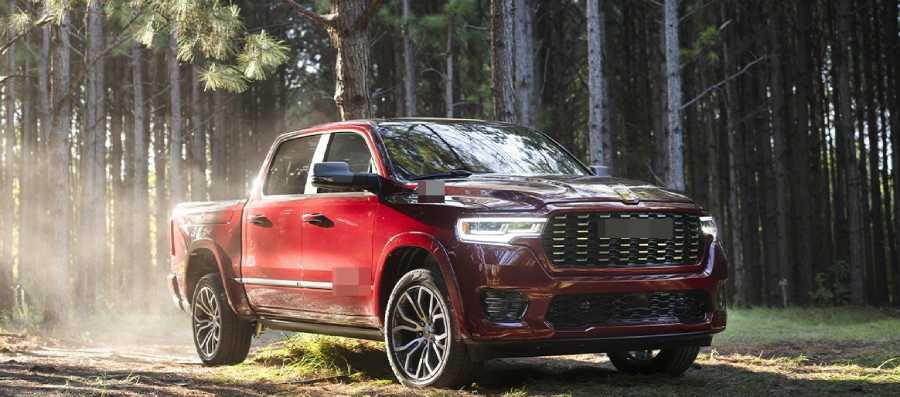
What Is the Correct Lug Nut Torque for a Ram 1500?
The correct Ram 1500 lug nut torque must match the manufacturer’s specification for the vehicle’s model year and wheel assembly. The required torque is measured in pound-feet (lb-ft) or Newton-meters (Nm) and determines how tightly the lug nuts secure the wheel to the hub. Using the correct specification maintains the clamping force needed to keep the wheel properly seated during acceleration, braking, and cornering.
Lug nut torque creates tension in the wheel studs, producing a clamping force between the wheel and mounting hub. Insufficient torque reduces this force and allows movement between the mating surfaces. Excessive torque places additional stress on the wheel studs and threads, increasing the risk of permanent deformation or fastener damage. A calibrated torque wrench allows the installer to apply the specified tightening torque more consistently than an impact wrench.
The correct torque value should be confirmed using the Ram owner’s manual or official service information for the specific vehicle. Model year, vehicle generation, wheel fasteners, and aftermarket modifications must be considered before selecting a torque setting. A specification listed for one Ram 1500 configuration should not automatically be applied to another without verifying compatibility.
What Are the Ram 1500 Lug Nut Torque Specifications by Model Year?
Ram 1500 lug nut torque specifications vary by vehicle generation and fastener configuration. The documented torque is 130 lb-ft (176 Nm) for cone-seat lug nuts on the 2018 Ram 1500, 2019 Ram 1500 DT, and 2025 Ram 1500 DT. Earlier Dodge Ram 1500 models can require different settings, including 135 lb-ft (183 Nm) for the 2005 Ram 1500 configuration documented in its service specifications.
The following table lists verified examples from manufacturer documentation and service specifications. It does not establish a universal torque value for every model year within the surrounding production ranges.
| Model year | Configuration | Torque (lb-ft) | Torque (Nm) |
|---|---|---|---|
| 2025 | Ram 1500 DT, cone-seat | 130 | 176 |
| 2019 | Ram 1500 DT, cone-seat | 130 | 176 |
| 2018 | Ram 1500, cone-seat | 130 | 176 |
| 2005 | Dodge Ram 1500, specified 9/16-18 cone-seat | 135 | 183 |
Sources: Ram/Mopar owner’s manuals for 2018 and 2019, the 2025 Ram 1500 owner’s manual, and 2005 Dodge Ram 1500 service specifications.
What Is the Lug Nut Torque for a 2019–2026 Ram 1500?
The 2019 Ram 1500 DT and 2025 Ram 1500 DT specify 130 lb-ft (176 Nm) for factory cone-seat wheel lug nuts. Their documented fastener configuration uses M14 × 1.50 threads and a 22 mm socket. These specifications provide confirmed reference points for the newer Ram 1500 generation.
The Ram 1500 DT was introduced for the 2019 model year, while the Ram 1500 Classic continued using the previous-generation platform. This distinction matters because the two model lines have different service documentation despite sharing the Ram 1500 name. Owners should identify their specific vehicle configuration before applying a torque specification.
The 2020–2024 and 2026 model years require confirmation against their respective owner’s manuals before the 130 lb-ft figure is presented as a verified specification for each year.
What Is the Lug Nut Torque for a 2009–2018 Ram 1500?
The 2018 Ram 1500 specifies 130 lb-ft (176 Nm) for cone-seat lug nuts with M14 × 1.50 threads and a 22 mm socket. The 2018 owner’s manual also lists a separate flanged-fastener specification, demonstrating why fastener type must be identified rather than relying on model year alone.
Ram 1500 trucks from this generation share a broad vehicle platform, but production-year similarities do not independently establish identical wheel torque requirements. Changes in factory equipment, replacement fasteners, or wheel assemblies can affect which service specification applies.
For 2009–2017 models, the appropriate torque must be checked against the documentation for the individual model year. The verified 2018 specification should not be treated as proof of the correct value for every earlier truck.
What Is the Lug Nut Torque for a 2002–2008 Dodge Ram 1500?
The 2005 Dodge Ram 1500 service specification lists 135 lb-ft (183 Nm) for the 1500-series 9/16-18 cone-seat wheel lug nuts. This differs from the 130 lb-ft value documented for later Ram 1500 configurations and illustrates the importance of checking the correct vehicle generation.
Earlier Dodge Ram 1500 models used wheel fastener configurations that differ from those found on newer trucks. Lug nut thread dimensions, seating geometry, and wheel assembly requirements must be considered when selecting replacement hardware or determining installation torque.
The documented 2005 value does not verify the entire 2002–2008 range. Owners of other model years should consult the corresponding Dodge service manual or factory wheel torque chart before tightening their lug nuts.
Does Ram 1500 Lug Nut Torque Differ Between Factory Wheel Types?
Ram 1500 lug nut torque does not automatically change between factory aluminum and steel wheels. The correct tightening torque depends on the manufacturer’s specifications for the wheel assembly, lug nut design, and wheel studs. Factory wheels using the same approved fastener configuration generally follow the same specified torque, regardless of wheel material.
Aluminum and steel wheels have different material properties, but lug nut torque primarily controls the clamping force holding the wheel against the hub. Aluminum wheels are lighter and have different deformation characteristics, while steel wheels generally have greater ductility. These differences do not establish separate torque requirements unless the manufacturer specifies them. For example, a 2025 Ram 1500 equipped with factory cone-seat lug nuts has a documented tightening specification of 130 lb-ft (176 Nm). This specification applies to the approved wheel and fastener configuration rather than to aluminum wheels universally.
The lug nut seating surface is another important factor. Cone-seat lug nuts use a tapered contact surface to center and secure the wheel, while flanged fasteners distribute force across a different contact area. The 2018 Ram 1500 owner’s manual identifies separate torque specifications for cone-seat and flanged fasteners. Installing the wrong lug nut design can prevent proper seating even when a torque wrench indicates the specified value.
Ram 1500 Classic and Ram 1500 DT models also require attention because they represent different vehicle generations. Although both carry the Ram 1500 name, their wheel hardware must be checked against the appropriate owner’s manual. Wheel diameter alone, such as 18-inch or 20-inch factory wheels, is not sufficient to determine the correct lug nut torque.
How Do You Properly Torque Ram 1500 Lug Nuts?
To properly torque Ram 1500 lug nuts, install the wheel against a clean mounting surface, hand-thread all lug nuts, tighten them in a star pattern, and complete the final tightening with a calibrated torque wrench. The procedure distributes clamping force evenly across the wheel mounting surface and reduces the risk of wheel misalignment, damaged threads, and uneven fastener loading.
Begin by parking the truck on a firm, level surface, applying the parking brake, and securing the vehicle against movement. Loosen the lug nuts slightly before lifting the truck, following the vehicle manufacturer’s lifting instructions. Use the designated jacking points and properly rated jack stands whenever the vehicle must remain elevated. Never work beneath a vehicle supported only by a hydraulic jack.
After removing the wheel, inspect the wheel studs, lug nut threads, and hub mounting surface. Remove loose dirt, rust buildup, and debris that could prevent the wheel from seating flush against the hub. Replace damaged wheel studs or lug nuts rather than attempting to compensate for damaged threads with additional tightening force. Keep the threads and seating surfaces clean and dry unless the manufacturer specifically instructs otherwise, because lubrication changes the relationship between applied torque and fastener clamping force.
Position the wheel against the hub and start every lug nut by hand. Each nut should turn smoothly for several rotations without binding. Hand-threading helps identify cross-threading before significant force is applied. Once all lug nuts are installed, tighten them gradually in the recommended sequence to bring the wheel evenly against the mounting surface.
Complete the final tightening with a calibrated torque wrench set to the specification for the vehicle’s model year and fastener configuration. For example, the documented cone-seat lug nut torque for a 2025 Ram 1500 DT is 130 lb-ft (176 Nm). Apply steady force until the torque wrench indicates that the setting has been reached. Do not continue pulling after the wrench clicks, because additional force can exceed the intended torque.
An impact wrench can assist with initial lug nut installation when used carefully at a low setting, but it should not replace a calibrated torque wrench for final tightening. Impact tools deliver repeated rotational impacts, making the resulting fastener torque difficult to control precisely without suitable torque-limiting equipment and verification.
What Is the Correct Lug Nut Tightening Sequence for a Ram 1500?
The correct Ram 1500 lug nut tightening sequence is a five-point star pattern for factory five-lug wheel configurations and an alternating cross-wheel pattern for six-lug configurations. Tightening opposite or widely separated fasteners progressively distributes pressure across the wheel and helps keep the mounting surface seated evenly against the hub.
For a five-lug wheel, start at one lug nut and move to a nonadjacent lug nut across the wheel. Continue following the star pattern until all five fasteners have been tightened. For a six-lug wheel, alternate between opposite and widely separated lug nuts instead of tightening adjacent fasteners consecutively. This approach helps distribute the seating load rather than concentrating it in one area.
Tighten the lug nuts progressively before applying the final specified torque. Once the wheel is properly seated, lower the vehicle according to the manufacturer’s instructions so the wheel is restrained from rotating during final tightening. Apply the specified torque to each lug nut in sequence, then make a final verification pass without intentionally tightening beyond the prescribed value.
Correct tightening sequence and correct torque are equally important. A torque wrench reading alone does not guarantee proper wheel installation when the wheel is not fully seated, the threads are damaged, or incompatible lug nuts are installed. Following the approved tightening pattern, using compatible hardware, and applying the manufacturer’s specified torque together provide the conditions necessary for a secure wheel installation.
What Lug Nut Size and Thread Pitch Does a Ram 1500 Use?
Ram 1500 lug nut thread sizes vary by model year, with newer models commonly using M14 × 1.5 threads and older Dodge Ram 1500 trucks using 9/16″-18 threads. The correct lug nut must match the wheel stud’s thread diameter, thread pitch, and seating design. Installing an incompatible lug nut can damage the threads, prevent proper wheel clamping, or cause the fastener to loosen during driving.
The M14 × 1.5 specification indicates a metric thread diameter of 14 millimeters and a thread pitch of 1.5 millimeters. This means the distance between adjacent thread peaks is 1.5 mm. In contrast, a 9/16″-18 fastener has a nominal diameter of 9/16 inch and 18 threads per inch. These thread configurations are not interchangeable, even though their nominal diameters are relatively close.
The following table summarizes documented Ram 1500 lug nut configurations.
| Ram 1500 model | Thread size | Socket size |
|---|---|---|
| 2025 Ram 1500 DT | M14 × 1.5 | 22 mm |
| 2019 Ram 1500 DT | M14 × 1.5 | 22 mm |
| 2018 Ram 1500 | M14 × 1.5 | 22 mm |
| 2005 Dodge Ram 1500 | 9/16″-18 | Verify installed lug nut |
These specifications illustrate the differences between selected vehicle generations. They should not be treated as a complete fitment chart for every Ram 1500 model year or aftermarket fastener.
Lug nut socket size and thread size describe different dimensions. The thread size determines whether the lug nut fits the wheel stud, while the socket size identifies the tool needed to turn the fastener’s external hex. For example, a Ram 1500 lug nut with M14 × 1.5 threads may use a 22 mm socket, but replacement lug nuts with the same threads can have different external hex dimensions.
The lug nut seat must also match the wheel’s mounting holes. Cone-seat lug nuts have a tapered seating surface that centers the wheel and transfers clamping force through the designed contact area. Other fastener designs, including flat-seat and flanged configurations, use different contact geometries. A lug nut with the correct thread size but an incorrect seating surface is not a suitable replacement.
When replacing Ram 1500 lug nuts, verify the model year, wheel stud thread dimensions, seat type, and socket clearance. The replacement fastener must also provide the thread engagement required by the applicable wheel and fastener manufacturer. These checks are especially important when installing aftermarket wheels, which may require lug nuts that differ from the original factory hardware.
Can You Use Factory Lug Nut Torque Specifications on Aftermarket Ram 1500 Wheels?
Factory Ram 1500 lug nut torque specifications should only be used on aftermarket wheels when the wheel manufacturer confirms that the original torque setting is compatible with the replacement wheel and its required mounting hardware. Aftermarket wheels can differ from factory wheels in lug seat geometry, mounting pad design, fastener requirements, and installation instructions. Applying the factory torque without checking these differences can produce an incorrect clamping condition.
Wheel manufacturers design mounting holes around specific lug nut seating surfaces. A factory cone-seat lug nut, for example, must not be assumed compatible with an aftermarket wheel requiring a different seat profile. An incorrect seat can concentrate contact pressure in the wrong area, prevent the wheel from seating correctly, and damage the mounting holes. Even when the torque wrench reaches the specified setting, the wheel may not have the intended clamping force.
Aftermarket wheel installation also requires checking the wheel’s mounting dimensions and hardware compatibility. The bolt pattern, center bore, mounting surface, and lug nut dimensions must match the vehicle’s requirements. Some aftermarket wheels have narrow lug nut recesses that require smaller-diameter fasteners or specialized sockets. These physical differences do not automatically change the required torque, but they can determine which fasteners are suitable for the installation.
For example, a 2025 Ram 1500 DT has a documented factory cone-seat lug nut torque of 130 lb-ft (176 Nm). An aftermarket wheel manufacturer may approve the original vehicle torque when the replacement wheel uses compatible hardware and mounting geometry. However, that factory value should not be applied automatically when the aftermarket wheel requires a different lug nut design or provides its own installation specifications.
The correct installation procedure begins with reviewing the aftermarket wheel manufacturer’s fitment and torque instructions. Confirm that the wheel is approved for the specific Ram 1500 model, identify the required lug nuts, and check that the fasteners engage the wheel studs correctly. The wheel must sit flush against the hub without interference from debris, incorrect hardware, or incompatible mounting components.
A calibrated torque wrench should be used for final tightening after the wheel has been seated and the lug nuts have been started by hand. Follow the specified tightening sequence and any post-installation torque verification instructions supplied by the wheel manufacturer. Do not lubricate the wheel studs or lug nut seating surfaces unless the applicable installation instructions explicitly require it, because lubrication changes the relationship between tightening torque and clamping force.
Factory and aftermarket wheels can therefore share the same lug nut torque specification, but only when the relevant manufacturers’ requirements support that setting. Wheel compatibility, correct fastener selection, and verified torque specifications are all necessary for a secure aftermarket wheel installation.
What Happens If Ram 1500 Lug Nuts Are Over-Torqued?
Over-torquing Ram 1500 lug nuts can stretch wheel studs, damage fastener threads, deform wheel mounting surfaces, and increase the risk of wheel attachment failure. Excessive tightening force places additional stress on the wheel studs beyond the manufacturer’s intended installation conditions. The severity of the damage depends on how far the applied torque exceeds the specification, the fastener’s material properties, and the condition of the wheel assembly.
Wheel studs function as tensioned fasteners that generate clamping force between the wheel and hub. When a lug nut is tightened, the wheel stud stretches elastically to maintain this force. Excessive torque can stretch the stud beyond its elastic limit, causing permanent deformation. A permanently stretched wheel stud may lose its ability to maintain the required clamping force and become more vulnerable to fatigue or fracture under repeated driving loads.
Over-torquing can also damage the lug nut and wheel stud threads. Excessive rotational force increases contact stress between the mating threads, potentially causing thread deformation, galling, or stripping. Damaged threads make future wheel removal difficult and can prevent replacement lug nuts from tightening correctly. For example, using a high-powered impact wrench without torque verification can apply substantially more force than the manufacturer’s specified value.
Wheel mounting surfaces are another area of concern. Excessive fastener loading can damage lug nut seating surfaces, particularly when incompatible hardware is installed. The resulting deformation can interfere with proper wheel seating and reduce the reliability of the connection. Excessive torque can also complicate roadside tire changes when lug nuts become difficult to remove using standard vehicle tools.
The correct response to suspected over-torquing is to inspect the affected fasteners and wheel mounting components. A wheel stud showing damaged threads, visible deformation, or other signs of mechanical failure requires evaluation and replacement as appropriate. Simply loosening an excessively tightened lug nut and retightening it does not repair a permanently stretched stud. Final installation should always follow the verified Ram 1500 lug nut torque specification using a calibrated torque wrench.
Read more: Ram 2500 Lug Nut Torque Chart and Specifications
What Happens If Ram 1500 Lug Nuts Are Under-Torqued?
Under-torqued Ram 1500 lug nuts can lose clamping force, allowing the wheel to move against the hub and increasing the risk of vibration, wheel stud damage, and wheel separation. Insufficient tightening prevents the fasteners from generating the intended preload needed to secure the wheel assembly. Repeated acceleration, braking, and cornering forces can then contribute to movement between the wheel and its mounting surface.
Wheel attachment depends on sufficient clamping force to maintain firm contact between the wheel and hub. When the lug nuts are tightened correctly, friction between these surfaces helps resist forces transmitted through the wheel. Insufficient preload reduces the available frictional resistance, allowing relative movement under demanding operating conditions. This movement can place additional cyclic loading on the wheel studs and accelerate damage to the mounting components.
A loose wheel assembly may produce symptoms such as vibration, knocking noises, or changes in vehicle handling. These symptoms are not exclusive to loose lug nuts, and a wheel can have insufficient clamping force without producing an obvious warning. Continued operation can enlarge wheel mounting holes, damage lug nut seats, or contribute to wheel stud fatigue. In severe cases, multiple fasteners can loosen or fail, resulting in complete wheel separation.
For example, a Ram 1500 wheel installed after a tire rotation may initially appear secure even when its lug nuts have not reached the specified torque. As the truck travels over uneven roads or experiences repeated braking loads, inadequate clamping force can allow small movements between the wheel and hub. These movements can worsen the condition of the fasteners and mounting surfaces over time.
Drivers who suspect loose lug nuts should stop in a safe location and avoid continuing to operate the vehicle until the wheel assembly has been inspected. The inspection should include the lug nuts, wheel studs, mounting holes, and hub contact surfaces. Damaged components must be repaired or replaced before the wheel is returned to service. Applying the correct torque is essential, but tightening alone is not sufficient when the wheel or fasteners have already sustained damage.
When Should You Recheck Ram 1500 Lug Nut Torque?
Ram 1500 lug nut torque should be verified whenever a wheel is installed or reinstalled, including after tire rotations, tire replacements, wheel repairs, and brake maintenance requiring wheel removal. Additional torque checks should follow the vehicle manufacturer’s or wheel manufacturer’s instructions. These checks help confirm that the wheel fasteners maintain the required installation condition after service.
Wheel installation can involve changes in contact conditions between the wheel, lug nuts, and hub. Dirt, corrosion, damaged mounting surfaces, or improperly seated components can interfere with the intended clamping force. As the wheel settles against its mounting surface, an installation problem may become apparent. Correct cleaning, inspection, and tightening during installation are therefore more important than relying on a later torque check to compensate for poor preparation.
Aftermarket wheel manufacturers may specify a re-torque inspection after an initial driving distance. For example, a manufacturer may require a torque check after approximately 50–100 miles (80–160 km), depending on its installation instructions. This distance is an illustrative aftermarket-wheel recommendation, not a universal Ram factory requirement. The applicable vehicle and wheel documentation should determine whether a post-installation recheck is necessary and when it must occur.
A torque check should be performed with a calibrated torque wrench using the verified specification for the installed wheel and fasteners. The technician should inspect the wheel mounting components if there are signs of movement, damaged hardware, or abnormal vibration. A torque wrench clicking at the selected setting on an already tightened lug nut does not independently prove that the original installation was correct or that the fastener has retained its intended preload.
Regular wheel maintenance also provides opportunities to identify corrosion, damaged studs, and worn lug nut seating surfaces. These conditions can affect the reliability of the wheel attachment even when the correct torque value is used. Replacing defective components and following the manufacturer’s installation procedure help maintain the integrity of the wheel assembly.
For Ram 1500 owners, the essential practice is to verify the correct torque specification, use compatible wheel hardware, and complete every wheel installation with a calibrated torque wrench. Any additional rechecking schedule should be based on the instructions applicable to the vehicle and installed wheels rather than an assumed universal mileage interval.