If your Subaru has been idling roughly, consuming more oil than usual, or suddenly illuminating the Check Engine light, the culprit might be a small and often overlooked component hidden beneath the hood: the PCV valve.
The Positive Crankcase Ventilation, commonly known as the PCV valve, plays a critical role in maintaining your engine’s health. It regulates the flow of gases from the crankcase back into the intake system, helping reduce harmful emissions while preventing excessive pressure buildup inside the engine. When this valve becomes clogged or fails, it can lead to a variety of problems, including oil leaks, poor engine performance, increased oil consumption, and even costly repairs if left unaddressed.
The good news is that a Subaru PCV valve replacement is often a straightforward maintenance task that many vehicle owners can complete at home with basic tools and a little patience. Whether you drive a Subaru Forester, Outback, Impreza, Crosstrek, or another model, replacing the PCV valve can help restore proper engine operation and extend the life of your vehicle.
In this guide, you will learn everything you need to know about Subaru PCV valve replacement. We will cover the warning signs of a failing PCV valve, the tools required for the job, where the valve is typically located, and a detailed step-by-step replacement process to help you complete the repair safely and confidently. By the end of this article, you will have the knowledge needed to tackle this maintenance task yourself and potentially save money on labor costs.
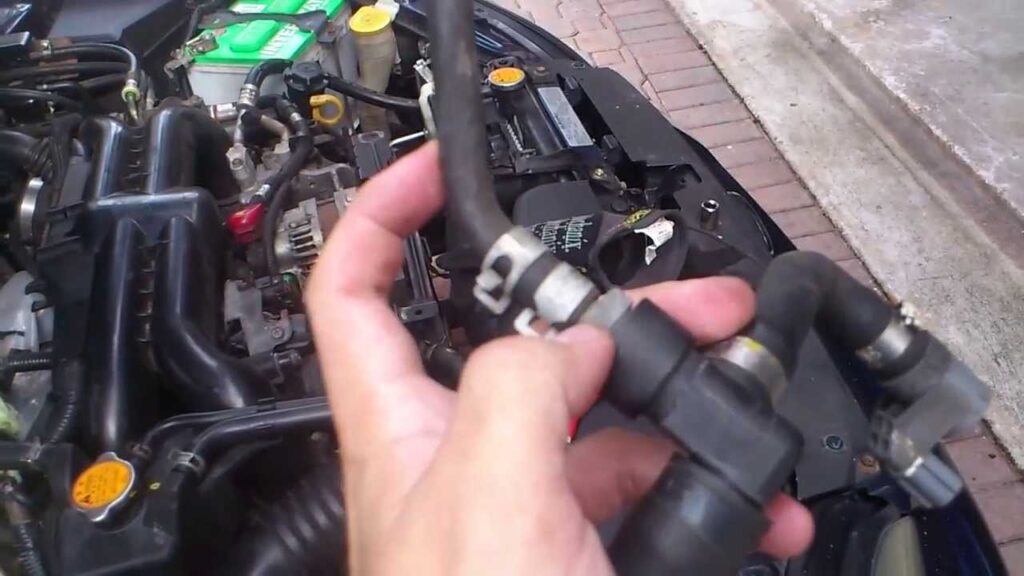
What Is a PCV Valve and Why Is It Important?
The Positive Crankcase Ventilation valve, commonly referred to as the PCV valve, is a small but essential component of your Subaru’s emission control and engine ventilation system. Its primary function is to redirect harmful gases that build up inside the crankcase back into the intake manifold, where they can be burned during the combustion process instead of being released into the atmosphere.
During normal engine operation, a small amount of combustion gases escapes past the piston rings and enters the crankcase. These gases, often called blow by gases, contain unburned fuel, moisture, and contaminants that can negatively affect engine oil and internal engine components. Without a properly functioning PCV system, pressure would gradually build up inside the engine, potentially leading to oil leaks, sludge formation, and reduced engine efficiency.
The PCV valve acts as a regulator that controls the flow of these gases based on engine operating conditions. At idle, when vacuum pressure is high, the valve restricts airflow to maintain proper engine performance. Under acceleration, when vacuum decreases, the valve allows a greater volume of gases to pass through the system.
Although inexpensive, the PCV valve plays a major role in protecting your Subaru’s engine. A clogged or malfunctioning valve can disrupt the air fuel mixture, increase oil consumption, and contribute to poor drivability issues. Replacing it at the recommended intervals is one of the simplest ways to maintain long term engine reliability.
Signs That Your Subaru Needs a PCV Valve Replacement
Recognizing the symptoms of a failing PCV valve can help prevent more serious and expensive engine problems. Because the PCV system directly affects engine ventilation and combustion efficiency, even a minor issue can lead to noticeable changes in vehicle performance.
One of the most common warning signs is a rough or unstable idle. If your Subaru shakes excessively while stopped at traffic lights or the engine speed fluctuates unexpectedly, a faulty PCV valve may be causing an imbalance in the intake system.
Another indication is increased oil consumption. Drivers may find themselves adding engine oil more frequently between scheduled maintenance intervals. In some cases, excessive crankcase pressure caused by a blocked PCV valve can force oil past seals and gaskets, resulting in leaks.
The Check Engine light may also illuminate. Depending on the severity of the issue, diagnostic trouble codes related to fuel trim imbalances or vacuum leaks can be stored within the vehicle’s onboard computer system.
Some owners report hearing a high pitched whistling noise coming from the engine compartment. This sound may occur when the PCV valve sticks open or when associated hoses develop leaks.
Exhaust smoke can also signal a problem. Blue smoke may indicate that oil is entering the combustion chamber, while excessive white smoke can suggest improper ventilation within the engine system.
Although these symptoms can be linked to other mechanical concerns, inspecting the PCV valve is a quick and cost effective diagnostic step that should not be overlooked.
When Should You Replace the PCV Valve on a Subaru?
Unlike engine oil changes, PCV valve replacement intervals are not always widely discussed among vehicle owners. However, this simple maintenance item deserves attention because neglecting it can gradually affect overall engine health.
Many technicians recommend inspecting or replacing the PCV valve every 30,000 to 60,000 miles, depending on the specific Subaru model and driving conditions. Vehicles that frequently operate in stop and go traffic, extreme temperatures, or dusty environments may require more frequent inspections.
It is also wise to evaluate the condition of the PCV valve whenever other major maintenance services are performed. For example, checking the valve during spark plug replacement or intake system service can help identify early signs of restriction or contamination.
Even if your Subaru is not exhibiting obvious symptoms, replacing an aging PCV valve can serve as preventive maintenance. Considering the relatively low cost of the component compared to the potential expense of repairing oil leaks or addressing engine performance issues, proactive replacement is often a worthwhile investment.
Drivers should also consult their owner’s manual or factory service documentation for model specific recommendations. Some Subaru engines may have slightly different service intervals based on design variations and operating characteristics.
Ultimately, understanding when to perform a Subaru PCV valve replacement can help extend engine life, improve efficiency, and reduce the likelihood of unexpected repairs in the future.
Tools and Materials Needed for a Subaru PCV Valve Replacement
Before beginning the replacement process, gathering the proper tools and materials will help ensure that the job goes smoothly and efficiently. One of the advantages of replacing a PCV valve is that it typically requires only a few basic hand tools, making it an ideal project for beginners interested in performing their own vehicle maintenance.
Start by obtaining a replacement PCV valve that is compatible with your specific Subaru model and engine. Choosing an OEM or high quality aftermarket part is highly recommended, as low quality components may not provide the same durability or performance.
You will also need a socket set with various extensions, as the valve location can vary depending on the engine configuration. A suitable wrench may be necessary for loosening or tightening the valve if access is limited. Needle nose pliers or hose clamp pliers can assist with removing vacuum hoses connected to the PCV system.
Protective gloves are useful for keeping your hands clean and preventing minor injuries while working around the engine bay. A clean shop towel can be used to wipe away dirt or oil residue before installation. In some cases, replacing old hose clamps or deteriorated hoses at the same time may improve the overall reliability of the PCV system.
Having all required tools readily available before starting the repair minimizes interruptions and allows you to focus on completing the replacement correctly.
Locating the PCV Valve on Your Subaru
One of the most important steps in a Subaru PCV valve replacement is identifying the exact location of the valve. While the basic function of the PCV system remains consistent across Subaru vehicles, the valve’s placement may differ depending on the engine type and model year.
On many Subaru models equipped with naturally aspirated boxer engines, the PCV valve is threaded into the intake manifold and connected to one or more rubber hoses. It is often positioned near the top center of the engine, making it relatively accessible once any plastic engine covers have been removed.
Owners of Subaru Forester models may find the valve located beneath sections of the intake tubing. On Outback and Legacy models, access may require temporarily moving nearby components to create additional working space. Impreza and Crosstrek owners should consult the owner’s manual or factory service information to confirm the valve’s precise location before proceeding.
Because Subaru has produced numerous engine variations over the years, visually identifying the correct component is essential. Mistaking another vacuum fitting for the PCV valve can result in unnecessary disassembly and wasted time.
If uncertainty exists, referring to a repair manual, official service documentation, or reputable model specific resources can provide valuable guidance. Spending a few extra minutes verifying the valve location often makes the remainder of the replacement process significantly easier.
Subaru PCV Valve Replacement: Step by Step Instructions
Once the necessary tools have been prepared and the PCV valve has been located, you are ready to begin the replacement process. Although specific details may vary slightly between Subaru models, the following procedure applies to many common applications.
Park the vehicle on a level surface and engage the parking brake. Allow the engine to cool completely before working in the engine compartment to avoid burns from hot components.
Open the hood and identify the PCV valve using your service information or visual inspection. If plastic engine covers or intake components obstruct access, carefully remove them and set them aside in a safe location.
Inspect the hoses connected to the PCV valve before disassembly. Taking a photograph with your phone can help ensure that everything is reinstalled correctly during reassembly.
Using pliers, loosen any hose clamps and gently disconnect the attached hoses. Exercise caution if the hoses appear brittle, as older rubber components can crack during removal.
Select the appropriate socket or wrench and carefully unscrew the old PCV valve from its mounting location. Avoid applying excessive force, especially if the surrounding components are made from softer materials.
Compare the old valve with the replacement part to confirm that the size, thread pattern, and design are identical. Installing the incorrect component can lead to improper operation and potential drivability concerns.
Thread the new PCV valve into place by hand to prevent cross threading. Once properly seated, tighten it according to manufacturer recommendations. Over tightening should be avoided, as it may damage the valve or surrounding parts.
Reconnect all hoses securely and verify that the clamps are positioned correctly. Reinstall any components that were removed to gain access to the valve.
Start the engine and allow it to idle for several minutes. Listen for unusual noises, check for vacuum leaks, and confirm that the engine operates smoothly. If the Check Engine light was previously illuminated, clearing stored diagnostic codes may be necessary.
Completing a Subaru PCV valve replacement is often a straightforward procedure that can be finished within an hour. Performing this maintenance task on schedule helps maintain proper engine ventilation and supports the long term health of your Subaru.
Common Mistakes to Avoid During a Subaru PCV Valve Replacement
Although replacing a PCV valve is considered a relatively simple maintenance procedure, several common mistakes can lead to unnecessary frustration or even additional repairs. Understanding these pitfalls before starting the job can help ensure a successful outcome.
One of the most frequent errors is purchasing the wrong replacement part. Subaru has used multiple engine configurations throughout different model years, and not all PCV valves are interchangeable. Always verify the correct part number using your vehicle identification number, owner’s manual, or a trusted parts supplier.
Another mistake involves forcing old vacuum hoses during removal. Rubber hoses become brittle over time due to heat exposure and age. Pulling aggressively can cause them to crack or split, creating vacuum leaks that may result in poor engine performance. If a hose appears damaged, replacing it during the PCV valve service is often the best course of action.
Overtightening the new PCV valve is another issue that should be avoided. Applying excessive force can damage threads or crack nearby components, especially if the valve is mounted in aluminum parts. Tighten the valve according to the manufacturer’s specifications whenever possible.
Some vehicle owners focus solely on replacing the valve while ignoring the condition of the surrounding PCV system. Inspecting hoses, clamps, and connections for signs of wear can prevent future issues and improve the effectiveness of the repair.
Finally, failing to perform a post installation inspection can allow small problems to go unnoticed. After completing the replacement, always start the engine, check for unusual noises, and verify that all components have been reinstalled correctly.
By avoiding these common mistakes, you can complete your Subaru PCV valve replacement with greater confidence and reduce the risk of future complications.
How Much Does a Subaru PCV Valve Replacement Cost?
One of the reasons many Subaru owners choose to perform this maintenance task themselves is the relatively low replacement cost. Compared to other engine repairs, replacing a PCV valve is inexpensive and can offer significant long term benefits.
For those pursuing the DIY route, the cost of a replacement PCV valve generally ranges from twenty to fifty dollars, depending on the vehicle model and whether an OEM or aftermarket part is selected. If you already own basic hand tools, there may be little to no additional expense.
Owners who prefer professional service should expect higher costs due to labor charges. Depending on local labor rates and the complexity of accessing the valve, the total price for a Subaru PCV valve replacement may range from one hundred to two hundred dollars or more.
While choosing the least expensive option may be tempting, quality should remain a priority. Investing in a reliable replacement part can help ensure proper engine operation and reduce the likelihood of premature failure.
Considering the potential consequences of neglecting a faulty PCV valve, including oil leaks, increased oil consumption, and drivability issues, the replacement cost is relatively minor. Preventive maintenance often proves to be far more affordable than waiting for symptoms to worsen.
Whether you decide to complete the repair yourself or seek assistance from a qualified technician, addressing PCV valve concerns promptly can contribute to the long term reliability of your Subaru.
Frequently Asked Questions About Subaru PCV Valve Replacement
How often should a Subaru PCV valve be replaced?
Many technicians recommend inspecting or replacing the PCV valve every 30,000 to 60,000 miles. However, the ideal interval may vary depending on the model, driving habits, and environmental conditions. Reviewing your owner’s manual for model specific guidance is always recommended.
Can I clean the PCV valve instead of replacing it?
Some older PCV valves can be cleaned temporarily if contamination is minimal. However, because the part is relatively inexpensive, replacing it is generally considered the more reliable and practical solution.
What happens if I continue driving with a bad PCV valve?
Ignoring a faulty PCV valve can lead to increased crankcase pressure, oil leaks, rough idling, poor fuel economy, excessive oil consumption, and potential damage to engine seals and gaskets. Addressing the issue early can help prevent more expensive repairs.
Can I replace the PCV valve myself?
Yes. In many Subaru models, replacing the PCV valve is a beginner friendly maintenance task that requires only basic tools and a moderate amount of time. Following a detailed guide and confirming the correct replacement part are key factors for success.
Should I choose OEM or aftermarket PCV valves?
OEM parts are designed specifically for Subaru vehicles and often provide the highest level of compatibility and reliability. High quality aftermarket alternatives can also perform well, but it is important to purchase components from reputable manufacturers.
Conclusion
A Subaru PCV valve replacement may not receive the same attention as oil changes or brake service, but it remains an important part of maintaining engine health and overall vehicle performance. This small component helps regulate crankcase pressure, supports efficient combustion, and contributes to lower emissions.
Fortunately, replacing the PCV valve is often a straightforward project that many Subaru owners can complete at home. With the proper tools, a quality replacement part, and a careful approach, this simple maintenance task can be completed in less than an hour while potentially saving money on labor costs.
More importantly, staying proactive with routine maintenance can help you avoid larger and more expensive problems in the future. Paying attention to early warning signs such as rough idling, unusual oil consumption, or a Check Engine light may allow you to address PCV related issues before they escalate.
If your Subaru has accumulated significant mileage or has never had its PCV valve inspected, now may be the perfect opportunity to add this service to your maintenance checklist. A small investment of time and effort today can help keep your Subaru running smoothly for many miles to come.
Have you replaced the PCV valve on your Subaru? Share your experience, maintenance tips, or questions in the comments below. Your insights may help fellow Subaru owners confidently tackle this important DIY repair.