Few situations are more frustrating for Subaru Forester owners than turning off the engine, shifting into Park, and realizing that the key refuses to come out of the ignition. Whether you are rushing to work, picking up your children from school, or simply trying to end a long drive, a key stuck in the ignition can quickly turn into an unexpected source of stress.
The good news is that this issue does not always indicate a major mechanical failure. In many cases, a Subaru Forester key stuck in the ignition is caused by relatively minor problems, such as the gear selector not being fully engaged in the Park position, tension in the steering wheel lock mechanism, or a weak vehicle battery affecting the shift interlock system. However, if left unaddressed, repeated incidents may point to more serious concerns involving the ignition cylinder or other components that require professional attention.
One of the biggest mistakes drivers make is trying to force the key out. Doing so can damage the ignition assembly or even break the key, resulting in costly repairs and additional inconvenience. Understanding the correct troubleshooting steps can help you resolve the issue safely while avoiding unnecessary expenses.
In this guide, you will learn how to remove a stuck key from a Subaru Forester safely, discover the most common causes behind the problem, and understand when it is time to seek assistance from a qualified mechanic. By following these practical steps, you may be able to get back on the road quickly and prevent the same issue from happening again.
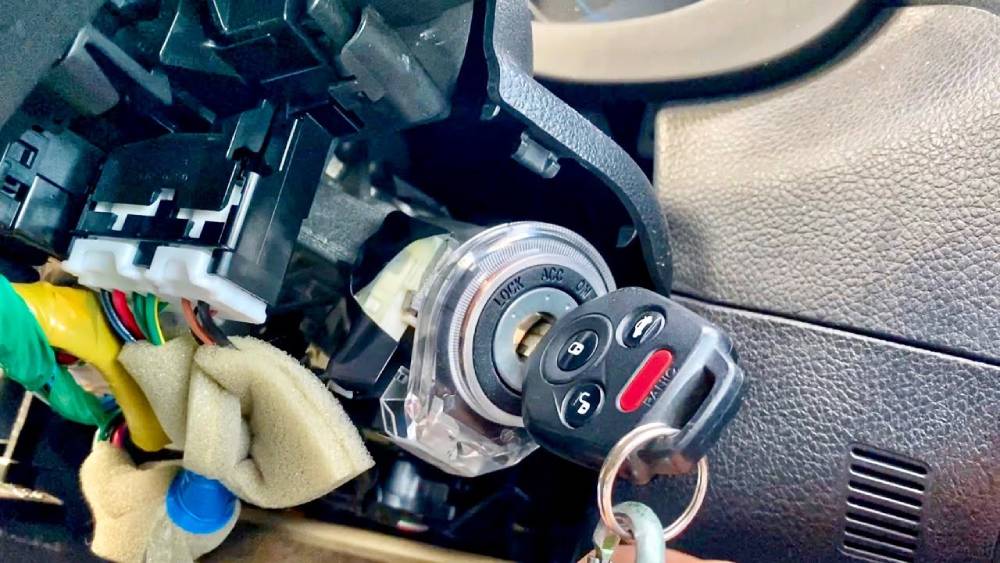
Quick Safety Checks Before You Start
Before attempting to remove a stuck key from your Subaru Forester, it is important to take a few precautionary steps. Many drivers panic when the key refuses to come out and instinctively apply more force. Unfortunately, this reaction often causes more harm than good.
Start by ensuring that the engine has been completely shut off. In some situations, the ignition may remain partially engaged if the key was not fully turned to the OFF position. Next, engage the parking brake to prevent the vehicle from moving unexpectedly while you troubleshoot the problem.
Take a moment to examine the steering wheel. If it feels unusually tight or locked in one direction, avoid forcing it. Excessive pressure can place additional strain on the ignition mechanism and make the key even more difficult to remove.
It is equally important to resist the temptation to yank or twist the key aggressively. Modern ignition systems contain delicate components that can be damaged by excessive force. A broken key inside the ignition cylinder is far more expensive and inconvenient to repair than addressing the original issue.
Finally, if your vehicle is parked on an incline, be aware that transmission tension may interfere with the shift interlock system. Whenever possible, perform these checks on a level surface.
Taking a few minutes to follow these safety measures can prevent unnecessary damage and increase your chances of resolving the issue quickly and successfully.
Step 1: Make Sure the Shifter Is Fully in Park
One of the most common reasons a Subaru Forester key becomes stuck in the ignition is that the gear selector is not completely engaged in the Park position. Even if the shift lever appears to be in Park, it may not have activated the mechanism responsible for releasing the key.
Begin by pressing the brake pedal firmly. While keeping your foot on the brake, move the shifter from Park into Drive and then slowly return it back to Park. Apply gentle but deliberate pressure to ensure that the lever is fully seated in its proper position.
After shifting back into Park, attempt to rotate and remove the key from the ignition. In many cases, this simple action immediately resolves the problem.
The reason this method works is because Subaru vehicles use a shift interlock system designed to prevent the key from being removed unless the transmission is safely positioned in Park. If the system detects that the transmission is still engaged in another gear, even slightly, it will continue to hold the key in place.
Signs that this was the source of the issue include the key releasing immediately after repositioning the shifter or inconsistencies in the gear indicator display on the dashboard.
If the key remains stuck after repeating this process several times, proceed to the next troubleshooting step.
Step 2: Relieve Pressure on the Steering Wheel
Another common cause of a key becoming trapped in the ignition is tension within the steering wheel locking mechanism. This situation often occurs when the front wheels are turned sharply before the engine is switched off.
To determine whether steering wheel pressure is responsible, place one hand on the steering wheel and attempt to move it gently from side to side. You may notice that it moves slightly in one direction while resisting movement in the other.
As you apply light pressure toward the direction that allows movement, use your other hand to turn the key carefully toward the ACC position. Avoid using excessive force on either the steering wheel or the key. The objective is simply to release the tension that has built up within the locking mechanism.
Once the pressure is relieved, try rotating the key back to the OFF position and remove it from the ignition. Many Subaru owners discover that this quick adjustment solves the problem within seconds.
It is important to remember that forcing the steering wheel beyond its natural range of movement can damage internal components. Patience and gentle movements are essential throughout the process.
If the steering wheel moves freely and the key still refuses to come out, the problem may be related to the electrical system, the key itself, or wear within the ignition cylinder.
Step 3: Check for Battery or Electrical Issues
Many Subaru Forester owners are surprised to learn that a weak or failing battery can sometimes contribute to a key becoming stuck in the ignition. Although the ignition system itself is mechanical, certain electronic components work together to ensure the key can only be removed under the correct conditions.
If your vehicle battery has a low charge, the shift interlock mechanism may not function properly. This can prevent the system from recognizing that the transmission is in the Park position, leaving the key trapped inside the ignition cylinder.
Look for warning signs that may indicate an electrical issue. Dim interior lights, difficulty starting the engine, slow cranking, or dashboard warning lights appearing unexpectedly can all suggest that the battery is losing its ability to provide adequate power.
If you suspect a battery problem, inspect the battery terminals for corrosion or loose connections. Cleaning minor corrosion and tightening the terminals may improve electrical performance. If the battery is several years old or has repeatedly shown signs of weakness, testing its voltage may be worthwhile.
In some situations, jump starting the vehicle can temporarily restore normal operation and allow the key to be removed. However, if the issue returns frequently, replacing the battery or addressing the underlying electrical fault may be necessary.
Ignoring electrical problems can eventually lead to more serious inconveniences, including an inability to start the vehicle when you need it most.
Step 4: Inspect the Key for Wear or Damage
Sometimes the issue is not with the ignition system at all. Instead, the key itself may be the source of the problem. Over time, repeated use causes the grooves and ridges on a key to wear down gradually. As the key becomes worn, it may no longer interact smoothly with the internal components of the ignition cylinder.
Begin by carefully examining your Subaru key for visible signs of damage. Look for bending, cracks, excessive wear, or unusual polishing along the edges of the key blade. Even minor deformities can interfere with the precise alignment required inside the ignition mechanism.
If you have access to a spare key, try using it to determine whether the problem persists. If the spare key functions normally, there is a strong possibility that the original key has simply reached the end of its useful life.
Drivers should also exercise caution when using duplicate keys produced by inexperienced locksmiths or low quality cutting machines. An improperly cut key may fit the ignition but fail to engage the components correctly, increasing the likelihood of sticking.
Attempting to straighten a bent key on your own is generally not recommended. Metal fatigue can weaken the structure of the key, increasing the risk of breakage during future use.
Replacing a damaged key promptly can save you from the inconvenience and expense associated with extracting a broken key from the ignition.
Step 5: Identify Potential Ignition Cylinder Problems
If none of the previous troubleshooting methods have resolved the issue, the ignition cylinder itself may be experiencing wear or internal damage. This component contains a series of small mechanical parts that interact directly with your key every time you start or shut off the vehicle.
As these internal components age, they may become worn, misaligned, or contaminated with debris. The result is increased resistance when inserting, turning, or removing the key.
Several warning signs may indicate that the ignition cylinder is beginning to fail. You may notice that the key occasionally sticks before eventually coming free. The key might require extra effort to turn between positions, or you may need to jiggle it repeatedly to start the vehicle. In more advanced cases, the key can become completely trapped without warning.
Although some drivers attempt temporary solutions, such as repeatedly manipulating the key to overcome resistance, these approaches rarely address the underlying problem. In fact, continuing to use a deteriorating ignition cylinder may increase the likelihood of a complete failure.
A failed ignition cylinder can leave you stranded unexpectedly and often requires more extensive repairs than addressing the issue during its early stages. If you suspect that this component is responsible for your Subaru Forester key stuck in ignition problem, scheduling an inspection with a qualified technician is the safest course of action.
Recognizing these symptoms early can help you avoid larger repair bills and restore confidence in your vehicle’s reliability.
When Should You Call a Mechanic?
While many cases of a Subaru Forester key stuck in the ignition can be resolved through simple troubleshooting, there are situations where professional assistance becomes necessary. Knowing when to stop attempting DIY fixes can help prevent additional damage and unnecessary repair costs.
You should contact a qualified mechanic if the key remains completely jammed despite trying all recommended steps. Persistent ignition problems often indicate deeper mechanical or electrical issues that require specialized tools and expertise to diagnose correctly.
Professional help is also advisable if the key itself appears cracked, bent, or partially broken. Continuing to manipulate a damaged key increases the risk of it snapping inside the ignition cylinder, which can significantly complicate the repair process.
Repeated shift interlock failures are another warning sign that should not be ignored. If the key frequently becomes trapped even when the vehicle is properly shifted into Park, there may be an issue with the interlock mechanism, transmission linkage, or related electrical components.
In addition, unusual sounds such as grinding, clicking, or excessive resistance while turning the key may indicate internal ignition cylinder damage. These symptoms often worsen over time and rarely resolve on their own.
A professional technician can perform a thorough inspection, identify the exact cause of the problem, and recommend the most effective repair solution. Seeking assistance early can save both time and money while ensuring your Subaru Forester remains safe and dependable.
How Much Does It Cost to Fix a Subaru Forester Key Stuck in Ignition?
One of the first questions many vehicle owners ask is how much it will cost to resolve the issue. The answer depends largely on the underlying cause of the problem and the extent of the required repairs.
If the issue is related to a weak battery, replacement costs typically range from one hundred to three hundred dollars, depending on battery specifications and labor charges in your area.
Repairs involving the shift interlock system may cost between one hundred fifty and four hundred dollars. The final price often varies based on the complexity of the repair and the specific model year of the Subaru Forester.
When the ignition cylinder is the source of the problem, repair expenses can increase significantly. Minor ignition repairs generally range from two hundred to five hundred dollars. If a complete ignition cylinder replacement is necessary, costs may fall between three hundred and eight hundred dollars, particularly when programming or security system integration is involved.
Diagnostic inspections performed by professional repair facilities commonly cost between fifty and one hundred fifty dollars. However, some repair shops waive the diagnostic fee if you proceed with the recommended repairs.
Although repair expenses can seem frustrating, delaying necessary maintenance may result in more extensive damage and higher costs in the future. Addressing ignition problems promptly often proves to be the more economical choice.
How to Prevent Your Subaru Forester Key From Getting Stuck Again
Preventive maintenance is one of the most effective ways to reduce the likelihood of encountering ignition problems in the future. Small habits and routine inspections can go a long way toward protecting your vehicle’s ignition system.
Start by minimizing the weight attached to your keychain. Carrying numerous keys and heavy accessories places constant stress on the ignition cylinder, accelerating wear over time.
Pay attention to any changes in the way your key operates. If you notice increased resistance, difficulty turning the key, or occasional sticking, schedule an inspection before the issue progresses into a more serious problem.
Replacing worn keys is another simple yet effective preventive measure. A deteriorated key can gradually damage the internal components of the ignition cylinder through repeated use.
Maintaining a healthy vehicle battery is equally important. Since various electrical systems contribute to proper ignition and shift interlock operation, ensuring that the battery remains in good condition can help prevent unexpected malfunctions.
Finally, address transmission and shifter issues as soon as they arise. Problems affecting the Park position can interfere with the mechanism responsible for releasing the key from the ignition.
By adopting these preventive practices, Subaru Forester owners can reduce the risk of future disruptions, avoid costly repairs, and enjoy greater peace of mind every time they get behind the wheel.
Frequently Asked Questions
Why won’t my Subaru Forester key come out even though the vehicle is in Park?
This is one of the most common complaints among Subaru Forester owners. In many cases, the transmission may not be fully engaging the Park position even though the shifter appears to be in the correct place. Problems with the shift interlock system, a weak battery, or a worn ignition cylinder can also prevent the key from being released properly.
Can a dead battery cause a Subaru Forester key to get stuck in the ignition?
Yes. Certain electronic components, including the shift interlock mechanism, rely on adequate battery voltage to function correctly. A weak or discharged battery may interfere with the system’s ability to recognize that the vehicle is safely parked, causing the key to remain trapped in the ignition.
Is it safe to force the key out of the ignition?
No. Applying excessive force can damage the ignition cylinder or break the key inside the ignition assembly. A broken key extraction often requires specialized tools and can substantially increase repair costs. It is always safer to follow proper troubleshooting procedures before attempting more aggressive solutions.
Should I use lubricant inside the ignition cylinder?
Lubricants should only be used with caution. Some products can attract dirt and debris, potentially worsening the problem over time. If you suspect an ignition cylinder issue, consult your owner’s manual or seek advice from a qualified automotive technician before introducing any substances into the ignition system.
How do I know if the ignition cylinder needs replacement?
Warning signs include recurring difficulty removing the key, increased resistance when turning the key, intermittent sticking, and situations where the key becomes completely jammed without an obvious cause. If these symptoms persist despite basic troubleshooting, professional evaluation is recommended.
How long does it take to repair an ignition cylinder?
The repair time depends on the specific issue and the model year of the vehicle. Minor repairs may be completed within a few hours, while a complete ignition cylinder replacement involving key programming or security system synchronization can take longer.
Conclusion
Discovering that your Subaru Forester key is stuck in the ignition can be both frustrating and stressful, especially when you are unsure whether the issue is minor or a sign of a more serious mechanical problem. Fortunately, many cases can be resolved safely by following a systematic troubleshooting approach.
Simple actions such as confirming that the shifter is fully engaged in Park, relieving pressure from the steering wheel, checking the battery condition, and inspecting the key for signs of wear may be all that is needed to restore normal operation. These straightforward steps can often save drivers from unnecessary repair expenses and reduce the risk of causing additional damage through improper handling.
At the same time, it is important to recognize when professional assistance is required. Recurring ignition issues, persistent key sticking, or evidence of ignition cylinder wear should never be ignored. Addressing these concerns promptly can prevent unexpected breakdowns and more costly repairs in the future.
By understanding the common causes behind a Subaru Forester key stuck in ignition situation and knowing how to respond appropriately, you can protect your vehicle, avoid unnecessary stress, and maintain confidence every time you drive.
Have you experienced a stuck key issue in your Subaru Forester? Sharing your experience may help other drivers identify solutions more quickly and determine when it is time to seek professional assistance.