Buying a used Subaru WRX can be both exciting and intimidating. Few sports sedans have earned the same level of admiration among driving enthusiasts. With its rally inspired heritage, turbocharged performance, and all wheel drive capability, the WRX has built a loyal following around the world. However, one question continues to surface among potential buyers: Are Subaru WRXs reliable, and which model years are worth buying?
The answer is not as straightforward as a simple yes or no. Subaru WRX reliability varies significantly depending on the generation, maintenance history, and whether the vehicle has been modified. Some model years have developed a reputation for lasting well beyond 200,000 miles with proper care. Others have become known for engine failures, excessive oil consumption, and costly repairs that can quickly turn ownership into a frustrating experience.
For buyers searching the used market, choosing the right WRX model year can mean the difference between years of enjoyable driving and thousands of dollars in unexpected maintenance expenses. Understanding the common issues associated with each generation is essential before making a purchase decision.
In this guide, we will break down Subaru WRX reliability by model year, highlight the best Subaru WRX years to buy, identify the WRX years to avoid, and share practical tips to help you find a dependable example. Whether you are a first time WRX buyer or a long time Subaru enthusiast looking for your next project car, this article will help you make a more informed decision.
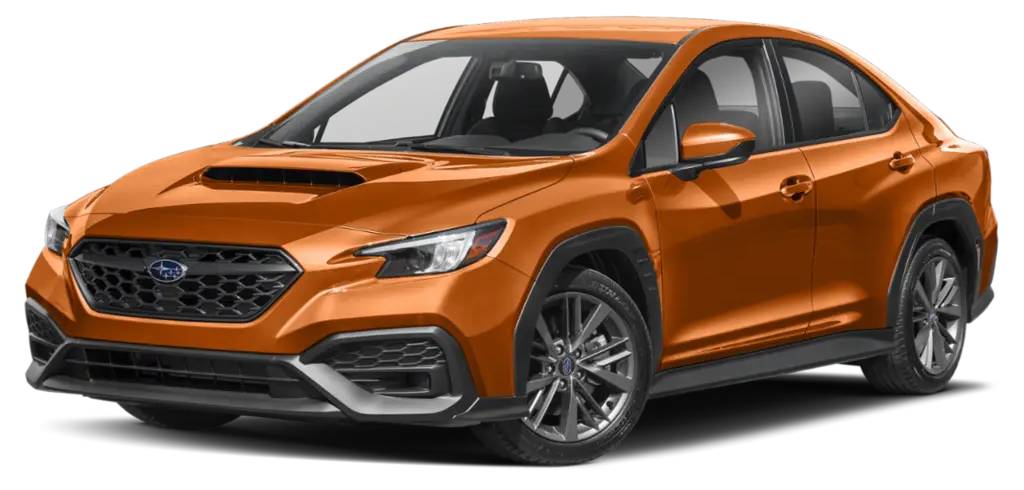
How Reliable Is the Subaru WRX Overall?
The Subaru WRX has earned a reputation as one of the most engaging performance cars in its segment, but its reliability record is more nuanced than many buyers expect. Unlike traditional family sedans that are often driven conservatively, WRXs are frequently owned by enthusiasts who enjoy spirited driving and aftermarket modifications. As a result, the condition of a used WRX often depends more on how it was maintained than on the number shown on the odometer.
When properly maintained, many Subaru WRXs can exceed 150,000 to 200,000 miles without major mechanical issues. Routine oil changes, timely replacement of wear items, and adherence to Subaru’s maintenance schedule can significantly improve long term dependability. Owners who avoid aggressive tuning and use quality replacement parts often report years of trouble free ownership.
However, reliability concerns do exist. Certain generations have been associated with issues such as turbocharger wear, oil consumption, clutch problems, and engine failures related to poor maintenance or excessive modifications. This is why prospective buyers should never rely solely on a vehicle history report. A comprehensive pre purchase inspection performed by a mechanic familiar with Subaru vehicles is essential.
Ultimately, the Subaru WRX can be a reliable performance car, but it rewards responsible ownership. Buyers who prioritize maintenance records, seek out unmodified examples, and understand the strengths and weaknesses of each generation are far more likely to enjoy a positive ownership experience.
2002 to 2005 Subaru WRX Reliability
Reliability Rating: 7.5 out of 10
The introduction of the Subaru WRX to the North American market in 2002 marked the beginning of an icon. Equipped with the EJ205 turbocharged boxer engine and Subaru’s symmetrical all wheel drive system, these early models quickly became favorites among enthusiasts seeking affordable performance and year round usability.
From a reliability standpoint, the 2002 through 2005 WRX models can be dependable when maintained correctly. Their relatively simple mechanical design compared to newer generations makes repairs more straightforward, and the strong aftermarket community ensures that replacement parts remain widely available.
Despite these advantages, age has become a significant factor for these vehicles. Many examples have accumulated high mileage, and years of enthusiastic driving may have accelerated wear on critical components. Oil leaks from valve cover gaskets are not uncommon, particularly as rubber seals deteriorate over time. Turbocharger wear may also appear in higher mileage vehicles, especially if previous owners neglected proper warm up and cool down procedures.
Transmission condition should be another area of concern. Aggressive launches and hard shifting can shorten the lifespan of manual gearboxes, and evidence of abuse should not be ignored during inspection. Buyers should also pay close attention to maintenance documentation, looking for records that demonstrate consistent servicing throughout the vehicle’s life.
For enthusiasts seeking an affordable entry into WRX ownership, these early models can still represent a compelling option. The key is finding a well cared for example that has not been subjected to excessive modifications or neglect.
Verdict
The 2002 to 2005 Subaru WRX remains a solid choice for buyers who appreciate the classic WRX experience. While these vehicles require careful inspection due to their age, a properly maintained example can provide years of enjoyable ownership.
2006 to 2007 Subaru WRX Reliability
Reliability Rating: 6.5 out of 10
The 2006 and 2007 Subaru WRX models introduced several updates aimed at improving performance and refinement. Changes to styling, interior quality, and driving dynamics made these vehicles attractive to a broader audience. However, reliability outcomes for this generation have been somewhat mixed.
One factor influencing reliability is the increasing popularity of performance modifications during this period. Many owners pursued aftermarket tuning to extract additional horsepower from the turbocharged powertrain. Unfortunately, poorly executed modifications often placed additional stress on internal engine components, leading to premature failures.
Clutch wear is another area that deserves attention. Drivers who frequently engage in aggressive acceleration or track use may accelerate clutch deterioration, resulting in costly replacement expenses. In some cases, owners have also reported piston related concerns, particularly in heavily modified vehicles operating beyond factory specifications.
That said, stock examples with comprehensive service histories can still prove dependable. Routine maintenance remains critical, including timely oil changes using the correct viscosity and regular inspections of the cooling system. Vehicles that have remained close to factory condition generally present lower ownership risks than extensively modified counterparts.
Potential buyers should approach these model years with caution rather than avoidance. A thorough mechanical inspection, combined with a careful review of maintenance records, can help distinguish a worthwhile purchase from a future financial burden.
Verdict
The 2006 to 2007 Subaru WRX can be a rewarding ownership experience for informed buyers. Choosing an unmodified vehicle with documented maintenance history significantly improves the likelihood of long term reliability.
2008 to 2010 Subaru WRX Reliability
Reliability Rating: 5.5 out of 10
The 2008 to 2010 Subaru WRX generation represents one of the most controversial periods in the model’s history. Subaru redesigned the WRX with a greater emphasis on everyday comfort, introducing a larger body, improved ride quality, and a more practical interior. While these updates broadened the vehicle’s appeal, reliability concerns and enthusiast criticism have made these model years less desirable in the used market.
One of the most significant issues associated with this generation involves engine durability. Some owners have reported connecting rod bearing failures, particularly in vehicles that were subjected to aggressive driving habits or inadequate maintenance. Although not every WRX from this period experiences catastrophic engine problems, the frequency of such reports has contributed to a less favorable reputation.
Excessive oil consumption is another concern that prospective buyers should keep in mind. Failing to monitor oil levels can increase the risk of internal engine damage, especially in turbocharged applications where lubrication is critical. Unfortunately, many WRXs from these years have passed through the hands of multiple owners, making it difficult to verify whether proper maintenance practices were consistently followed.
Another challenge is the prevalence of aftermarket modifications. Because the WRX is a popular platform for performance upgrades, many examples have been tuned beyond factory specifications. Poor quality modifications or improper engine calibrations can significantly reduce long term reliability and increase the likelihood of expensive repairs.
Anyone considering a 2008 to 2010 WRX should invest in a comprehensive pre purchase inspection. Compression testing, leak down testing, and a careful review of service records can provide valuable insight into the vehicle’s condition.
Verdict
These model years require caution. While there are certainly well maintained examples on the market, the potential for engine related issues makes the 2008 to 2010 WRX generation one of the least recommended options for buyers prioritizing reliability.
2011 to 2014 Subaru WRX Reliability
Reliability Rating: 8 out of 10
For many enthusiasts, the 2011 to 2014 Subaru WRX represents the sweet spot between classic WRX character and improved dependability. Subaru refined the platform during these years, addressing several concerns associated with earlier models while preserving the engaging driving experience that made the WRX famous.
These vehicles continued to utilize the EJ series engine, an engine family that had benefited from years of development and real world feedback. Although no turbocharged performance engine is entirely free from potential issues, the later EJ powered WRXs generally demonstrated greater consistency when maintained according to manufacturer recommendations.
Owners often praise these model years for their balanced combination of practicality and excitement. The steering feel, responsive power delivery, and all wheel drive capability make them enjoyable in a variety of driving conditions. At the same time, maintenance costs remain relatively manageable compared to some higher performance alternatives.
Buyers should still be mindful of routine maintenance requirements. Timing belt replacement is especially important, as neglecting this service can lead to severe engine damage. Suspension components may also exhibit wear as mileage accumulates, particularly if the vehicle has been driven on rough roads or used for spirited driving.
As with any used WRX, finding an example that remains close to factory specifications is highly desirable. Vehicles that have avoided extensive modifications typically offer the best chance of reliable ownership.
Verdict
The 2011 to 2014 Subaru WRX is widely regarded as one of the best generations to purchase on the used market. Buyers seeking a dependable WRX with strong enthusiast appeal should place these model years near the top of their list.
2015 to 2021 Subaru WRX Reliability
Reliability Rating: 8.5 out of 10
The introduction of the 2015 Subaru WRX marked a significant shift in the model’s evolution. Subaru replaced the long serving EJ engine with the FA20DIT turbocharged engine, bringing improvements in fuel efficiency, drivability, and overall refinement. This generation also benefited from a more modern chassis, updated safety technologies, and a cabin better suited for daily use.
From a reliability perspective, the 2015 to 2021 WRX has generally performed well, particularly when compared with some earlier generations. Many owners have reported trouble free ownership experiences extending well beyond 100,000 miles. Regular maintenance and responsible driving habits continue to play a major role in long term durability.
One issue occasionally noted by owners involves carbon buildup on intake valves. Because the FA20DIT engine utilizes direct fuel injection, carbon deposits can accumulate over time and potentially affect performance if left unaddressed. Preventative maintenance procedures, such as periodic intake cleaning, can help minimize this concern.
Some drivers have also reported clutch related complaints and throw out bearing noise, particularly in earlier production years. While these issues are typically less severe than major engine failures, they can contribute to ownership costs if repairs become necessary.
Despite these concerns, the overall ownership experience for this generation has been overwhelmingly positive. The WRX matured into a more comfortable and versatile sports sedan without sacrificing the excitement that enthusiasts expect from the nameplate.
Verdict
The 2015 to 2021 Subaru WRX stands out as one of the strongest choices for buyers prioritizing reliability. With a modern design, improved efficiency, and a solid track record when properly maintained, these model years offer an excellent balance between everyday practicality and performance.
2022 to Present Subaru WRX Reliability
Reliability Rating: 8.5 out of 10
The latest generation Subaru WRX, introduced for the 2022 model year, brought substantial changes both inside and out. Built on the Subaru Global Platform and powered by the new FA24 turbocharged boxer engine, the redesigned WRX aimed to improve refinement, safety, and everyday usability while maintaining the spirited character that enthusiasts have come to expect.
Early impressions of this generation have been largely positive. Owners frequently praise the improved ride quality, increased chassis rigidity, and stronger low end torque provided by the larger displacement engine. Compared to previous WRX models, the newer platform delivers a more composed driving experience without sacrificing performance.
From a reliability standpoint, the FA24 engine has shown encouraging signs during its first few years on the road. The engine’s design builds upon lessons learned from previous Subaru turbocharged powertrains, and there have been fewer widespread reports of serious mechanical failures. However, because these vehicles have not accumulated the same long term ownership history as older generations, it is still too early to draw definitive conclusions about their durability over 150,000 miles or more.
Minor complaints have emerged regarding infotainment responsiveness and occasional software glitches, but these concerns are generally less severe than major powertrain issues. Buyers considering a newer WRX can also benefit from factory warranty coverage, providing additional peace of mind during the early years of ownership.
Verdict
The 2022 and newer Subaru WRX appears to be a promising choice for drivers seeking a modern performance sedan with improved comfort and encouraging reliability trends. While long term data remains limited, early ownership experiences suggest that this generation has the potential to become one of the most dependable WRXs to date.
Subaru WRX Years to Avoid
While every used vehicle should be evaluated individually, certain Subaru WRX model years deserve extra scrutiny due to recurring concerns reported by owners and industry experts. Buyers focused on minimizing repair costs should approach these years with caution.
2008 Subaru WRX
The 2008 WRX received criticism for both its softened performance characteristics and reliability concerns. Engine related problems, combined with the age of these vehicles and the likelihood of previous modifications, make finding a dependable example increasingly difficult.
2009 Subaru WRX
Although Subaru addressed some performance complaints during this period, reliability worries remained. Reports involving bearing related failures and neglected maintenance continue to affect the reputation of this model year. Many surviving examples have also undergone aftermarket tuning, increasing the importance of a thorough inspection.
2010 Subaru WRX
The 2010 WRX can still provide an enjoyable ownership experience when properly maintained, but the risks associated with aging turbocharged components and uncertain ownership histories cannot be ignored. Prospective buyers should prioritize vehicles with extensive maintenance documentation and evidence of responsible ownership.
Before purchasing any WRX from these years, it is strongly recommended to complete the following checks:
• Review all available service records.
• Perform compression and leak down testing.
• Inspect the turbocharger for excessive wear.
• Verify whether the vehicle has been modified or professionally tuned.
• Have the car evaluated by a mechanic familiar with Subaru performance models.
Verdict
The 2008 to 2010 Subaru WRX years are not automatic deal breakers, but they demand far more caution than other generations. Buyers unwilling to accept additional risk may find greater peace of mind by focusing on later model years.
Best Subaru WRX Years to Buy
Choosing the most reliable Subaru WRX ultimately depends on budget, intended use, and personal preferences. Nevertheless, several model years consistently stand out for offering a favorable balance of performance, dependability, and ownership satisfaction.
2011 Subaru WRX
The 2011 model year marked an important improvement within the EJ powered generation. Subaru refined the formula, creating a vehicle that retained the raw excitement of earlier WRXs while benefiting from years of engineering development. Well maintained examples continue to earn praise from owners.
2013 Subaru WRX
Many enthusiasts consider the 2013 WRX one of the best used WRXs available. By this point, common production issues had largely been addressed, and the platform had reached a mature stage of development. Parts availability and strong community support further enhance ownership confidence.
2017 Subaru WRX
The 2017 model introduced updates that improved ride quality and overall driving refinement. The FA20DIT engine had also gained additional time in the market, allowing Subaru to address early concerns. This model year remains one of the strongest choices for buyers seeking a modern WRX experience.
2020 Subaru WRX
As one of the final years of the VA generation, the 2020 WRX benefited from continuous improvements and accumulated manufacturer experience. Owners frequently report dependable operation when routine maintenance schedules are followed consistently.
2022 and Newer Subaru WRX
For shoppers considering a newer vehicle, the latest generation WRX offers the advantages of updated safety technology, factory warranty protection, and promising early reliability indicators. Although long term data is still developing, the outlook remains encouraging.
Verdict
If reliability is your highest priority, the 2011 to 2014 and 2015 to 2021 Subaru WRX generations deserve serious consideration. These model years combine engaging performance with stronger dependability records, making them some of the smartest choices in the used performance car market.
How Long Can a Subaru WRX Last?
One of the most common questions among prospective buyers is how long a Subaru WRX can realistically remain on the road. The answer depends largely on maintenance habits, driving style, and whether the vehicle has been modified throughout its lifetime.
With proper care, many Subaru WRXs can easily surpass 150,000 miles. It is not uncommon to find well maintained examples reaching 200,000 miles or more while still delivering strong performance. Owners who follow recommended service intervals and address minor issues before they escalate often enjoy significantly longer vehicle lifespans.
Routine maintenance is especially important in a turbocharged performance car. Frequent oil changes using high quality synthetic oil help protect internal engine components from excessive wear. Monitoring fluid levels, replacing spark plugs at the recommended intervals, and maintaining the cooling system are equally important for preserving long term reliability.
Driving habits also play a major role in determining how long a WRX will last. Consistently pushing the engine to its limits, launching the car aggressively, or neglecting warm up procedures can accelerate wear on critical components such as the turbocharger, clutch, and transmission. By contrast, responsible driving practices can greatly extend the vehicle’s usable life.
Another factor worth considering is vehicle modification. While tasteful upgrades performed by reputable professionals may not necessarily compromise reliability, poorly executed tuning can place excessive strain on the engine and drivetrain. Buyers interested in maximum dependability should prioritize examples that remain close to factory specifications.
Ultimately, the Subaru WRX is capable of delivering years of enjoyable ownership when treated with care. Reliability is often less about the badge on the hood and more about the choices made by the people responsible for maintaining the vehicle over time.
Tips for Buying a Reliable Used Subaru WRX
Purchasing a used Subaru WRX requires patience and careful evaluation. Because these vehicles attract enthusiastic drivers, the condition of one WRX can differ dramatically from another, even when both share similar mileage and model years.
One of the first steps is reviewing the vehicle’s maintenance history. Consistent records demonstrating regular oil changes, scheduled services, and timely repairs provide valuable insight into how responsibly the previous owner cared for the car. Missing documentation should encourage additional caution.
Prospective buyers should also investigate whether the vehicle has been modified. Intake systems, exhaust components, suspension upgrades, and aftermarket engine tuning are common within the WRX community. While modifications are not inherently problematic, undocumented or poorly executed changes can increase reliability risks. Whenever possible, choosing a stock vehicle remains the safest approach.
A professional pre purchase inspection is strongly recommended. Ideally, the inspection should be performed by a technician familiar with Subaru’s turbocharged boxer engines. Important evaluation areas include compression testing, leak down testing, turbocharger condition, clutch wear, suspension health, and evidence of fluid leaks.
During a test drive, pay close attention to unusual noises, hesitation under acceleration, excessive exhaust smoke, or vibrations that may indicate underlying mechanical concerns. These warning signs should never be dismissed simply because the vehicle appears cosmetically appealing.
It is equally important to avoid making decisions based solely on mileage. A higher mileage WRX with comprehensive maintenance records may prove far more dependable than a lower mileage example that has been neglected or aggressively modified throughout its life.
Approaching the purchase process with diligence can help buyers avoid costly surprises and increase the likelihood of finding a WRX that delivers both excitement and reliability.
Conclusion
The Subaru WRX remains one of the most distinctive performance cars available to enthusiasts seeking an engaging driving experience combined with everyday practicality. However, understanding Subaru WRX reliability by model year is essential before making a purchase decision, especially in the used car market.
Not all WRX generations offer the same ownership experience. The 2008 to 2010 model years tend to raise the greatest concerns due to their association with engine related issues and the higher probability of encountering heavily modified examples. Buyers considering these years should proceed carefully and insist on detailed inspections and documented maintenance histories.
In contrast, the 2011 to 2014 Subaru WRX has earned recognition as one of the most reliable EJ powered generations, while the 2015 to 2021 WRX stands out for combining improved refinement with strong overall dependability. The 2022 and newer models have also demonstrated promising early reliability, although additional long term data is still needed.
Ultimately, the best Subaru WRX is not simply the newest or the least expensive option. The most reliable WRX is often the one that has been properly maintained, responsibly driven, and carefully inspected before purchase.
For buyers willing to do their research, the WRX can be far more than an exciting sports sedan. It can become a rewarding long term companion that delivers practicality during the week and driving enjoyment whenever the road ahead begins to twist.
Whether you are shopping for your first WRX or upgrading from an older model, understanding which Subaru WRX years to buy and avoid can help you make a confident decision and maximize the value of your investment.