Imagine spending a few thousand dollars today to avoid an unexpected repair bill years down the road. That is the decision many Subaru owners face when considering an extended warranty.
Subaru has built a strong reputation for producing reliable vehicles equipped with advanced safety features, capable all wheel drive systems, and practical designs that appeal to families and outdoor enthusiasts alike. However, modern vehicles are becoming increasingly complex. Components such as the EyeSight Driver Assist Technology, infotainment systems, electronic modules, and continuously variable transmissions can be expensive to repair once the factory warranty expires.
This leaves many buyers asking the same question: Is a Subaru extended warranty worth it in 2026?
The answer is not the same for everyone. For some drivers, an extended warranty provides valuable peace of mind and protection against costly, unexpected repairs. For others, it may represent an unnecessary expense that never delivers a meaningful return on investment. Factors such as how long you plan to keep your Subaru, how many miles you drive each year, and your ability to absorb repair costs all play an important role in determining whether extended coverage makes financial sense.
In this guide, we will break down everything you need to know about Subaru’s extended warranty options in 2026, including coverage details, pricing, common repair costs, advantages, disadvantages, and the types of owners who are most likely to benefit. By the end of this article, you will have the information needed to decide whether a Subaru extended warranty is a smart investment or one you can confidently skip.
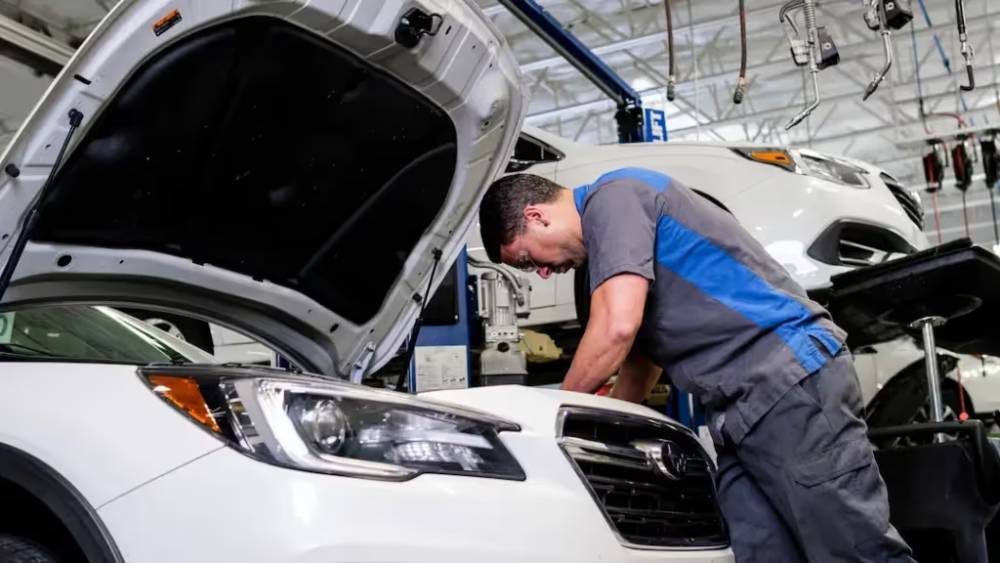
Quick Answer: Is a Subaru Extended Warranty Worth It in 2026?
Yes, a Subaru extended warranty can be worth it in 2026, but only under the right circumstances.
If you plan to keep your Subaru well beyond the original factory warranty period, drive a significant number of miles each year, or simply prefer predictable ownership costs, an extended warranty may offer meaningful financial protection and peace of mind. A single major repair involving the transmission, advanced driver assistance systems, or electronic components could easily exceed the price of the warranty itself.
On the other hand, if you typically trade in your vehicles after just a few years, drive relatively few miles annually, or maintain a healthy emergency fund specifically for unexpected automotive expenses, purchasing extended coverage may not provide enough value to justify the upfront cost.
Ultimately, the decision comes down to your driving habits, risk tolerance, and long term ownership plans. There is no universal answer that applies to every Subaru owner. The goal is to determine whether the potential savings from future repairs outweigh the initial investment required for the warranty.
Understanding Subaru’s Extended Warranty Program
Subaru offers extended protection through its official coverage program known as Subaru Added Security. Unlike third party warranty providers, this program is backed by Subaru and is designed specifically for Subaru vehicles.
Many buyers mistakenly assume that an extended warranty is automatically included with every new vehicle purchase. In reality, Subaru’s standard factory warranty and its extended warranty are two separate forms of coverage.
The factory warranty typically includes limited bumper to bumper protection for a specific period and a powertrain warranty that covers major mechanical components. Once these protections expire, the owner becomes fully responsible for repair expenses unless additional coverage has been purchased.
Subaru Added Security allows owners to extend protection beyond the original warranty period. Depending on the selected plan, coverage can continue for several additional years or up to a designated mileage limit. The availability of different plans enables buyers to choose a level of protection that aligns with their anticipated ownership timeline.
One of the primary reasons Subaru owners consider this program is the increasing complexity of modern vehicles. Features that improve safety and convenience can also become expensive to diagnose and repair. Extended coverage offers a way to reduce uncertainty by transferring much of that financial risk back to the warranty provider.
What Does a Subaru Extended Warranty Cover?
The specific components covered under a Subaru extended warranty depend on the plan selected, but comprehensive options generally protect many of the vehicle’s most expensive systems.
Higher tier plans often include coverage for the engine, transmission, drive axle components, steering system, suspension, braking system, air conditioning, electrical systems, and numerous electronic modules. Advanced technologies such as driver assistance features and infotainment systems may also be included, providing reassurance for owners concerned about the rising cost of repairing sophisticated vehicle technology.
However, it is equally important to understand what is not covered. Extended warranties are not maintenance plans. Routine services and normal wear items remain the responsibility of the owner. Components such as brake pads, tires, windshield wiper blades, filters, and cosmetic issues resulting from regular use are generally excluded from coverage.
Reviewing the terms and conditions carefully before purchasing an extended warranty is essential. Coverage limitations, exclusions, deductibles, and claim procedures can vary depending on the specific contract. Understanding these details beforehand helps prevent unexpected surprises when a repair becomes necessary.
For many Subaru owners, the true value of extended coverage lies not in the expectation that something will fail, but in the confidence that if a significant issue arises, they will not face a substantial out of pocket expense alone.
How Much Does a Subaru Extended Warranty Cost in 2026?
One of the biggest factors influencing a buyer’s decision is the price of the warranty itself. Unfortunately, there is no universal cost because several variables determine how much you may pay for extended coverage.
The model you own plays a significant role. Vehicles equipped with more advanced technology or higher repair costs often command higher warranty prices. The length of coverage also affects the total cost. Plans that extend protection for more years or cover higher mileage limits naturally cost more than shorter term options.
In addition, pricing can vary from one dealership to another. Many consumers are surprised to learn that extended warranty prices are often negotiable. Accepting the first offer presented during the vehicle purchase process may not always result in the best deal.
In 2026, Subaru owners may encounter warranty plans ranging from approximately $1,500 to more than $4,000, depending on the level of protection selected. Although this may seem expensive initially, the value becomes more apparent when compared with the potential cost of major repairs outside the factory warranty period.
For buyers considering extended coverage, obtaining quotes from multiple dealerships and reviewing the details of each plan can help ensure they receive the most competitive pricing available.
Common Subaru Repair Costs That Could Make an Extended Warranty Worth It
Subaru vehicles are generally regarded as dependable, but no automobile is immune to mechanical or electrical issues over time. As vehicles age and accumulate mileage, repair expenses can increase substantially.
Transmission related repairs often represent some of the most significant financial risks for vehicle owners. Depending on the nature of the issue, repair or replacement costs can reach several thousand dollars. Likewise, sophisticated safety technologies, including cameras and sensors associated with driver assistance systems, may require specialized diagnostics and recalibration procedures that contribute to higher service bills.
Electronic components have also become increasingly expensive to repair. Infotainment systems, touchscreen displays, and integrated control modules can fail unexpectedly, resulting in costs that many owners do not anticipate. Climate control systems and electrical problems may further add to the overall expense of ownership.
When evaluating whether an extended warranty is worthwhile, it can be helpful to compare the total warranty cost against the financial impact of even one major repair event. In some situations, avoiding a single large repair bill may justify the investment. In others, owners may ultimately spend more on the warranty than they ever recover through covered repairs.
The key consideration is your personal comfort level with risk. Some drivers prefer the certainty of fixed ownership costs, while others are willing to accept the possibility of future repair expenses in exchange for avoiding the upfront warranty premium.
Pros of Buying a Subaru Extended Warranty
One of the most attractive advantages of an extended warranty is the predictability it introduces to vehicle ownership. Rather than worrying about how to pay for an unexpected mechanical failure, owners can budget for a known expense from the beginning.
Peace of mind is another frequently cited benefit. For drivers who rely heavily on their Subaru for commuting, family transportation, or long road trips, the reassurance that major covered repairs may be handled without significant out of pocket costs can reduce stress considerably.
Extended warranties backed by the manufacturer may also provide access to factory trained technicians and genuine Subaru replacement parts. This can be particularly appealing to owners who prioritize maintaining their vehicle according to manufacturer standards.
Another potential advantage is improved resale appeal. A Subaru that still carries transferable warranty coverage may appear more attractive to prospective buyers. Knowing that certain repairs could remain covered after the purchase may increase buyer confidence and help differentiate the vehicle from similar options on the market.
Ultimately, the benefits of an extended warranty extend beyond simple dollars and cents. For many owners, the value lies in the convenience, confidence, and financial stability that additional protection can provide throughout the ownership experience.
Cons of Buying a Subaru Extended Warranty
While extended coverage offers several benefits, it is important to recognize that it is not the right choice for every Subaru owner. Understanding the potential drawbacks can help you make a more balanced and informed decision.
The most obvious disadvantage is the upfront cost. Depending on the plan you choose, you could spend several thousand dollars on coverage that you may never fully utilize. For some drivers, especially those with limited budgets, that money could be allocated toward other financial priorities.
Another concern is the possibility that your Subaru may remain relatively trouble free throughout your ownership period. Subaru has earned a reputation for reliability, and many owners experience years of dependable service with only routine maintenance expenses. In such cases, the amount paid for the warranty may exceed the value of any covered repairs.
Coverage limitations can also create misunderstandings. Extended warranties are designed to protect against specific mechanical and electrical failures, but they do not cover every situation. Normal wear items, scheduled maintenance services, and damage resulting from accidents or neglect typically remain the owner’s responsibility. Failing to understand these exclusions can lead to disappointment when a repair claim is denied.
There is also the issue of timing. Some owners purchase extended protection out of fear rather than necessity. If you intend to sell or trade your vehicle within a few years, the likelihood of benefiting substantially from the additional coverage decreases significantly.
For these reasons, the decision to purchase a Subaru extended warranty should be based on careful consideration rather than pressure during the vehicle buying process.
Who Should Buy a Subaru Extended Warranty?
Although there is no one size fits all answer, certain types of Subaru owners are more likely to benefit from extended coverage.
Drivers who plan to keep their vehicles for the long term are often ideal candidates. The longer you own your Subaru beyond the factory warranty period, the greater the opportunity for unexpected repairs to occur. Extended protection can help reduce the financial uncertainty associated with aging vehicles.
People who accumulate high annual mileage may also find value in additional coverage. Frequent commuting, business travel, and road trips place extra wear on vehicle components, increasing the likelihood that repairs will eventually be needed.
Budget conscious households that prefer predictable expenses often appreciate the stability that an extended warranty provides. Rather than facing a sudden repair bill that could strain monthly finances, they gain the reassurance of knowing that many covered issues may already be addressed through their warranty plan.
First time Subaru owners may also benefit from the added confidence that comes with extended protection. Even if they never use the coverage extensively, the peace of mind associated with safeguarding against major repair costs can be worthwhile.
Ultimately, extended warranties tend to provide the greatest value to owners who prioritize long term ownership, financial predictability, and protection against potentially expensive repairs.
Who Should Skip It?
On the other hand, some Subaru owners may be better off declining extended coverage altogether.
Individuals who replace their vehicles every few years often have limited exposure to post warranty repair risks. If you typically trade in your Subaru before the original factory coverage expires, purchasing additional protection may not provide meaningful benefits.
Drivers with low annual mileage may also find less value in extended coverage. Reduced vehicle usage generally means slower component wear and a lower probability of experiencing significant repairs during the ownership period.
Financial preparedness is another important factor. Owners who maintain a dedicated emergency fund for automotive expenses may prefer to self insure against potential repair costs. Instead of paying for a warranty upfront, they can rely on their savings if issues arise.
Some consumers simply have a higher tolerance for risk. They understand that repairs are a normal part of vehicle ownership and are comfortable accepting the possibility of future expenses in exchange for avoiding the immediate cost of extended protection.
Declining an extended warranty does not necessarily mean making the wrong decision. It simply reflects a different approach to managing financial risk. The best choice depends on your driving habits, ownership goals, and personal comfort level with uncertainty.
Subaru Extended Warranty vs Third Party Warranty
If you decide that additional coverage makes sense for your situation, the next question becomes whether to choose Subaru’s official extended warranty or a plan offered by an independent provider. Both options have advantages and disadvantages, and understanding the differences can help you make the right decision.
A manufacturer backed warranty is specifically designed for Subaru vehicles. Many owners appreciate the confidence that comes from knowing repairs are typically performed by technicians who work with Subaru models regularly and have access to manufacturer approved procedures. In addition, the use of genuine replacement parts may provide extra reassurance for those who prioritize maintaining their vehicle according to factory standards.
Third party warranties, however, can sometimes offer greater flexibility. Depending on the provider, you may have access to multiple coverage levels, customizable plans, and pricing structures that fit a wider range of budgets. Some independent companies also allow repairs to be completed at a broader network of service facilities.
The trade off often comes down to consistency and reputation. While some third party providers deliver excellent customer experiences, others receive criticism related to claim approvals, reimbursement processes, and contract limitations. For this reason, researching customer reviews, reading the contract carefully, and understanding exactly what is covered are essential steps before committing to any plan.
There is no universally superior choice. Subaru owners who value manufacturer support and streamlined service experiences may prefer official coverage, while those seeking lower prices or more customized options may explore reputable third party alternatives.
Frequently Asked Questions
Is a Subaru extended warranty worth it in 2026?
It can be worth the investment if you plan to keep your Subaru for many years, drive high annual mileage, or prefer protection against unexpected repair expenses. However, owners who replace their vehicles frequently or maintain substantial emergency savings may find that self funding repairs is a more cost effective strategy.
Can I purchase a Subaru extended warranty after buying my vehicle?
In many cases, yes. Subaru owners may have the opportunity to purchase extended coverage after taking delivery of the vehicle, although eligibility requirements and pricing can vary. Waiting too long could limit available options or increase costs, so it is important to verify the details with an authorized Subaru retailer.
Does an extended warranty cover routine maintenance?
No. Extended warranties generally focus on mechanical and electrical failures resulting from defects or component breakdowns. Regular maintenance services such as oil changes, tire rotations, brake pad replacements, and other wear related items remain the responsibility of the vehicle owner.
Is the Subaru extended warranty transferable?
Transferability may be available depending on the terms of the specific agreement. This feature can enhance resale value by giving future buyers additional confidence in the condition and protection status of the vehicle.
Should I buy the warranty immediately at the dealership?
Not necessarily. Taking time to review the contract, compare pricing, and evaluate your ownership plans can help ensure that you make a decision based on value rather than sales pressure.
Conclusion
So, is a Subaru extended warranty worth it in 2026? The answer ultimately depends on how you use your vehicle and what level of financial certainty you prefer throughout the ownership experience.
For drivers who intend to keep their Subaru long after the factory warranty expires, additional coverage can provide meaningful protection against expensive and unpredictable repair costs. The reassurance of knowing that many major components may be covered often outweighs the initial investment required to secure that protection.
At the same time, not every Subaru owner will benefit equally from an extended warranty. Those who drive fewer miles, trade in their vehicles regularly, or maintain sufficient savings to handle unexpected repairs may conclude that the extra expense is unnecessary.
The most important step is to assess your individual circumstances honestly. Consider how long you plan to own the vehicle, evaluate your comfort level with financial risk, and compare the potential cost of repairs against the price of coverage. By approaching the decision thoughtfully, you can determine whether a Subaru extended warranty represents valuable peace of mind or an expense you can confidently avoid.
In the end, the best warranty decision is not the one that works for everyone. It is the one that aligns with your needs, budget, and long term plans as a Subaru owner.