Have you ever pressed your Subaru’s driver side window switch only to find that nothing happens? Whether the window is stuck closed, refuses to roll up, or suddenly stops responding altogether, this problem can quickly turn from a minor inconvenience into a major frustration.
A malfunctioning driver side window is one of the most common power window issues reported by Subaru owners. The problem can occur in various models, including the Forester, Outback, Crosstrek, Legacy, and WRX. In some cases, the solution is surprisingly simple, such as resetting the power window system after a battery replacement. In others, the issue may involve a faulty switch, blown fuse, damaged wiring, failed window motor, or broken regulator.
Many drivers immediately assume that an expensive repair is necessary. However, replacing parts without proper diagnosis can lead to unnecessary costs and wasted time. Understanding the most common causes behind a Subaru driver side window not working can help you identify the problem quickly and determine whether it can be fixed at home or requires professional attention.
In this guide, we’ll walk through the most common causes of Subaru driver side window failures, explain how to troubleshoot each issue, and provide practical solutions to help restore normal window operation.
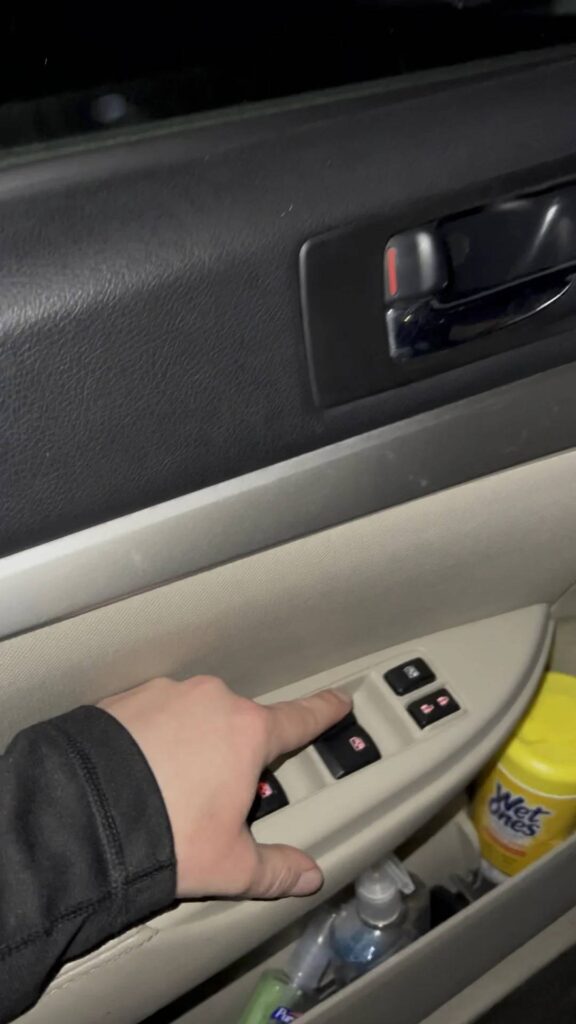
How Subaru Power Windows Work
Before troubleshooting a driver side window problem, it helps to understand how Subaru’s power window system operates. While the system may seem simple from the driver’s perspective, several components work together to move the window smoothly and safely.
When you press the window switch, an electrical signal is sent to the window motor. The motor then powers the window regulator, a mechanical assembly responsible for raising and lowering the glass. The entire process is controlled through switches, fuses, wiring, and in many newer Subaru models, the Body Control Module.
If any of these components fail, the window may stop working completely, operate intermittently, move unusually slowly, or become stuck in a particular position. Understanding the role of each component can make diagnosis much easier and prevent unnecessary replacement of parts that are still functioning properly.
Many Subaru owners assume the motor is always the culprit when a window stops working. In reality, simple issues such as a lost calibration setting, a faulty switch, or a blown fuse are often responsible. Starting with the easiest checks can save both time and money.
Common Signs Your Subaru Driver Side Window Is Not Working
Power window problems rarely appear without warning. In many cases, your Subaru will show symptoms before the window fails completely. Recognizing these signs can help identify the underlying cause more quickly.
One of the most common symptoms is a window that refuses to move up or down when the switch is pressed. This usually indicates an electrical issue, a failed switch, or a defective motor.
Another common sign is slow window movement. If the glass moves more slowly than usual or struggles to reach the top of its travel, the motor may be weakening or the regulator could be experiencing excessive resistance.
Some drivers notice intermittent operation. The window may work normally one day and stop functioning the next. This behavior often points to a failing switch, loose wiring connection, or worn electrical contacts.
You may also hear clicking, grinding, or buzzing noises coming from inside the door. These sounds can indicate a damaged regulator or worn motor components. In severe cases, the glass may tilt, become crooked, or even drop into the door assembly.
Another common situation occurs after replacing the vehicle’s battery. Many Subaru owners discover that the driver side window suddenly stops functioning correctly because the auto window system has lost its calibration and requires a reset procedure.
Cause 1: Window Lock Button Is Activated
Although it may seem obvious, the window lock button is responsible for many power window complaints. Drivers sometimes activate the feature accidentally without realizing it, leading them to believe a more serious problem exists.
The window lock button is typically located on the driver’s door control panel. When activated, it prevents certain window controls from operating. Depending on the Subaru model and year, the system may affect passenger windows, and in some situations, confusion about switch operation can make it appear as though the driver’s window is malfunctioning as well.
Begin your diagnosis by checking the position of the window lock switch. Toggle the button off and test all window functions again. If the windows immediately begin responding, no further repairs are necessary.
Even experienced vehicle owners occasionally overlook this simple step because the symptoms can closely resemble electrical failure. Taking a few seconds to inspect the switch can eliminate unnecessary troubleshooting and potentially save a costly visit to a repair shop.
If the window still fails to respond after confirming the lock function is disabled, continue with the next diagnostic steps to determine whether the issue involves calibration, electrical components, or a mechanical failure inside the door.
Cause 2: Subaru Window Needs Resetting
One of the most overlooked causes of a Subaru driver side window not working is the loss of window calibration. This issue commonly occurs after a battery replacement, a dead battery, or any interruption to the vehicle’s electrical system.
Modern Subaru vehicles use an auto up and auto down function that relies on stored position data. When power is disconnected, the system may lose its memory and prevent the window from operating normally. Many owners mistakenly assume that a motor or regulator has failed when the solution is actually a simple reset procedure.
To reset the driver side window, turn the ignition to the ON position without starting the engine. Press and hold the window switch to lower the window completely. Once the window reaches the bottom, continue holding the switch for several seconds. Next, pull the switch to raise the window fully. After the window reaches the closed position, keep holding the switch for several more seconds.
Once the process is complete, test both the manual and automatic window functions. In many cases, normal operation is immediately restored. This quick procedure can save hundreds of dollars in unnecessary repairs and should always be performed before replacing any components.
If the reset procedure does not resolve the problem, the next step is to inspect the driver side window switch.
Cause 3: Faulty Driver Window Switch
The driver side window switch is one of the most frequently used controls in any vehicle. Over time, repeated use can cause the internal electrical contacts to wear out, leading to inconsistent or complete loss of window operation.
A faulty switch often produces specific symptoms. The window may respond only when the button is pressed in a certain direction or at a particular angle. In some cases, the window may work intermittently, functioning normally one moment and failing the next. Other Subaru owners report that all other windows operate correctly while the driver side window remains unresponsive.
Dirt, moisture, and debris can also affect switch performance. Spilled beverages and accumulated dust may interfere with electrical contact inside the switch assembly. Before replacing the switch, inspect the control panel for signs of contamination or damage.
A basic diagnostic test involves listening for motor activity when the switch is pressed. If no sound is heard and power is reaching the switch, the switch itself may be defective. Technicians often use a multimeter to verify continuity and confirm whether the switch is transmitting electrical signals correctly.
Fortunately, window switches are generally less expensive than motors or regulators. Replacing a faulty switch is often a straightforward repair that can restore normal window function without extensive labor costs.
Cause 4: Blown Fuse or Electrical Problem
Electrical issues are another common reason why a Subaru driver side window stops working. A blown fuse can interrupt power delivery to the window system, leaving the glass completely unresponsive.
Fuses are designed to protect electrical circuits from damage caused by overloads or short circuits. When a fuse blows, the circuit opens and power can no longer reach the affected component. Depending on the vehicle model, a blown fuse may affect a single window or multiple windows simultaneously.
The first step is to locate the fuse box specified in your owner’s manual. Most Subaru vehicles have one fuse panel inside the cabin and another in the engine compartment. Carefully inspect the fuse associated with the power window system. A damaged fuse often shows a broken metal strip inside the plastic housing.
If a blown fuse is discovered, replace it with a fuse of the exact same amperage rating. Installing an incorrect fuse can create additional electrical problems and may even damage other components.
When a replacement fuse blows again shortly after installation, a deeper electrical issue is likely present. Common causes include damaged wiring, corrosion, moisture intrusion, or a short circuit within the door assembly. At this point, further electrical testing may be necessary to identify the source of the problem.
Addressing electrical faults early can prevent more expensive repairs and reduce the risk of additional system failures in the future.
Cause 5: Failed Window Motor
If your Subaru driver side window does not respond even though the switch, fuse, and electrical system appear to be functioning properly, the window motor may be the source of the problem. The motor is responsible for generating the force needed to raise and lower the window glass. Like any mechanical component, it can wear out over time.
One of the most common signs of a failing window motor is complete silence when the switch is pressed. In some cases, the motor may produce a faint humming sound but lack the strength to move the glass. Other drivers notice that the window moves much slower than usual before eventually stopping altogether.
Window motors can deteriorate due to age, frequent use, moisture exposure, or excessive strain caused by a binding regulator. As internal components wear down, the motor loses efficiency and may struggle to perform its intended function.
A technician can test the motor by checking whether voltage reaches the unit when the switch is activated. If power is present but the motor does not respond, replacement is often necessary. Accessing the motor typically requires removal of the interior door panel and moisture barrier.
Although replacing a window motor involves more labor than changing a switch or fuse, it is still a relatively common repair. Once a new motor is installed, normal window operation is usually restored immediately.
Cause 6: Broken Window Regulator
The window regulator is the mechanical assembly that guides the window glass as it moves up and down. While the motor provides power, the regulator converts that power into controlled movement. If the regulator fails, the motor may still function, but the window will not move properly.
A damaged regulator often produces noticeable warning signs. Drivers may hear grinding, clicking, or popping noises coming from inside the door. The window may tilt to one side, move unevenly, or become stuck halfway through its travel. In severe cases, the glass can suddenly drop into the door cavity.
Regulator failure commonly occurs because of worn cables, broken plastic guides, damaged pulleys, or general wear after years of operation. Extreme temperatures and repeated use can accelerate deterioration.
Diagnosing a faulty regulator usually requires removal of the interior door panel for visual inspection. If the motor can be heard operating but the glass remains stationary, a broken regulator is one of the most likely causes.
Because the motor and regulator often work together as a single assembly, some repair shops recommend replacing both components simultaneously, particularly on older vehicles. While this increases the initial repair cost, it can help prevent future failures and reduce the likelihood of repeated labor charges.
Cause 7: Damaged Wiring or Body Control Module Issues
When all other common causes have been ruled out, damaged wiring or a malfunctioning Body Control Module may be responsible for the problem. Although these issues are less common, they can be more difficult to diagnose.
Every time a vehicle door opens and closes, the wiring harness located between the door and the body flexes repeatedly. Over the years, this movement can cause wires to crack, fray, or break internally. A damaged wire may interrupt communication between the switch, motor, and control systems, leading to intermittent or complete window failure.
Symptoms associated with wiring problems often include inconsistent operation. The window may work when the door is positioned a certain way and stop functioning when the door moves. Some owners also experience multiple electrical issues affecting door locks, mirrors, or speakers at the same time.
In newer Subaru models, the Body Control Module plays a critical role in managing power window functions. If the module develops a fault, it may prevent the driver side window from receiving proper commands. Diagnosing BCM-related issues generally requires specialized scan tools capable of reading manufacturer-specific fault codes.
Because electrical diagnostics can become complex, professional assistance is often recommended when wiring damage or module failure is suspected. A trained technician can perform circuit testing, inspect wiring harnesses, and identify communication errors that may not be visible during a basic inspection.
Although these problems are less frequent than switch, motor, or regulator failures, addressing them promptly can prevent additional electrical complications and help restore reliable window operation.
Subaru Driver Side Window Repair Costs
One of the first questions most Subaru owners ask after discovering a window problem is how much the repair will cost. The answer depends on the specific component that has failed, the vehicle model, labor rates in your area, and whether you choose a dealership or an independent repair shop.
If the issue is related to a window reset procedure, the repair may cost nothing at all. Many owners can perform the reset themselves in just a few minutes without any special tools. This is why it is always recommended to start with the simplest troubleshooting steps before replacing parts.
A driver side window switch is typically one of the least expensive components to replace. Parts costs are generally affordable, and labor requirements are relatively low because the switch is easily accessible from the door panel.
Window motor replacement is usually more expensive due to the additional labor involved. The technician must remove interior trim panels and access the internal door assembly. Depending on the Subaru model, the total repair cost can vary significantly.
A failed window regulator often falls within a similar price range as motor replacement. If both components are worn, some repair facilities may recommend replacing them together to avoid future labor expenses.
Electrical diagnostics involving damaged wiring or Body Control Module issues can sometimes become the most expensive repairs. These problems often require specialized equipment and additional troubleshooting time to identify the exact source of the fault.
Obtaining multiple repair estimates and confirming the diagnosis before authorizing repairs can help you avoid unnecessary expenses and ensure that only the defective components are replaced.
Preventing Future Subaru Power Window Problems
While some component failures are unavoidable, proper maintenance can significantly reduce the likelihood of future power window issues. A few simple preventive measures can help extend the lifespan of your Subaru’s window system and reduce repair costs over time.
Keeping the window tracks clean is one of the most effective maintenance practices. Dirt, dust, and debris can accumulate inside the tracks, increasing resistance and placing additional strain on the motor and regulator. Periodically cleaning these areas can improve window performance and reduce wear.
It is also important to avoid forcing the window when it appears stuck. Continuing to hold the switch while the glass is obstructed can place excessive stress on the motor and regulator, potentially causing premature failure.
Pay attention to changes in window operation. A window that moves more slowly than usual is often providing an early warning sign that something is beginning to wear out. Addressing the issue before complete failure occurs can often reduce repair costs.
After replacing or disconnecting the battery, perform the recommended Subaru window reset procedure. Restoring calibration immediately can prevent unnecessary troubleshooting and ensure that automatic window functions continue to operate correctly.
Regular inspections, prompt attention to unusual symptoms, and proper maintenance habits can help keep your Subaru’s power windows operating smoothly for years to come.
Conclusion
A Subaru driver side window not working can be frustrating, especially when the problem occurs unexpectedly. Fortunately, many power window issues are caused by relatively simple problems that can be diagnosed and resolved without major repairs.
The troubleshooting process should always begin with the easiest and least expensive possibilities. Checking the window lock button, performing a window reset, inspecting the switch, and verifying fuse condition can often identify the problem quickly. If those steps do not resolve the issue, attention should turn to the window motor, regulator, wiring, and control systems.
Understanding how the power window system works allows Subaru owners to make informed decisions and avoid replacing parts unnecessarily. In many cases, early diagnosis can prevent minor issues from developing into more expensive repairs.
Whether you drive a Forester, Outback, Crosstrek, Legacy, WRX, or another Subaru model, addressing window problems as soon as symptoms appear can improve reliability and help maintain the comfort and convenience of your vehicle.
If your Subaru driver side window is currently not working, start with the troubleshooting steps outlined in this guide. Identifying the root cause early can save both time and money while getting your window back to normal operation as quickly as possible.
Frequently Asked Questions
Why is my Subaru driver side window not working after replacing the battery?
Many Subaru models require the power window system to be recalibrated after battery power is disconnected. Performing the window reset procedure often restores normal operation.
How do I reset my Subaru power window?
Turn the ignition on, lower the window completely, hold the switch for several seconds, raise the window fully, and continue holding the switch for a few more seconds. This process typically restores the automatic window function.
Can a bad window switch affect only one window?
Yes. A faulty driver side window switch can prevent a single window from operating while all other windows continue functioning normally.
What are the signs of a bad window regulator?
Common symptoms include grinding noises, uneven window movement, a crooked window, or glass that falls inside the door.
How much does it cost to fix a Subaru driver side window?
Repair costs vary depending on the failed component. Simple resets may cost nothing, while motor, regulator, wiring, or module repairs can be significantly more expensive.
Can I drive my Subaru with a broken power window?
Yes, but if the window is stuck open, the vehicle may be exposed to weather, theft risks, and interior damage. Repairing the issue as soon as possible is recommended.