Choosing the correct Subaru coolant type is one of the most important yet often overlooked aspects of vehicle maintenance. Many Subaru owners focus on oil changes, tire rotations, and brake inspections, but the cooling system plays an equally critical role in protecting the engine from overheating, corrosion, and premature wear.
Using the wrong coolant can lead to serious problems over time. Issues such as clogged radiator passages, water pump damage, reduced cooling efficiency, and even costly engine repairs may result from improper coolant selection. Whether you drive a Subaru Outback, Forester, Crosstrek, WRX, Ascent, Legacy, or Impreza, understanding which coolant your vehicle requires can help extend engine life and maintain optimal performance.
Subaru has developed specific coolant formulations designed to work with its boxer engines and cooling systems. However, many owners are still unsure whether they should use Subaru OEM coolant, aftermarket alternatives, or if different coolant colors can be safely mixed. These questions become even more important as Subaru continues to update coolant specifications across newer model years.
In this complete guide, we will explain the recommended Subaru coolant type for every major Subaru model, explore coolant color differences, compare OEM and aftermarket options, discuss replacement intervals, and provide practical maintenance tips to keep your Subaru running smoothly for years to come.
What Type of Coolant Does Subaru Use?
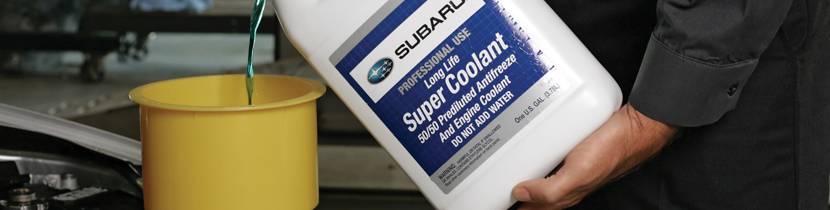
Subaru recommends using Subaru Genuine Super Coolant for most modern Subaru vehicles. This coolant was specifically engineered to meet the cooling requirements of Subaru boxer engines and aluminum engine components. Unlike conventional antifreeze products, Subaru Super Coolant comes pre mixed in a 50/50 ratio with deionized water, eliminating the need for dilution before use.
The formulation is designed to provide excellent protection against corrosion, rust buildup, freezing temperatures, and excessive engine heat. It also helps maintain the efficiency of the radiator, thermostat, water pump, and other cooling system components throughout the vehicle’s lifespan.
One of the primary reasons Subaru recommends its OEM coolant is compatibility. Subaru cooling systems are designed with specific materials, seals, and gaskets that work best with the chemical composition of Genuine Super Coolant. Using incompatible coolant formulations may increase the risk of corrosion, sludge formation, and premature wear.
Many newer Subaru vehicles leave the factory filled with blue Subaru Super Coolant. This long life coolant offers extended service intervals compared to traditional antifreeze products and requires less frequent replacement under normal driving conditions.
While aftermarket coolants may be suitable in certain situations, Subaru owners should always verify that an alternative coolant meets Subaru specifications before adding it to the system. Choosing the correct coolant is a simple step that can significantly reduce the risk of expensive cooling system repairs in the future.
Subaru Coolant Colors Explained
Coolant color often causes confusion among vehicle owners. Many people assume coolant color alone determines compatibility, but color is only one indicator of a coolant’s formulation. Understanding Subaru coolant colors can help prevent costly maintenance mistakes.
Modern Subaru vehicles commonly use blue coolant, known as Subaru Genuine Super Coolant. This coolant is formulated for long term protection and extended service intervals. It contains advanced corrosion inhibitors that help protect aluminum engine components while maintaining efficient heat transfer.
Older Subaru models may use green coolant. In many cases, this coolant requires more frequent replacement compared to the newer blue formulation. Depending on the model year and market, some Subaru vehicles originally came equipped with green coolant from the factory.
A common question among Subaru owners is whether blue and green coolant can be mixed. Although mixing may seem harmless, it is generally not recommended unless specifically approved by Subaru or the coolant manufacturer. Different additive packages can react with one another, reducing corrosion protection and potentially creating deposits inside the cooling system.
If you are unsure which coolant is currently in your vehicle, consult the owner’s manual or inspect service records before topping off the reservoir. When changing coolant types, a complete cooling system flush is often the safest approach to ensure compatibility and long term reliability.
Subaru Coolant Type by Model
Although Subaru uses similar cooling system technology across much of its lineup, coolant recommendations can vary depending on the model year and vehicle generation. Fortunately, most modern Subaru vehicles share the same Subaru Genuine Super Coolant specification.
The Subaru Outback, one of the brand’s most popular crossover wagons, typically uses Subaru Genuine Super Coolant in newer model years. This coolant provides excellent protection for both naturally aspirated and turbocharged engines while supporting extended maintenance intervals.
The Subaru Forester also relies on Subaru Super Coolant in current generations. Whether equipped with the Base, Premium, Limited, Touring, or Wilderness trim, owners should follow Subaru’s coolant recommendations to maintain proper cooling system performance.
Subaru Crosstrek models use the same long life coolant technology found in other modern Subaru vehicles. Because many Crosstrek owners frequently drive in challenging weather conditions, maintaining proper coolant levels is especially important for reliable operation.
Performance oriented models such as the Subaru WRX generate higher operating temperatures and place additional demands on the cooling system. Using the recommended coolant helps ensure stable engine temperatures during spirited driving and daily commuting alike.
The Subaru Ascent, Legacy, and Impreza also utilize Subaru Super Coolant in most recent model years. Regardless of model, owners should always verify coolant specifications in the owner’s manual, particularly when servicing older vehicles or purchasing a used Subaru with an unknown maintenance history.
By following Subaru’s coolant recommendations for your specific model, you can maximize cooling system efficiency, reduce the risk of overheating, and help protect your engine for many years of dependable service.
Subaru Coolant Capacity Chart
Knowing the correct coolant capacity for your Subaru is just as important as choosing the right coolant type. Adding too little coolant can lead to inadequate heat dissipation, while overfilling may cause excessive pressure within the cooling system. Both situations can negatively impact engine performance and potentially damage cooling system components over time.
Coolant capacity varies depending on engine size, vehicle model, and whether the vehicle is equipped with a turbocharged powertrain. Most Subaru boxer engines require several quarts of coolant to ensure proper circulation throughout the radiator, engine block, heater core, and coolant reservoir.
Drivers performing a coolant flush or replacing major cooling system components should always refer to the owner’s manual or factory service information for exact capacity specifications. Filling the system correctly helps eliminate air pockets that can interfere with coolant circulation and cause overheating.
The following chart provides general reference information for common Subaru engine families:
| Engine Type | Approximate Coolant Capacity |
|---|---|
| 2.0L Boxer Engine | 6.5 to 7.5 quarts |
| 2.4L Turbo Boxer Engine | 7.5 to 9.0 quarts |
| 2.5L Boxer Engine | 7.0 to 8.5 quarts |
| 3.6L Boxer Engine | 9.0 to 10.5 quarts |
Actual capacity may vary by model year and vehicle configuration. Always verify specifications before servicing the cooling system.
OEM vs Aftermarket Subaru Coolant
One of the most common questions among Subaru owners is whether OEM coolant is truly necessary or if an aftermarket alternative can provide the same level of protection. The answer depends on several factors, including vehicle age, warranty status, driving conditions, and maintenance goals.
Subaru Genuine Super Coolant remains the safest choice because it was specifically formulated for Subaru cooling systems. It offers excellent corrosion resistance, long service life, and compatibility with factory components. For newer vehicles that are still under warranty, OEM coolant is generally the recommended option.
However, several aftermarket manufacturers produce coolant formulations designed for Asian vehicles, including Subaru models. Products such as Zerex Asian Vehicle Coolant, Peak Long Life Antifreeze, and Prestone Asian Vehicle Coolant are often considered suitable alternatives when they meet the required specifications.
The primary advantage of aftermarket coolant is cost savings and wider availability. In some regions, OEM Subaru coolant may not be readily available, making high quality aftermarket products a practical solution.
When selecting an aftermarket coolant, owners should avoid universal products that do not clearly state compatibility with Subaru or Asian vehicle cooling systems. Using the wrong coolant formulation can reduce corrosion protection and shorten the lifespan of critical cooling system components.
For maximum peace of mind, especially in turbocharged or high mileage vehicles, many Subaru enthusiasts continue to prefer Genuine Subaru Super Coolant.
How Often Should Subaru Coolant Be Replaced?
Coolant replacement intervals have changed significantly over the years due to advances in coolant technology. Modern Subaru vehicles equipped with Subaru Genuine Super Coolant generally benefit from longer service intervals than older models that used conventional antifreeze formulations.
Subaru’s long life coolant is designed to maintain its protective properties for an extended period while resisting breakdown from heat and contamination. Under normal driving conditions, many newer Subaru models can operate for years before a coolant replacement becomes necessary.
Despite these extended intervals, coolant should not be viewed as a lifetime fluid. Over time, corrosion inhibitors gradually lose effectiveness, and contaminants can accumulate within the cooling system. As coolant ages, its ability to regulate temperature and prevent corrosion decreases.
Several factors can accelerate coolant degradation. Frequent towing, extreme temperatures, heavy traffic, mountainous driving, and repeated short trips can place additional stress on the cooling system. Vehicles operating under these conditions may benefit from more frequent inspections.
Subaru owners should periodically inspect coolant color, level, and overall condition. If the coolant appears rusty, contaminated, or significantly discolored, a cooling system service may be necessary even if the recommended interval has not yet been reached.
Routine coolant maintenance is a relatively inexpensive investment compared to the cost of repairing a damaged radiator, water pump, thermostat, or engine. Following Subaru’s maintenance recommendations helps ensure reliable performance and long term engine protection.
Signs Your Subaru Needs New Coolant
Even high quality coolant does not last forever. As coolant ages, it gradually loses its ability to protect the engine and cooling system from corrosion, overheating, and internal deposits. Recognizing the warning signs early can help prevent expensive repairs and keep your Subaru operating safely.
One of the most obvious indicators is engine overheating. If the temperature gauge consistently reads higher than normal or warning lights appear on the dashboard, degraded coolant may no longer be providing sufficient heat transfer. While overheating can have multiple causes, old or contaminated coolant is often a contributing factor.
Another common sign is coolant discoloration. Fresh Subaru Super Coolant typically maintains a clean and vibrant appearance. If the coolant becomes cloudy, rusty, brown, or contains visible particles, it may indicate contamination or corrosion within the system.
Drivers should also pay attention to unusual odors. A sweet smell coming from the engine compartment can signal a coolant leak. Low coolant levels in the reservoir may indicate leaks from hoses, the radiator, water pump, or other cooling system components.
Visible rust particles, sludge, or residue inside the coolant reservoir are additional warning signs that should not be ignored. These contaminants can restrict coolant flow and reduce cooling efficiency.
Failing to address coolant issues may result in severe consequences. Prolonged overheating can damage head gaskets, warp cylinder heads, accelerate water pump wear, and increase the risk of costly engine repairs. Regular inspections help identify problems before they become major mechanical failures.
How to Check Subaru Coolant Level
Checking coolant levels is one of the simplest maintenance tasks Subaru owners can perform. A quick inspection every few weeks can help detect leaks, prevent overheating, and ensure the cooling system continues operating efficiently.
Before inspecting coolant, always allow the engine to cool completely. Opening a cooling system while it is hot can release pressurized coolant and cause serious burns. For safety, perform the inspection after the vehicle has been parked for several hours.
Begin by locating the coolant reservoir under the hood. Most Subaru models use a translucent plastic reservoir marked with minimum and maximum level indicators. The coolant level should fall between these marks when the engine is cold.
If the coolant level is below the minimum line, inspect the system for signs of leaks before adding coolant. Small decreases in coolant level may occur naturally over time, but frequent losses often indicate an underlying problem that requires attention.
When topping off coolant, always use the recommended Subaru coolant type or a compatible alternative that meets Subaru specifications. Mixing incompatible products can reduce coolant effectiveness and increase the risk of corrosion.
After adding coolant, securely close the reservoir cap and monitor the level over the next several days. If coolant continues to disappear, a professional inspection may be necessary to identify leaks or cooling system defects.
Regular coolant level checks take only a few minutes but can significantly reduce the risk of unexpected breakdowns and expensive repairs.
Frequently Asked Questions
Is Subaru Super Coolant Premixed?
Yes. Subaru Genuine Super Coolant is typically sold as a pre mixed 50/50 solution containing coolant and deionized water. It is designed to be used directly from the container without additional dilution.
Can I Use Universal Coolant in My Subaru?
While some universal coolants claim compatibility with multiple vehicle brands, Subaru owners should exercise caution. It is generally best to use Subaru Genuine Super Coolant or a coolant specifically formulated for Asian vehicles that clearly meets Subaru requirements.
What Happens If I Use the Wrong Coolant?
Using an incompatible coolant can lead to corrosion, reduced cooling efficiency, gasket deterioration, sludge formation, and premature wear of cooling system components. In severe cases, engine overheating and expensive repairs may occur.
Can I Mix Different Coolant Brands?
Mixing different brands is not always recommended, even when the colors appear similar. Different additive packages may react negatively when combined. If switching brands, performing a complete coolant flush is usually the safest option.
How Long Does Subaru Coolant Last?
Service life varies depending on model year, driving conditions, and coolant type. Modern Subaru Super Coolant is designed for extended service intervals, but periodic inspections remain essential to ensure optimal performance.
Does Coolant Affect Engine Performance?
Yes. Coolant plays a critical role in regulating engine temperature. Proper cooling system operation helps maintain efficiency, prevent overheating, and protect internal engine components from excessive thermal stress.
Conclusion
Selecting the correct Subaru coolant type is essential for protecting your engine, maximizing cooling system performance, and avoiding unnecessary repair costs. Although coolant maintenance may not receive as much attention as oil changes or tire service, it remains one of the most important aspects of long term vehicle reliability.
For most modern Subaru models, Subaru Genuine Super Coolant remains the recommended choice due to its compatibility with Subaru boxer engines and advanced corrosion protection. Understanding coolant colors, replacement intervals, capacity requirements, and compatibility considerations can help owners make informed maintenance decisions.
Whether you drive a Subaru Outback, Forester, Crosstrek, WRX, Ascent, Legacy, or Impreza, following factory coolant recommendations can significantly reduce the risk of overheating, component failure, and costly engine damage. Regular coolant inspections, timely replacement, and the use of approved coolant formulations are simple steps that can extend the life of your vehicle.
Before performing any cooling system service, consult your owner’s manual for model specific requirements. If you are uncertain about coolant compatibility or maintenance procedures, seeking advice from a qualified Subaru technician is always a wise investment. Proper coolant care today can help ensure years of reliable Subaru performance in the future.