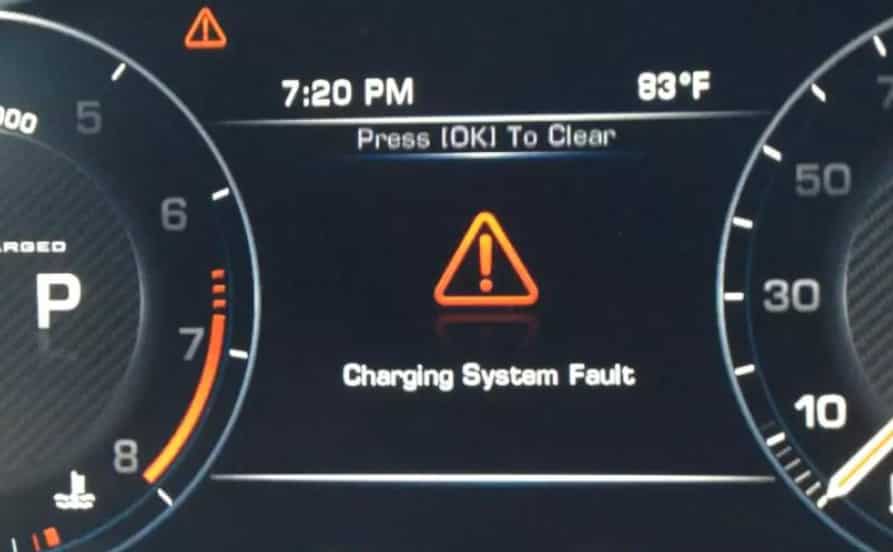
A Range Rover Charging System Fault warning is one of the most serious messages you can see on the dashboard. It usually means the vehicle is not charging the battery correctly. Your Range Rover may continue driving for a short time. However, ignoring the warning can lead to a dead battery, electrical failures, or even a complete engine shutdown.
The charging system supplies electricity to every major component while keeping the battery fully charged. It includes the battery, alternator, voltage regulator, Intelligent Battery Sensor, wiring, and several electronic control modules. These parts work together to maintain a stable power supply. When one component stops working properly, the system detects the problem and displays a warning.
Several issues can trigger a Range Rover Charging System Fault. A weak battery is one of the most common causes. A failing alternator, damaged wiring, or a faulty battery sensor can also create the same warning. Some newer Range Rover models use Mild Hybrid technology. In these vehicles, the problem may involve the DC to DC converter instead of a traditional alternator.
Modern Range Rover vehicles rely on advanced energy management software. The system continuously monitors battery voltage, charging current, and electrical load. It also communicates with multiple control modules to balance power across the vehicle. Even a small communication error can activate the charging system warning.
This guide explains everything you need to know about a Range Rover Charging System Fault. You will learn how the charging system works and why the warning appears. The article also covers common symptoms, diagnostic procedures, repair solutions, estimated repair costs, and practical maintenance tips. Whether you own a Range Rover, Range Rover Sport, Velar, Evoque, Defender, or Discovery, this guide will help you identify the problem and choose the right repair before it becomes more expensive.
What Does a Range Rover Charging System Fault Mean?
A Range Rover Charging System Fault warning indicates that the vehicle has detected an abnormal condition within its charging system. This does not always mean the battery has failed. Instead, it tells you that one or more components are no longer supplying or managing electrical power correctly. If the problem is not repaired, the battery will gradually lose its charge until the vehicle can no longer operate.
The charging system is designed to produce, regulate, and distribute electrical power while the engine is running. The battery provides the energy needed to start the engine. Once the engine is running, the alternator generates electricity to power onboard systems and recharge the battery. The voltage regulator keeps the charging voltage within a safe range, while the Intelligent Battery Sensor monitors battery condition and reports data to the vehicle’s control modules. Every component must work together to maintain a stable electrical supply.
Modern Range Rover models constantly monitor the charging system through multiple electronic control units. These modules compare battery voltage, charging current, electrical demand, and sensor data in real time. If the system detects low voltage, excessive voltage, communication failures, or unexpected power loss, it stores a diagnostic trouble code and displays the charging system warning on the dashboard. This early detection helps prevent serious electrical failures before they become critical.
Many drivers assume the warning points to a defective battery. In reality, the battery is only one part of a much larger electrical network. A worn alternator, damaged wiring, loose battery terminals, a faulty Intelligent Battery Sensor, or even outdated control module software can trigger the same warning. Replacing the battery without proper testing often fails to solve the problem and may increase repair costs.
The warning should always be taken seriously because the vehicle depends on a stable electrical supply for essential functions. As battery voltage continues to fall, different systems may begin to shut down to conserve power. Drivers may notice dim headlights, warning lights, malfunctioning electronic accessories, or difficulty starting the engine. In severe cases, the engine may stop running because critical control modules no longer receive enough electrical power.
How the Range Rover Charging System Works
The charging system in a Range Rover is responsible for supplying electrical power to the entire vehicle while keeping the battery fully charged. Every time you start the engine, the battery delivers the initial power required for ignition and activates essential electronic systems. Once the engine is running, the alternator takes over as the primary source of electricity. It powers components such as the lighting system, climate control, infotainment display, safety features, and engine control modules while simultaneously recharging the battery. This process ensures that the battery remains ready for the next engine start and provides a stable power supply under different driving conditions.
To maintain reliable performance, the charging system depends on several components working together. The voltage regulator controls the alternator output and keeps the charging voltage within a safe operating range. At the same time, the Intelligent Battery Sensor continuously monitors battery voltage, current, temperature, and state of charge. It sends this information to the vehicle’s electronic control modules, allowing the energy management system to adjust charging output based on electrical demand. Modern Range Rover models also use multiple control units that communicate through the Controller Area Network to monitor the health of the charging system in real time.
If any component fails or sends inaccurate data, the vehicle can no longer maintain a stable electrical supply. Low charging voltage, excessive voltage, damaged wiring, sensor failures, or communication errors may all trigger a Range Rover Charging System Fault warning. Although the message often appears suddenly, it usually indicates that the charging system has detected an abnormal condition that requires immediate diagnosis to prevent battery failure, electrical malfunctions, or an unexpected engine shutdown.
Common Causes of a Range Rover Charging System Fault
A Range Rover Charging System Fault can result from several mechanical, electrical, or electronic issues. The most common cause is a weak or aging battery. As batteries age, they lose their ability to hold a stable charge. This makes it harder for the charging system to maintain the correct voltage. If the battery cannot support the electrical load, the warning message may appear.
A failing alternator is another common cause. The alternator generates electricity while the engine is running. It also recharges the battery. When its output drops below the required level, the battery begins supplying additional power. As the battery discharges, the control modules detect the voltage drop and trigger a charging system warning.
Electrical connections can also create charging problems. Corroded battery terminals, loose ground cables, damaged wiring, or worn connectors may interrupt the flow of electricity. These faults can occur even when the battery and alternator are working properly. A faulty voltage regulator can also cause trouble. It may allow the system to overcharge or undercharge the battery. Both conditions can shorten battery life and affect sensitive electronic components.
Modern Range Rover models also depend on an Intelligent Battery Sensor. This sensor monitors battery voltage, current, temperature, and state of charge. It continuously sends data to the vehicle’s control modules. If the sensor provides incorrect information or loses communication, the system may display a Range Rover Charging System Fault even though the battery and alternator are functioning normally.
Software problems are another possible cause. Outdated control module software, incorrect battery registration, or communication faults between electronic modules can all trigger the warning. Mild Hybrid models may also experience issues with the DC to DC converter or the forty eight volt electrical system. Since different faults can produce the same warning, a complete diagnostic inspection is always recommended before replacing expensive parts.
Symptoms of a Range Rover Charging System Fault
A Range Rover Charging System Fault rarely appears without warning signs. In many cases, drivers notice small electrical problems before the dashboard message is displayed. The first symptom is often a battery warning light or a charging system alert. As the fault becomes more serious, additional warning messages may appear because the vehicle is no longer receiving a stable power supply.
Starting problems are another common symptom. The engine may crank more slowly than usual or fail to start completely. Some drivers also notice dim headlights, flickering interior lights, or an infotainment system that suddenly restarts. Power windows, climate control, and heated seats may respond more slowly because the battery can no longer provide enough electrical power. These symptoms often become more noticeable when several electrical accessories are used at the same time.
Modern Range Rover models continuously monitor battery voltage and electrical demand. When the system detects an unstable power supply, it may disable certain features to protect important components. Automatic start stop may stop working, nonessential functions may be switched off, and additional dashboard warnings may appear. This protective strategy helps preserve the remaining battery power until the underlying problem is repaired.
If the charging system continues to fail, the symptoms usually become more severe. The battery will gradually lose its charge because it is no longer being recharged correctly. Engine performance may become unstable, and the vehicle can enter a reduced performance mode. In extreme cases, the engine may shut down while driving because the electronic control modules no longer receive enough voltage to operate safely. Recognizing these early symptoms can help prevent expensive repairs and reduce the risk of being stranded on the road.
How to Diagnose a Range Rover Charging System Fault
Diagnosing a Range Rover Charging System Fault requires a systematic approach because several components can produce the same warning. Replacing the battery or alternator without proper testing may not solve the problem. A complete inspection helps identify the exact cause and prevents unnecessary repair costs.
The first step is to inspect the battery and its connections. Check the battery terminals for corrosion, loose clamps, or signs of damage. Next, examine the ground cable and electrical wiring for wear or broken insulation. A damaged connection can interrupt the flow of electricity and trigger a charging system warning even when the main components are working correctly.
After the visual inspection, measure the battery voltage with a digital multimeter. A healthy battery should normally read about 12.6 volts when the engine is off. Once the engine is running, the charging voltage should typically increase to between 13.8 and 14.8 volts. Readings outside this range may indicate a faulty alternator, a defective voltage regulator, or another charging system problem.
The next step is to scan the vehicle with a professional diagnostic tool. Modern Range Rover models store diagnostic trouble codes whenever the charging system detects abnormal voltage or communication errors. These codes provide valuable information about the battery, alternator, Intelligent Battery Sensor, and electronic control modules. Live data can also reveal charging voltage, battery condition, and system performance in real time.
If the initial tests do not identify the fault, further inspection may be required. A technician may perform an alternator output test, check the charging circuit under load, or inspect the Controller Area Network for communication problems. Vehicles equipped with Mild Hybrid technology may also require testing of the DC to DC converter and related control modules. A thorough diagnosis ensures that the correct component is repaired or replaced, reducing both downtime and unnecessary expenses.
Can You Drive With a Range Rover Charging System Fault?
Many drivers ask whether they can continue driving after a Range Rover Charging System Fault appears. The answer depends on the cause of the warning and the condition of the charging system. In some situations, you can drive a short distance. However, you should treat this as a temporary solution. The warning usually means the charging system cannot supply enough power to keep the battery fully charged.
When the alternator stops producing electricity, the battery powers the entire vehicle by itself. As battery voltage falls, electrical systems begin shutting down one after another. You may notice dim headlights, slow power windows, warning lights, or an infotainment system that keeps restarting. As the voltage continues to drop, the engine control module and electric power steering may also lose the power they need to operate correctly.
Ignoring the warning can create bigger problems. A weak battery forces the alternator to work harder whenever it still produces some output. An overcharging system can also damage the battery and sensitive electronic modules. Both situations increase repair costs and reduce the reliability of the vehicle.
If the warning appears while the vehicle still drives normally, travel only to the nearest safe location or repair shop. Reduce the electrical load by turning off unnecessary accessories whenever possible. Stop using heated seats, climate control, and other features that consume extra power. If additional warning lights appear or the engine begins losing power, stop the vehicle as soon as it is safe. Then arrange a professional inspection before driving again. Acting quickly can prevent a complete electrical failure and help you avoid an unexpected engine shutdown.
How to Fix a Range Rover Charging System Fault
Fixing a Range Rover Charging System Fault starts with identifying the exact cause. Avoid replacing expensive parts before completing a proper diagnosis. Many charging system warnings result from simple issues such as a weak battery, loose terminals, or damaged wiring. A systematic inspection helps you find the fault quickly and reduces unnecessary repair costs.
If the battery no longer holds a charge, replace it with the correct specification recommended for your vehicle. Many modern Range Rover models also require battery registration after installation. This process allows the energy management system to recognize the new battery and adjust the charging strategy. Skipping this step may cause the warning to return even after installing a new battery.
A faulty alternator also requires immediate attention. Test the charging output before replacing the unit. If the alternator cannot maintain the correct voltage, install a quality replacement that meets the manufacturer’s specifications. You should also inspect the drive belt because a worn or slipping belt can reduce charging performance even when the alternator is in good condition.
Electrical connections deserve the same level of attention. Clean corroded battery terminals and tighten every cable securely. Inspect the wiring harness for damaged insulation, loose connectors, or broken wires. Replace defective components as needed. These simple repairs often restore normal charging performance without replacing major parts.
Modern Range Rover vehicles depend on advanced electronic systems to manage battery charging. Update the control module software if the manufacturer recommends a newer version. Vehicles equipped with Mild Hybrid technology may also require additional testing of the DC to DC converter and related modules. After completing every repair, clear the diagnostic trouble codes and verify that the charging voltage remains within the normal operating range. A final road test confirms that the Range Rover Charging System Fault warning no longer appears and that the charging system operates correctly under different driving conditions.
Estimated Repair Cost for a Range Rover Charging System Fault
The cost of repairing a Range Rover Charging System Fault depends on the failed component, the vehicle model, and local labor rates. A simple battery replacement usually costs much less than repairing a charging system with multiple electrical faults. For this reason, technicians should always complete a full diagnosis before replacing any major component. An accurate inspection helps prevent unnecessary expenses and ensures the repair addresses the real problem.
Replacing a worn battery is often the least expensive solution. However, many modern Range Rover models require battery registration after installation. This additional procedure may increase the total service cost. Alternator replacement is usually more expensive because it includes both parts and labor. If the drive belt, pulleys, or electrical connections also need attention, the final repair bill may increase further.
Electrical repairs can vary widely in cost. Cleaning battery terminals or tightening loose connections is usually inexpensive. Repairing damaged wiring or replacing an Intelligent Battery Sensor often requires more labor because technicians must inspect the electrical system carefully. Mild Hybrid models may require repairs to the DC to DC converter or other high voltage components. These systems use specialized equipment and trained technicians, which can increase repair costs.
A professional diagnostic inspection is one of the best investments before authorizing repairs. Diagnostic testing identifies the exact source of the warning and reduces the risk of replacing parts that still function correctly. Although diagnostic services add an initial cost, they often save money in the long run. A precise diagnosis allows technicians to repair the correct component the first time and helps restore the charging system to normal operation more efficiently.
How to Prevent a Range Rover Charging System Fault
Regular maintenance is the best way to prevent a Range Rover Charging System Fault. Many charging problems develop slowly before the warning appears on the dashboard. Routine inspections help you detect small issues early and reduce the risk of unexpected breakdowns. They also extend the service life of the battery, alternator, and other electrical components.
Check the battery at least once a year, especially if it is more than three years old. Inspect the battery terminals for corrosion and make sure every connection remains clean and secure. You should also examine the ground cable, wiring, and drive belt for signs of wear or damage. Replacing worn components before they fail can prevent more expensive repairs later.
Avoid placing unnecessary stress on the charging system. Turn off electrical accessories when the engine is not running, and avoid leaving the lights or infotainment system on for long periods. If you drive mainly on short trips, consider taking the vehicle on a longer drive occasionally. This gives the alternator enough time to recharge the battery fully and maintain a healthy state of charge.
Always install the correct replacement battery for your specific Range Rover model. After replacing the battery, complete the required battery registration if your vehicle supports this function. Keeping the control module software up to date also helps the charging system operate more efficiently. Following the manufacturer’s maintenance schedule and responding quickly to warning messages can reduce the likelihood of future charging problems. A proactive approach not only improves reliability but also helps you avoid costly repairs and unexpected vehicle downtime.
Frequently Asked Questions
What does a Range Rover Charging System Fault mean?
A Range Rover Charging System Fault means the vehicle has detected a problem with its charging system. The issue may involve the battery, alternator, voltage regulator, wiring, Intelligent Battery Sensor, or another electrical component. A professional diagnosis can identify the exact cause.
Can I drive with a Range Rover Charging System Fault?
You may drive a short distance if the vehicle still operates normally. However, you should only drive to a safe location or a repair facility. Ignoring the warning increases the risk of battery failure, electrical problems, and engine shutdown.
Can a bad battery cause a charging system warning?
Yes. A weak or damaged battery is one of the most common causes of a charging system warning. As battery performance declines, the charging system may no longer maintain stable voltage, which can trigger the warning message.
Does replacing the battery always fix the problem?
No. A failed alternator, damaged wiring, faulty voltage regulator, or defective Intelligent Battery Sensor can produce the same warning. Always perform a complete diagnostic inspection before replacing any major component.
What voltage should a healthy charging system produce?
A healthy battery usually measures about 12.6 volts with the engine turned off. When the engine is running, the charging system should normally produce between 13.8 and 14.8 volts. Readings outside this range may indicate a charging system problem.
How long does a Range Rover battery last?
Most Range Rover batteries last between three and five years. Battery life depends on driving habits, weather conditions, maintenance, and electrical demand. Regular inspections help identify battery wear before it causes charging problems.
Why does the warning return after replacing the battery?
The warning may return if another component is causing the fault. Common causes include a failing alternator, damaged wiring, incorrect battery registration, outdated control module software, or a faulty Intelligent Battery Sensor.
Do Mild Hybrid Range Rover models use an alternator?
Many Mild Hybrid models use a belt integrated starter generator together with a DC to DC converter instead of a conventional alternator. These systems improve fuel efficiency but require specialized diagnostic procedures when charging system faults occur.
Conclusion
A Range Rover Charging System Fault is more than a simple dashboard warning. It signals that the vehicle can no longer manage electrical power correctly. The underlying cause may involve the battery, alternator, voltage regulator, wiring, Intelligent Battery Sensor, or advanced energy management system. Identifying the exact fault early can prevent unexpected breakdowns and reduce long term repair costs.
Although some vehicles continue to operate after the warning appears, delaying repairs can create more serious problems. Low battery voltage may affect important electronic systems, reduce vehicle performance, and eventually cause the engine to stop running. A complete diagnostic inspection remains the most reliable way to identify the source of the problem and avoid replacing parts unnecessarily.
Regular maintenance plays an important role in keeping the charging system in good condition. Routine battery testing, clean electrical connections, software updates, and timely repairs help improve reliability and extend the service life of critical components. By understanding the warning signs and responding quickly, you can protect your investment and reduce the risk of costly electrical failures.
If your Range Rover Charging System Fault warning appears, do not ignore it. Schedule a professional inspection as soon as possible and repair the underlying issue before it develops into a more serious and expensive problem. Taking action early is the best way to keep your Range Rover safe, reliable, and ready for every journey.