Engine problems in modern SUVs raise serious concerns for many drivers today. The Kia Sportage Engine Recall has attracted strong attention because some owners report engine failure risks, safety issues, and costly repairs. These problems relate to specific production years of the Kia Sportage and often appear without clear early warnings.
Many drivers only start looking for information after they notice unusual engine behavior or receive an official recall notice. This creates stress and uncertainty, especially when the vehicle still looks and drives normally in the early stage of the issue.
Engine recalls usually happen when manufacturers detect a defect that can affect performance or safety. In the case of the Kia Sportage, the main concerns often involve engine components, lubrication performance, and internal wear that may lead to engine damage over time. These issues can reduce reliability and increase the risk of sudden breakdown.
This guide explains everything you need to know about the Kia Sportage Engine Recall. You will learn the main causes behind the issue, which models may be affected, the symptoms that appear before failure, and the repair process offered by authorized service centers. Each section focuses on practical information that helps you make quick and informed decisions.
By the end of this article, you will understand whether your vehicle may be at risk and what steps you should take to protect engine performance and safety.
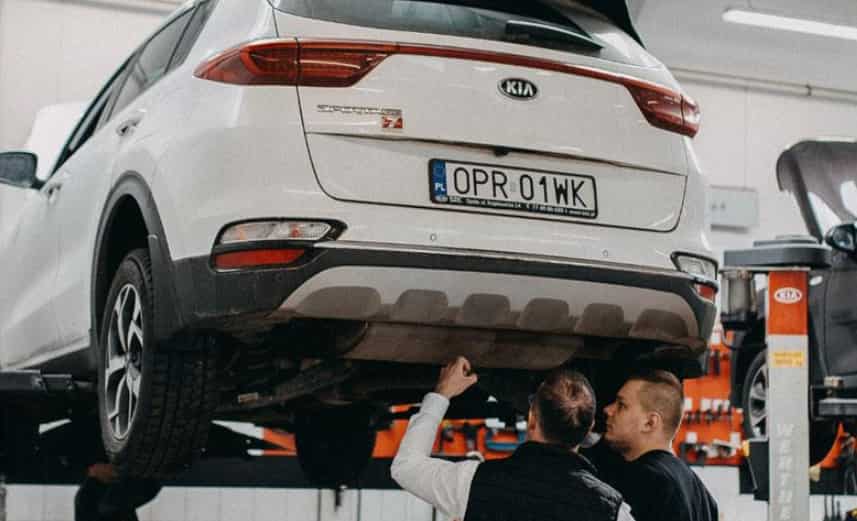
Causes of Kia Sportage Engine Recall
Engine recall issues usually come from a combination of design limits, manufacturing variation, and long term wear. In the case of the Kia Sportage Engine Recall, several technical factors contribute to engine performance failure risks in certain production batches of the Kia Sportage.
One of the most common causes relates to engine lubrication problems. When oil does not circulate properly, engine parts face higher friction. This increases heat and accelerates internal wear. Over time, this condition can lead to knocking noise, reduced performance, or complete engine failure.
Another key factor involves manufacturing inconsistencies. Small variations during engine assembly can affect long term durability. Even minor defects in piston rings, bearings, or fuel delivery components can create serious performance issues after extended use.
Engine sensor calibration also plays an important role. When sensors provide incorrect data to the engine control system, fuel mixture and timing may become unstable. This can reduce efficiency and increase stress on internal components.
In some cases, carbon buildup inside the engine also contributes to performance degradation. This buildup restricts airflow and affects combustion quality. As a result, drivers may notice rough idling, hesitation, or loss of power.
Thermal stress is another factor that affects engine reliability. Frequent temperature changes can weaken internal components over time. This is more likely to happen in vehicles that operate in heavy traffic or under high load conditions.
These combined factors explain why certain Kia Sportage models become part of recall investigations. Each issue may seem small on its own, but together they can significantly reduce engine durability and safety.
Affected Models and Production Years
Not all Kia Sportage vehicles face engine recall issues. The problem usually affects specific production ranges and engine batches rather than the entire model line of the Kia Sportage.
Manufacturers group vehicles by production year and engine type. Some batches may include parts that develop issues under long term use. Other batches may not show any defects at all. This is why two vehicles from the same model line can have very different reliability outcomes.
In most recall cases, affected models come from limited production periods. These periods often align with reported engine failures or warranty claims. Drivers usually learn about their status through official recall notices or VIN lookup tools provided by dealerships.
VIN identification plays an important role in determining whether a specific vehicle is affected. Each VIN contains production details that allow manufacturers to trace engine type, assembly plant, and production date. This helps service centers quickly confirm recall eligibility.
It is also important to understand that recalls do not always mean immediate engine failure. Some vehicles remain functional but still fall under recall due to potential risk factors. Manufacturers issue recalls early to prevent future safety problems rather than wait for widespread breakdowns.
For this reason, owners should always verify their vehicle status instead of assuming safety based on appearance or driving condition. Early verification helps reduce risk and ensures timely repair support if needed.
Symptoms of Engine Problems Before Failure
Engine problems rarely happen without warning. In most cases, drivers can notice early signs before a serious failure occurs in the Kia Sportage. Recognizing these symptoms early helps reduce repair costs and prevents safety risks.
One of the most common warning signs is engine knocking or unusual noise. This sound often appears when internal parts experience excessive friction or wear. It usually becomes more noticeable during acceleration or cold starts.
Another early symptom is the engine warning light on the dashboard. This light signals that the engine control system has detected abnormal performance. Even if the vehicle still drives normally, this warning should not be ignored.
Some drivers also notice increased oil consumption. The engine may burn oil faster than usual due to internal leakage or worn components. This condition can lead to lower lubrication levels and higher engine stress.
Loss of power is another clear indicator of engine trouble. The vehicle may feel slower during acceleration or struggle when driving uphill. This often points to reduced combustion efficiency or internal resistance.
Rough idling also signals potential engine issues. The engine may shake or vibrate when the vehicle is stopped. This happens when combustion becomes unstable or airflow is disrupted.
In more serious cases, the engine may stall without warning. This creates a safety risk, especially when driving at high speed or in heavy traffic. Drivers should treat this symptom as urgent and seek inspection immediately.
How to Check If Your Vehicle Is Under Recall
Every owner should verify recall status instead of guessing. This step is important for anyone driving the Kia Sportage because recall eligibility depends on production data, not appearance or driving condition.
The most reliable method is checking the Vehicle Identification Number, also known as VIN. Each vehicle has a unique VIN that contains details about production year, engine type, and manufacturing plant. This information helps identify whether the vehicle belongs to a recall group.
Drivers can find the VIN on the dashboard near the windshield or on the driver side door frame. The number is also available on registration documents and insurance papers. Once the VIN is available, the owner can submit it to an official dealership or manufacturer support system for verification.
Dealership systems compare the VIN with recall databases. If the vehicle matches a recall batch, the system confirms eligibility for inspection or repair. This process is fast and usually takes only a few minutes.
Some owners may also receive direct recall notifications from manufacturers. However, not all drivers receive these notices on time. This is why manual VIN checking is more reliable than waiting for a letter or email.
It is important to check the status even if the vehicle feels normal. Some recall-related engine issues develop slowly and do not show immediate symptoms. Early verification helps prevent unexpected failure and ensures access to free repair support if available.
Regular checks are recommended, especially after service updates or ownership changes. This ensures that the vehicle always stays updated with the latest safety information.
Repair and Fix Process for Kia Sportage Engine Recall
When a vehicle is confirmed under recall, the repair process follows a structured procedure designed to restore safety and performance. This applies to affected units of the Kia Sportage that meet recall criteria based on VIN verification.
The first step is inspection at an authorized dealership. Technicians check engine condition and confirm whether the recall issue is present. This inspection helps determine the correct repair method for the vehicle.
If the issue is confirmed, the dealership moves to the repair stage. In many cases, technicians replace faulty engine components or update critical parts that affect performance. Some vehicles may require partial repairs, while others may need a full engine replacement depending on damage level.
Manufacturers usually cover recall repairs at no cost to the owner. This includes both labor and replacement parts. The goal is to fix safety issues without creating financial burden for drivers.
Repair time depends on parts availability and severity of the issue. Some repairs take only a few hours, while others may require several days if engine replacement is necessary. Dealerships often provide updates during the process.
After repair, the vehicle goes through a final quality check. Technicians test engine performance, monitor stability, and ensure that no warning signs remain. This step ensures the vehicle returns to safe operating condition.
Owners should always follow up after repair and monitor engine behavior. If any unusual symptoms appear again, immediate re-inspection is recommended to prevent further risk.
Is It Safe to Drive Before Repair?
Driving safety depends on the current condition of the engine. For vehicles affected by the Kia Sportage Engine Recall, risk levels can vary based on symptoms and severity in the Kia Sportage.
If the engine shows no warning signs, the vehicle may still operate normally for a period of time. However, this does not guarantee long term safety. Recall issues often develop gradually and may not appear immediately during normal driving.
When symptoms such as engine knocking, power loss, or warning lights appear, the risk increases significantly. In this case, continued driving can lead to sudden engine failure. This may create safety hazards, especially during highway driving or heavy traffic conditions.
If the engine stalls or behaves unpredictably, drivers should stop using the vehicle and arrange inspection immediately. These signs indicate a higher probability of serious internal damage.
Short distance driving to a nearby authorized dealership may still be acceptable in mild cases. However, long distance travel is not recommended until the vehicle is inspected and cleared by technicians.
The safest approach is early inspection after recall notification or symptom detection. This reduces the risk of unexpected breakdown and ensures that necessary repairs happen before the condition worsens.
Drivers should always prioritize safety over convenience. Even if the vehicle appears stable, recall related engine issues can progress quickly under stress or high load conditions.
Conclusion
The Kia Sportage Engine Recall highlights the importance of understanding engine safety and long term vehicle reliability. Issues related to engine performance, internal wear, and manufacturing defects can affect specific production groups of the Kia Sportage, which makes early awareness essential for every owner.
Throughout this guide, we explored the main causes behind engine recall situations. We also reviewed the affected model groups, the early warning symptoms, and the official repair process provided by authorized dealerships. Each section helps drivers understand how to identify risk and take the right action at the right time.
Early detection plays a key role in preventing serious engine failure. Warning signs such as unusual noise, power loss, or dashboard alerts should never be ignored. These signals often appear before major damage occurs and give drivers a chance to act early.
Checking recall status through VIN verification remains the most reliable step for every owner. It ensures that any potential issue is identified before it leads to safety problems or expensive repairs. Once confirmed, dealership support provides repair solutions that restore engine safety and performance.
In conclusion, staying informed and acting early helps protect both vehicle value and driver safety. If you own a Kia Sportage, regular checks and quick response to warning signs will significantly reduce long term risks and ensure stable performance on the road.