The Kia Soul is a popular compact crossover because it offers practicality, low running costs, and easy urban driving. In addition, many drivers choose it for its simple design and reliable everyday performance. However, concerns about the Kia Soul Engine Recall have increased in recent years, and these concerns affect both current owners and potential buyers.
This issue relates to Kia Soul, which Kia produces. Some owners report serious engine problems. For example, drivers experience high oil consumption, unusual engine noise, and reduced power. In some cases, engines fail completely. As a result, many owners worry about safety and long term durability.
However, many drivers still do not know whether their vehicle is affected. In addition, some people do not recognize early warning signs. Therefore, they delay inspection or repair, which can increase the risk of damage. Clear information becomes very important in this situation.
This guide explains the Kia Soul engine recall in a simple and structured way. First, you will understand the main causes of engine issues. Next, you will learn which model years are affected. After that, you will see how to check your VIN step by step. Finally, you will explore repair options and potential risks if the issue is ignored. Therefore, this article helps you make a safe and informed decision whether you already own a Kia Soul or plan to buy one.
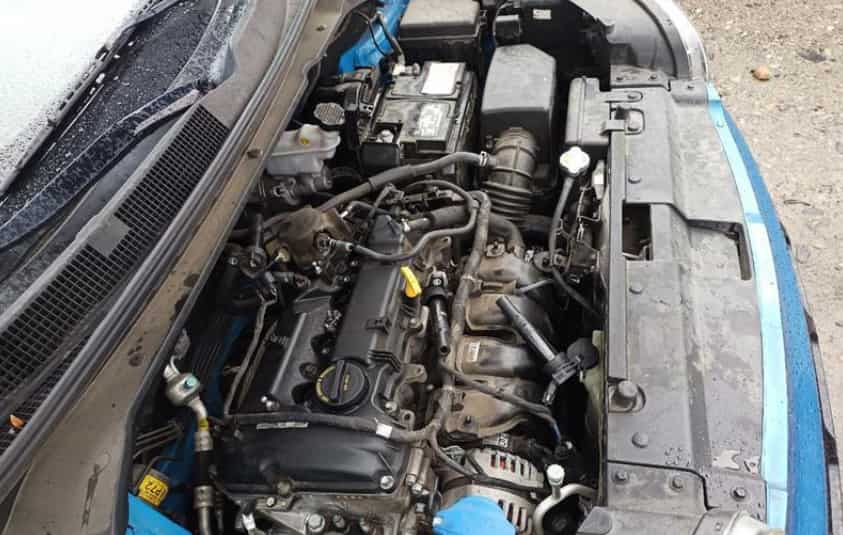
What Is the Kia Soul Engine Recall?
A Kia Soul engine recall refers to a safety-related action where the manufacturer investigates and fixes engine defects that may affect vehicle performance or safety. In addition, a recall usually happens when a problem appears in a large group of vehicles and may increase the risk of engine damage or failure.
In the case of Kia Soul produced by Kia, the recall situation often relates to engine components that do not perform as expected under normal driving conditions. For example, some engines may develop excessive wear, oil consumption issues, or internal damage over time. As a result, the manufacturer may offer inspections, repairs, or full engine replacement depending on the severity of the issue.
However, it is important to understand the difference between a recall, a warranty claim, and a technical service bulletin. A recall is mandatory and focuses on safety risks. In contrast, a warranty covers general repair terms based on time or mileage. Meanwhile, a technical service bulletin only provides guidance to dealerships without requiring a full repair program.
Therefore, when a Kia Soul engine recall is announced, it means the manufacturer has identified a pattern of engine-related problems that may affect vehicle safety or reliability. In many cases, dealerships inspect the engine, confirm the issue, and then apply a repair solution approved by the manufacturer. As a result, owners may receive free repairs if their vehicle matches the affected criteria.
In summary, the Kia Soul engine recall represents an official response to potential engine defects. It helps ensure that affected vehicles receive proper inspection and repair before the issue leads to more serious damage.
Causes of Kia Soul Engine Problems
The Kia Soul engine problems usually come from a combination of mechanical wear, design limitations, and long term operating stress. In addition, some issues appear more frequently in specific production batches, which increases concerns among owners of certain model years.
One major cause relates to lubrication issues inside the engine. When oil does not circulate properly, internal components such as pistons and bearings experience higher friction. As a result, the engine may wear out faster than expected. Over time, this can lead to knocking sounds or reduced performance.
Another common factor involves excessive oil consumption. Some drivers notice that the engine uses more oil than normal between service intervals. For example, oil levels may drop quickly even without visible leaks. Therefore, the engine may run with insufficient lubrication if the issue is not monitored regularly.
In addition, overheating can contribute to long term damage. When the cooling system does not maintain stable temperature levels, engine parts expand and contract repeatedly. This process increases stress on internal components and may eventually lead to failure.
Manufacturing variation also plays a role. In some cases, small differences in engine assembly or part quality can create inconsistent durability across vehicles. As a result, some Kia Soul engines perform normally, while others develop issues earlier.
Finally, driving conditions influence engine health. Frequent short trips, heavy traffic, and aggressive acceleration increase engine load. Therefore, these conditions may accelerate wear in already sensitive engines.
In summary, Kia Soul engine problems do not come from a single cause. Instead, they result from a mix of oil flow issues, heat stress, part wear, and usage conditions. Understanding these causes helps owners identify risks early and take preventive action.
Affected Kia Soul Model Years
The Kia Soul engine recall concerns mainly certain production years that show a higher rate of engine-related complaints. However, not every vehicle within those years experiences problems. Therefore, it is important to understand that risk varies by engine type, production batch, and maintenance history.
In general, earlier generations of Kia Soul tend to receive more attention in recall discussions. In addition, vehicles produced during periods with known engine design changes may also show higher vulnerability. For example, some model years report more frequent oil consumption and engine knocking compared to others.
The manufacturer Kia evaluates engine performance data over time. As a result, it may issue recalls or service campaigns for specific model ranges rather than the entire lineup. This means two vehicles of the same model can have different recall statuses depending on their manufacturing details.
Furthermore, driving conditions and maintenance habits influence how engine problems appear across model years. For instance, vehicles that receive regular oil changes and proper servicing often perform better even if they belong to a higher risk group. However, neglected maintenance can worsen engine wear and increase the likelihood of failure.
In addition, regional usage patterns can also affect engine reliability data. Cars driven in heavy traffic or extreme conditions often show earlier signs of wear. Therefore, real world performance may differ from official expectations.
In summary, affected Kia Soul model years are not defined by a single universal list. Instead, they depend on production variations, engine design updates, and usage conditions. Therefore, owners should always verify their specific VIN to confirm actual recall status rather than relying only on model year assumptions.
Common Symptoms of Engine Failure
Engine problems in the Kia Soul often develop gradually, so early detection plays an important role in preventing serious damage. In addition, many drivers ignore the first warning signs because the vehicle still seems to run normally at the beginning.
One of the most common symptoms is unusual engine noise. For example, drivers may hear knocking, ticking, or knocking-like sounds during acceleration. As a result, these noises often indicate internal wear or lubrication issues inside the engine of Kia Soul produced by Kia.
Another frequent warning sign is excessive oil consumption. In many cases, the engine burns oil faster than expected. Therefore, drivers may notice that oil levels drop between regular maintenance intervals. If this problem continues, it can lead to insufficient lubrication and increased engine stress.
In addition, the check engine light may appear on the dashboard. This warning often signals irregular engine performance or sensor detection of abnormal conditions. However, some drivers delay inspection, which increases the risk of further damage.
Loss of power is another important symptom. For instance, the vehicle may struggle during acceleration or feel less responsive than usual. This happens because internal engine efficiency decreases over time. As a result, driving performance becomes weaker and less stable.
Finally, engine stalling or overheating may occur in more serious cases. These symptoms usually indicate advanced internal damage and require immediate inspection.
In summary, early symptoms of engine failure include noise, oil loss, warning lights, reduced power, and overheating. Therefore, recognizing these signs early helps drivers reduce repair costs and avoid severe engine damage.
How to Check If Your Kia Soul Is Affected (VIN Guide)
Checking whether your vehicle is affected by the Kia Soul engine recall is a critical step for every owner. In addition, this process is simple and does not require advanced technical knowledge. However, many drivers still skip it or do not know where to start.
The most reliable method is to use the Vehicle Identification Number, also known as VIN. Each Kia Soul has a unique VIN that identifies its production details. The manufacturer Kia uses this number to track recalls, service history, and technical updates.
First, you need to find the VIN on your vehicle. In most cases, you can see it on the dashboard near the windshield or inside the driver door frame. After that, you can copy the full VIN number carefully to avoid errors.
Next, you should enter the VIN into the official Kia recall lookup system or contact an authorized dealership. As a result, the system will check whether your vehicle belongs to an affected group. If your car is included, the system will display recall details and available repair options.
In addition, you can call a Kia service center directly. This option helps if you want confirmation from a technician. For example, the dealership can check your VIN and explain whether your engine requires inspection or replacement.
Finally, if your vehicle is affected, you should schedule a service appointment as soon as possible. Therefore, you can avoid further engine damage and ensure your car remains safe to drive.
In summary, VIN checking is the fastest and most accurate way to confirm recall status. It helps owners take immediate action and reduce the risk of serious engine failure.
Repair and Fix Options
When a Kia Soul is confirmed as part of an engine recall, the manufacturer and authorized dealerships provide several repair solutions depending on the severity of the issue. In addition, the exact fix may vary based on engine condition, mileage, and diagnostic results.
For the vehicle Kia Soul produced by Kia, the most common first step is a full engine inspection. During this process, technicians check for oil consumption issues, internal wear, and abnormal engine behavior. As a result, they can determine whether the engine can be repaired or must be replaced.
In many cases, minor issues may be resolved through component repair or software updates. However, if the engine shows significant internal damage, the dealership may recommend a full engine replacement. Therefore, the repair approach depends heavily on diagnostic findings.
In addition, warranty coverage plays an important role. If the vehicle qualifies under recall or extended warranty programs, the repair cost is usually covered by the manufacturer. As a result, owners may receive free repairs or replacement engines.
The repair timeline can vary. For example, simple inspections may take a few hours, while engine replacement can take several days or even weeks depending on parts availability. Therefore, owners should prepare for possible downtime during the repair process.
If the vehicle is not covered by warranty or recall terms, repair costs can become significant. In such cases, engine replacement may be expensive, which increases the importance of early diagnosis and recall verification.
In summary, repair options include inspection, component repair, software updates, or full engine replacement. Therefore, timely action helps reduce costs and ensures vehicle safety.
Risks of Ignoring the Recall
Ignoring a Kia Soul engine recall can lead to serious mechanical and financial consequences over time. In addition, many drivers underestimate early warning signs and continue driving until the problem becomes severe.
For the vehicle Kia Soul produced by Kia, delayed action can increase engine wear quickly. For example, low oil levels or internal friction may continue without repair. As a result, small issues can turn into complete engine failure.
One major risk is sudden engine breakdown while driving. This situation can reduce vehicle control and increase safety hazards on the road. Therefore, ignoring recall instructions may put both the driver and passengers at risk.
In addition, repair costs usually increase significantly when the problem worsens. A minor issue may require only inspection or component replacement. However, a damaged engine often needs a full replacement, which is much more expensive. As a result, delaying repair can create unnecessary financial pressure.
Another important risk involves reduced vehicle value. A car with unresolved recall status often has lower resale value in the used car market. Therefore, buyers may avoid vehicles with incomplete repair history.
Insurance complications may also appear in some cases. For instance, insurers may question claims related to known mechanical issues if the recall was ignored. In addition, long term reliability decreases, which affects overall ownership experience.
In summary, ignoring the Kia Soul engine recall increases safety risks, repair costs, and resale value loss. Therefore, timely action is essential to protect both the vehicle and the driver.
Buying a Used Kia Soul: What You Should Know
Buying a used Kia Soul can be a smart decision for many drivers because it offers good value and practical performance. However, you must carefully check the engine recall history before making a purchase. In addition, understanding potential risks helps you avoid expensive repairs later.
The vehicle Kia Soul produced by Kia has certain model years that may be linked to engine concerns. Therefore, used car buyers should always verify whether the specific vehicle has completed all recall repairs. A car with unresolved recall issues can create long term financial risk.
First, you should request the full service history from the seller. For example, check whether the engine has been inspected, repaired, or replaced. In addition, you should confirm that all recall campaigns have been completed at an authorized dealership.
Next, you should always perform a VIN check before buying. As a result, you can confirm whether the vehicle is part of any active recall list. This step is important because it gives you direct information from the manufacturer rather than relying only on the seller.
In addition, you should inspect the engine condition during a test drive. Listen for unusual noises, check for smooth acceleration, and observe any warning lights on the dashboard. Therefore, you can detect early signs of engine problems before purchase.
Finally, consider the resale value and long term reliability. A Kia Soul with a completed recall history is generally safer to buy. However, a vehicle with unresolved engine issues may lead to higher maintenance costs in the future.
In summary, buying a used Kia Soul requires careful inspection, VIN verification, and service history review. Therefore, proper research helps you make a safer and more confident buying decision.
Conclusion
The Kia Soul engine recall is an important issue that every owner and potential buyer should understand clearly. It is not only about a technical defect but also about long term safety, reliability, and ownership cost. Therefore, having accurate information helps you avoid unnecessary risks and make better decisions.
The vehicle Kia Soul produced by Kia may experience engine-related problems in certain cases, including oil consumption issues, engine noise, and performance loss. However, not every vehicle is affected in the same way. As a result, individual verification becomes essential.
In addition, checking your VIN is the most reliable method to confirm recall status. It allows you to know exactly whether your vehicle needs inspection, repair, or engine replacement. Therefore, taking early action can help you avoid serious mechanical damage and high repair costs.
For used car buyers, reviewing recall history is even more important. A properly repaired vehicle offers better long term value and peace of mind. However, ignoring recall status may lead to unexpected expenses and reduced reliability over time.
In conclusion, the Kia Soul engine recall highlights the importance of regular maintenance, official verification, and timely repair. Therefore, whether you already own a Kia Soul or plan to buy one, staying informed is the best way to protect your investment and ensure safe driving.