The Kia P1326 Code is a serious diagnostic trouble code linked to the engine knock detection system in Kia vehicles. This code appears when the engine control module detects abnormal vibration that may indicate engine knocking or early signs of internal stress. When this happens, the system often activates reduced power mode to protect the engine from further damage.
Many drivers feel confused when this issue occurs. The car may suddenly lose power, accelerate slowly, or show a check engine light without any clear warning. The system limits performance immediately because it prioritizes engine safety over driving comfort.
The Kia P1326 Code does not always mean a major engine failure. In some cases, it comes from a faulty knock sensor, damaged wiring, or ECU software issues. In other cases, it can point to real mechanical engine problems that need urgent attention. This is why proper diagnosis is very important.
This guide explains the meaning of the Kia P1326 Code in detail. You will also learn the most common symptoms, the main causes, and the most effective repair methods. The goal is to help you identify whether the issue is a simple sensor fault or a serious engine condition that requires immediate repair.
Kia P1326 Code Meaning
The Kia P1326 Code refers to a fault detected in the engine knock detection system. This system monitors engine vibration and combustion behavior to identify abnormal knocking signals. When the engine control module receives a signal that exceeds the normal threshold, it triggers the P1326 code and activates protective measures.
In Kia vehicles, the knock detection system plays a key role in engine safety. It helps the ECU detect early signs of abnormal combustion that could lead to engine damage. When the system detects a possible issue, it reduces engine power and places the vehicle into a protection mode. This action helps prevent further stress on internal engine components.
The Kia P1326 Code does not always confirm that engine damage has already occurred. In many cases, the code appears due to sensor sensitivity, wiring faults, or ECU calibration issues. However, the system treats any abnormal signal as a potential risk, so it responds quickly by limiting engine performance.
This code is closely connected to the knock sensor, which continuously monitors vibration patterns in the engine block. If the sensor detects irregular signals or if communication between the sensor and ECU becomes unstable, the system may interpret it as a knock event. As a result, the ECU reduces engine output as a safety response.
Understanding the meaning of the Kia P1326 Code is important because it helps you distinguish between a minor electrical issue and a serious engine condition. Proper diagnosis is required before deciding whether the problem comes from the sensor system or from actual mechanical engine knocking.
Kia P1326 Code Symptoms
The Kia P1326 Code usually triggers noticeable changes in how the vehicle performs. Most drivers first see the check engine light appear on the dashboard. This warning often comes with a sudden drop in engine power as the system activates protection mode.
One of the most common symptoms is limp mode. In this state, the vehicle limits acceleration and restricts speed to reduce engine load. The car may feel slow, unresponsive, or weak when pressing the accelerator. This happens because the ECU prioritizes engine safety over performance.
Many drivers also notice hesitation during acceleration. The engine may not respond smoothly, especially when driving uphill or trying to increase speed quickly. In some cases, the vehicle may feel like it is misfiring or struggling to maintain steady power.
Another symptom includes unusual engine vibration or knocking noise. This does not always happen in every case, but when it does, it often increases concern about potential internal engine issues. The system may detect these vibrations as abnormal combustion activity.
Fuel efficiency may also decrease when the Kia P1326 Code is active. The engine does not operate at normal performance levels, which can lead to higher fuel consumption during driving.
In severe cases, the vehicle may enter a strict power limitation mode where speed remains very low even when the accelerator is pressed fully. This is a safety response designed to prevent further engine damage until the issue is diagnosed and repaired.
Kia P1326 Code Causes
The Kia P1326 Code can appear for several different reasons, and not all of them indicate actual engine damage. In many cases, the issue starts from the knock detection system rather than the engine itself. Understanding the root cause is important because each cause requires a different repair approach.
One of the most common causes is a faulty knock sensor. The knock sensor monitors engine vibration and sends signals to the ECU. When this sensor fails or sends inaccurate data, the system may incorrectly detect engine knocking and trigger the P1326 code.
Wiring or connector problems can also cause this issue. If the wiring between the knock sensor and the ECU becomes damaged, loose, or corroded, the signal may become unstable. This unstable communication can lead the ECU to misinterpret normal engine behavior as a serious fault.
Another possible cause is ECU software calibration issues. Some Kia models may require ECU updates to improve how the system interprets knock sensor data. Without proper calibration, the system may become overly sensitive and trigger false warnings.
Real engine knocking is also a possible cause. This happens when fuel combustion inside the engine does not occur smoothly. Low-quality fuel, carbon buildup, or incorrect ignition timing can contribute to this condition. When real knocking occurs, the ECU reacts immediately to protect the engine.
In some cases, mechanical engine wear can also trigger the code. Worn internal components may create abnormal vibration patterns that the knock sensor detects as dangerous activity. This leads the ECU to activate protection mode.
Kia P1326 Code Fix Guide
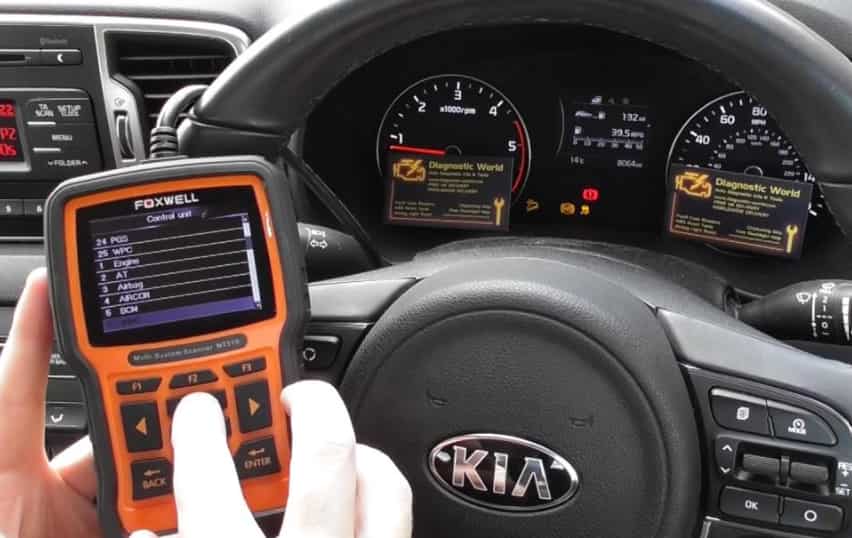
Fixing the Kia P1326 Code requires a proper diagnostic process because the issue can come from either the knock detection system or real engine conditions. The first step is always to perform a full OBD2 diagnostic scan. This helps confirm the code and check if there are any additional related fault codes stored in the ECU.
After confirming the code, the next step is to inspect the knock sensor and its wiring. A mechanic will check the sensor for damage, loose connections, or corrosion. If the wiring is faulty, repairing or replacing the harness can often resolve the issue without further engine work.
If the sensor and wiring are in good condition, the next possible step is an ECU software update. Some Kia vehicles require recalibration to improve how the system reads vibration signals. An outdated ECU program may incorrectly trigger the P1326 code even when the engine is operating normally.
If the issue continues, the knock sensor may need to be replaced. A defective sensor can send incorrect vibration data to the ECU, causing repeated false alerts and limp mode activation. Replacing the sensor usually restores normal system behavior.
In more serious cases, a full engine inspection is necessary. A mechanic will check for internal engine knocking, fuel combustion issues, or mechanical wear. Problems such as carbon buildup or ignition timing issues may also need to be addressed to prevent recurring faults.
Drivers should avoid ignoring this code because the system activates protection mode for a reason. If the vehicle repeatedly enters limp mode, professional diagnosis is strongly recommended to prevent potential engine damage.
Conclusion
The Kia P1326 Code is a critical warning related to the engine knock detection system. It does not always confirm severe engine damage, but it always signals that the engine control module has detected a condition that requires attention. When this code appears, the system often activates reduced power mode to protect the engine from further risk.
Understanding the meaning, symptoms, causes, and repair process helps you respond correctly instead of guessing the problem. In many cases, the issue comes from a faulty knock sensor, wiring problems, or ECU calibration errors. However, there are situations where real engine knocking or mechanical wear is the root cause, which requires immediate professional inspection.
The most important step is proper diagnosis. A simple reset will not solve the problem if the underlying cause still exists. Ignoring the warning may lead to more serious engine damage and higher repair costs over time.
If your vehicle repeatedly shows the Kia P1326 Code or enters limp mode, you should have it inspected as soon as possible. Early detection and timely repair can help protect the engine and restore normal performance safely.