If you’re considering buying a Subaru Outback or already own one, you’ve probably wondered: How long do Subaru Outbacks last? With many vehicles on the road struggling to make it past 150,000 miles, durability has become one of the most important factors for car buyers looking for long-term value.
The Subaru Outback has built a strong reputation as one of the most dependable crossover wagons available today. Known for its standard all-wheel drive, practical design, and adventure-ready capability, the Outback is often praised by owners who keep their vehicles on the road for well over a decade. In fact, it is not uncommon to find Subaru Outbacks with 200,000 miles or more still performing reliably when properly maintained.
However, reaching those impressive mileage milestones is not guaranteed. Factors such as maintenance habits, driving conditions, model year reliability, and repair history all play a significant role in determining how long a Subaru Outback will last. Many prospective buyers also worry about costly repairs, transmission issues, and whether purchasing a high-mileage Outback is a smart investment.
In this guide, we’ll explore the average Subaru Outback lifespan, realistic mileage expectations, common problems that can impact longevity, and the maintenance practices that help these vehicles reach 200,000 to 300,000 miles or beyond. By the end, you’ll have a clear understanding of whether a Subaru Outback is built to go the distance.
What Is the Average Lifespan of a Subaru Outback?
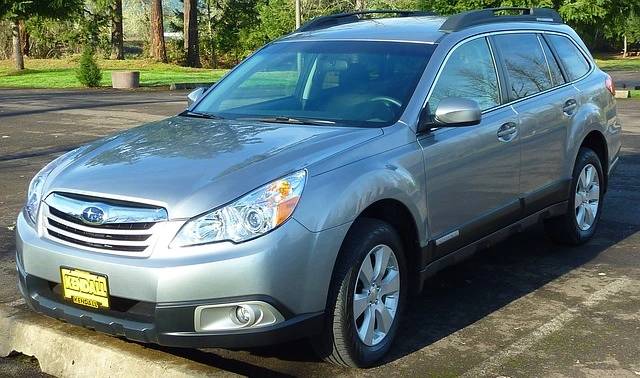
The Subaru Outback has earned a reputation for longevity that rivals some of the most reliable vehicles in its class. On average, a well-maintained Subaru Outback can last between 200,000 and 300,000 miles. For the typical American driver who covers around 12,000 to 15,000 miles per year, that translates to approximately 15 to 20 years of ownership.
One reason the Outback consistently achieves such high mileage figures is Subaru’s focus on durability. The vehicle’s boxer engine design, symmetrical all-wheel-drive system, and rugged construction make it well-suited for a variety of driving conditions, from daily commuting to long-distance road trips and outdoor adventures.
Of course, not every Subaru Outback will reach 300,000 miles. Vehicles that receive irregular maintenance, experience severe driving conditions, or suffer from neglected repairs may encounter significant issues much earlier. Routine oil changes, transmission servicing, cooling system maintenance, and timely replacement of worn components all play a major role in extending vehicle life.
Compared to the average vehicle lifespan in the United States, which is often estimated at around 150,000 to 200,000 miles, the Subaru Outback stands out as an above-average performer. This long-term durability is one of the primary reasons why used Outbacks remain highly sought after in the pre-owned market.
Can a Subaru Outback Reach 200,000 to 300,000 Miles?
The short answer is yes. Reaching 200,000 miles is a realistic expectation for many Subaru Outback owners, provided the vehicle receives proper care throughout its life. In fact, numerous owners report surpassing this milestone without experiencing major mechanical failures.
The journey to 200,000 miles typically requires consistent maintenance rather than extraordinary repairs. Regular oil changes, fluid inspections, brake servicing, tire rotations, and adherence to the manufacturer’s maintenance schedule can significantly improve the vehicle’s longevity. Drivers who primarily travel on highways may also experience less wear and tear compared to those who frequently drive in stop-and-go city traffic.
Reaching 300,000 miles is more challenging but certainly achievable. At this stage, components such as suspension parts, wheel bearings, CVT transmission components, and cooling system elements may require replacement. Owners who proactively address small issues before they become major problems often enjoy the greatest success in reaching these higher mileage levels.
Some Subaru enthusiasts have even documented Outbacks exceeding 350,000 or 400,000 miles. While these cases are exceptional, they demonstrate the platform’s potential when maintenance is prioritized throughout the vehicle’s lifespan.
The key takeaway is that mileage alone does not determine an Outback’s future reliability. A properly maintained 200,000-mile Outback can often be a better purchase than a neglected vehicle with half the mileage.
Factors That Affect Subaru Outback Longevity
Several factors determine whether a Subaru Outback reaches the lower end or upper end of its lifespan potential.
One of the most important factors is maintenance. Owners who follow recommended service intervals tend to experience fewer unexpected repairs and longer engine life. Oil changes are particularly critical because clean oil helps reduce internal engine wear and maintains proper lubrication. Transmission fluid changes, coolant replacements, and brake system maintenance are equally important for preserving long-term reliability.
Driving habits also have a significant impact. Gentle acceleration, smooth braking, and avoiding excessive towing can reduce stress on major mechanical components. Aggressive driving habits often accelerate wear on the engine, transmission, brakes, and suspension system.
Environmental conditions play another major role. Outbacks operated in regions with harsh winters may face increased rust and corrosion due to road salt exposure. Vehicles driven in extremely hot climates may experience accelerated wear on cooling system components and rubber seals. Regular inspections and preventative maintenance can help mitigate these risks.
Model year selection is another factor buyers should consider. Certain Subaru Outback generations have proven more reliable than others. Improvements in engine design, safety systems, manufacturing quality, and transmission technology have enhanced durability in newer models. Researching the reliability history of specific model years can help owners make informed purchasing decisions and avoid known problem areas.
Ultimately, the combination of responsible ownership, preventive maintenance, and favorable driving conditions often determines whether an Outback lasts 150,000 miles or comfortably exceeds 300,000 miles.
Common Subaru Outback Problems That Can Shorten Lifespan
While the Subaru Outback is widely regarded as a durable and reliable vehicle, no car is completely immune to mechanical issues. Understanding the most common problems can help owners address them early and prevent costly repairs that may reduce the vehicle’s lifespan.
One of the most well-known issues affects older Subaru models equipped with naturally aspirated boxer engines. Certain model years experienced head gasket failures that could lead to coolant leaks, overheating, and engine damage if left untreated. Although Subaru improved head gasket designs in later generations, buyers considering older used Outbacks should pay close attention to service records and inspection reports.
Another concern involves the Continuously Variable Transmission (CVT) found in many modern Outbacks. While Subaru’s CVT technology has improved over time, some owners have reported transmission-related issues, particularly in earlier CVT-equipped models. Delayed acceleration, unusual noises, shuddering, or warning lights may indicate potential transmission problems. Regular fluid maintenance and prompt diagnosis can help extend transmission life.
Excessive oil consumption has also been reported in certain model years. Some drivers noticed that engine oil levels dropped more quickly than expected between service intervals. Ignoring low oil levels can accelerate engine wear and potentially lead to severe internal damage. Routine oil checks remain one of the simplest and most effective preventive measures.
Suspension wear becomes increasingly common as mileage accumulates. Components such as struts, control arm bushings, and wheel bearings naturally wear out over time. While these repairs are generally expected on high-mileage vehicles, postponing them can affect ride quality, handling, and overall vehicle safety.
The encouraging news is that many of these issues are manageable when detected early. Proactive maintenance and timely repairs often allow Subaru Outbacks to continue operating reliably for many years beyond the appearance of these common problems.
Which Subaru Outback Model Years Last the Longest?
Not all Subaru Outback model years offer the same level of reliability. While the vehicle has maintained a strong reputation overall, some years stand out for exceptional durability while others are associated with more frequent owner complaints.
Among the most reliable model years are the 2017, 2018, and 2019 Outbacks. These vehicles benefited from years of engineering refinement and generally experienced fewer serious mechanical issues than some earlier generations. Owners frequently report strong reliability, comfortable daily driving, and the ability to accumulate high mileage with routine maintenance.
The 2021 and 2022 models have also demonstrated promising reliability. Subaru introduced improvements in safety technology, interior quality, and drivetrain refinement while maintaining the rugged characteristics that have made the Outback popular among families and outdoor enthusiasts. Although these vehicles have not been on the road long enough to establish extensive long-term mileage records, early ownership data has been encouraging.
On the other hand, certain model years require more careful evaluation. The 2010 and 2011 Outbacks experienced higher rates of reliability complaints, including engine and transmission concerns. The 2013 model year has also been associated with issues such as oil consumption and drivetrain-related repairs.
This does not necessarily mean these years should be avoided entirely. A well-maintained example with documented service history may still provide many years of dependable operation. However, buyers should conduct thorough inspections and verify maintenance records before making a purchase decision.
When shopping for a used Subaru Outback, focusing on vehicle condition and maintenance history is often more important than the model year alone. A carefully maintained vehicle with higher mileage may offer better value than a lower-mileage example that has been neglected.
How to Make Your Subaru Outback Last Longer
If your goal is to maximize the lifespan of your Subaru Outback, adopting a proactive maintenance strategy can make a substantial difference. Many of the highest-mileage Outbacks on the road today share one common characteristic: attentive ownership.
Following Subaru’s recommended maintenance schedule should always be the starting point. Routine oil changes help reduce engine wear and maintain proper lubrication. Skipping oil services may save money in the short term, but it can significantly shorten engine life over time.
Transmission care is equally important. Although some drivers overlook CVT maintenance, periodic fluid inspections and servicing can help preserve transmission performance and reduce the likelihood of expensive repairs. Consulting the owner’s manual and following manufacturer recommendations is essential.
Paying attention to warning lights and unusual vehicle behavior can prevent minor issues from becoming major expenses. Strange noises, fluid leaks, vibrations, or dashboard alerts should never be ignored. Early diagnosis often results in simpler and less costly repairs.
Using high-quality replacement parts and fluids can also contribute to long-term durability. While cheaper alternatives may seem appealing, premium components often provide better performance and longevity, particularly in critical systems such as the engine, transmission, and braking system.
Owners living in regions with heavy snowfall should take additional steps to prevent rust and corrosion. Regular underbody washing, especially during winter months, helps remove road salt that can accelerate structural deterioration.
Maintaining detailed service records is another smart practice. Comprehensive maintenance documentation not only helps track vehicle health but can also increase resale value if you eventually decide to sell the vehicle.
By combining consistent maintenance, responsible driving habits, and prompt repairs, many Subaru Outback owners successfully extend their vehicles well beyond 200,000 miles and sometimes even approach the 300,000-mile mark.
Is a High-Mileage Subaru Outback Worth Buying?
Many used-car shoppers hesitate when they see a Subaru Outback with more than 150,000 miles on the odometer. While high mileage can certainly increase the likelihood of future repairs, it should not automatically eliminate a vehicle from consideration.
In many cases, a well-maintained Subaru Outback with 180,000 miles can be a better investment than a poorly maintained vehicle with only 90,000 miles. The key factor is how the vehicle has been cared for throughout its life. Service records can reveal whether the previous owner followed recommended maintenance schedules and addressed repairs promptly.
One of the biggest advantages of buying a high-mileage Outback is affordability. Depreciation significantly lowers the purchase price, allowing buyers to access features such as all-wheel drive, advanced safety technologies, and a spacious interior at a fraction of the cost of a newer vehicle.
However, buyers should remain realistic about future ownership costs. High-mileage vehicles are more likely to require suspension work, wheel bearings, brake components, and other wear-related repairs. Certain models may also require attention to the transmission or cooling system depending on their maintenance history.
Before purchasing a high-mileage Subaru Outback, it is wise to arrange a professional pre-purchase inspection. A qualified mechanic can identify hidden problems, estimate future repair costs, and provide valuable insight into the vehicle’s overall condition.
When supported by a strong maintenance history and a clean inspection report, a high-mileage Subaru Outback can still provide years of dependable transportation and excellent value for money.
Subaru Outback Lifespan Compared to Competitors
The Subaru Outback competes in a crowded market filled with highly respected crossovers and compact SUVs. Comparing its lifespan to rival vehicles can help buyers understand where it stands in terms of long-term reliability.
The Toyota RAV4 is often considered one of the benchmark vehicles for durability. Many owners report reaching 250,000 to 300,000 miles with routine maintenance. Toyota’s reputation for reliability gives the RAV4 a slight advantage in terms of overall ownership confidence.
The Honda CR-V is another strong competitor. Like the Outback, it commonly exceeds 200,000 miles and offers relatively low ownership costs. Its efficient powertrain and proven engineering have made it a favorite among long-term owners.
The Mazda CX-5 is praised for its driving dynamics and premium interior quality. While generally reliable, it does not have the same extensive history of extremely high-mileage examples as the Outback, RAV4, or CR-V.
The Ford Escape provides a comfortable driving experience and a wide range of engine options, but its long-term reliability ratings have historically been less consistent than those of Subaru, Toyota, and Honda.
What sets the Subaru Outback apart is its unique combination of rugged capability, standard all-wheel drive, spacious cargo area, and strong longevity. For drivers who regularly encounter snow, gravel roads, or outdoor adventures, the Outback often delivers a balance of durability and versatility that few competitors can match.
Although Toyota and Honda may slightly outperform Subaru in certain reliability studies, the Outback remains one of the most durable vehicles in its segment and continues to attract loyal owners who prioritize long-term value.
Conclusion
So, how long do Subaru Outbacks last? The answer is impressive. With proper maintenance and responsible ownership, most Subaru Outbacks can reasonably be expected to last between 200,000 and 300,000 miles. For many drivers, that translates into 15 to 20 years of dependable service.
The Outback’s reputation for longevity is built on durable engineering, practical design, and a loyal owner community that often prioritizes preventive maintenance. While certain model years have experienced issues involving head gaskets, oil consumption, or CVT transmissions, these concerns do not define the vehicle as a whole. In fact, many Outbacks continue to perform reliably long after surpassing mileage levels that would send other vehicles to retirement.
For prospective buyers, the most important factor is not necessarily mileage but maintenance history. A well-documented service record often provides a better indication of future reliability than the number displayed on the odometer.
Whether you are shopping for a used model or planning to keep your current Outback for years to come, consistent maintenance remains the single most effective way to maximize vehicle lifespan. Owners who stay proactive with repairs and servicing frequently enjoy hundreds of thousands of miles of dependable performance.
If you’re looking for a versatile vehicle capable of handling daily commuting, family road trips, and outdoor adventures while delivering exceptional longevity, the Subaru Outback remains one of the strongest choices available.
How many miles does your Subaru Outback have? Share your ownership experience and maintenance tips in the comments. Your story could help other drivers determine just how far these legendary vehicles can go.