Cleaning suede car seats safely requires removing loose dirt, using a cleaner suitable for the upholstery material, and avoiding excessive moisture or aggressive scrubbing. Start by vacuuming the seats with a soft upholstery attachment, then gently brush the surface to lift embedded dust. For stains, apply a material-compatible cleaner according to the manufacturer’s instructions and allow the seats to dry completely before use.
The correct cleaning method depends on whether your car seats contain natural suede leather or synthetic suede, such as Alcantara. Natural suede has a delicate, raised fiber surface that can develop watermarks, discoloration, or a flattened texture when cleaned improperly. Synthetic suede is made from microfiber materials and may tolerate different cleaning techniques, but its care requirements vary by manufacturer. Identifying the upholstery material before applying any cleaning solution helps prevent avoidable damage.
Regular cleaning also preserves the appearance and texture of suede upholstery by preventing dirt, body oils, and everyday residue from accumulating on the seat surface. This guide explains which tools and cleaning products to use, how to clean suede car seats step by step, how to treat common stains, and how to dry and maintain the upholstery without damaging its fibers.
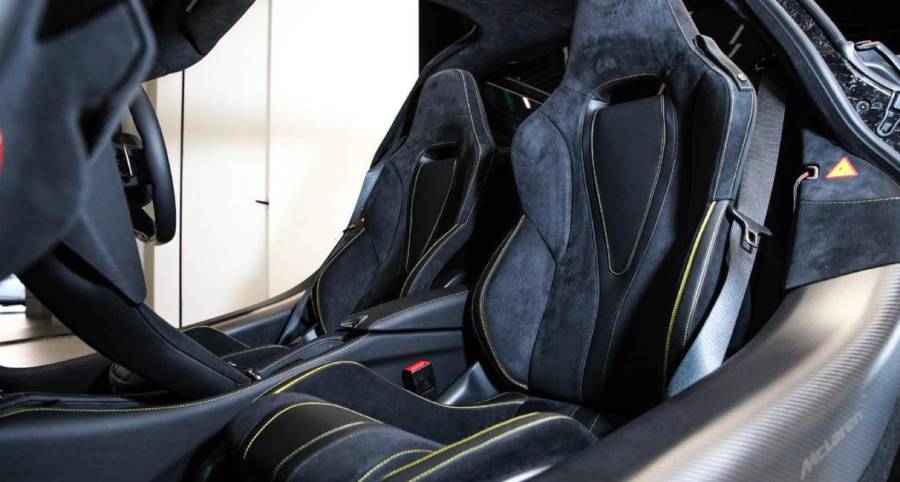
What Is the Safest Way to Clean Suede Car Seats?
The safest way to clean suede car seats is to remove loose dirt with a vacuum, gently brush the upholstery, and treat remaining stains with a cleaner specifically approved for the seat material. This method minimizes friction and moisture exposure, which can damage suede fibers, alter their texture, or leave visible marks on the surface.
Suede has a soft, raised fiber surface known as the nap, which gives the upholstery its distinctive texture. Dirt, dust, and body oils accumulate between these fibers, particularly on seat cushions, side bolsters, and backrests that experience frequent contact. Removing loose particles before applying a cleaning solution prevents them from being rubbed deeper into the material. A vacuum with a soft upholstery attachment and a suitable brush can remove surface debris without excessive pressure.
Cleaning products must match the upholstery material because natural suede and synthetic suede respond differently to moisture and cleaning chemicals. Natural suede leather is particularly vulnerable to watermarks, stiffness, and discoloration when saturated. Synthetic materials, including Alcantara, have different fiber structures and manufacturer-specific cleaning requirements. Always test a cleaning product on a small, hidden area before treating a visible section of the seat.
For routine maintenance, vacuuming and gentle brushing are generally sufficient when the seats have no visible stains. Deeper cleaning should focus on contaminated areas rather than repeatedly wetting the entire upholstery surface. After cleaning, allow the seats to dry completely and restore the nap with a suitable soft brush if recommended for the material. This approach removes everyday contamination while reducing unnecessary wear.
How Can You Tell Whether Car Seats Are Natural Suede or Synthetic Suede?
The most reliable way to identify natural suede or synthetic suede car seats is to check the vehicle manufacturer’s upholstery specifications, owner’s manual, or original interior trim description. Both materials have a soft, textured appearance, making visual inspection alone unreliable for determining their composition.
Natural suede is leather produced from the underside of animal hide. Its exposed fiber structure creates a soft, velvety surface but also makes it sensitive to moisture, oils, and unsuitable cleaning agents. Water can penetrate the leather fibers and cause uneven coloration or changes in texture as the material dries. Natural suede therefore requires cleaning products specifically formulated for suede leather and careful control of moisture.
Synthetic suede is manufactured from fine artificial fibers designed to reproduce the appearance and feel of natural suede. Common automotive examples include microfiber-based upholstery and Alcantara, a branded material made primarily from polyester and polyurethane. Unlike natural suede, Alcantara does not contain animal hide and has its own cleaning and maintenance instructions. Its synthetic construction does not mean every household fabric cleaner or wet-cleaning method is safe to use.
Vehicle documentation provides the most dependable identification because automotive seats may combine several materials, including leather side bolsters, synthetic suede center panels, and textile inserts. For example, a seat described as having Alcantara center inserts with leather bolsters requires different cleaning products for each surface. When the upholstery composition remains uncertain, consult the vehicle manufacturer or a professional automotive detailer before applying liquid cleaners. Correct material identification prevents cleaning mistakes and helps preserve the original appearance of the seats.
What Tools and Products Do You Need to Clean Suede Car Seats?
Cleaning suede car seats requires five essential tools: a vacuum cleaner with a soft upholstery attachment, a suede-compatible brush, microfiber cloths, an appropriate upholstery cleaner, and a clean, dry towel. These tools remove surface dirt, treat stains, and protect the upholstery’s delicate fibers from unnecessary friction or moisture exposure.
A vacuum cleaner with a soft upholstery attachment removes dust, crumbs, and loose particles from seat cushions, backrests, and seams. A soft suede brush or material-approved upholstery brush lifts dirt trapped within the raised fibers and helps maintain their original texture. Microfiber cloths are useful for blotting spills and removing cleaning residue because their soft fibers reduce abrasion when used with light pressure.
The cleaning solution must be compatible with the specific upholstery material. Natural suede requires products formulated for suede leather, while synthetic suede and Alcantara should be cleaned according to their manufacturers’ recommendations. A product labeled as a general automotive upholstery cleaner is not automatically suitable for every suede surface. Some cleaning agents contain solvents, detergents, or additives that can cause discoloration, leave residue, or change the material’s texture.
Before applying any cleaner, test it on a small, inconspicuous section of the seat and allow the area to dry completely. Check for color transfer, stiffness, watermarks, or changes in the nap. Avoid using stiff brushes, abrasive sponges, bleach, or unapproved household detergents. Selecting the correct equipment reduces the risk of upholstery damage and makes subsequent cleaning more controlled.
How Do You Clean Suede Car Seats Step by Step?
To clean suede car seats, follow five steps: vacuum loose debris, brush the surface gently, test a compatible cleaner, treat soiled areas, and allow the upholstery to dry before restoring its texture. The process should begin with dry cleaning because applying moisture to dusty upholstery can spread dirt and make stains more difficult to remove.
How Do You Remove Dirt and Dust From Suede Car Seats?
Remove dirt and dust from suede car seats by vacuuming the upholstery with a soft attachment and brushing the surface gently to release particles trapped between the fibers. Begin with the seat cushions and backrests, then clean the side bolsters, stitching, and creases where debris accumulates during everyday driving.
Use light suction and keep the vacuum attachment moving across the upholstery instead of pressing it firmly into the material. Excessive pressure or aggressive movement can flatten the suede nap and increase wear in high-contact areas. Pay particular attention to the junction between the seat cushion and backrest, where crumbs, sand, and other abrasive particles frequently collect.
After vacuuming, use a soft brush approved for the upholstery material to lift remaining surface dirt. Brush with gentle, consistent strokes rather than scrubbing repeatedly in different directions. Natural suede brushes may be unsuitable for certain synthetic microfiber surfaces, so follow the material manufacturer’s instructions. For seats with only light dust accumulation, vacuuming and gentle brushing may complete the cleaning process without requiring a liquid cleaner.
How Do You Apply Cleaner to Suede Car Seats?
Apply cleaner to suede car seats only after identifying the upholstery material and confirming that the product is suitable for its fibers. Follow the cleaner manufacturer’s instructions for application, quantity, and removal, since natural suede leather and synthetic microfiber upholstery require different treatment methods.
Start by testing the cleaner on a hidden section of the seat. Allow the test area to dry and inspect it for discoloration, residue, stiffness, or changes in texture. For natural suede, use a dedicated suede leather cleaning product according to its directions. For Alcantara or other synthetic suede materials, follow the upholstery manufacturer’s recommended cleaning procedure, including any instructions for using a lightly dampened cloth or approved cleaning solution.
Treat the affected area with gentle movements and avoid saturating the upholstery. Excess liquid can penetrate the seat padding, increase drying time, and leave visible moisture marks. Use a clean microfiber cloth to lift loosened dirt or absorb residue, following the product’s instructions. Replace or reposition the cloth as it becomes dirty to prevent transferring contamination back onto the seat.
For stubborn stains, avoid repeatedly applying cleaner or increasing scrubbing pressure. Additional treatment should depend on the stain type and material compatibility. Persistent contamination may require professional automotive detailing rather than repeated home cleaning.
How Do You Restore Suede Texture After Cleaning?
Restore the texture of suede car seats by allowing the upholstery to dry completely and gently lifting flattened fibers with a brush suitable for the material. Suede’s characteristic appearance comes from its raised surface fibers, which can become compressed through everyday contact, accumulated oils, or cleaning.
Begin by checking that the cleaned surface is fully dry. Brushing damp natural suede can distort its nap, while excessive friction on synthetic microfiber can contribute to surface wear. Use light, controlled strokes in the direction recommended by the upholstery manufacturer. Avoid stiff brushes or forceful movements, particularly on seat bolsters and other areas showing visible wear.
If the surface remains flattened after gentle brushing, inspect it for embedded residue or permanent fiber wear. Cleaning can remove contamination and improve the appearance of compressed fibers, but it cannot reliably reverse abrasion or restore fibers that have been physically damaged. Professional upholstery care may be necessary when the seat has extensive matting, discoloration, or worn patches.
Complete the process by inspecting the seat under even lighting for remaining dirt, cleaning residue, or uneven texture. A properly cleaned suede surface should be free from loose contamination, fully dry, and consistent with the material’s original appearance.
How Do You Remove Stains From Suede Car Seats?
To remove stains from suede car seats, blot fresh spills immediately, identify the type of contamination, and apply a stain treatment approved for the upholstery material. Water, oil, grease, coffee, and food stains require different cleaning approaches because they interact differently with natural suede leather and synthetic microfiber fibers. Treating stains before they spread or penetrate deeper into the upholstery improves the chances of successful removal.
Water stains on natural suede can appear as darker patches, rings, or uneven discoloration after moisture penetrates the leather fibers. Allow the affected area to air-dry completely before assessing the mark. Once dry, gently brush the surface with a suede-compatible brush to restore the nap and remove loose residue. Persistent watermarks may require a dedicated suede cleaning product or professional treatment. For synthetic suede, follow the manufacturer’s cleaning instructions, as some microfiber upholstery materials permit controlled cleaning with water while natural suede requires stricter moisture precautions.
Oil and grease stains require prompt treatment because oily substances can penetrate suede fibers and leave dark patches. Start by carefully lifting excess grease with a clean, dry cloth without rubbing it across the upholstery. Avoid applying water directly to the stain, as water alone does not effectively dissolve grease and may create additional marks on natural suede. Use a stain remover specifically approved for the material and follow its application instructions. Do not apply household degreasers or solvents without confirming compatibility, since these products can affect the upholstery’s color and finish.
Coffee and food stains should be treated by removing solid residue and blotting excess liquid before it spreads. Use a clean, absorbent cloth and apply gentle pressure rather than scrubbing. Coffee containing milk or sugar can leave both colored and sticky residues, while sauces and greasy foods may contain oils that require separate treatment. For synthetic suede, a manufacturer-approved upholstery cleaning solution may help remove the remaining contamination. Natural suede should be treated with an appropriate suede leather cleaner rather than a general-purpose fabric detergent.
Dried or deeply embedded stains require additional caution because repeated rubbing can damage the raised fibers without removing the contamination. Avoid combining cleaning chemicals or repeatedly soaking the same area. If a stain remains after an appropriate treatment, professional automotive upholstery cleaning is safer than escalating to aggressive cleaning methods. The goal is to remove contamination while preserving the seat’s color, texture, and structural condition.
How Do You Dry Suede Car Seats After Cleaning?
Dry suede car seats by removing residual moisture with a clean, absorbent cloth and allowing the upholstery to air-dry in a well-ventilated environment. Avoid direct heat, excessive sunlight, and prolonged moisture exposure because these conditions can affect the material’s appearance, texture, or underlying seat components.
Begin by gently blotting any remaining moisture without rubbing the upholstery. Open the vehicle doors or windows when conditions permit to improve airflow around the seats. A fan can help circulate air through the cabin without exposing the material to concentrated heat. Avoid using hair dryers, heat guns, or high-temperature heaters to accelerate drying, particularly on natural suede leather, which can become stiff or discolored after inappropriate heat exposure.
Drying time depends on the upholstery material, the amount of moisture used, cabin ventilation, and environmental humidity. Lightly dampened synthetic suede may dry faster than heavily wetted upholstery, but there is no universal drying time suitable for every vehicle. Check the seat surface and seams for remaining dampness before using the seats or closing the vehicle for an extended period.
Once the upholstery is completely dry, gently brush the surface if the manufacturer recommends doing so. This helps lift compressed fibers and restore a more uniform appearance. Inspect the cleaned area for watermarks, cleaning residue, or changes in texture before considering the process complete.
What Should You Avoid When Cleaning Suede Car Seats?
When cleaning suede car seats, avoid excessive water, harsh chemicals, aggressive scrubbing, unapproved steam cleaning, and direct heat. These five mistakes can damage the upholstery’s raised fibers, cause discoloration, leave cleaning residue, or alter the material’s original texture. Natural suede leather is particularly sensitive to moisture, while synthetic suede requires cleaning methods compatible with its specific fiber composition.
Excessive water can penetrate natural suede leather and cause dark patches, watermarks, or stiffness as the material dries. Heavy saturation can also allow moisture to reach the underlying seat padding, increasing drying time and creating conditions for unpleasant odors. Although some synthetic suede materials tolerate controlled moisture cleaning, this does not make soaking the seats safe. Use only the amount of liquid specified by the upholstery or cleaning product manufacturer.
Harsh chemicals and unsuitable household cleaners can affect suede fibers and upholstery finishes. Bleach, strong degreasers, and general-purpose detergents may cause color changes, leave residue, or damage sensitive materials. Household remedies such as vinegar, baking soda, and rubbing alcohol should not be treated as universal suede cleaners. Their suitability depends on the upholstery composition and manufacturer guidance.
Aggressive scrubbing can flatten or abrade the suede nap, especially on seat cushions and side bolsters exposed to frequent friction. Stiff brushes and abrasive sponges can worsen surface wear rather than remove embedded contamination. Use gentle brushing and blotting techniques instead of applying additional pressure to stubborn stains.
Unapproved steam cleaning and direct heat can expose upholstery to excessive moisture or temperatures outside its recommended care conditions. Steam cleaning should only be considered when the specific material manufacturer permits it. Hair dryers, heat guns, and concentrated heaters should also be avoided because uncontrolled heat can affect leather fibers, synthetic materials, adhesives, and seat components.
The safest approach is to follow the vehicle manufacturer’s care instructions, test compatible products before use, and stop cleaning if discoloration, stiffness, or fiber damage appears.
Read more: Curb Weight vs Gross Weight: What’s the Difference?
How Often Should You Clean Suede Car Seats?
Suede car seats should be vacuumed regularly, cleaned immediately after spills, and deep-cleaned when visible dirt or embedded contamination develops. Cleaning frequency depends on vehicle usage, passenger activity, environmental conditions, and upholstery material. A fixed deep-cleaning schedule is less useful than monitoring the actual condition of the seats.
Routine cleaning can begin with a weekly inspection and light vacuuming for vehicles used daily. This is a practical maintenance starting point rather than a universal manufacturer requirement. Dust, sand, crumbs, and other particles accumulate on seat cushions, backrests, and seams through normal use. Removing these particles before they become embedded reduces abrasive contact with the upholstery fibers. Vehicles used less frequently may require less frequent cleaning, provided the seats remain free from visible contamination.
Spill cleaning should begin as soon as a spill occurs. Coffee, food residue, body oils, and other contaminants become more difficult to remove after penetrating the upholstery or drying on the surface. Prompt blotting limits the affected area and reduces the need for intensive stain treatment. The appropriate cleaning product depends on whether the seats contain natural suede, Alcantara, or another synthetic suede material.
Deep cleaning should be based on visible soil buildup, persistent odors, or stains that routine vacuuming cannot remove. Frequent application of liquid cleaners is unnecessary when the upholstery is already clean and may increase moisture exposure or surface wear. Drivers who regularly transport pets, children, or passengers wearing heavily soiled clothing should inspect their seats more frequently.
Maintaining suede car seats also involves preventing contamination between cleaning sessions. Remove loose debris promptly, avoid placing greasy objects directly on the upholstery, and follow manufacturer recommendations for protective treatments. Consistent preventive care helps preserve the seat’s appearance while reducing the need for aggressive cleaning.
When Should You Have Suede Car Seats Professionally Cleaned?
Suede car seats should be professionally cleaned when they have persistent stains, extensive contamination, visible material damage, or upholstery that cannot be safely identified. Professional automotive detailers with experience in suede and Alcantara can assess the material, select compatible cleaning products, and determine whether further treatment is appropriate without unnecessarily exposing the seats to moisture or abrasion.
Persistent stains are a primary reason to seek professional cleaning. Oil, grease, dye transfer, and dried food residue can penetrate upholstery fibers and resist routine spot cleaning. Repeatedly applying cleaning products or scrubbing the same area increases the risk of discoloration and surface wear. A qualified detailer can evaluate the stain and upholstery composition before choosing a treatment, although complete stain removal is not always possible.
Extensive contamination also requires specialized attention, particularly when spills have reached seat seams, cushioning, or other areas that are difficult to access. Professional detailers can inspect the affected surfaces and determine whether controlled cleaning, additional drying, or further upholstery assessment is necessary. For example, a large coffee spill that penetrates the seat padding requires more attention than a small surface stain because moisture and residue may remain beneath the visible upholstery.
Delicate or damaged upholstery should be assessed before additional cleaning. Natural suede with persistent watermarks, synthetic suede with severely matted fibers, and seats showing discoloration or abrasion may not respond safely to repeated home treatments. Cleaning removes contamination but cannot reliably repair torn fibers, permanent color loss, or worn upholstery. These conditions may require an automotive upholstery repair specialist rather than a cleaning service.
Choose a professional detailer who can identify the seat material and explain the cleaning process before beginning work. Ask whether the service has experience with natural suede, Alcantara, or the specific synthetic upholstery installed in your vehicle. Confirm that the proposed products and equipment are compatible with the manufacturer’s care instructions, especially when the seats contain multiple materials or integrated electronic components.
Professional cleaning is most valuable when the risk of further damage outweighs the benefits of continued DIY treatment. For routine dust removal and minor surface contamination, appropriate home maintenance remains sufficient. For stubborn stains, widespread soiling, or uncertain material conditions, specialist assessment provides a more controlled approach to preserving the upholstery.