Removing mold from a car interior requires identifying the moisture source, cleaning affected surfaces with material-compatible products, and drying the interior thoroughly to prevent regrowth. Small areas of surface mold on accessible, nonporous materials may be cleaned with appropriate protective equipment, while extensive contamination or mold embedded in carpets, seat foam, and insulation requires professional assessment or material replacement.
Mold develops inside vehicles when moisture accumulates in upholstery, carpets, floor mats, or hidden compartments. Common causes include leaking door seals, clogged sunroof drains, wet carpeting, and prolonged condensation. Besides producing a musty odor and damaging interior materials, mold exposure can trigger allergic reactions, respiratory irritation, and asthma symptoms in susceptible individuals.
The removal process depends on the affected material and the extent of contamination. Fabric seats and carpets require different cleaning methods from leather upholstery, plastic dashboards, and headliners. Using unsuitable chemicals or excessive moisture can damage these surfaces and leave conditions that support further mold growth.
This guide explains how to assess mold contamination, choose appropriate cleaning equipment, remove mold from different car interior surfaces, and dry the vehicle properly. It also covers situations requiring professional remediation and practical steps to prevent mold from returning.
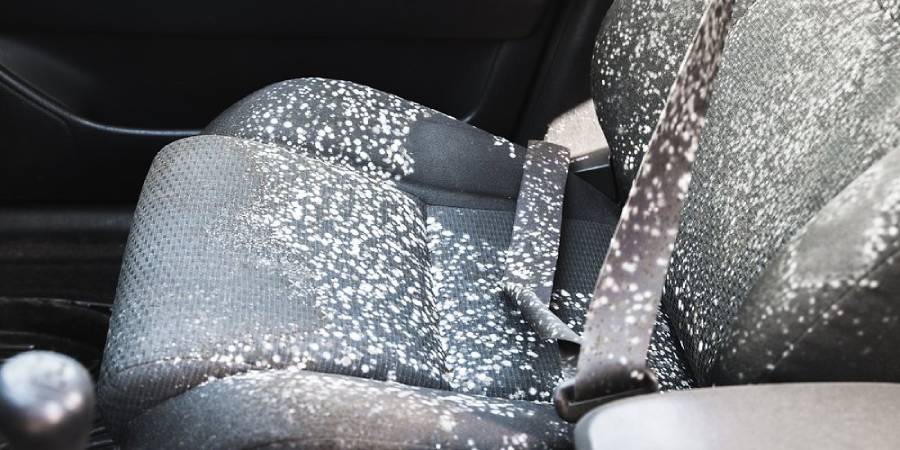
How Do You Remove Mold From a Car Interior?
To remove mold from a car interior, identify the affected areas, eliminate the moisture source, clean contaminated surfaces with material-compatible products, dry the interior completely, and inspect for remaining mold. This five-step process addresses visible mold growth and the damp conditions that allow it to return.
Start by inspecting car seats, carpets, floor mats, door panels, and the trunk for visible mold, musty odors, or trapped moisture. Check for water leaks around door seals, windows, and sunroof drains before cleaning. Wear appropriate protective equipment, including an N95 respirator, gloves, and eye protection, when handling mold-contaminated materials. Avoid dry brushing or using an ordinary household vacuum because these methods can release mold spores into the air.
Clean accessible, nonporous surfaces with a suitable interior cleaner, following the product manufacturer’s instructions. Fabric upholstery, carpeting, and seat padding require additional assessment because mold can penetrate porous materials beyond the visible surface. Severely contaminated carpets, foam padding, or insulation may need replacement rather than surface cleaning.
After cleaning, remove residual moisture using ventilation, fans, or appropriate drying equipment. Check beneath carpets and inside accessible compartments because moisture trapped in these areas can support renewed mold growth. Successful mold removal requires eliminating both the contamination and its underlying moisture source, not simply removing visible stains or covering musty odors.
Is It Safe to Clean Mold From a Car Interior Yourself?
Cleaning mold from a car interior yourself is reasonable only when contamination is limited, accessible, and confined to surfaces that can be cleaned and dried effectively. Extensive mold growth, contaminated porous materials, or recurring moisture problems require professional assessment because surface cleaning may leave hidden fungal growth behind.
Mold exposure can cause nasal congestion, coughing, eye irritation, and allergic reactions. People with asthma, mold allergies, chronic respiratory conditions, or weakened immune systems face additional risks and should avoid performing mold cleanup themselves. Even healthy individuals can experience respiratory irritation when cleaning disturbs contaminated materials and releases airborne spores.
For limited DIY cleaning, wear a properly fitted N95 respirator, protective gloves, and nonvented safety goggles. Work in a well-ventilated area, avoid directing fans across untreated mold, and use cleaning products approved for the affected automotive materials. Never mix bleach with ammonia, vinegar, or other cleaning chemicals, as certain combinations release hazardous gases. Protective equipment reduces exposure but does not eliminate the risks associated with extensive contamination.
Professional mold remediation is the safer option when mold covers multiple interior surfaces, returns after cleaning, or has penetrated seat foam, carpet padding, or ventilation components. Vehicles affected by flooding or prolonged water intrusion also require careful assessment of concealed materials. The decision to clean mold yourself should depend on contamination severity, material condition, and personal health risks, rather than the visible size of mold stains alone.
What Tools and Cleaning Products Do You Need to Remove Mold From a Car?
The tools needed to remove mold from a car interior include protective equipment, a HEPA vacuum, microfiber cloths, soft-bristled brushes, material-compatible cleaning products, and drying equipment. Each serves a specific purpose in controlling exposure, removing contamination, or preventing moisture from remaining inside the vehicle. The appropriate equipment depends on the affected surface, contamination severity, and whether the material can be cleaned without retaining moisture.
A HEPA-filtered vacuum designed for hazardous dust collection can help remove loose particles from suitable surfaces when used with proper containment and protective measures. Ordinary household vacuums are unsuitable because they may release captured mold particles into the surrounding air. Microfiber cloths and soft brushes provide controlled cleaning of hard surfaces, while moisture extractors and dehumidifiers support drying when appropriate. Cleaning equipment used on contaminated materials must also be cleaned or safely discarded afterward to avoid transferring mold to unaffected areas.
What Protective Equipment Should You Wear When Cleaning Car Mold?
Wear a properly fitted N95 respirator, nonvented safety goggles, and protective gloves when cleaning limited mold contamination inside a vehicle. These three protective items reduce inhalation exposure and help prevent mold particles or cleaning chemicals from contacting the eyes and skin.
An N95 respirator filters at least 95% of airborne particles under its specified test conditions when properly fitted, but it does not protect against chemical vapors. Nonvented goggles protect the eyes from airborne particles and cleaning splashes, while nitrile or rubber gloves limit direct contact with contaminated surfaces and cleaning solutions. Long sleeves and washable clothing provide additional skin coverage. Replace damaged protective equipment and wash exposed skin after completing the work.
Protective equipment does not make extensive mold remediation safe for untrained vehicle owners. Large contaminated areas, deeply affected upholstery, and mold inside ventilation components require specialized assessment and controls. Individuals with asthma, significant mold allergies, or weakened immune systems should avoid mold cleanup activities because exposure may aggravate existing health conditions.
Which Cleaning Products Are Safe for Car Interior Materials?
Material-compatible automotive cleaners and mild detergent solutions are appropriate for cleaning mold residue from certain car interior surfaces, provided the contamination is limited and the material can be thoroughly dried. Product selection must account for surface porosity, protective coatings, adhesives, and manufacturer restrictions.
For nonporous surfaces such as hard plastic dashboards, door trim, and certain vinyl components, a mild detergent solution can remove surface contamination through physical cleaning. Apply the solution to a microfiber cloth rather than spraying directly onto electrical switches, displays, or ventilation openings. Wipe away residue and dry the surface immediately to prevent moisture from entering concealed components.
Fabric upholstery and carpeting require cleaners specifically approved for automotive textiles. However, cleaning visible mold from fabric does not establish that contaminated foam or carpet padding is safe to retain. Leather seats require leather-compatible products because strong detergents, solvents, and excessive moisture can damage protective finishes or penetrate seams. Test any cleaner on an inconspicuous area before treating a larger surface.
Household bleach, vinegar, and baking soda should not be considered universal mold-removal solutions for vehicle interiors. Bleach can discolor upholstery and damage certain finishes, while acidic products may affect sensitive materials. Baking soda may help absorb some odors but does not reliably eliminate embedded mold growth. Never combine cleaning chemicals, particularly bleach with acids or ammonia, because hazardous gases can form.
Effective product selection depends on removing contamination without damaging interior materials or introducing additional moisture. Follow the vehicle manufacturer’s care instructions and the cleaning product label. Replace porous components when mold cannot be removed and the material cannot be dried reliably.
How Do You Remove Mold From a Car Interior Step by Step?
Removing mold from a car interior involves three main stages: preparing the contaminated area, cleaning affected materials, and drying the vehicle thoroughly. The process should begin only after determining that the contamination is limited enough for DIY treatment. Mold that has penetrated seat foam, carpet padding, or insulation generally requires professional assessment and removal of affected materials rather than surface cleaning alone.
How Do You Prepare a Moldy Car Interior for Cleaning?
Prepare a moldy car interior by locating contaminated surfaces, identifying the moisture source, removing unaffected loose items, and establishing a safe cleaning area. Proper preparation reduces the risk of spreading contamination and prevents cleaning efforts from failing because of unresolved water intrusion.
Park the vehicle outdoors in a dry, well-ventilated location, away from building entrances and occupied areas. Open the doors to allow fresh air circulation, but avoid directing strong airflow across untreated mold because it can disperse spores. Inspect the seats, floor mats, carpeting, trunk lining, and accessible storage compartments for visible growth, discoloration, or dampness. Lift removable floor mats and examine the carpet underneath, particularly around the footwells and door edges where water commonly accumulates.
Check potential moisture entry points before proceeding. Damaged door weatherstripping, blocked sunroof drains, leaking windshield seals, and wet air-conditioning condensate areas can introduce water into the cabin. For example, a clogged sunroof drain may direct rainwater beneath the front carpet, allowing mold to develop in the underlying padding even when the upper carpet appears dry. Repairing the leak is essential to prevent contamination from returning.
Remove uncontaminated personal belongings and place them in a clean location. Keep visibly moldy removable materials separate to prevent cross-contamination. Wear appropriate respiratory, eye, and hand protection before disturbing affected surfaces. Do not shake contaminated floor mats, dry-brush mold patches, or use compressed air to remove visible growth.
How Do You Clean Mold From Car Interior Surfaces?
Clean mold from suitable car interior surfaces by physically removing contamination with a material-compatible cleaner, using controlled wiping or gentle agitation, and removing the resulting residue. This approach is appropriate for limited contamination on accessible, cleanable surfaces. Mold embedded in porous materials cannot reliably be eliminated through surface treatment alone.
Begin with hard, nonporous components such as plastic door panels, dashboard trim, and vinyl surfaces. Apply a manufacturer-approved interior cleaner or mild detergent solution to a microfiber cloth, then wipe the contaminated area without excessive scrubbing. Use a soft detailing brush only when necessary to reach textured surfaces or narrow crevices, keeping the affected area slightly damp to limit particle dispersal. Remove loosened residue with a clean cloth and repeat the cleaning process if visible contamination remains.
For removable, washable components, follow the manufacturer’s cleaning instructions and verify that the entire material can dry thoroughly. Fabric seats and automotive carpets require additional caution because their porous structure allows moisture and fungal growth to reach underlying layers. For example, a carpet with mold extending into its foam backing may remain contaminated after its visible surface has been shampooed. In this situation, removing and replacing the affected padding is more reliable than repeatedly applying cleaning chemicals.
Avoid saturating upholstery, headliners, or areas containing electrical components. Excess cleaning solution can penetrate seat cushions, weaken headliner adhesives, and collect beneath carpeting. Do not apply bleach or other aggressive household chemicals without confirming material compatibility. Cleaning products should never be mixed, and disinfectant claims should not be treated as proof that embedded mold has been removed.
Use clean cloths for separate areas and prevent contaminated tools from contacting unaffected surfaces. Place disposable cleaning materials in sealed bags for disposal according to local requirements. Reusable tools should be cleaned appropriately before storage. The goal is physical removal of mold contamination, not simply bleaching stains or masking discoloration.
How Do You Dry a Car Interior After Mold Removal?
Dry a car interior after mold removal by eliminating residual water, ventilating the cabin, and checking moisture-retaining materials before reinstalling components. Thorough drying is necessary because damp carpets, upholstery, and insulation provide conditions for mold to grow again.
Start by removing standing water or excess cleaning solution with appropriate extraction equipment. Dry cleaned hard surfaces using microfiber cloths, then use controlled ventilation and dehumidification to remove moisture from the cabin. Fans can support drying after contaminated materials have been removed or properly cleaned, but they should not blow directly across untreated mold. Position drying equipment to encourage airflow through accessible cavities without directing moisture toward electrical connectors or control modules.
Pay particular attention to carpet backing, seat cushions, and insulation beneath the floor covering. These materials retain moisture longer than exposed plastic or vinyl surfaces. For example, the upper surface of a car carpet may feel dry while its underlying padding remains damp against the metal floor pan. When water has penetrated these layers, lifting or removing the carpet may be necessary to inspect and dry the material. Saturated or mold-contaminated padding may require replacement.
Drying time varies according to material thickness, the amount of retained water, airflow, temperature, and humidity. There is no reliable universal drying period for every vehicle. Use a suitable moisture meter where practical, compare readings with unaffected materials, and inspect accessible underlying layers before reassembly. Persistent musty odors, dampness, or renewed visible growth indicate that additional investigation is necessary.
Mold removal is complete only when affected materials have been adequately cleaned or replaced, the interior is dry, and the original moisture problem has been corrected. A final inspection should include the treated surfaces, surrounding materials, and previously damp compartments. If contamination returns or hidden areas cannot be evaluated safely, arrange a professional assessment rather than repeating surface cleaning.
How Do You Remove Mold From Different Car Interior Materials?
Removing mold from different car interior materials requires cleaning methods suited to each surface’s porosity, protective coating, and moisture sensitivity. Fabric seats and carpets absorb water and can support mold growth beneath their surfaces, while leather upholstery, plastic dashboards, and headliners have different cleaning limitations. Selecting the correct method helps remove accessible contamination without damaging the interior or trapping additional moisture.
How Do You Remove Mold From Fabric Car Seats and Carpets?
Remove limited surface mold from fabric car seats and carpets using an upholstery-compatible cleaner and controlled moisture extraction, provided the contamination has not penetrated the underlying foam or padding. Fabric fibers can trap dust, organic debris, and moisture, creating conditions for fungal growth. Mold that extends into seat cushions or carpet underlay is difficult to remove completely without disassembling or replacing the affected materials.
Inspect the fabric surface for visible mold and check whether moisture has reached the underlying layers. Removable floor mats can be examined separately, while fixed carpeting may need to be lifted to inspect the backing and floor insulation. For example, rainwater entering through a damaged door seal can collect beneath the carpet, allowing mold to develop in the padding before visible stains appear on the upper surface.
For minor contamination confined to cleanable upholstery, follow the fabric manufacturer’s cleaning instructions and use a compatible upholstery product. Apply the cleaner sparingly, gently work it into the affected surface with a soft cloth or suitable brush, and extract residual moisture using equipment approved for the material. Avoid aggressive scrubbing because it can damage fabric fibers and spread contaminated particles. A household vacuum without appropriate HEPA filtration should not be used on moldy upholstery.
Carpet padding and seat foam require particular attention because their porous structure can retain moisture and contamination beyond the reach of surface cleaners. Replace mold-contaminated foam or padding when thorough cleaning and drying cannot be achieved. Repeated shampooing or steam cleaning is not a reliable substitute for removing deeply contaminated material and may introduce additional moisture.
How Do You Remove Mold From Leather Car Seats?
Remove limited mold contamination from finished leather car seats using a manufacturer-approved leather cleaner, a soft microfiber cloth, and minimal moisture. Finished automotive leather typically has a protective surface coating that allows gentle cleaning, but excessive water, strong solvents, and abrasive brushes can damage the finish or penetrate stitching and perforations.
Start by identifying the seat material because genuine leather, synthetic leather, suede, and Alcantara require different care methods. Most modern automotive leather seats have protective coatings, while unfinished or specialty leather surfaces are more sensitive to cleaning chemicals. Test the selected product on an inconspicuous area before treating visible contamination.
Apply a small amount of leather-compatible cleaner to a microfiber cloth rather than directly saturating the seat. Gently wipe the affected surface, paying attention to seams and textured areas where residue can accumulate. Remove loosened contamination with a separate clean cloth and dry the treated area according to the product instructions. Avoid household bleach, concentrated alcohol, and abrasive cleaning pads unless the material manufacturer specifically approves their use.
Perforated leather seats require additional caution because cleaning liquid can enter the holes and reach the underlying foam. For example, ventilated seats contain perforations and internal air channels that make moisture penetration particularly problematic. If mold is present beneath the leather covering, around deep seams, or inside the cushion, professional assessment may be necessary to determine whether the affected components can be retained.
Surface cleaning is appropriate only when mold is confined to the cleanable leather finish. Mold embedded in the backing, stitching, or foam cannot be reliably removed by applying leather conditioner or repeatedly wiping the visible surface. Leather conditioners should be used only when recommended for the specific material and after cleaning and drying are complete.
How Do You Remove Mold From Car Dashboard and Headliner?
Remove mold from a car dashboard using gentle cleaning methods suitable for hard interior trim, while treating a moldy headliner more cautiously because its fabric, foam backing, and adhesive layers are vulnerable to moisture damage. These surfaces differ in construction, so the same cleaning technique should not be applied to both.
For dashboards, center consoles, and plastic door panels, use a mild detergent solution or an automotive interior cleaner approved for the surface. Apply the product to a microfiber cloth and wipe accessible contamination without flooding seams or openings. Textured plastic can be cleaned with a soft detailing brush when necessary, followed by wiping away loosened residue. Keep cleaning liquids away from instrument clusters, touchscreen edges, electrical switches, and air vents to prevent damage to electronic components.
A car headliner usually consists of a fabric-facing layer bonded to foam or a rigid backing board. Excess moisture can weaken the adhesive, causing the fabric to sag, separate, or develop permanent stains. Minor contamination on a cleanable surface may be addressed with a headliner-compatible product applied sparingly to a cloth, provided the backing remains unaffected. Avoid soaking, steam saturation, and forceful scrubbing because these methods can damage the layered construction.
Mold extending into the headliner’s foam backing or adhesive layer generally requires professional evaluation and may justify replacement. For example, a leaking sunroof can saturate the headliner around its opening, allowing fungal growth to spread behind the visible fabric. Cleaning the exposed surface will not resolve contamination concealed within the backing or the water leak responsible for it.
The correct cleaning method depends on whether mold is restricted to an accessible surface or has penetrated the material’s internal structure. Hard plastic trim is generally easier to clean because it is nonporous, whereas fabric-backed headliners and padded interior panels may retain contamination beneath their outer surfaces.
How Do You Remove Mold Smell From a Car Interior?
Remove mold smell from a car interior by eliminating contaminated materials, addressing hidden moisture, and cleaning affected surfaces and ventilation components. A persistent musty odor indicates that moisture or microbial contamination may remain inside the vehicle, even when visible mold has been removed. Air fresheners and deodorizing sprays only mask odors and do not eliminate their underlying source.
Start by identifying where the smell is strongest. Musty odors concentrated near the floor often originate from damp carpeting, underlay, or insulation, while odors that become noticeable when the air conditioning starts may indicate moisture or contamination within the HVAC system. Inspect the cabin air filter, evaporator housing, and accessible air intake areas for signs of moisture accumulation. A contaminated cabin air filter should be replaced, but filter replacement alone will not resolve mold growth elsewhere in the ventilation system.
After removing contaminated materials, clean accessible surfaces using products approved for the affected components. Dry the cabin thoroughly and maintain adequate ventilation to remove residual moisture. Activated charcoal products may absorb certain airborne odors, but they do not remove mold colonies or replace cleaning. Ozone generators should not be used as a substitute for mold remediation because ozone can irritate the respiratory system and does not reliably eliminate contamination embedded in porous materials.
A lasting solution requires removing the odor source rather than covering the smell. If the musty odor persists after cleaning and drying, inspect concealed areas such as carpet padding, seat foam, trunk insulation, and HVAC components. Professional inspection may be necessary when the source cannot be identified without dismantling interior components.
What Causes Mold to Grow Inside a Car?
Mold grows inside a car when moisture accumulates on materials that contain organic matter, such as fabric upholstery, carpet fibers, dust, and interior padding. The four primary contributing factors are water intrusion, condensation, retained moisture in absorbent materials, and inadequate drying. These conditions allow fungal spores already present in the environment to germinate and develop into visible colonies.
Water intrusion is a major cause of interior mold because damaged seals and blocked drainage channels allow rainwater to enter concealed areas. Common entry points include door weatherstripping, windshield seals, sunroof drainage tubes, and trunk seals. For example, a blocked sunroof drain can redirect rainwater into the vehicle’s pillars and footwells, soaking the carpet padding without leaving an obvious puddle on the surface. Mold can then develop beneath the carpeting while the exposed fabric appears relatively dry.
Condensation contributes to mold growth when humid cabin air contacts cooler surfaces and deposits moisture. This occurs when temperature differences create condensation on windows and other interior surfaces, particularly in vehicles with poor ventilation or prolonged humidity exposure. A blocked air-conditioning condensate drain can also allow water to accumulate around the HVAC housing or passenger footwell. Unlike ordinary window condensation, a drainage malfunction can continuously introduce moisture into concealed vehicle components.
Absorbent materials increase the duration of moisture exposure because they retain water after the initial leak or spill. Carpet underlay, seat foam, fabric upholstery, and sound insulation can remain damp after exposed surfaces have dried. Mold growth can begin within approximately 24–48 hours under favorable moisture and temperature conditions, although the exact timing varies with the material and environment. This explains why promptly drying a wet car interior is essential after flooding, rainwater intrusion, or spilled liquids.
The underlying cause of car interior mold is persistent moisture rather than a lack of routine surface cleaning. Removing dust and debris reduces available organic material, but mold will return when leaks, trapped water, or drainage problems remain unresolved. Identifying and correcting the moisture source is therefore necessary for long-term prevention.
Can Mold Inside a Car Affect Your Health?
Mold inside a car can affect your health by triggering allergic reactions, irritating the respiratory system, and worsening existing asthma symptoms. Exposure occurs when occupants inhale airborne mold spores, fungal fragments, and other particles released from contaminated interior materials. The severity of these effects depends on individual sensitivity, exposure conditions, and underlying health conditions.
Common symptoms associated with mold exposure include sneezing, nasal congestion, coughing, wheezing, itchy eyes, and throat irritation. People with mold allergies may experience symptoms when exposed to relatively small amounts of airborne fungal material, while individuals with asthma can develop increased airway inflammation or breathing difficulties. Mold exposure does not affect everyone equally, and the presence of visible mold does not establish that a particular symptom was caused by the vehicle.
People with weakened immune systems or chronic respiratory diseases face additional concerns because certain fungal exposures can contribute to more serious health complications. Children and other sensitive passengers may also experience respiratory irritation in contaminated environments. Mold color alone does not reliably indicate toxicity or health risk, so black, green, and white mold should not be classified as safe or dangerous based solely on appearance.
The safest approach is to address visible mold and persistent moisture before regularly using the vehicle. Individuals who develop recurring respiratory symptoms associated with time spent inside a mold-contaminated car should consult a healthcare professional. Extensive contamination warrants professional assessment rather than continued exposure during repeated DIY cleaning attempts.
Read more: How Do You Clean Suede Car Seats Safely?
When Should You Hire a Professional to Remove Mold From a Car?
Hire a professional to remove mold from a car when contamination is extensive, repeatedly returns after cleaning, affects concealed interior materials, or involves components that cannot be safely cleaned and dried. Professional assessment is particularly important after flooding, prolonged water intrusion, or contamination involving seat foam, carpet underlay, insulation, and ventilation systems.
Widespread mold growth across multiple interior surfaces suggests that moisture may have penetrated beyond the visible upholstery. For example, a vehicle left with standing water in the footwells may develop mold beneath the carpeting, inside sound insulation, and around seat mounting points. Cleaning the exposed carpet does not address contamination trapped against the floor pan. A qualified professional can determine which components require removal, cleaning, or replacement.
Recurring mold is another reason to seek professional assistance. If visible growth or musty odors return after cleaning and drying, the vehicle may have an unresolved leak, contaminated padding, or hidden moisture accumulation. Automotive technicians can inspect weatherstripping, sunroof drainage systems, air-conditioning condensate drains, and other potential water entry points. Addressing these mechanical problems is necessary before remediation can provide a lasting result.
Mold involving the HVAC system requires specialized attention because the evaporator housing, air ducts, and ventilation components are difficult to inspect without disassembly. Professional HVAC cleaning may be appropriate when contamination is confirmed, but replacing the cabin air filter or spraying deodorizer into the vents does not resolve mold growing elsewhere in the system.
Choose a service provider based on the contamination involved rather than relying on ordinary interior detailing alone. Automotive detailers may handle limited surface cleaning, while extensive contamination requires specialists experienced in mold remediation and vehicle interior disassembly. Before approving the work, ask whether the service includes moisture-source identification, inspection of concealed materials, replacement of contaminated porous components when necessary, and verification that affected areas are dry.
Professional remediation costs vary according to vehicle size, contamination severity, labor requirements, and the number of components requiring replacement. Request a written assessment describing the affected areas and proposed cleaning or replacement procedures. A reliable service should explain the limitations of treatment rather than guarantee complete mold elimination through a single chemical spray or odor-removal procedure.
How Can You Prevent Mold From Returning to a Car Interior?
Prevent mold from returning to a car interior by repairing water leaks, controlling cabin humidity, drying wet materials promptly, and inspecting areas where moisture can accumulate. Long-term prevention depends on keeping upholstery, carpeting, insulation, and concealed compartments dry rather than relying on antimicrobial sprays or odor-control products.
Water leak prevention is the first priority because even a small amount of recurring moisture can support mold growth beneath interior surfaces. Inspect door weatherstripping, windshield seals, trunk seals, and sunroof drainage channels for damage or blockage. Clear clogged drains according to the vehicle manufacturer’s instructions and repair deteriorated seals before water reaches the cabin. For example, a damaged door seal may allow rainwater to collect beneath the front passenger carpet, creating persistent dampness despite repeated surface cleaning.
Keep interior humidity under control by maintaining proper ventilation and removing moisture from the cabin after wet-weather driving. Air conditioning helps reduce humidity by condensing moisture from cabin air, provided the HVAC system and condensate drain function correctly. When weather conditions permit, ventilate the vehicle to release trapped moisture. In humid climates, a suitable automotive moisture absorber can help manage minor condensation, but it cannot compensate for water leaks or saturated upholstery.
Wet floor mats, carpets, and seat covers should be dried as soon as possible. Remove damp floor mats from the vehicle and allow them to dry completely before reinstalling them. After heavy rain, flooding, or accidental spills, inspect the carpet backing and underlying padding rather than checking only the exposed surface. Porous materials that remain wet for approximately 24–48 hours under favorable conditions can begin supporting mold growth, making prompt moisture removal essential.
Regular interior maintenance also reduces the accumulation of dust, food particles, and organic debris that provide nutrients for fungal growth. Vacuum dry, uncontaminated carpeting and upholstery using suitable equipment, clean spilled beverages promptly, and avoid leaving damp clothing or towels inside a parked vehicle. Replace a dirty cabin air filter according to the manufacturer’s maintenance schedule, and investigate persistent HVAC odors instead of masking them with fragrances.
Inspect the vehicle for moisture after water leaks, heavy rainfall, flooding, or prolonged storage in humid conditions. Pay particular attention to footwells, trunk compartments, spare tire wells, and areas beneath removable floor mats. These locations can retain water without obvious signs on visible interior surfaces. If condensation repeatedly develops on the windows or a musty smell returns, investigate the moisture source before visible mold reappears.
Maintaining a dry interior protects upholstery, electrical components, and interior insulation while reducing the conditions necessary for mold growth. The most effective long-term prevention strategy is to eliminate water intrusion and trapped moisture before fungal contamination develops again.