Seeing the check engine light appear on your Honda can create immediate concern, especially when an OBD-II scanner reveals the Honda P0420 Code. Many drivers assume this warning means their catalytic converter has completely failed and that they are facing an expensive repair bill. However, the reality is more complex. A P0420 code indicates that the catalytic converter efficiency is below the expected threshold, but the actual cause can come from several different components within the exhaust and engine management systems.
Understanding why the Honda P0420 Code appears is the first step toward making the right repair decision. In some cases, the issue may be related to a failing catalytic converter, but problems such as faulty oxygen sensors, exhaust leaks, engine misfires, or fuel system issues can also trigger the same diagnostic trouble code.
This guide explains everything you need to know about Honda P0420 Code, including its meaning, common symptoms, possible causes, accurate diagnosis methods, repair options, and potential costs. By learning how this system works, Honda owners can avoid unnecessary part replacements, reduce repair expenses, and protect their vehicle’s long term performance.
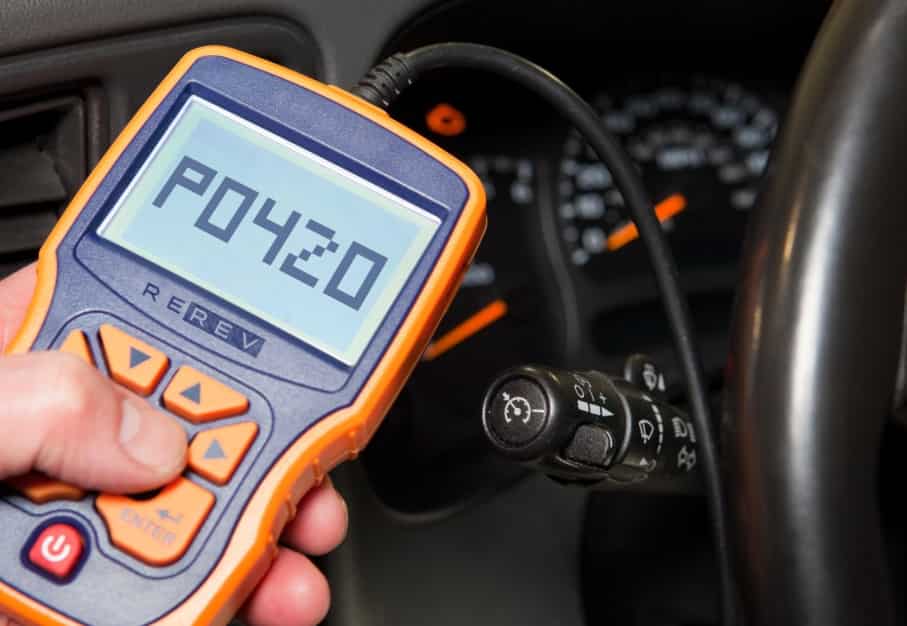
What Does Honda P0420 Code Mean?
The Honda P0420 Code is an OBD-II diagnostic trouble code that means the catalytic converter efficiency is below the threshold expected by the vehicle’s Engine Control Module (ECM). In simple terms, the ECM has detected that the catalytic converter is not reducing exhaust emissions as effectively as it should. This system is designed to monitor the performance of the emissions control system and ensure the vehicle meets required environmental standards.
The catalytic converter plays an important role in converting harmful exhaust gases into less harmful emissions. It uses internal catalyst materials to process pollutants such as hydrocarbons, carbon monoxide, and nitrogen oxides before they leave the exhaust system. Honda vehicles use oxygen sensors placed before and after the catalytic converter to measure exhaust oxygen levels and determine whether the converter is working properly.
When the upstream and downstream oxygen sensor readings are too similar, the ECM may determine that the catalytic converter is not performing efficiently. This condition triggers the Honda P0420 Code and activates the check engine light.
However, this code does not always mean the catalytic converter itself has failed. A damaged oxygen sensor, exhaust leak, engine performance problem, or incorrect fuel mixture can also create inaccurate readings and cause the same warning. Proper diagnosis is essential because replacing a catalytic converter without identifying the real problem can result in unnecessary repair costs.
Understanding the meaning behind Honda P0420 Code helps vehicle owners make better decisions and choose the correct repair approach instead of replacing expensive components without confirmation.
Common Symptoms of Honda P0420 Code
The symptoms of Honda P0420 Code depend on the condition of the catalytic converter and related components. Some Honda owners notice clear performance changes. Others only find the problem after an OBD-II scan or an emissions test.
The most common symptom is the check engine light. The Engine Control Module turns on this warning when it detects low catalytic converter efficiency. Many drivers continue using their vehicles because they do not notice any major changes. However, ignoring the warning can allow the problem to become more serious.
Reduced fuel economy is another common symptom. Faulty oxygen sensor readings can affect how the engine controls fuel delivery. This may cause the engine to burn more fuel than normal. Over time, drivers may notice more frequent trips to the gas station.
Some Honda vehicles with P0420 Code may experience slower acceleration or reduced engine performance. These problems often appear when the exhaust system cannot operate efficiently. A damaged catalytic converter can also create a sulfur or rotten egg smell from the exhaust.
Another possible sign is a failed emissions test. The catalytic converter may not remove harmful pollutants effectively when its efficiency drops. This can cause the vehicle to exceed emissions limits.
Not every Honda with P0420 Code will show the same symptoms. Some vehicles only display a warning light without noticeable driving problems. Early inspection helps identify the real cause and prevents unnecessary repair costs.
What Causes Honda P0420 Code?
The Honda P0420 Code does not always point directly to a failed catalytic converter. This code only tells the ECM that the catalytic converter efficiency has dropped below the expected level. The real cause can come from several parts of the vehicle’s exhaust and engine systems.
A failing catalytic converter is one of the most common causes. Over time, the internal catalyst materials can wear out or become contaminated. Poor maintenance, engine problems, or excessive fuel entering the exhaust system can reduce its ability to clean harmful emissions.
Faulty oxygen sensors can also trigger Honda P0420 Code. These sensors monitor oxygen levels before and after the catalytic converter. When a sensor sends incorrect data, the ECM may receive inaccurate information about converter performance. This can create a false efficiency warning.
An exhaust leak can cause similar problems. Leaks near the exhaust manifold, pipes, or catalytic converter can allow extra oxygen to enter the system. This changes sensor readings and may cause the ECM to detect an efficiency problem.
Engine issues can also lead to P0420. Problems such as engine misfires, incorrect fuel mixtures, or damaged fuel injectors can send unburned fuel into the exhaust. This extra fuel can damage the catalytic converter over time.
Many drivers replace the catalytic converter immediately after seeing a P0420 code. However, this approach may not solve the problem if another component caused the issue. Accurate diagnosis helps identify the real source and prevents unnecessary repair expenses.
How to Diagnose Honda P0420 Code Correctly
A proper diagnosis is important before replacing any expensive parts. The Honda P0420 Code can come from several different problems, so technicians need to check the entire emissions system. Replacing the catalytic converter without finding the real cause can lead to unnecessary costs.
The first step involves scanning the vehicle with an OBD-II scanner. This tool reads stored trouble codes and provides important information from the ECM. Technicians can review freeze frame data to understand the engine conditions when the code appeared.
The next step is checking the oxygen sensors. Honda vehicles use upstream and downstream oxygen sensors to monitor catalytic converter performance. A technician can compare sensor readings through live data to determine if the sensors work correctly. Unstable or incorrect readings may indicate a sensor problem rather than a catalytic converter failure.
The exhaust system should also be inspected for leaks. Even a small leak near the exhaust manifold or catalytic converter can affect oxygen sensor readings. This issue can make the ECM believe that the converter has low efficiency.
Technicians may also check for engine problems that could damage the catalytic converter. Misfires, fuel mixture issues, and poor combustion can create conditions that reduce converter performance.
A complete diagnosis helps separate a true catalytic converter failure from other possible causes. By identifying the source of the Honda P0420 Code first, vehicle owners can choose the correct repair and avoid spending money on unnecessary replacements.
How to Fix Honda P0420 Code and Repair Options
The correct repair for Honda P0420 Code depends on the actual cause of the problem. A proper diagnosis should always come before replacing any major component. Different issues can create the same code, so the repair method must match the source of the failure.
If an exhaust leak causes the problem, repairing the damaged area may restore normal system operation. Technicians usually inspect the exhaust manifold, pipes, and connections to find leaks that affect oxygen sensor readings.
A faulty oxygen sensor may also require replacement. These sensors play an important role in monitoring catalytic converter efficiency. When they provide incorrect information, the ECM may trigger a false P0420 warning.
Some Honda vehicles develop P0420 because of engine performance problems. Issues such as misfires, poor fuel delivery, or incorrect air and fuel mixtures should be repaired before installing a new catalytic converter. Fixing these problems can prevent further damage to the emissions system.
In cases where the catalytic converter has lost its ability to reduce emissions, replacement may become necessary. The cost can vary depending on the Honda model, part quality, and labor expenses. OEM catalytic converters usually provide better durability, while some aftermarket options offer lower prices.
Using a diagnostic approach helps Honda owners avoid unnecessary repairs. The goal is not only to clear the Honda P0420 Code but also to fix the underlying issue and prevent the warning from returning.
Honda P0420 Repair Cost: What Should You Expect?
The repair cost for Honda P0420 Code depends on the actual cause and the parts that need replacement. Some repairs require only a small investment, while others can become expensive if the catalytic converter has failed. A proper diagnosis helps owners avoid paying for unnecessary repairs.
The first cost to consider is a diagnostic inspection. Many repair shops charge a fee for scanning the vehicle and checking the emissions system. This process helps identify whether the problem comes from the catalytic converter, oxygen sensors, exhaust leaks, or engine issues.
Replacing a faulty oxygen sensor usually costs less than replacing a catalytic converter. The final price depends on the Honda model, sensor quality, and labor rates. Exhaust repairs can also vary because small leaks may require simple fixes, while larger problems may need more extensive work.
Catalytic converter replacement represents the highest repair cost for most Honda vehicles. The price can increase depending on whether the owner chooses an OEM part or an aftermarket option. Labor costs also affect the final bill because some Honda models have easier access to the catalytic converter than others.
Many drivers try to save money by replacing parts based only on the P0420 code. This approach can create extra expenses if the real cause remains unresolved. A complete diagnosis provides a clearer repair plan and helps protect the vehicle from repeated problems.
Understanding the possible costs allows Honda owners to make better decisions and choose the most effective solution for their specific situation.
Can You Drive a Honda With P0420 Code?
Many Honda owners wonder if they can continue driving after seeing the Honda P0420 Code. In most cases, the vehicle can still operate normally for a short period. However, ignoring the warning for a long time may create bigger problems and higher repair costs.
The P0420 code usually relates to the emissions system rather than an immediate engine failure. If the vehicle runs smoothly and the check engine light stays steady, short trips may not cause serious damage. However, drivers should schedule a proper inspection to find the real cause.
Driving with P0420 becomes more concerning when other symptoms appear. A flashing check engine light, engine misfires, strong exhaust smells, or noticeable power loss may indicate a more serious problem. These issues can damage the catalytic converter or affect other engine components.
A failing catalytic converter can also reduce fuel efficiency over time. When the converter cannot process exhaust gases correctly, the vehicle may produce higher emissions and consume more fuel. Some regions may also require emissions testing, and a vehicle with this code may fail the inspection.
The safest approach is to diagnose the Honda P0420 Code as soon as possible. Early inspection helps identify simple problems before they become expensive repairs. By addressing the issue quickly, Honda owners can maintain reliable performance and protect the vehicle’s emissions system.
Honda Models Commonly Affected by P0420 Code
The Honda P0420 Code can appear on many different Honda models because they use similar emissions monitoring systems. The code does not belong to one specific vehicle type. It can affect compact cars, sedans, SUVs, and family vehicles with gasoline engines.
The Honda Civic is one of the most common models associated with P0420. Many Civic owners report this code as their vehicles gain higher mileage. Aging catalytic converters, oxygen sensor issues, and exhaust leaks are common areas that require inspection.
The Honda Accord can also experience P0420 problems. Since the Accord uses advanced engine management systems, the ECM closely monitors emissions performance. A small issue with the catalytic converter or oxygen sensors can trigger the warning light.
Honda CR-V owners may also encounter this code. Driving conditions, mileage, and maintenance history can influence catalytic converter performance. Regular maintenance helps reduce the risk of emissions system problems.
Other models, including the Honda Odyssey and Honda Pilot, can develop P0420 issues as well. Larger vehicles often experience different driving patterns, which may affect exhaust system performance over time.
Although the same code appears across different Honda models, the repair solution may vary. Factors such as engine design, vehicle age, mileage, and previous maintenance can change the diagnosis. Checking the specific model and year helps technicians identify the most likely causes and choose the correct repair method.
Understanding how Honda P0420 Code affects different vehicles allows owners to approach the problem with better information and avoid unnecessary part replacements.
How to Prevent Honda P0420 Code From Coming Back
Preventing Honda P0420 Code from returning starts with maintaining the entire engine and emissions system. The catalytic converter depends on many connected components to work properly. A small issue in the engine or exhaust system can reduce converter performance over time.
Regular maintenance plays an important role in protecting the catalytic converter. Changing engine oil on schedule helps prevent contamination that can affect emissions components. Keeping the fuel system clean also supports better combustion and reduces stress on the exhaust system.
Honda owners should also address engine problems as soon as they appear. Issues such as engine misfires, rough idling, or poor fuel economy can send unburned fuel into the exhaust. This extra fuel can overheat and damage the catalytic converter.
Monitoring oxygen sensor performance is another important step. These sensors provide data that helps the ECM control emissions. A weak or failing oxygen sensor can create inaccurate readings and trigger another P0420 warning.
Using quality fuel and following the recommended maintenance schedule can also reduce emissions system problems. Drivers should avoid ignoring warning lights because small issues often become more expensive when left untreated.
The best way to prevent Honda P0420 Code from returning is to fix the original cause instead of only clearing the warning light. Proper diagnosis, regular maintenance, and early repairs help maintain catalytic converter efficiency and keep the vehicle running reliably for many years.
Conclusion
The Honda P0420 Code does not always mean that you need an immediate catalytic converter replacement. This warning indicates that the catalytic converter efficiency has dropped below the expected level, but several different issues can create the same problem. Faulty oxygen sensors, exhaust leaks, engine misfires, and fuel system problems can all affect emissions performance.
Finding the real cause is the most important step before choosing a repair. A proper diagnosis helps Honda owners avoid unnecessary expenses and ensures that the correct component receives attention. In some cases, a simple sensor replacement or exhaust repair can solve the problem. In other situations, a damaged catalytic converter may require replacement.
Ignoring the Honda P0420 Code for too long can lead to reduced fuel economy, failed emissions tests, and more expensive repairs in the future. Regular maintenance, quick attention to engine problems, and proper inspection can help prevent the issue from returning.
If your Honda has triggered a P0420 code, check the vehicle’s model year, mileage, and symptoms before deciding on a repair. Share your Honda model and your experience with this code to help other drivers understand possible solutions.