Have you ever started your Honda CR-V, pressed the parking brake button, and found that the vehicle still cannot move? A Honda CR-V parking brake stuck problem can create stress when you need your vehicle for work, family trips, or daily activities.
Modern Honda CR-V models use an Electronic Parking Brake (EPB) instead of a traditional handbrake. The system uses an electric actuator, control module, sensors, and rear brake components to secure the vehicle. When one of these parts develops a problem, the parking brake may stay engaged.
Many drivers assume that a stuck parking brake always means an expensive repair. However, some cases come from simple issues such as a weak battery, low voltage, or a temporary electronic error. Other situations may involve damaged brake components or a faulty EPB actuator that needs professional inspection.
Finding the correct cause helps you avoid unnecessary repairs and restore your vehicle safely. This guide explains why a Honda CR-V parking brake gets stuck, how to troubleshoot the issue, how to reset the electronic parking brake, and how to prevent future problems.
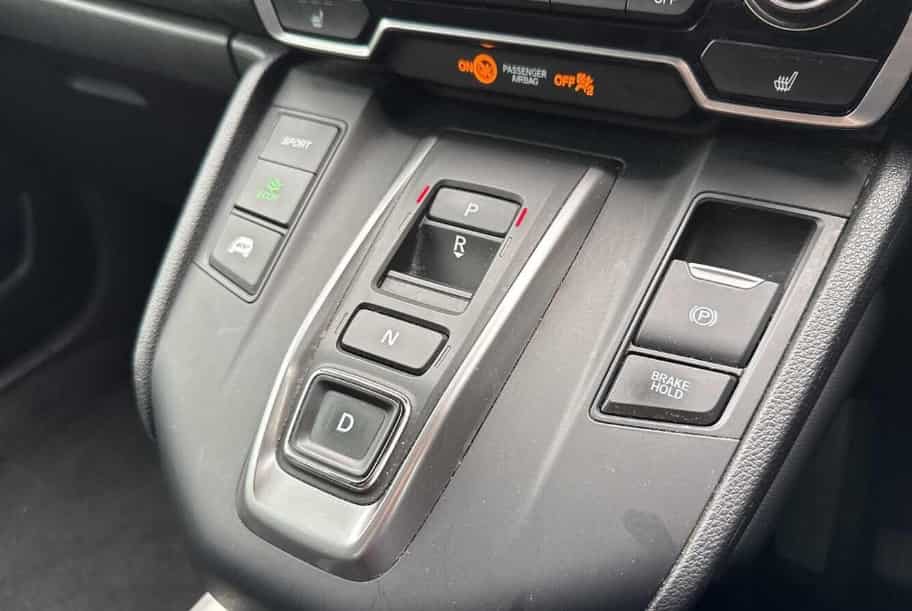
What Does It Mean When a Honda CR-V Parking Brake Is Stuck?
A Honda CR-V parking brake stuck problem means the electronic parking brake system cannot complete the release or engagement process correctly. When the system works normally, the driver can activate or release the parking brake with the EPB switch. The vehicle uses electronic signals to control the electric actuator, which applies or releases the rear brakes.
When a problem occurs, the parking brake may remain locked even after the driver presses the release button. Some drivers may notice an EPB warning light, a brake system message, or unusual sounds from the rear of the vehicle. In some cases, the Honda CR-V may start normally, but the wheels remain restricted because the parking brake still holds the rear brake components.
Modern Honda CR-V models use a more advanced braking system than older vehicles with manual handbrakes. The Electronic Parking Brake depends on communication between several parts, including the EPB switch, control module, sensors, actuator motor, and rear brake assembly. A failure in any part of this system can prevent normal operation.
Drivers often mistake this issue for a complete brake failure. However, a stuck parking brake usually affects the parking brake function rather than the main braking system. Identifying the symptoms early helps owners understand the problem and choose the right solution before the issue creates bigger repair costs.
Why Is My Honda CR-V Parking Brake Stuck? Common Causes Explained
A Honda CR-V parking brake stuck issue can happen for several reasons. The problem does not always come from a damaged brake component. In many cases, electrical problems, low battery power, or temporary system errors can stop the Electronic Parking Brake (EPB) from working correctly.
One common cause involves a weak or failing battery. The Honda CR-V EPB needs stable electrical power to operate the actuator motor. When the battery voltage drops, the system may not receive enough power to release the parking brake. Drivers often experience this problem after replacing the battery, leaving the vehicle unused for a long period, or starting the car with an aging battery.
Another possible cause involves the EPB actuator. This small motor controls the parking brake mechanism at the rear wheels. Over time, the actuator can develop mechanical wear or electrical faults. When the actuator cannot respond to commands, the parking brake may stay engaged.
Rear brake problems can also create a stuck parking brake condition. Rust, dirt buildup, or a sticking brake caliper can prevent the rear brake components from moving freely. This issue becomes more common when a vehicle sits unused for extended periods.
Some Honda CR-V owners may also experience EPB problems caused by sensor errors or control module communication issues. These electronic faults can trigger warning messages and require diagnostic tools to identify the exact cause.
How to Fix a Honda CR-V Parking Brake That Won’t Release
When a Honda CR-V parking brake will not release, drivers should check the simplest causes first. A careful inspection can help identify the problem and prevent unnecessary repairs. Some issues require only a basic reset, while others need professional service.
Start by checking the vehicle battery. A weak battery often causes Electronic Parking Brake (EPB) problems because the system needs enough electrical power to operate the actuator. Look for other signs of low battery power, such as slow engine cranking, dim lights, or electronic system errors.
Next, turn the vehicle off and restart the system. A temporary electronic error can sometimes affect the EPB operation. Place the vehicle in a safe position, press the brake pedal firmly, and try to release the parking brake again. This simple step may solve minor system glitches.
Drivers should also check the dashboard for warning messages. The Honda CR-V may display EPB warnings, brake system alerts, or other indicators when the system detects a problem. These messages provide important information about possible electrical or mechanical issues.
If the parking brake remains stuck, use a diagnostic scanner to check for error codes. A professional technician can identify problems with the actuator, control module, sensors, or rear brake components.
Avoid forcing the vehicle to move while the parking brake remains engaged. This action can damage the brake system and increase repair costs. A proper diagnosis helps protect your Honda CR-V and keeps the braking system safe.
Honda CR-V Electronic Parking Brake Reset Methods
A Honda CR-V electronic parking brake reset can help solve some temporary EPB problems. The reset process allows the system to restart communication between the EPB switch, control module, and actuator. However, a reset will not repair damaged components such as a faulty actuator motor or a worn brake mechanism.
The first method involves a basic power cycle. Turn off the vehicle, wait for a short period, and restart the engine. Press the brake pedal firmly and try to operate the EPB switch again. This method may help when the system experiences a temporary electronic error.
Some Honda CR-V owners may need an EPB reset after battery replacement. Disconnecting or replacing the battery can affect electronic systems because the vehicle loses stored power and communication settings. In certain cases, the EPB system may need recalibration before it works normally again.
A professional diagnostic tool can perform a more advanced reset when basic methods do not work. Technicians use these tools to access the brake control module, check error codes, and complete system calibration when necessary.
Drivers should remember that an EPB reset only addresses electronic communication problems. If the Honda CR-V parking brake remains stuck after a reset, the issue may involve a mechanical failure. A damaged actuator, brake caliper problem, or wiring fault requires further inspection and repair.
Honda CR-V Parking Brake Repair Cost and Replacement Considerations
The repair cost for a Honda CR-V parking brake stuck problem depends on the actual cause of the failure. Some drivers may only need a simple battery replacement or system reset, while others may face higher costs if the Electronic Parking Brake (EPB) components require replacement.
A battery related problem usually creates the lowest repair expense. If the vehicle has low voltage or an aging battery, replacing the battery may restore normal EPB operation. However, technicians should inspect the electrical system to confirm that the battery caused the problem.
A faulty EPB actuator can create a more expensive repair. The actuator controls the parking brake mechanism at the rear wheels, and replacement requires both parts and labor. The final cost depends on the Honda CR-V model year, local repair rates, and whether the owner chooses a dealership or an independent repair shop.
Rear brake problems can also increase repair costs. A sticking brake caliper, damaged wiring, or control module issue may require additional diagnosis before the technician can complete the repair.
Many Honda CR-V owners worry about unexpected repair bills because they cannot determine the severity of the problem. Getting an accurate diagnosis before replacing parts helps avoid unnecessary expenses. Professional inspection becomes especially important when the parking brake stays locked, warning lights appear, or basic reset methods fail.
How to Prevent Honda CR-V Parking Brake Problems
Preventing a Honda CR-V parking brake stuck problem starts with regular maintenance and early attention to warning signs. The Electronic Parking Brake (EPB) system relies on electrical and mechanical components that need proper care to work reliably over time.
Battery maintenance plays an important role in EPB performance. A weak battery can reduce the power available for the actuator motor and other electronic systems. Drivers should check battery condition regularly, especially when the vehicle shows slow starting, dim lights, or unusual electrical behavior.
Using the vehicle regularly can also help prevent parking brake issues. A Honda CR-V that stays parked for long periods may develop brake component problems due to moisture, rust, or reduced movement in the rear brake system. Regular driving allows the brake components to operate normally and reduces the chance of sticking.
Owners should also follow the recommended brake service schedule. Technicians can inspect the rear brakes, check the actuator operation, and identify early signs of wear before they become major problems.
Ignoring warning messages can lead to more serious repairs. When the Honda CR-V displays an EPB warning light or brake system alert, drivers should investigate the issue as soon as possible. Early diagnosis often saves money and helps maintain safe vehicle operation.
Simple habits, regular inspections, and proper battery care can significantly reduce the risk of future Honda CR-V parking brake problems.
Frequently Asked Questions About Honda CR-V Parking Brake Stuck
Why is my Honda CR-V parking brake stuck?
A Honda CR-V parking brake can get stuck because of several issues, including low battery voltage, EPB actuator failure, rear brake problems, or electronic system errors. Checking the warning messages and battery condition can help identify the possible cause.
How do I release a stuck Honda CR-V parking brake?
Start by checking the battery power and restarting the vehicle. Press the brake pedal firmly and try to release the EPB using the parking brake switch. If the system does not respond, a diagnostic scan may help find the problem.
Can a weak battery cause Honda CR-V parking brake problems?
Yes, a weak battery can affect the Electronic Parking Brake system. The EPB requires stable electrical power to operate the actuator motor. Low voltage can prevent the parking brake from releasing correctly.
How much does it cost to fix a Honda CR-V electronic parking brake?
The repair cost depends on the cause of the problem. A battery replacement or basic reset may cost less, while actuator replacement or brake system repairs can require more time and expense.
Can I drive with a stuck Honda CR-V parking brake?
Driving with a stuck parking brake is not recommended. Moving the vehicle while the brake remains engaged can damage brake components and create safety risks. Drivers should diagnose the issue before continuing to use the vehicle.
Conclusion
A Honda CR-V Parking Brake Stuck problem can come from different sources, including battery issues, electronic failures, actuator problems, and rear brake component faults. Finding the correct cause is the most important step because each situation requires a different solution.
Some cases only need a battery check, a basic EPB reset, or a system restart. Other situations require professional inspection and repairs, especially when the actuator, control module, or brake components have failed. Avoiding forced movement and diagnosing the problem early can help prevent additional damage and unnecessary repair costs.
Regular maintenance also plays an important role in keeping the Honda CR-V Electronic Parking Brake system reliable. Checking battery health, following brake service schedules, and responding quickly to warning messages can reduce the risk of future problems.
If your Honda CR-V parking brake is stuck, start with simple troubleshooting steps before considering major repairs. Understanding the symptoms and possible causes helps you make better decisions and keep your vehicle safe.
Have you experienced a Honda CR-V parking brake problem before? Share your Honda CR-V model year and the symptoms you noticed. Your experience may help other drivers find the right solution faster.