Synthetic motor oil is worth the extra cost for many drivers because it provides better engine protection, performs more consistently under extreme temperatures, and lasts longer than conventional oil. However, its value depends on your vehicle, driving habits, and the manufacturer’s maintenance recommendations. While modern engines often benefit from synthetic lubricants, not every driver will see enough advantages to justify paying a higher upfront price.
Choosing the right engine oil is no longer as simple as selecting the least expensive option on the shelf. Advances in engine technology have led manufacturers to design smaller, more powerful, and more fuel-efficient engines that operate under higher temperatures and tighter tolerances. These conditions place greater demands on engine oil, making lubrication quality more important than ever. As a result, synthetic motor oil has become the preferred choice for many automakers because it delivers more stable performance throughout the entire oil change interval.
The higher purchase price often raises one important question: does synthetic motor oil actually save money over time? The answer depends on several factors, including how often you drive, the climate you live in, your vehicle’s age, and the type of engine under the hood. A driver who frequently encounters heavy traffic, extreme weather, or long highway trips may experience greater long-term value than someone who drives only short distances a few times each week.
This guide explains how synthetic motor oil differs from conventional oil, why it costs more, and which performance benefits justify its premium price. It also examines the situations where synthetic oil offers the greatest return on investment, the cases where conventional oil may still be a practical choice, and the key factors every vehicle owner should evaluate before making a decision.
What Is Synthetic Motor Oil and How Is It Different from Conventional Oil?
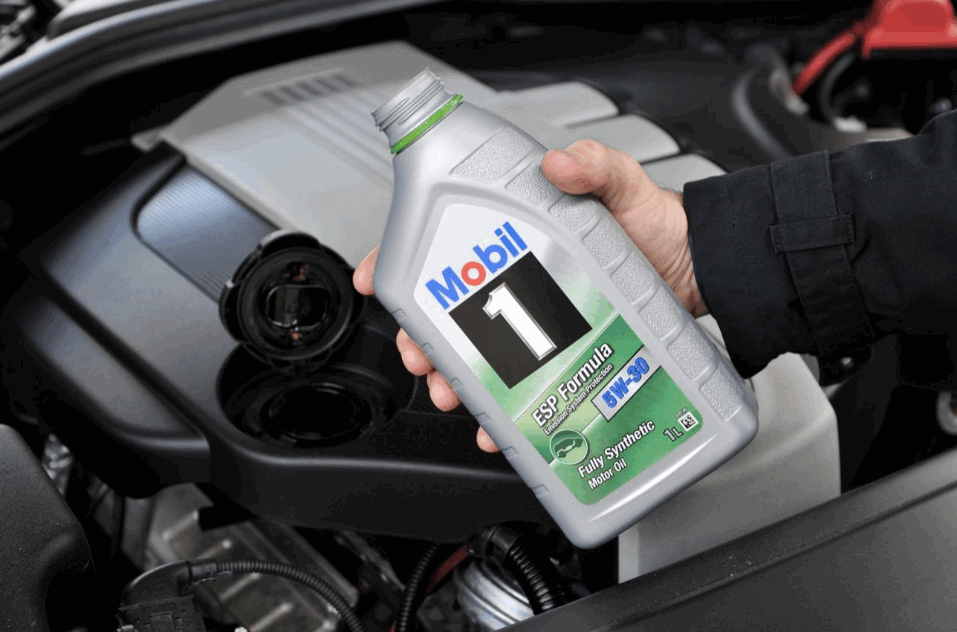
Synthetic motor oil is an advanced lubricant that delivers stronger engine protection than conventional motor oil. Manufacturers produce it through controlled chemical processes instead of refining it directly from crude oil. This process creates uniform base oil molecules that perform consistently under different driving conditions. As a result, synthetic oil has become the preferred choice for many modern vehicles.
The biggest difference between synthetic and conventional oil is their molecular structure. Conventional oil contains molecules of different sizes along with natural impurities. These variations reduce lubrication efficiency as engine temperatures change. Synthetic oil uses uniform molecules that resist heat and maintain stable viscosity. Consequently, it flows quickly during cold starts and continues to protect engine components when temperatures rise.
Drivers can choose between full synthetic oil and synthetic blend oil. Full synthetic oil uses premium synthetic base stocks and advanced additives to maximize engine protection and cleanliness. Synthetic blend oil combines synthetic and conventional base oils to balance performance with affordability. Although synthetic blends outperform conventional oil, they usually cannot match the durability or extended service life of full synthetic products.
These design differences affect engine performance over time. Synthetic motor oil reduces friction, minimizes sludge formation, and protects moving parts throughout longer oil change intervals. It also maintains stable lubrication under heavy loads and extreme temperatures. For this reason, many automakers recommend synthetic oil for turbocharged engines, high-performance vehicles, and newer models with tighter engine tolerances. Understanding these differences makes it easier to determine whether synthetic motor oil is worth the additional investment for your vehicle.
What Benefits Make Synthetic Motor Oil Worth the Extra Cost?
Synthetic motor oil is worth the extra cost because it protects the engine more effectively, performs reliably in extreme temperatures, and lasts longer than conventional oil. These advantages reduce engine wear and help maintain consistent performance throughout the oil change interval. For many drivers, the long-term value outweighs the higher purchase price.
One of the biggest advantages of synthetic oil is its ability to reduce friction between moving engine parts. Its uniform molecular structure creates a stronger lubricating film that protects critical components under heavy loads. This protection lowers metal-to-metal contact and slows mechanical wear. As a result, the engine can operate more efficiently over thousands of miles.
Synthetic oil also performs better during temperature extremes. It flows quickly during cold starts, allowing vital engine components to receive lubrication within seconds. At the same time, it resists thinning when the engine reaches high operating temperatures. This stability helps maintain oil pressure and reduces the risk of lubrication failure during demanding driving conditions.
Another important benefit is engine cleanliness. Synthetic oil contains advanced detergent and dispersant additives that reduce sludge, varnish, and harmful deposits. Cleaner engine components allow oil to circulate more efficiently and improve overall reliability. This advantage becomes even more valuable for turbocharged engines, which generate higher levels of heat.
Longer service life further increases the value of synthetic motor oil. It resists oxidation and chemical breakdown more effectively than conventional oil, allowing it to maintain its protective properties for a longer period. Many manufacturers therefore recommend extended oil change intervals when approved synthetic oil is used. Although the initial cost is higher, fewer oil changes and improved engine protection can lower maintenance expenses over the life of the vehicle.
What Are the Downsides of Synthetic Motor Oil?
Synthetic motor oil offers significant advantages, but it is not the best choice for every vehicle or every driver. The biggest drawback is its higher purchase price. Although the added protection often offsets the extra cost over time, some drivers may not use their vehicles enough to benefit from the longer service life.
The cost difference becomes less valuable when a vehicle operates under light driving conditions. A car that travels only a few thousand miles each year places less stress on its engine and oil. In this situation, conventional motor oil that meets the manufacturer’s specifications may provide adequate protection. Paying more for synthetic oil may not deliver meaningful financial savings.
Older vehicles can also produce mixed results. Many classic or high-mileage engines were designed before synthetic lubricants became common. Some older engines perform well with synthetic oil, especially when they are properly maintained. Others may show little improvement because engine wear or aging seals have a greater impact on performance than the type of lubricant being used. Checking the owner’s manual and the engine’s condition is more important than assuming synthetic oil is always the better option.
Another consideration is maintenance cost. Synthetic motor oil usually costs more per oil change, especially when paired with a premium oil filter. Drivers who continue changing synthetic oil at the same interval as conventional oil may never recover the additional expense. Following the manufacturer’s recommended oil change interval is essential to gain the full value of synthetic oil.
Several myths also influence buying decisions. Some drivers believe synthetic oil causes engine leaks or damages older engines. Modern synthetic oils do not create leaks in healthy engines. Instead, they may reveal existing seal wear that conventional oil had already masked with accumulated deposits. Understanding these limitations helps drivers decide whether the extra investment matches their vehicle, driving habits, and long-term maintenance goals.
Is Synthetic Motor Oil Worth It for Different Types of Vehicles?
Synthetic motor oil is not equally valuable for every vehicle. The benefits depend on engine design, vehicle age, driving conditions, and manufacturer requirements. Some vehicles gain substantial long-term advantages from synthetic oil, while others experience only modest improvements. Understanding these differences helps drivers choose the most cost-effective option.
New vehicles often benefit the most from synthetic motor oil. Many modern engines use tighter internal tolerances and advanced technologies such as turbochargers or direct fuel injection. These engines generate higher operating temperatures and place greater demands on the lubricant. Synthetic oil provides stable viscosity and stronger thermal resistance, allowing the engine to perform as designed while supporting the manufacturer’s recommended maintenance schedule.
High-mileage vehicles can also benefit from synthetic oil when the engine remains mechanically sound. The improved lubrication reduces friction between worn components and helps limit sludge formation. Many oil manufacturers offer high-mileage synthetic formulas that include seal conditioners and enhanced additives. These products support aging engines by maintaining lubrication and helping reduce oil consumption in some vehicles.
Performance cars and turbocharged engines almost always justify the higher cost of synthetic oil. These engines operate under intense heat and pressure that can quickly degrade conventional oil. Synthetic oil resists oxidation, maintains consistent lubrication, and protects critical components during aggressive acceleration or extended highway driving. As a result, it helps preserve engine performance under demanding conditions.
Daily commuter vehicles fall somewhere in the middle. Drivers who spend hours in stop-and-go traffic, drive long highway distances, or experience extremely hot or cold weather will likely gain noticeable value from synthetic oil. However, a lightly driven vehicle that operates under normal conditions and follows regular maintenance intervals may perform well with conventional oil if the manufacturer approves it. The best choice is the one that matches the vehicle’s engineering requirements, driving environment, and long-term ownership goals.
How Much Money Can Synthetic Motor Oil Save Over Time?
Synthetic motor oil can save money over time by extending oil change intervals, reducing engine wear, and lowering long-term maintenance costs. Although each oil change costs more, the overall cost of ownership may decrease for drivers who keep their vehicles for several years. The actual savings depend on the vehicle, annual mileage, and maintenance schedule.
One of the biggest financial advantages is the longer service life of synthetic oil. It resists oxidation and thermal breakdown better than conventional oil, allowing it to maintain its protective properties for more miles. Many manufacturers recommend longer oil change intervals when approved synthetic oil is used. As a result, drivers may need fewer oil changes throughout the year, which helps offset the higher price of each service.
Synthetic oil also helps reduce engine wear over the long term. Its stable molecular structure forms a durable lubricating film that protects moving components under both high and low temperatures. Better lubrication reduces friction and limits the formation of sludge and harmful deposits. A cleaner and better-protected engine is less likely to experience premature wear that could lead to expensive repairs.
Fuel economy can provide another source of savings. Synthetic oil reduces internal friction more effectively than conventional oil, allowing the engine to operate with less resistance. While the improvement is usually modest, even a small increase in efficiency can lower fuel costs over thousands of miles. Drivers who travel long distances each year are more likely to notice this benefit than those who drive only occasionally.
The long-term value of synthetic motor oil becomes clearer when the total cost of ownership is considered. Fewer oil changes, better engine protection, and a lower risk of major mechanical problems often provide greater financial benefits than the initial price difference. For drivers who plan to keep their vehicles for many years, synthetic motor oil is often an investment in engine reliability rather than simply a more expensive maintenance product.
When Is Synthetic Motor Oil Not Worth It?
Synthetic motor oil is not always worth the additional cost. Some vehicles and driving habits do not place enough stress on the engine to justify a premium lubricant. In these situations, conventional motor oil that meets the manufacturer’s specifications can provide reliable protection at a lower cost.
Drivers who travel only a few thousand miles each year may see limited value from synthetic oil. Short annual mileage means the engine accumulates fewer operating hours before the next scheduled service. If the oil is replaced because of time rather than mileage, its extended service life provides little financial benefit. The higher purchase price may therefore outweigh any potential savings.
Older economy cars with simple engine designs may also gain fewer advantages. Many naturally aspirated engines built for everyday commuting perform well with conventional oil that meets the correct viscosity grade and industry standards. If the owner’s manual does not require synthetic oil, switching to a more expensive product may have little effect on engine performance or longevity.
Vehicle ownership plans should also influence the decision. Drivers who expect to sell or trade in a vehicle within a short period may not recover the long-term value of synthetic oil. The benefits of reduced engine wear become more meaningful over many years of ownership. For short-term ownership, minimizing routine maintenance costs may be the more practical approach.
The manufacturer’s recommendation should always carry the greatest weight. Some engines require full synthetic oil to maintain proper lubrication and warranty compliance. Others allow either synthetic or conventional oil as long as the correct specifications are met. Following these requirements protects the engine and eliminates unnecessary maintenance expenses. Choosing the right oil is ultimately less about buying the most expensive product and more about matching the lubricant to the engine’s actual needs.
How Do You Decide Whether Synthetic Motor Oil Is Worth It?
Synthetic motor oil is worth it when it matches your engine’s requirements, driving conditions, and long-term ownership plans. The best decision is not based on price alone. Instead, it should reflect how your vehicle operates and what level of protection it needs throughout its service life.
The first step is to read the owner’s manual. Most vehicle manufacturers specify the recommended oil viscosity and performance standards for each engine. Some modern engines require full synthetic oil because they operate under higher temperatures and tighter mechanical tolerances. Using the recommended oil helps maintain engine efficiency and may also protect the vehicle warranty.
Driving habits are equally important. Frequent stop-and-go traffic, heavy towing, long highway trips, and extreme weather place additional stress on engine oil. Under these conditions, synthetic oil maintains stable viscosity and resists thermal breakdown more effectively than conventional oil. Drivers who regularly face these conditions often gain the greatest value from switching to synthetic oil.
Vehicle age and ownership goals should also influence your decision. If you plan to keep your vehicle for many years, investing in better engine protection can reduce long-term maintenance risks. However, if you drive infrequently or expect to replace your vehicle soon, conventional oil may provide sufficient performance when it meets the manufacturer’s specifications.
A simple comparison can make the decision easier. If your vehicle requires synthetic oil, the choice is straightforward because using the recommended lubricant ensures proper engine protection. If both synthetic and conventional oil are approved, compare the annual cost of oil changes with the potential benefits of longer service intervals, improved engine cleanliness, and reduced wear. Choosing the oil that best fits your vehicle and driving habits will usually provide greater value than simply choosing the least expensive option.
Frequently Asked Questions About Synthetic Motor Oil
Many drivers have similar questions before switching to synthetic motor oil. Understanding the answers can help you avoid common misconceptions and choose the right lubricant for your vehicle.
Can You Switch from Conventional Oil to Synthetic Oil?
Yes, you can switch from conventional oil to synthetic oil in most modern vehicles. There is no special procedure unless the manufacturer provides specific instructions. Synthetic oil is fully compatible with engines that have previously used conventional oil, provided the correct viscosity grade and performance specifications are followed.
Does Synthetic Oil Cause Engine Leaks?
Synthetic oil does not create leaks in a healthy engine. However, it may expose worn seals or existing gasket problems that conventional oil has temporarily masked with accumulated deposits. If an engine develops a leak after switching to synthetic oil, the underlying seal wear is usually the real cause rather than the lubricant itself.
Can You Mix Synthetic and Conventional Oil?
Yes, synthetic and conventional motor oils can be mixed if both products meet the required viscosity grade and industry specifications. Mixing them will not damage the engine, but it reduces many of the performance advantages that full synthetic oil provides. For maximum engine protection, using one approved oil type throughout the entire oil change interval is the better option.
How Often Should Synthetic Oil Be Changed?
The correct oil change interval depends on the vehicle manufacturer’s recommendations rather than the oil alone. Many modern vehicles using full synthetic oil can safely operate for 7,500 to 10,000 miles between oil changes, while some models allow even longer intervals under normal driving conditions. Always follow the maintenance schedule in the owner’s manual instead of relying on a universal mileage guideline.
Does Synthetic Oil Extend Engine Life?
Synthetic oil can help extend engine life by reducing friction, minimizing wear, and preventing sludge formation. These benefits become more noticeable in engines that operate under high temperatures, heavy loads, or frequent stop-and-go traffic. Although no lubricant can eliminate mechanical wear completely, consistent maintenance with the correct engine oil helps preserve performance and improve long-term reliability.
Conclusion
Synthetic motor oil is worth it for most modern vehicles because it delivers stronger engine protection, better performance in extreme temperatures, and longer service intervals than conventional oil. These advantages can reduce engine wear, improve long-term reliability, and lower maintenance costs for drivers who keep their vehicles for several years. The higher upfront price often becomes a worthwhile investment when the engine operates under demanding conditions or follows an extended maintenance schedule.
The right choice ultimately depends on your vehicle rather than the oil itself. Always begin with the manufacturer’s recommendations, then consider your driving habits, local climate, annual mileage, and ownership plans. If your engine requires synthetic oil, using the recommended product is the best way to protect performance and maintain warranty coverage. If both oil types are approved, comparing the long-term value instead of the initial purchase price will help you make a more informed decision and keep your engine running efficiently for years to come.