Seeing the check engine light appear on your Honda can be frustrating, especially when the scanner shows the Honda P0171 code. This trouble code means the engine is running too lean on Bank 1, which happens when there is too much air or not enough fuel in the combustion mixture. While the problem may sound simple, the real cause can be difficult to identify without a proper diagnostic process.
A Honda P0171 code can be triggered by a vacuum leak, a damaged intake hose, low fuel pressure, a dirty sensor, a clogged injector, or an exhaust leak. Many drivers make the costly mistake of replacing the oxygen sensor first, only to see the warning light return a few days later. The code does not point to one failed part. It only tells you that the engine control module has detected an imbalance in the air and fuel mixture.
Ignoring the problem can lead to rough idling, weak acceleration, hard starting, engine misfires, and poor fuel economy. In more serious cases, prolonged lean operation may increase combustion temperatures and place extra stress on important engine components.
This guide explains what the Honda P0171 code means, the symptoms you may notice, the most common causes, the correct diagnostic steps, and the best ways to fix the problem without wasting money on unnecessary parts.
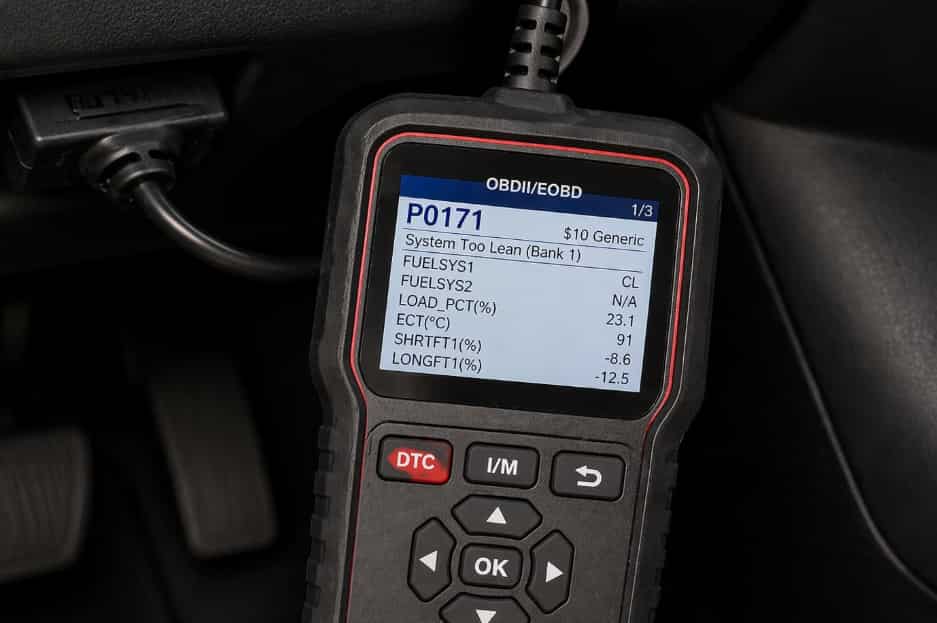
What Does the Honda P0171 Code Mean?
The Honda P0171 code means that the engine control module has detected a lean air and fuel mixture on Bank 1. In simple terms, the engine is receiving too much air, not enough fuel, or incorrect sensor data that makes the system appear lean. When this condition continues for a certain period, the computer stores the code and turns on the check engine light.
A gasoline engine needs a balanced mixture of air and fuel to run efficiently. The ideal ratio is close to 14.7 parts of air for every one part of fuel under normal operating conditions. The engine control module constantly adjusts this mixture by reading data from several sensors, including the air fuel ratio sensor, the oxygen sensor, the mass airflow sensor, or the manifold absolute pressure sensor, depending on the Honda model and engine design.
When the sensors detect too much oxygen in the exhaust, the computer adds more fuel to correct the mixture. These adjustments are shown as short term fuel trim and long term fuel trim. If the computer must keep adding an excessive amount of fuel, it concludes that the engine is running lean and sets the P0171 code.
Bank 1 refers to the side of the engine that contains cylinder number one. On many four cylinder Honda engines, there is only one bank. On V6 engines, Bank 1 identifies one specific side of the engine, which helps narrow down the affected area.
It is important to understand that Honda P0171 does not confirm that a particular component has failed. It only reports the condition the computer has detected. A vacuum leak, low fuel pressure, a restricted injector, a faulty sensor, or an exhaust leak can all create similar results. Proper testing is necessary before replacing any parts.
How Serious Is the Honda P0171 Code?
The Honda P0171 code should never be ignored. It indicates that the engine is running with a lean air and fuel mixture. While the vehicle may still be drivable, the underlying problem can become more serious over time.
Many Honda owners notice only the check engine light at first. Others may experience rough idling, slow acceleration, reduced engine power, or occasional hesitation. In some cases, the engine may run almost normally. This often leads drivers to postpone the repair, which can increase the risk of further damage.
A lean mixture burns hotter than normal. Higher combustion temperatures place extra stress on the engine and exhaust system. If the condition continues, it may cause engine misfires, poor performance, and excessive wear on internal components. Long term operation with a lean condition can also shorten the life of the catalytic converter, which is one of the most expensive parts in the emissions system.
The severity of the Honda P0171 code depends on the root cause. A small vacuum leak may have only a minor effect on drivability. However, low fuel pressure or a failing fuel pump can create serious performance problems. A damaged intake hose or a large air leak can also make the engine unstable and difficult to drive.
You should avoid driving the vehicle if the engine shakes violently, stalls, or loses significant power. A flashing check engine light is another warning sign. It usually indicates an active engine misfire that requires immediate attention. Continuing to drive under these conditions may cause expensive damage to the catalytic converter.
If the check engine light remains steady and the vehicle drives normally, you can usually drive a short distance for diagnosis or repair. Even so, delaying the inspection is not recommended. A simple vacuum leak or dirty sensor can eventually develop into a much more costly repair. Diagnosing the Honda P0171 code early is the best way to protect your engine and reduce repair costs.
Common Symptoms of a Honda P0171 Code
The Honda P0171 code can cause several drivability problems, although the symptoms may not appear all at once. Some drivers notice only the check engine light, while others experience a gradual decline in engine performance. The severity often depends on the underlying cause and how long the engine has been running with a lean air and fuel mixture.
The most common symptom is an illuminated check engine light. Once the engine control module detects that it must continuously add fuel to correct a lean condition, it stores the Honda P0171 code and activates the warning light. In many cases, this is the first indication that something is wrong.
As the condition worsens, the engine may begin to idle roughly or vibrate more than usual. You may also notice unstable engine speed when the vehicle is stopped. During acceleration, the engine can hesitate or feel less responsive because it is not receiving the correct amount of fuel. This often results in slower acceleration and reduced overall performance.
A prolonged lean condition may also lead to engine misfires. The vehicle can shake under load, lose power, or produce additional diagnostic trouble codes related to misfiring cylinders. Fuel economy may also decline because the engine control module constantly adjusts fuel delivery in an attempt to restore the proper air and fuel ratio.
Hard starting is another symptom that should not be overlooked. The engine may require a longer cranking time before it starts, especially when it is cold. In more severe cases, the engine may stall shortly after starting.
Recognizing these symptoms early can help you diagnose the Honda P0171 code before it causes more expensive repairs. Prompt diagnosis also reduces the risk of damage to the catalytic converter and other engine components.
Most Common Causes of a Honda P0171 Code
Several problems can trigger the Honda P0171 code. Although the code indicates that the engine is running lean, it does not identify the failed component. A proper diagnosis requires testing each system that affects the air and fuel mixture.
A vacuum leak is the most common cause. Cracked vacuum hoses, damaged intake manifold gaskets, or loose intake connections allow unmetered air to enter the engine. Since this extra air is not measured by the engine control module, the air and fuel mixture becomes too lean.
A dirty or faulty mass airflow sensor is another frequent cause. The sensor measures the amount of air entering the engine. If it reports incorrect data, the engine control module may inject too little fuel. Dust, oil contamination, or sensor failure can all affect its accuracy.
Low fuel pressure can also trigger the Honda P0171 code. A weak fuel pump, clogged fuel filter, or failing fuel pressure regulator may prevent the engine from receiving enough fuel. As fuel delivery decreases, the engine struggles to maintain the correct air and fuel ratio.
Fuel injectors should also be inspected. A clogged or partially restricted injector reduces fuel flow into one or more cylinders. This can create a lean condition and lead to rough idle, hesitation, or engine misfires.
In some cases, a faulty air fuel ratio sensor or oxygen sensor sends incorrect feedback to the engine control module. Although these sensors are not always the root cause, inaccurate readings can result in incorrect fuel adjustments and trigger the Honda P0171 code.
Less common causes include exhaust leaks before the oxygen sensor, a stuck PCV valve, or software issues in the engine control module. For this reason, every possible cause should be tested before replacing any parts. A systematic diagnosis saves time, reduces repair costs, and prevents unnecessary component replacement.
Honda Models Most Affected by the P0171 Code
The Honda P0171 code can appear on almost any fuel injected Honda vehicle. However, some models report this diagnostic trouble code more frequently because of their engine design, age, or common wear items. Understanding the typical problems for each model can help narrow down the diagnosis and reduce repair time.
The Honda Civic is one of the most common models affected by the P0171 code. Older Civic models often develop cracked vacuum hoses, worn intake manifold gaskets, or dirty mass airflow sensors. High mileage vehicles may also experience fuel injector deposits that reduce fuel delivery.
The Honda Accord is another model where this code appears regularly. Vacuum leaks, weak fuel pumps, and aging air fuel ratio sensors are common causes. On higher mileage engines, carbon buildup in the intake system can also affect the air and fuel mixture.
The Honda CR V frequently develops the P0171 code after years of normal use. A leaking intake hose, a faulty PCV valve, or a contaminated airflow sensor can all create a lean condition. Regular maintenance helps reduce the risk of these problems.
The Honda Pilot and Honda Odyssey may experience the code because of intake leaks or reduced fuel pressure. Their V6 engines contain additional vacuum lines and intake components, which create more potential leak points than four cylinder engines. Proper inspection is important before replacing sensors or other expensive parts.
Although these models are commonly affected, the Honda P0171 code is not limited to a specific vehicle or engine. The best approach is to diagnose the root cause instead of replacing parts based only on the model. A complete inspection of the intake system, fuel system, and engine sensors will usually identify the source of the lean condition more accurately.
How to Diagnose a Honda P0171 Code
Diagnosing the Honda P0171 code requires a systematic approach. Since several different faults can create a lean air and fuel mixture, replacing parts without testing often wastes time and money. Following a step by step process helps identify the actual cause and prevents unnecessary repairs.
Begin by connecting an OBD2 scan tool and confirming that the Honda P0171 code is active. Check for additional trouble codes, especially those related to engine misfires, oxygen sensors, or the fuel system. Freeze frame data can also provide useful information about engine speed, load, and fuel trim when the code was stored.
Next, inspect the intake system for vacuum leaks. Carefully examine vacuum hoses, the air intake duct, the intake manifold gasket, and the PCV valve. Any crack or loose connection can allow unmetered air to enter the engine and create a lean condition.
The mass airflow sensor should then be inspected for dirt or contamination. A dirty sensor may report incorrect airflow readings, causing the engine control module to inject too little fuel. If necessary, clean the sensor with a dedicated mass airflow sensor cleaner. Never use brake cleaner or other harsh chemicals that could damage the sensor.
Fuel pressure testing is another important step. Compare the measured pressure with the manufacturer’s specification. Low fuel pressure may indicate a weak fuel pump, a clogged fuel filter, or a faulty fuel pressure regulator. If fuel pressure is normal, inspect the fuel injectors for restricted flow or uneven spray patterns.
Finally, monitor live data from the air fuel ratio sensor and oxygen sensor. Review both short term fuel trim and long term fuel trim values. Excessively positive fuel trim usually confirms that the engine control module is adding fuel to compensate for a lean mixture. After repairing the fault, clear the code and perform a road test to confirm that the Honda P0171 code does not return.
How to Fix a Honda P0171 Code
Fixing the Honda P0171 code starts with identifying the root cause. Since several different problems can create a lean air and fuel mixture, there is no single repair that works for every vehicle. Completing a proper diagnosis first will save both time and repair costs.
If a vacuum leak is found, replace the damaged hose, intake manifold gasket, or leaking PCV valve. Even a small air leak can affect fuel trim and trigger the Honda P0171 code. After the repair, inspect all intake connections to ensure they are properly sealed.
A dirty mass airflow sensor should be cleaned with a cleaner designed specifically for mass airflow sensors. If the sensor continues to provide incorrect readings after cleaning, replacement may be necessary. Always use a high quality replacement part that meets Honda specifications.
When fuel pressure is below specification, inspect the fuel pump, fuel filter, and fuel pressure regulator. Replace any component that fails testing. If fuel injectors are clogged, professional injector cleaning or replacement may restore proper fuel delivery and eliminate the lean condition.
Faulty air fuel ratio sensors or oxygen sensors should only be replaced after confirming they are not reporting accurate data. Replacing these sensors without testing may not solve the problem and can increase repair expenses.
After completing the necessary repairs, clear the diagnostic trouble code with an OBD2 scan tool. Start the engine and monitor live data, including short term and long term fuel trim. Complete a road test under different driving conditions to verify that fuel trim values return to normal and the Honda P0171 code does not reappear.
Prompt repairs help restore engine performance, improve fuel economy, and reduce the risk of catalytic converter damage. Addressing the problem early is usually less expensive than waiting for additional components to fail.
Frequently Asked Questions About the Honda P0171 Code
Can I drive with the Honda P0171 code?
Yes, you can usually drive for a short distance if the engine runs smoothly and the check engine light remains steady. However, you should diagnose the problem as soon as possible. Driving with a lean air and fuel mixture for an extended period may reduce engine performance and increase the risk of catalytic converter damage.
Will the Honda P0171 code clear itself?
The code may disappear after the engine control module no longer detects a lean condition. However, this does not always mean the problem has been fixed. An intermittent vacuum leak or sensor issue can cause the code to return. The best solution is to repair the root cause instead of waiting for the warning light to turn off.
Is a bad oxygen sensor the main cause of the Honda P0171 code?
Not always. Many drivers replace the oxygen sensor first, but it is rarely the most common cause. Vacuum leaks, a dirty mass airflow sensor, low fuel pressure, or restricted fuel injectors are more frequent sources of the problem. Testing the entire intake and fuel system is the most reliable approach.
How much does it cost to fix the Honda P0171 code?
Repair costs vary depending on the failed component. Replacing a cracked vacuum hose is usually inexpensive, while a new fuel pump or air fuel ratio sensor can cost significantly more. A professional diagnosis helps prevent unnecessary parts replacement and keeps repair costs under control.
Can I fix the Honda P0171 code myself?
Basic inspections such as checking vacuum hoses, cleaning the mass airflow sensor, or reading diagnostic trouble codes with an OBD2 scanner can often be completed by experienced DIY owners. More advanced repairs, including fuel pressure testing or injector diagnosis, may require specialized tools and technical knowledge.
What happens if the Honda P0171 code is ignored?
Ignoring the Honda P0171 code can lead to rough engine operation, poor acceleration, lower fuel economy, and engine misfires. Over time, the excessive heat created by a lean mixture may damage the catalytic converter and other engine components. Early diagnosis is the best way to avoid expensive repairs.
Conclusion
The Honda P0171 code indicates that the engine is operating with a lean air and fuel mixture. Although the vehicle may continue to run, ignoring the problem can lead to reduced performance, poor fuel economy, engine misfires, and costly repairs. The code itself does not identify a failed component, so accurate diagnosis is essential before replacing any parts.
The most common causes include vacuum leaks, a dirty mass airflow sensor, low fuel pressure, restricted fuel injectors, and faulty air fuel ratio or oxygen sensors. A step by step inspection of the intake system, fuel system, and sensor data is the most effective way to identify the root cause. Once the correct repair is completed, clearing the code and verifying normal fuel trim values will confirm that the problem has been resolved.
Understanding the Honda P0171 code allows you to make informed repair decisions and avoid unnecessary expenses. Whether you perform basic maintenance yourself or seek professional assistance, addressing the issue early will help protect your engine and improve long term reliability.
If your Honda is displaying the P0171 code or another check engine light, use this guide as a starting point for diagnosis. A careful inspection today can prevent a much more expensive repair tomorrow. Regular maintenance, timely repairs, and routine system checks are the best ways to keep your Honda running smoothly for years to come.