A Honda CR-V air conditioning system can stop working for several reasons, ranging from a simple refrigerant leak to a failed compressor or an electrical malfunction. While warm air from the vents is the most common complaint, other symptoms such as weak airflow, unusual noises, intermittent cooling, or unpleasant odors can also indicate that one or more HVAC components are no longer operating correctly. Identifying the exact symptom before replacing parts is the fastest way to reduce repair time and avoid unnecessary expenses.
The Honda CR-V air conditioning system relies on several components working together to maintain a comfortable cabin temperature. The compressor circulates refrigerant, the condenser releases heat, the evaporator absorbs cabin heat, and the blower motor distributes cooled air through the vents. If any of these components fail, the entire cooling process becomes less efficient or stops completely. Electrical components such as relays, fuses, pressure switches, and the climate control module can also interrupt normal operation even when the mechanical parts remain in good condition.
This guide explains the most common causes of Honda CR-V air conditioning problems, how to diagnose the system based on specific symptoms, which components fail most frequently, and when professional repairs become necessary. It also covers typical repair costs and practical maintenance tips that help extend the lifespan of the air conditioning system while maintaining consistent cooling performance throughout the year.
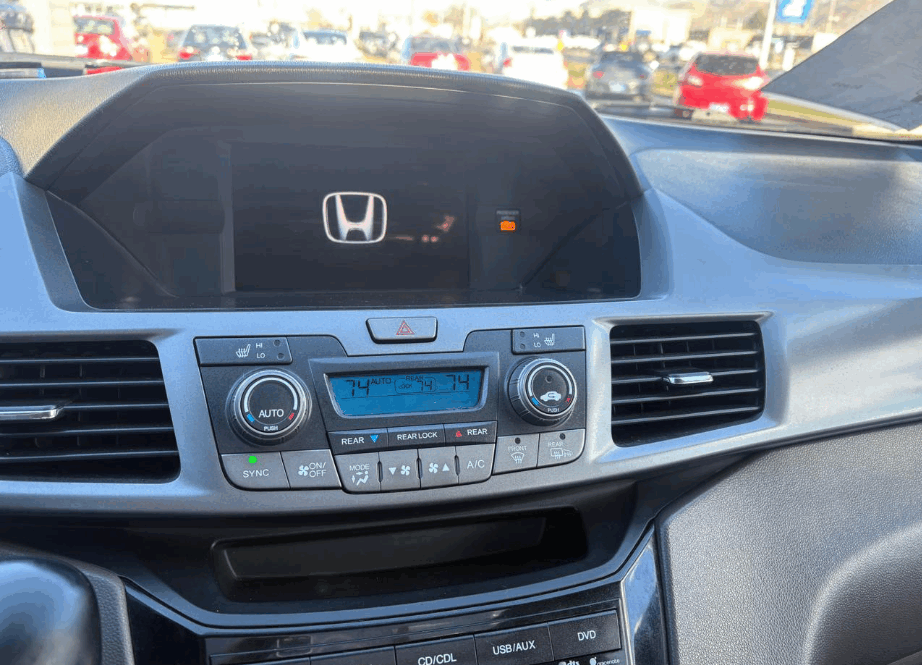
Why Is My Honda CR-V Air Conditioning Not Working?
A Honda CR-V air conditioning system stops working when one or more components can no longer complete the cooling cycle. Low refrigerant, a faulty compressor, electrical faults, and restricted airflow are the most common causes. Although these problems produce similar symptoms, they require different repair methods. Identifying the correct symptom first helps you avoid replacing parts that still work properly.
The air conditioning system depends on several components working together. The compressor circulates refrigerant through the system. The condenser releases heat, while the evaporator absorbs heat from the cabin. The blower motor then pushes cooled air through the vents. If refrigerant leaks from the system, cooling performance drops quickly. A failed condenser fan can also trap heat and reduce cooling efficiency, even when the compressor continues to run.
Electrical problems can stop the air conditioner without warning. A blown fuse, a faulty relay, or a damaged pressure switch may prevent the compressor from turning on. The climate control module can also interrupt normal operation if it detects abnormal pressure or temperature readings. Instead of risking compressor damage, the control module shuts the system down until the fault is corrected.
The symptoms often reveal where the problem starts. Warm air usually indicates low refrigerant or compressor failure. Weak airflow commonly points to a clogged cabin air filter or a worn blower motor. Grinding or clicking noises may suggest compressor or clutch damage. Intermittent cooling often indicates unstable refrigerant pressure or an overheating cooling fan.
Start the diagnosis before replacing any parts. Turn on the air conditioner and check whether the compressor clutch engages. Feel the airflow at each vent and listen for unusual sounds. Then inspect the cooling fans and look for obvious refrigerant leaks. Following this sequence helps you identify the real cause faster, reduces repair costs, and prevents unnecessary replacement of expensive HVAC components.
What Are the Most Common Causes of Honda CR-V Air Conditioning Failure?
Several problems can prevent a Honda CR-V air conditioning system from producing cold air. However, four issues account for most failures. These include low refrigerant, compressor failure, electrical faults, and restricted airflow. Each problem affects the cooling cycle differently, so identifying the root cause is essential before starting any repair.
Low refrigerant is the most common cause of poor cooling performance. Refrigerant does not wear out under normal conditions, so a low level usually indicates a leak. Small leaks often develop around O-rings, hoses, condenser joints, or the evaporator. As refrigerant pressure drops, the compressor cannot circulate enough refrigerant to remove heat from the cabin. Drivers usually notice warm air, longer cooling times, or an air conditioner that stops cooling during hot weather.
A failing compressor can also stop the entire system. The compressor creates the pressure needed to move refrigerant through the air conditioning circuit. Internal wear, clutch failure, or damaged bearings can prevent it from operating normally. In some cases, the compressor engages briefly before shutting off. In others, it produces grinding or rattling noises that indicate mechanical damage.
Electrical components also play a critical role in system operation. A blown fuse, faulty relay, damaged pressure switch, or defective climate control module can interrupt power to the compressor. Wiring damage and loose electrical connections may produce the same result. These faults often prevent the compressor clutch from engaging even though the refrigerant level remains normal.
Restricted airflow is another common reason the cabin fails to cool properly. A clogged cabin air filter reduces the amount of air passing through the evaporator. A worn blower motor or blocked air ducts can create similar symptoms. Even when the refrigerant system works correctly, limited airflow prevents cold air from reaching the passenger compartment. Replacing the cabin air filter at the recommended service interval is one of the simplest ways to maintain consistent cooling performance and reduce unnecessary strain on the HVAC system.
How Can You Diagnose a Honda CR-V AC That Is Not Cooling?
Diagnosing a Honda CR-V air conditioner starts with observing how the system behaves. The cooling performance, airflow strength, and compressor operation provide valuable clues before any parts are removed. A systematic inspection also helps you avoid unnecessary repairs. Instead of guessing the cause, verify each component in the order it operates.
Start the engine and switch the air conditioner to the coldest temperature with the highest fan speed. Place your hand in front of the center air vents and check the airflow. Strong airflow with warm air usually indicates a refrigerant or compressor problem. Weak airflow often points to a clogged cabin air filter, a failing blower motor, or blocked air ducts. If no air comes from the vents, inspect the blower motor and HVAC controls before checking the refrigerant system.
Next, inspect the compressor while the air conditioner is running. The compressor clutch should engage within a few seconds after you turn the system on. You should also hear a slight click when the clutch activates. If the clutch never engages, inspect the fuse, relay, pressure switch, and electrical connectors. A compressor that repeatedly turns on and off may indicate low refrigerant pressure, excessive system pressure, or an internal compressor fault.
After checking the compressor, inspect the condenser and cooling fans. Both cooling fans should operate when the air conditioner is running. A fan that fails to spin allows heat to build around the condenser, reducing cooling efficiency and increasing system pressure. Also, examine the condenser for dirt, leaves, or road debris that may restrict airflow. Cleaning the condenser often improves cooling performance without replacing any components.
The final step is to measure refrigerant pressure and scan the vehicle for diagnostic trouble codes. A manifold gauge set confirms whether the system contains the correct refrigerant pressure. An OBD-II scanner can also detect HVAC-related faults stored by the control module. Combining these tests with the symptoms you observed earlier provides a reliable diagnosis and helps you repair the actual problem instead of replacing parts based on guesswork.
What Does Each Air Conditioning Symptom Usually Mean?
The symptoms of a faulty Honda CR-V air conditioning system often reveal where the problem begins. Although different faults can produce similar results, each symptom usually points to a specific group of components. Recognizing these warning signs early reduces diagnostic time and helps prevent more expensive repairs.
Warm air from the vents is the most common symptom. In most cases, the system has low refrigerant pressure because of a leak. A failing compressor or compressor clutch can produce the same result by preventing refrigerant from circulating. Electrical faults, such as a blown fuse or faulty relay, may also stop the compressor from operating. If the air conditioner never produces cold air, inspect these components first.
Weak airflow usually indicates an airflow restriction rather than a refrigerant problem. A clogged cabin air filter limits the amount of air reaching the passenger compartment. A worn blower motor or blocked air ducts can also reduce airflow. Even if the evaporator becomes cold, the cabin will not cool efficiently when insufficient air passes through the system.
Intermittent cooling often suggests an unstable operating condition. Low refrigerant pressure may cause the compressor to cycle on and off more frequently than normal. An overheating compressor or a faulty cooling fan can create similar symptoms during hot weather or slow traffic. Drivers often notice that the air conditioner cools normally at highway speeds but loses performance while idling.
Unusual noises also provide important diagnostic clues. Clicking sounds may indicate a worn compressor clutch or a faulty relay. Grinding noises often suggest internal compressor damage or worn bearings. Squealing sounds can point to a loose serpentine belt or a failing pulley. Ignoring these noises may allow minor damage to develop into a complete compressor failure.
Bad odors or water leaking inside the cabin usually originate from the evaporator housing. Moisture trapped around the evaporator encourages mold and bacteria to grow, creating a musty smell when the air conditioner operates. A blocked evaporator drain can also cause water to collect inside the HVAC case before leaking onto the passenger-side floor. Cleaning the evaporator and clearing the drain tube usually restore normal operation and improve cabin air quality.
Which Honda CR-V Components Fail Most Often?
Several air conditioning components wear out over time because they operate under high pressure and constant temperature changes. Although every part has a different service life, the compressor, condenser, blower motor, cabin air filter, and electrical components account for most Honda CR-V air conditioning repairs. Knowing which parts fail most often helps you narrow the diagnosis and avoid replacing components that are still in good condition.
The AC compressor is the component most likely to cause a complete loss of cooling. It compresses and circulates refrigerant throughout the system. Normal wear, poor lubrication, or internal contamination can damage the compressor over time. Some compressors also develop clutch problems that prevent them from engaging. When this happens, the system cannot circulate refrigerant, and the vents produce warm air instead of cold air.
The condenser is another common failure point because it sits behind the front grille. Its location exposes it to rocks, road debris, insects, and dirt. Small impacts can damage the thin aluminum tubes and create refrigerant leaks. Dirt buildup also reduces heat transfer, making the air conditioner less effective during hot weather or heavy traffic. Regular cleaning helps maintain proper airflow and cooling performance.
Airflow problems often originate inside the cabin rather than under the hood. A clogged cabin air filter restricts the amount of air passing through the evaporator, while a worn blower motor reduces fan speed. These issues make the cabin feel warmer even when the refrigerant system operates correctly. Replacing the cabin air filter at the recommended interval improves airflow and reduces unnecessary strain on the blower motor.
Electrical components also experience normal wear as the vehicle ages. Relays, fuses, pressure switches, wiring connectors, and cooling fan motors can fail because of heat, moisture, or corrosion. Even a single faulty connection may prevent the compressor from receiving power. Checking these inexpensive components before replacing major parts is a practical way to reduce repair costs and shorten diagnostic time.
Can You Fix a Honda CR-V Air Conditioner Yourself?
You can fix some Honda CR-V air conditioning problems yourself, but others require professional equipment and technical knowledge. Simple maintenance tasks often restore cooling performance without major repairs. However, refrigerant handling and compressor replacement require specialized tools and should only be performed by qualified technicians. Understanding the difference helps you save time, reduce repair costs, and avoid damaging the HVAC system.
Start with the basic inspections that require no special equipment. Check the cabin air filter for dirt or debris, and replace it if it is clogged. Inspect the air conditioning fuse and relay for visible damage. Then examine the condenser for leaves, mud, or road debris that may block airflow. Cleaning the condenser and replacing a dirty cabin air filter can noticeably improve cooling performance, especially if airflow has become weak over time.
You should also inspect the compressor while the engine is running. Turn on the air conditioner and observe whether the compressor clutch engages. Listen for clicking, grinding, or squealing noises that may indicate mechanical wear. At the same time, verify that both cooling fans operate correctly. If the compressor never engages or the cooling fans remain off, the problem may involve an electrical fault rather than a mechanical failure.
Some repairs should never rely on guesswork. Refrigerant leaks require pressure testing and leak detection equipment to locate the exact source. Simply adding more refrigerant without repairing the leak only provides temporary cooling and may damage the compressor. Compressor replacement also requires evacuating the refrigerant, replacing contaminated components when necessary, and recharging the system with the correct refrigerant type and factory-specified amount.
If the air conditioner still blows warm air after basic inspections, schedule a professional diagnosis. Certified technicians can measure refrigerant pressure, perform leak tests, and retrieve HVAC fault codes with specialized diagnostic equipment. A complete inspection identifies the root cause, prevents unnecessary parts replacement, and restores the Honda CR-V air conditioning system to its original cooling performance.
How Much Does It Cost to Repair a Honda CR-V Air Conditioning System?
The cost to repair a Honda CR-V air conditioning system depends on the failed component, the severity of the damage, and local labor rates. Minor maintenance usually costs much less than replacing major components such as the compressor or evaporator. A professional diagnosis is often the best investment because it identifies the exact fault before expensive parts are replaced.
A refrigerant recharge is one of the least expensive air conditioning services. However, refrigerant does not disappear under normal conditions. If the system requires a recharge, a leak is usually present. Technicians should locate and repair the leak before adding new refrigerant. Otherwise, the cooling performance will decline again within a short period.
Compressor replacement is one of the most expensive repairs. The compressor is the heart of the air conditioning system, and replacing it often involves additional work. Technicians may also replace the receiver drier, expansion valve, or contaminated refrigerant to protect the new compressor from premature failure. Ignoring these related components can shorten the lifespan of the replacement unit.
Repair costs also increase when the condenser or evaporator develops a refrigerant leak. A damaged condenser is usually easier to replace because it is mounted at the front of the vehicle. An evaporator replacement requires much more labor because technicians must remove a large portion of the dashboard to access the HVAC housing. As a result, labor charges often exceed the cost of the replacement part.
Replacing a cabin air filter, relay, fuse, or blower motor is generally more affordable than repairing the refrigerant system. These components require less labor and do not involve refrigerant recovery equipment. Even so, replacing parts without confirming the actual fault can increase repair costs unnecessarily. A complete diagnosis ensures every repair addresses the real cause of the air conditioning failure and helps restore reliable cooling performance for the long term.
How Can You Prevent Future Honda CR-V Air Conditioning Problems?
Regular maintenance is the most effective way to prevent Honda CR-V air conditioning problems. Most major failures begin as small issues that develop over time. A clogged filter, a minor refrigerant leak, or poor condenser airflow can gradually reduce cooling performance before causing expensive component damage. Routine inspections help identify these problems early and keep the system operating efficiently.
Run the air conditioner for at least ten minutes every week, even during colder months. Regular operation keeps the compressor lubricated and helps maintain proper refrigerant circulation. It also prevents seals from drying out, which reduces the risk of refrigerant leaks. Many drivers stop using the air conditioner during winter, but doing so may shorten the lifespan of several HVAC components.
Replace the cabin air filter according to the maintenance schedule or sooner if you frequently drive on dusty roads. A clean filter allows air to flow freely through the evaporator and improves cooling efficiency. It also reduces the workload on the blower motor while helping maintain better cabin air quality. This simple service is inexpensive and often prevents airflow complaints.
Keep the condenser clean throughout the year. Dirt, leaves, insects, and road debris can block airflow across the condenser fins. Reduced airflow prevents the refrigerant from releasing heat efficiently and forces the compressor to work harder. Gently rinsing the condenser with low-pressure water helps maintain proper heat transfer and improves overall cooling performance.
Schedule a professional air conditioning inspection if you notice weaker cooling, unusual noises, or inconsistent airflow. Technicians can detect refrigerant leaks, verify system pressure, and identify worn components before they fail completely. Preventive maintenance costs far less than replacing a compressor or evaporator. More importantly, it helps your Honda CR-V deliver reliable cooling performance in every driving season.
Conclusion
A Honda CR-V air conditioning system usually fails because of low refrigerant, compressor problems, electrical faults, or restricted airflow. Although these issues often produce similar symptoms, an accurate diagnosis is the key to choosing the correct repair. Identifying whether the problem involves warm air, weak airflow, unusual noises, or intermittent cooling helps narrow the search and prevents unnecessary parts replacement.
Routine maintenance also plays an important role in keeping the system reliable. Replacing the cabin air filter, cleaning the condenser, operating the air conditioner throughout the year, and addressing small refrigerant leaks early can significantly reduce the risk of expensive repairs. These simple maintenance practices improve cooling performance, extend component life, and help the HVAC system operate more efficiently in all weather conditions.
If basic inspections do not identify the problem, professional testing becomes the safest option. Measuring refrigerant pressure, checking compressor operation, and scanning for HVAC fault codes provide a precise diagnosis that saves both time and money. By understanding the most common causes, recognizing early warning signs, and following a structured diagnostic process, you can restore your Honda CR-V air conditioning system to reliable performance and enjoy consistent cabin comfort on every drive.