A timing belt is a small but essential engine component in your Honda Accord. It keeps the crankshaft and camshaft working together at the right time. This process allows the engine valves to open and close correctly. A healthy timing belt helps your vehicle maintain smooth performance, reliable power, and better engine efficiency.
Many Honda Accord owners ignore timing belt maintenance because the vehicle may still run normally for years. However, the belt slowly wears down with time and mileage. Unlike tires or brake pads, a timing belt often shows limited warning signs before it fails. A broken timing belt can cause severe engine problems, including damaged valves, piston damage, and expensive repairs.
Understanding Honda Accord Timing Belt Replacement can help you protect your vehicle and avoid unexpected repair costs. This guide explains the most important information every owner should know. You will learn about replacement costs, common symptoms, recommended replacement schedules, and maintenance advice. Whether you drive an older Accord or plan to buy a used model, proper timing belt care can improve engine reliability and extend your vehicle’s lifespan.
What Is a Timing Belt and Why Is It Important in a Honda Accord?
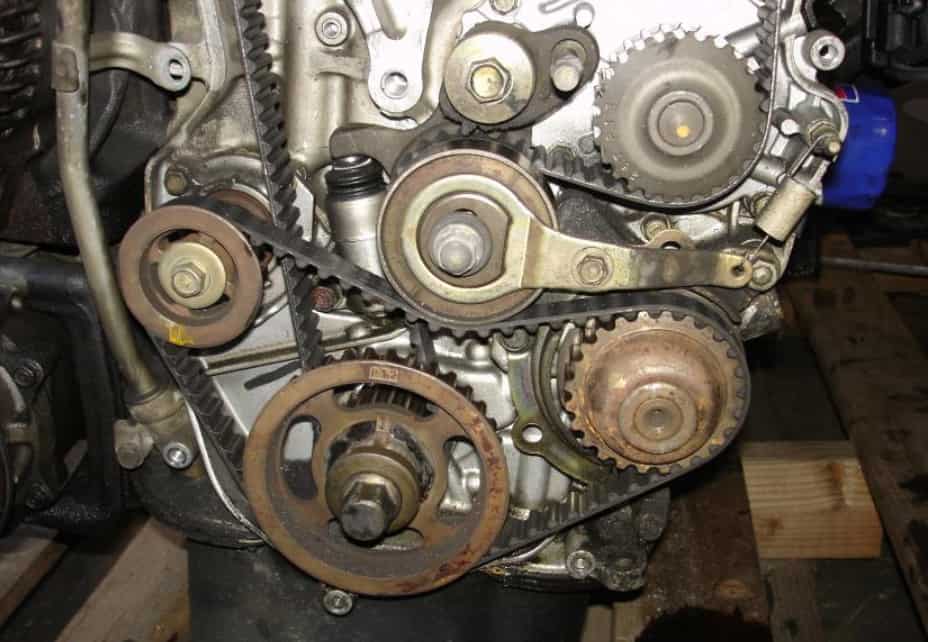
The timing belt is a vital part of the Honda Accord engine timing system. It connects the crankshaft and camshaft to keep their movements synchronized. This synchronization allows the engine valves to open and close at the correct moment during the combustion process. Without accurate timing, the engine cannot produce power efficiently or operate smoothly.
Unlike the serpentine belt, which powers external components such as the alternator and air conditioning system, the timing belt controls internal engine movement. Because of this important role, even a small timing error can affect engine performance. A worn or damaged timing belt may cause poor acceleration, rough engine operation, or complete engine failure.
Honda Accord models that use a timing belt require regular maintenance because the belt material naturally weakens over time. Heat, mileage, and engine conditions can gradually reduce its durability. The belt may continue to look normal from the outside while internal wear increases.
Replacing the timing belt at the recommended interval helps prevent serious engine problems. It also protects expensive components such as valves, pistons, and the cylinder head. Many drivers delay Honda Accord timing belt replacement because they do not notice immediate problems. However, preventive maintenance is usually much less expensive than repairing an engine after timing belt failure.
Understanding how the timing belt works helps Honda Accord owners make better maintenance decisions. A properly maintained timing system supports engine reliability, smoother performance, and a longer vehicle lifespan.
Does Honda Accord Use a Timing Belt or Timing Chain?
Honda Accord models do not all use the same engine timing system. Some older Accord models use a timing belt, while many newer models use a timing chain. The difference depends on the vehicle’s model year and engine configuration. Understanding which system your Honda Accord uses is important before planning any maintenance service.
A timing belt uses reinforced rubber materials to control the connection between the crankshaft and camshaft. Because the material wears over time, manufacturers recommend replacing it at specific mileage or time intervals. A timing chain works differently because it uses metal links and usually lasts longer under normal driving conditions.
Many Honda Accord owners search for information about Honda Accord timing belt replacement because older models require scheduled belt changes. These vehicles need regular inspections to prevent unexpected failures. Newer Accord models with timing chains may not require the same replacement schedule, but they still need proper engine maintenance.
You can identify your vehicle’s timing system by checking the owner’s manual, engine specifications, or manufacturer maintenance information. The engine type also plays an important role because different Honda Accord engines may use different designs.
Knowing whether your vehicle has a timing belt or timing chain helps you plan maintenance correctly. It prevents unnecessary repairs and ensures that your Honda Accord receives the right service at the right time. Always confirm your specific model information before scheduling a timing system inspection or replacement.
Honda Accord Timing Belt Replacement Cost: What Should You Expect to Pay?
The cost of Honda Accord timing belt replacement depends on several factors, including the vehicle’s model year, engine type, replacement parts, and labor rates in your area. In most cases, the total expense includes both the timing belt components and professional installation. Understanding these costs helps owners prepare for this important maintenance service.
A complete timing belt service usually involves more than replacing the belt alone. Many technicians recommend replacing related components at the same time, including the timing belt tensioner, idler pulley, and water pump. These parts work together with the belt, and replacing them together can prevent future repair costs.
Labor represents a large portion of the total replacement price because accessing the timing belt requires removing several engine components. A dealership may charge more due to higher labor rates and manufacturer service standards. An independent repair shop may offer a more affordable option while still providing quality work.
Some Honda Accord owners try to delay replacement because the cost seems high compared with regular maintenance services. However, ignoring the recommended service interval can create a much larger financial problem. A failed timing belt can damage internal engine components and lead to expensive repairs.
Choosing the right replacement service requires balancing cost, quality, and long term reliability. A high quality timing belt kit and experienced technician can help protect your Honda Accord engine and provide peace of mind for many years.
Honda Accord Timing Belt Replacement Cost: What Should You Expect to Pay?
The cost of Honda Accord timing belt replacement depends on several factors, including the vehicle’s model year, engine type, replacement parts, and labor rates in your area. In most cases, the total expense includes both the timing belt components and professional installation. Understanding these costs helps owners prepare for this important maintenance service.
A complete timing belt service usually involves more than replacing the belt alone. Many technicians recommend replacing related components at the same time, including the timing belt tensioner, idler pulley, and water pump. These parts work together with the belt, and replacing them together can prevent future repair costs.
Labor represents a large portion of the total replacement price because accessing the timing belt requires removing several engine components. A dealership may charge more due to higher labor rates and manufacturer service standards. An independent repair shop may offer a more affordable option while still providing quality work.
Some Honda Accord owners try to delay replacement because the cost seems high compared with regular maintenance services. However, ignoring the recommended service interval can create a much larger financial problem. A failed timing belt can damage internal engine components and lead to expensive repairs.
Choosing the right replacement service requires balancing cost, quality, and long term reliability. A high quality timing belt kit and experienced technician can help protect your Honda Accord engine and provide peace of mind for many years.
When Should You Replace a Honda Accord Timing Belt?
Knowing the right time for Honda Accord timing belt replacement helps prevent unexpected engine problems. Unlike regular maintenance items such as engine oil or air filters, a timing belt requires replacement based on mileage and time. Waiting until the belt shows serious damage can put your engine at risk.
The recommended replacement interval depends on the Honda Accord model year and engine type. Many older Accord models require timing belt replacement after reaching a specific mileage range or age period. Vehicle owners should always check the maintenance schedule for their exact model to determine the correct service timing.
Driving conditions can also affect timing belt lifespan. Frequent short trips, extreme temperatures, heavy traffic, and poor maintenance habits can increase wear over time. A vehicle that operates in demanding conditions may need closer inspection compared with one used for regular highway driving.
Many owners make the mistake of replacing the timing belt only when they notice a problem. However, timing belts can fail without obvious warning. Preventive replacement offers better protection because it reduces the risk of sudden engine failure and expensive repairs.
If you recently purchased a used Honda Accord and cannot confirm its service history, inspecting the timing belt should become a priority. Replacing an old timing belt may seem like an unnecessary expense, but it is a valuable investment in engine reliability and long term vehicle ownership.
What Happens If a Honda Accord Timing Belt Breaks?
A broken timing belt can create one of the most serious engine problems for a Honda Accord. When the belt fails, the crankshaft and camshaft stop working together. The engine immediately loses proper timing, which prevents the valves and pistons from moving in the correct sequence.
In many interference engines, a failed timing belt can cause the pistons to collide with the valves. This impact may bend valves, damage pistons, and harm other internal engine components. In severe cases, the engine may require major repairs or even complete replacement.
Many drivers delay Honda Accord timing belt replacement because the vehicle still appears to run normally. However, a timing belt can break suddenly without giving enough warning. The cost of replacing a worn belt is usually much lower than repairing an engine after a complete failure.
A broken timing belt can also leave you stranded without notice. The engine may stop immediately while driving, creating inconvenience and potential safety concerns. Emergency repairs often cost more because they require extensive diagnosis and additional damaged parts.
Regular inspection and scheduled replacement help avoid these risks. Replacing the timing belt at the recommended interval protects important engine components and provides greater confidence during daily driving. For Honda Accord owners, preventive maintenance remains one of the best ways to reduce repair expenses and extend engine life.
Honda Accord Timing Belt Replacement Process Explained
Honda Accord timing belt replacement requires careful planning and precise technical work. The procedure involves several important steps because the timing system must maintain exact alignment for the engine to operate correctly. A professional technician follows a detailed process to ensure proper installation and reliable performance.
The service usually begins with a complete inspection of the timing system and surrounding engine components. The technician checks the condition of the existing belt, tensioner, pulleys, and related parts. This inspection helps identify additional components that may need replacement during the service.
Next, the technician removes the necessary engine covers and components to access the timing belt area. The crankshaft and camshaft must be positioned correctly before removing the old belt. Proper timing alignment is essential because even a small mistake can affect engine performance.
After removing the old belt, the technician installs the new timing belt and related components. Many repair professionals recommend replacing the water pump, tensioner, and idler pulley at the same time. These parts often require similar labor work, making combined replacement a practical choice.
Once the installation is complete, the technician checks the timing marks and tests engine operation. The engine should run smoothly without unusual noises or performance issues.
A proper Honda Accord timing belt replacement process requires experience, accurate tools, and attention to detail. Choosing a qualified technician helps ensure that the new timing system performs correctly and protects your engine for the future.
OEM vs Aftermarket Honda Accord Timing Belt Kits: Which One Is Better?
Choosing the right timing belt kit plays an important role in the reliability of your Honda Accord engine. When replacing a timing belt, many owners must decide between original equipment manufacturer parts and aftermarket options. Both choices can provide good performance, but they have different advantages.
OEM Honda timing belt kits are designed specifically for Honda vehicles. These parts follow the manufacturer’s specifications and offer consistent quality and compatibility. Many owners prefer OEM components because they provide confidence that the parts match the original engine design.
Aftermarket timing belt kits can offer another option for drivers who want to reduce replacement costs. High quality aftermarket brands often produce reliable components that meet industry standards. Some kits include the timing belt, tensioner, pulleys, and other related parts at a competitive price.
However, not all aftermarket products have the same level of quality. Choosing a low cost timing belt kit from an unknown manufacturer may create additional risks. A timing belt is a critical engine component, so reliability should always be a priority over saving a small amount of money.
The best choice depends on your budget, vehicle condition, and maintenance goals. For owners who want maximum compatibility and peace of mind, OEM parts can be a strong option. For those looking for value, a trusted aftermarket timing belt kit may provide excellent performance.
Regardless of your choice, always select quality components and professional installation. A reliable timing belt system helps protect your Honda Accord engine and supports long term vehicle reliability.
Should You Replace a Honda Accord Timing Belt Yourself?
Some experienced car owners consider replacing a Honda Accord timing belt themselves to reduce repair costs. While a DIY approach can save money on labor, timing belt replacement is one of the most complex maintenance tasks in an engine. It requires technical knowledge, proper tools, and careful attention to every step.
The biggest challenge involves timing alignment. The crankshaft and camshaft must stay perfectly synchronized during installation. Even a small mistake can cause poor engine performance or serious internal damage. Incorrect installation may lead to expensive repairs that cost much more than professional service.
A DIY timing belt replacement also requires removing several engine components and accessing areas that are difficult to reach. Many owners underestimate the time, experience, and precision needed for this job. Without the correct equipment, completing the repair safely can become challenging.
Professional technicians have the experience and tools needed to perform the replacement correctly. They can also inspect related components such as the water pump, tensioner, and pulleys during the service. This helps identify potential problems before they create future failures.
For drivers with advanced mechanical skills, a DIY replacement may be possible. However, most Honda Accord owners should consider professional installation to protect their engine and ensure accurate timing alignment. Paying for expert service can provide valuable peace of mind and reduce the risk of costly mistakes.
How to Maintain Your Honda Accord After Timing Belt Replacement
Replacing the timing belt is an important step in protecting your Honda Accord engine, but proper maintenance after the service is equally important. A new timing belt can provide reliable performance for many years when you follow a consistent maintenance routine.
Regular engine oil changes are one of the best ways to support long term engine health. Clean oil helps reduce friction and protects internal engine components. It also helps maintain stable engine operation and prevents unnecessary wear.
You should also monitor the cooling system because excessive heat can affect many engine components. Check the coolant level regularly and follow the recommended maintenance schedule for coolant replacement. A healthy cooling system helps maintain the correct operating temperature and reduces stress on the engine.
Keeping detailed service records is another valuable habit for Honda Accord owners. Maintenance records help you track replacement dates, mileage, and future service needs. This information becomes especially useful if you decide to sell the vehicle or purchase a used Accord.
After Honda Accord timing belt replacement, pay attention to unusual sounds, vibrations, or changes in engine performance. Early detection of potential issues can prevent larger repair problems in the future.
Preventive maintenance protects your investment and helps your Honda Accord deliver dependable performance. A well maintained engine not only lasts longer but also provides better reliability, efficiency, and driving confidence throughout the vehicle’s life.
Conclusion
Honda Accord timing belt replacement is one of the most important maintenance services for protecting your engine and preventing unexpected repair costs. Although the timing belt is not visible during daily driving, it plays a critical role in keeping the engine timing system working correctly.
Understanding the replacement cost, warning symptoms, and recommended service schedule helps you make better decisions as a vehicle owner. A worn timing belt may not always show clear signs before failure, which makes preventive maintenance essential. Replacing the belt at the right time can help prevent serious damage to valves, pistons, and other internal engine components.
Choosing quality replacement parts and working with an experienced technician can improve the reliability of your Honda Accord. Whether you drive an older model that uses a timing belt or simply want to understand your vehicle’s maintenance needs, regular inspections can help protect your investment.
Do not wait until a timing belt failure leaves you with expensive engine repairs. If your Honda Accord has reached its recommended replacement interval or you are unsure about its maintenance history, scheduling an inspection can provide valuable peace of mind. Proper timing belt care helps your vehicle deliver reliable performance and a longer service life.