Choosing between 10W30 and 10W40 engine oil affects more than routine maintenance. The right viscosity helps protect your engine during cold starts, supports stable lubrication at operating temperature, and improves long-term reliability. Although both oils share the same winter rating, they perform differently after the engine reaches normal operating temperature. That difference influences fuel economy, oil pressure, and engine wear.
Many drivers believe thicker oil always protects an engine better. Others think thinner oil always improves fuel economy. Neither statement is true in every situation. Engine manufacturers select a viscosity grade based on engine design, internal clearances, operating temperatures, and expected driving conditions. Choosing the wrong oil can reduce efficiency and increase wear under certain conditions.
This guide compares 10W30 and 10W40 from every important angle. It explains how each oil performs in different temperatures, driving conditions, and engine types. You will also learn when each viscosity grade delivers the best results and whether you can replace one with the other. By the end of this article, you will know which oil matches your vehicle, your driving habits, and your manufacturer’s recommendations.
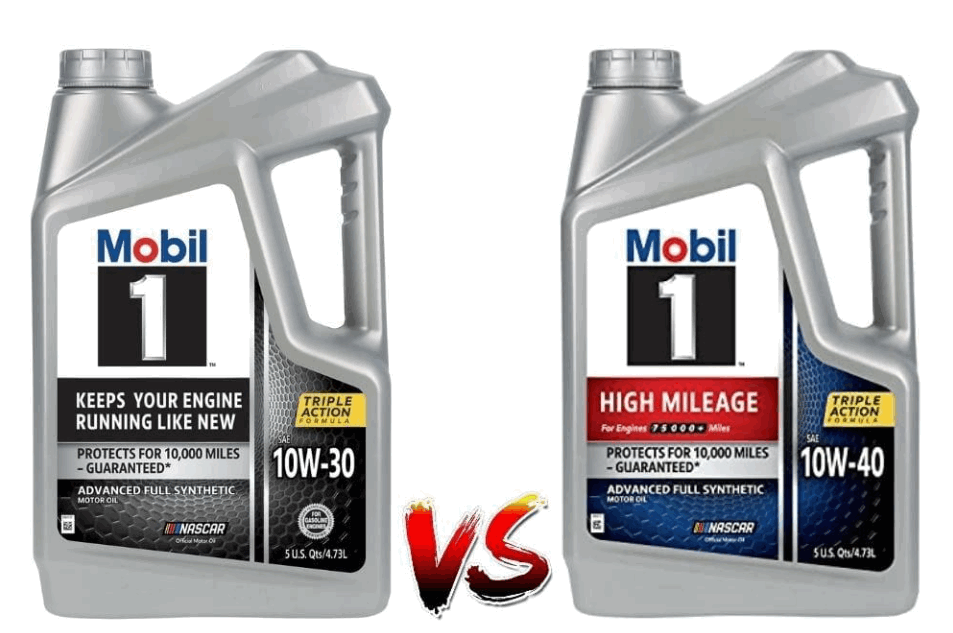
What Is the Difference Between 10W30 and 10W40 Engine Oil?
The main difference between 10W30 and 10W40 engine oil is their viscosity at normal operating temperature. Both oils have the same 10W winter rating, so they flow similarly during cold starts. However, 10W40 remains thicker than 10W30 after the engine reaches its operating temperature. This higher viscosity creates a thicker lubricating film, while 10W30 flows more easily through the engine’s internal components.
The SAE J300 viscosity classification defines how engine oils perform in cold and hot conditions. The number before the letter W indicates how the oil flows at low temperatures. Since both oils carry a 10W rating, they deliver comparable cold-start performance under the same weather conditions. The second number represents the oil’s viscosity when the engine reaches normal operating temperature. A higher number means the oil resists thinning more effectively as heat increases.
This difference directly affects engine performance. A thinner oil such as 10W30 reduces internal resistance and allows engine components to move with less friction. As a result, many modern vehicles achieve better fuel economy and faster oil circulation with this viscosity grade. In contrast, 10W40 forms a thicker oil film that provides additional protection when the engine operates under high temperatures, heavy loads, or demanding driving conditions. That extra thickness also helps maintain stable oil pressure in engines with larger internal clearances.
Neither viscosity grade is universally better. Manufacturers recommend each oil according to engine design, bearing tolerances, cooling efficiency, and expected operating conditions. A newer engine with tight tolerances often performs best with 10W30 because it supports efficient lubrication and lower friction. An older or high-mileage engine may benefit from 10W40 because the thicker oil helps reduce metal-to-metal contact and may limit oil consumption. For that reason, the manufacturer’s recommended viscosity should always take priority over personal preference when selecting engine oil.
How Do 10W30 and 10W40 Perform in Different Driving Conditions?
10W30 and 10W40 perform differently depending on temperature, engine workload, and driving conditions. Both oils provide reliable lubrication during normal operation, but their viscosity characteristics create different advantages. The main difference appears when the engine faces high heat, heavy loads, or extended driving periods. Understanding these conditions helps drivers choose an oil that supports engine performance and protection.
During cold starts, 10W30 and 10W40 provide similar performance because both oils have a 10W winter viscosity rating. This rating means both oils can flow effectively when the engine is cold. Faster oil circulation helps protect internal components during startup because most engine wear occurs before the oil reaches every moving part. In moderate climates, both viscosity grades can support smooth starts and consistent lubrication.
At higher operating temperatures, 10W40 maintains a thicker oil film than 10W30. This characteristic makes it suitable for engines that experience intense heat or continuous stress. For example, vehicles used for towing, carrying heavy loads, or driving in hot climates may require an oil that maintains viscosity under pressure. The thicker film from 10W40 can help reduce friction between engine components when the oil temperature rises.
However, 10W30 often provides advantages for everyday driving. Its lower high-temperature viscosity allows the oil to move more easily through engine passages. This reduces internal resistance and can support better fuel efficiency in engines designed for thinner oils. Many modern vehicles use lower viscosity oils because manufacturers optimize their engines around specific lubrication requirements.
The best choice depends on the engine design rather than driving preference alone. A vehicle that operates mainly in normal conditions may perform efficiently with 10W30. An engine that works under higher stress may benefit from 10W40 when the manufacturer approves that viscosity grade. Checking the owner’s manual remains the most reliable method to select the correct oil.
Is 10W30 or 10W40 Better for Engine Protection and Fuel Economy?
The better oil for engine protection and fuel economy depends on the engine design, operating conditions, and manufacturer specifications. 10W30 and 10W40 protect engines by maintaining lubrication between moving parts, but they achieve this through different viscosity characteristics. A thinner oil can reduce friction and improve efficiency, while a thicker oil can maintain stronger protection under higher stress conditions.
10W40 generally provides a thicker lubricating film at high operating temperatures. This characteristic helps the oil maintain separation between metal surfaces inside the engine. Engines with higher mileage, wider internal clearances, or frequent heavy workloads may benefit from this additional protection. For example, an older engine that consumes oil between changes may perform better with a thicker viscosity if the manufacturer allows its use.
10W30 often provides better fuel economy because it creates less resistance inside the engine. Lower viscosity allows oil to circulate faster and reduces the energy required to move internal components. Modern engines frequently use lower viscosity oils because manufacturers design them with tighter tolerances and advanced lubrication systems. These engines can achieve efficient performance without requiring a thicker oil film.
However, choosing a thicker oil does not automatically mean better engine protection. If an engine requires 10W30, using 10W40 may reduce oil flow efficiency and affect fuel consumption. The oil must match the engine’s lubrication system, oil passages, and operating requirements. A viscosity that is too high or too low can prevent the engine from reaching its designed performance level.
Fuel economy and engine protection represent different priorities. Drivers who use newer vehicles under normal conditions often benefit from 10W30 because it supports efficiency and proper lubrication. Drivers with older engines or demanding operating conditions may prefer 10W40 when it matches the manufacturer’s recommendation. The best oil always balances protection, efficiency, and the specific needs of the engine.
When Should You Choose 10W30?
You should choose 10W30 engine oil when your vehicle manufacturer recommends this viscosity grade and your engine operates under normal driving conditions. This oil works well for many modern engines because it provides efficient lubrication, reduces internal friction, and supports fuel economy. Its lower high-temperature viscosity allows the oil to flow easily through engine components while maintaining sufficient protection.
10W30 is commonly suitable for newer passenger vehicles with tighter engine tolerances. Modern engines use advanced designs that allow thinner oils to create an effective protective layer between moving parts. When the engine receives the correct oil flow, components such as bearings, pistons, and camshafts can operate smoothly with reduced resistance. This balance helps manufacturers improve fuel efficiency while maintaining engine durability.
Drivers who operate vehicles in moderate climates often benefit from 10W30. The oil provides reliable cold-start performance and maintains stable lubrication during regular commuting, city driving, and highway use. For example, a vehicle used mainly for daily transportation without extreme heat, heavy towing, or continuous high loads may perform efficiently with 10W30.
10W30 also supports engines that require lower viscosity oils according to OEM specifications. Vehicle manufacturers test their engines with specific oil grades to achieve the intended performance, emissions control, and fuel consumption targets. Using the recommended viscosity helps maintain the designed relationship between oil flow, pressure, and engine components.
However, 10W30 is not the ideal choice for every situation. Engines that operate under extreme heat, heavy loads, or have significant wear may require a thicker oil if approved by the manufacturer. The correct decision depends on the engine design, driving environment, and maintenance requirements rather than choosing the thickest oil available.
When Should You Choose 10W40?
You should choose 10W40 engine oil when your engine requires stronger high-temperature viscosity or operates under conditions that create additional stress. Compared with 10W30, 10W40 remains thicker when the engine reaches operating temperature. This characteristic helps maintain a stronger oil film and supports lubrication in situations where heat, load, or engine wear becomes a concern.
10W40 is often suitable for high-mileage engines with increased internal clearances. As engines accumulate mileage, components can experience gradual wear that changes the space between moving parts. A thicker oil may help maintain oil pressure and reduce excessive oil movement in these engines. For example, an older vehicle that burns oil between changes may perform better with 10W40 if the manufacturer approves this viscosity grade.
Drivers who operate vehicles in hot climates or demanding conditions may also benefit from 10W40. High temperatures can reduce oil viscosity and make thinner oils lose some protective ability during intense operation. A thicker oil helps maintain lubrication when engines experience extended highway driving, heavy loads, towing, or frequent stop-and-go traffic in warm environments.
10W40 can also support certain performance-oriented applications when it matches the engine requirements. Engines that operate at higher temperatures often need an oil that maintains stable viscosity under stress. However, using 10W40 does not automatically improve every engine. A modern engine designed specifically for 10W30 may experience reduced efficiency if it receives oil that is thicker than recommended.
The correct choice depends on the manufacturer’s specifications and the engine’s condition. 10W40 provides advantages in specific situations, especially when an engine needs additional high-temperature protection. Drivers should check the owner’s manual before changing viscosity grades because the recommended oil ensures the best balance between protection, performance, and fuel efficiency.
Can You Use 10W40 Instead of 10W30?
You can use 10W40 instead of 10W30 only when the engine manufacturer allows both viscosity grades. Although these oils share the same 10W cold-start rating, they have different operating-temperature characteristics. 10W40 stays thicker at higher temperatures, while 10W30 flows more easily when the engine reaches normal operating conditions. This difference can affect oil circulation, fuel efficiency, and engine protection.
The safest approach is to follow the viscosity recommendation in the owner’s manual. Engine manufacturers design lubrication systems around specific oil properties, including viscosity, pressure requirements, and oil flow rates. A small viscosity change may not create problems in some engines, but a significant difference can affect how quickly oil reaches critical components and how efficiently the engine operates.
Some drivers choose 10W40 for engines that experience oil consumption, higher operating temperatures, or increased wear. The thicker oil can help maintain a stronger oil film and improve lubrication stability in certain situations. For example, an older engine with larger internal clearances may benefit from 10W40 if the manufacturer approves the change.
However, using 10W40 in an engine designed for 10W30 can reduce efficiency in some cases. The thicker oil creates more resistance, which may increase internal friction and slightly reduce fuel economy. It can also affect oil circulation during specific operating conditions, especially in engines designed with narrow oil passages.
Switching between 10W30 and 10W40 requires consideration of engine age, climate, driving habits, and manufacturer specifications. The viscosity grade on its own does not determine oil quality. A correct oil choice combines the right viscosity with proper API or ACEA standards and the requirements of the specific engine.
Which Oil Is Better for Your Vehicle?
The better oil for your vehicle is the one that matches your engine design, driving conditions, and manufacturer recommendation. 10W30 and 10W40 both provide engine protection, but each viscosity grade works better in different situations. Choosing the correct oil requires understanding how your engine operates rather than selecting an oil based only on thickness.
A newer vehicle with a modern engine often performs well with 10W30 when the manufacturer specifies this viscosity. These engines usually have tighter internal tolerances and advanced lubrication systems that work efficiently with lower-viscosity oil. The thinner flow characteristics help the oil circulate quickly, reduce friction, and support fuel economy during normal driving.
A high-mileage vehicle or an engine that operates under heavy stress may benefit from 10W40 when it meets the manufacturer’s requirements. The thicker oil can maintain a stronger lubricating layer at higher temperatures and may help engines with increased internal wear maintain stable oil pressure. Drivers who frequently tow, carry heavy loads, or operate vehicles in hot environments may need this additional viscosity support.
Climate also affects oil selection. Both 10W30 and 10W40 provide similar cold-start performance because they share the same winter rating. However, 10W40 can offer more resistance to thinning during extended high-temperature operation. In contrast, 10W30 can provide better efficiency when the engine operates within normal temperature ranges.
The best choice depends on four main factors: engine specifications, vehicle age, operating temperature, and driving conditions. A thicker oil does not always provide better protection, and a thinner oil does not always provide better efficiency. The ideal viscosity creates the right balance between oil flow, engine protection, fuel economy, and long-term reliability. Always check the owner’s manual before changing oil grades because the manufacturer understands the exact requirements of the engine.
Frequently Asked Questions About 10W30 vs 10W40
Is 10W40 thicker than 10W30?
Yes, 10W40 is thicker than 10W30 when the engine reaches normal operating temperature. Both oils have the same 10W winter rating, which means they provide similar cold-start performance. The difference appears in the second number, where 40 indicates higher viscosity than 30 at high temperatures. This allows 10W40 to maintain a thicker oil film during demanding operating conditions.
Can I mix 10W30 and 10W40 engine oil?
You can mix 10W30 and 10W40 in emergency situations because both oils belong to the same general engine oil category. However, mixing different viscosity grades changes the final oil characteristics and should not become a regular maintenance practice. For the best engine performance, drivers should use the viscosity grade recommended by the vehicle manufacturer.
Does 10W40 reduce oil consumption?
10W40 can reduce oil consumption in some older or high-mileage engines because its thicker viscosity helps limit oil movement through worn engine clearances. However, it does not repair mechanical problems that cause oil loss. Excessive oil consumption may result from worn piston rings, valve seals, or other engine issues that require inspection.
Is 10W30 better for newer engines?
10W30 is often better for newer engines when the manufacturer recommends this viscosity grade. Modern engines usually have precise internal designs that work efficiently with lower-viscosity oils. The thinner oil flow helps reduce friction, support fuel efficiency, and deliver fast lubrication during normal operating conditions.
Which oil lasts longer, 10W30 or 10W40?
Neither oil automatically lasts longer because oil life depends on formulation, additives, engine condition, driving habits, and maintenance intervals. A high-quality synthetic 10W30 can outperform a lower-quality 10W40 oil. The most important factor is choosing an oil that meets the required specifications for your engine.
Can synthetic 10W30 provide better protection than conventional 10W40?
Yes, synthetic 10W30 can provide better protection than conventional 10W40 in certain conditions. Synthetic oils usually contain advanced base oils and additives that improve temperature stability, oxidation resistance, and lubrication performance. Viscosity alone does not determine overall oil quality because formulation and certification standards also influence protection.
Does climate determine whether I should use 10W30 or 10W40?
Climate influences oil selection, especially during high-temperature operation. Both oils provide similar cold-start performance because they share the same winter rating. However, 10W40 may perform better in consistently hot environments when the manufacturer approves its use, while 10W30 often suits moderate conditions and fuel-efficient engine designs.
Conclusion
The difference between 10W30 and 10W40 comes from their viscosity performance at normal engine operating temperatures. Both oils provide reliable lubrication during cold starts because they share the same 10W winter rating. However, 10W40 remains thicker under high heat, while 10W30 flows more easily and often supports better fuel efficiency in engines designed for lower viscosity oil.
10W30 is usually the better choice for modern engines, normal driving conditions, and vehicles that prioritize efficiency. Its lower resistance helps maintain smooth oil circulation and supports the performance targets set by many manufacturers. In contrast, 10W40 can provide advantages for high-mileage engines, hot climates, and demanding driving conditions when the manufacturer approves its use.
The best engine oil is not the thickest option available. It is the viscosity grade that matches your vehicle’s design, operating environment, and maintenance requirements. Before changing between 10W30 and 10W40, always check the owner’s manual and follow the recommended specifications. The correct oil choice helps maintain engine protection, fuel economy, and long-term reliability.