Door lock actuator replacement is necessary when the actuator can no longer reliably lock or unlock a vehicle door and diagnosis confirms the actuator is the failed component. Common warning signs include one door that stops responding to the power locks, intermittent locking or unlocking, clicking or buzzing noises inside the door, and a lock that moves slowly or only partway.
A failed power door lock does not automatically mean the actuator needs replacement. A blown fuse, damaged wiring, faulty door lock switch, loose electrical connector, or binding door latch can produce similar symptoms. Diagnosing the system before buying replacement parts helps identify the actual fault and prevents unnecessary repairs.
Replacing a door lock actuator generally involves removing the interior door panel, accessing the locking mechanism, disconnecting the actuator from its electrical connector and linkage, installing the replacement unit, and testing the lock before reassembly. The difficulty, labor time, and total replacement cost depend on the vehicle design, actuator location, and whether the actuator is sold separately or integrated with the door latch assembly. This guide explains the symptoms, diagnosis, replacement process, cost factors, DIY requirements, and causes of door lock actuator failure.
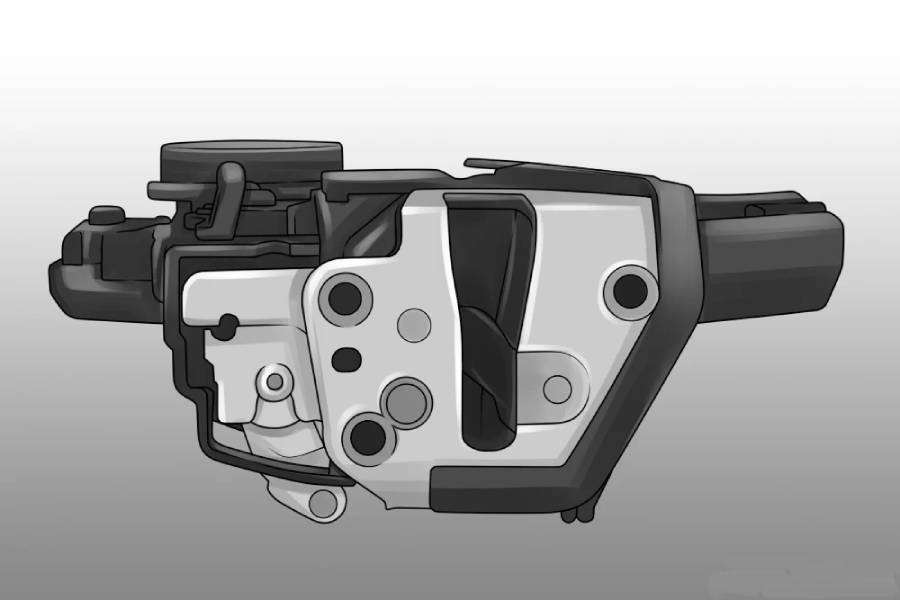
What Is a Door Lock Actuator and What Does It Do?
A door lock actuator is an electromechanical component that converts an electrical lock or unlock command into the mechanical movement needed to operate a vehicle’s door lock. It is part of the power door lock system and works with components such as the door latch, lock linkage, electrical wiring, door lock switch, and vehicle control system.
When the driver presses a door lock switch or uses the key fob, the power lock system sends an electrical command to the actuator. A small electric motor inside the actuator produces movement through internal gears or another drive mechanism. That movement operates the linkage or latch mechanism, changing the door between its locked and unlocked positions. The exact design varies by vehicle; some vehicles use a separate actuator, while others incorporate the actuator into a larger door latch assembly.
The actuator therefore connects the electrical and mechanical sides of a power door lock. An electrical problem can prevent the actuator from receiving the command, while an internal actuator failure can prevent a correctly received command from moving the lock. This distinction is important during diagnosis because a power lock that does not work does not, by itself, prove that the door lock actuator has failed.
What Are the Symptoms of a Bad Door Lock Actuator?
There are 5 common symptoms that can indicate a bad door lock actuator: a door that does not respond to the power locks, intermittent operation, unusual noises, slow or incomplete lock movement, and a manual lock that works when the power lock does not. These symptoms occur when the actuator can no longer convert an electrical command into consistent mechanical movement. However, similar problems can also result from wiring, switches, connectors, or the door latch, so the symptoms should be followed by diagnosis before replacement.
One door that does not lock or unlock with the power locks is a strong actuator-related symptom, especially when the other doors operate normally. A system-wide problem is more likely to affect multiple locks, while an actuator is installed at an individual door. For example, if three doors respond normally to the key fob but the front passenger door remains locked, the fault is more localized and the passenger-door actuator becomes one component that should be tested.
Intermittent locking or unlocking can occur when the actuator is beginning to operate inconsistently. The door may respond on one attempt but fail on the next, or it may work under some conditions and stop responding later. Internal wear can reduce the actuator’s ability to produce reliable movement, but an intermittent electrical connection can create a similar pattern. Testing the actuator circuit is therefore necessary before treating intermittent operation as proof of actuator failure.
Clicking, buzzing, or other abnormal sounds from inside the door can indicate that the actuator receives a command but cannot operate the locking mechanism normally. The electrical motor or internal mechanism may still move without producing enough effective movement to lock or unlock the door. The location and timing of the noise matter: a sound that occurs inside the affected door immediately after pressing the lock switch provides more useful diagnostic information than an unrelated noise that occurs while driving.
Slow or incomplete lock movement indicates that the power lock system is attempting to operate but the mechanism is not completing its full travel. The lock button may move only partway, hesitate, or require repeated commands before reaching the locked or unlocked position. A weak actuator can cause this behavior, but resistance in the latch or linkage can also restrict movement. The mechanical components should be checked so that a binding latch is not mistaken for an electrical actuator failure.
A door that locks manually but does not respond to an electrical command can point toward the power-lock side of the system. Manual operation demonstrates that at least part of the mechanical locking mechanism can still move, while failed power operation indicates a problem somewhere between the electrical command and actuator-driven movement. The actuator is one possible cause, along with its wiring, connector, switch, or control circuit. Confirming which component has failed is the next step before door lock actuator replacement.
How Do You Diagnose a Bad Door Lock Actuator?
To diagnose a bad door lock actuator, verify the symptoms, compare the affected door with the other power locks, inspect the electrical circuit and locking mechanism, and confirm that the actuator is the component failing to produce the required movement. Diagnosis matters because a blown fuse, faulty switch, damaged wire, loose connector, or mechanical problem in the latch can produce symptoms similar to actuator failure.
Start by operating the power locks from every available control, such as the key fob and interior door lock switch. Compare the affected door with the other doors. If none of the power locks responds, the problem is more likely to involve a shared part of the system than a single door lock actuator. If the other doors operate correctly but one door consistently fails, the diagnosis can be narrowed to components associated with that individual door.
Check the fuse and relevant power-lock circuit before replacing the actuator. A blown fuse can interrupt electrical power and prevent the locking system from operating. The door lock switch should also be considered when the failure occurs only with a particular control. For example, an actuator that responds to the key fob but not to one interior switch is still capable of operating, so replacing it without checking the switch and its circuit could result in an unnecessary repair.
Inspect the wiring and electrical connector when the problem remains isolated to one door. Wiring routed between the vehicle body and door repeatedly flexes as the door opens and closes, while connectors at the actuator provide the electrical connection needed for operation. A damaged wire, poor connection, or other circuit fault can prevent a functional actuator from receiving the command it needs. Electrical testing should confirm whether the actuator receives the required command before an internal actuator failure is assumed.
The mechanical locking components also need inspection because resistance in the latch or linkage can prevent normal actuator movement. If the actuator attempts to operate but the lock moves slowly, stops partway, or requires excessive force, determine whether the resistance originates inside the actuator or elsewhere in the locking mechanism. A binding latch or disconnected linkage requires a different repair from an internally failed actuator.
The diagnosis supports actuator replacement when the electrical command reaches the actuator, the surrounding lock mechanism can operate correctly, and the actuator still fails to lock or unlock the door as designed. This approach separates the failed component from other electrical and mechanical faults instead of using symptoms alone as the basis for replacement.
When Does a Door Lock Actuator Need to Be Replaced?
A door lock actuator needs to be replaced when diagnosis confirms that the actuator itself can no longer operate the door lock reliably and the failure cannot be corrected by repairing an external electrical or mechanical problem. Replacement is appropriate when the actuator fails completely, operates intermittently because of an internal fault, or cannot produce enough movement to operate the lock mechanism correctly.
Complete actuator failure is the clearest replacement condition. The affected door may stop responding to electrical lock and unlock commands even though the circuit delivers the required command to the actuator. In this situation, an internal motor, gear, or other actuator component may no longer produce the mechanical movement needed to operate the lock.
Intermittent or weak operation can also justify replacement once external causes have been eliminated. An actuator does not need to stop working completely before it becomes defective. A unit that repeatedly fails to unlock, operates only after several attempts, or produces movement without completing the lock cycle is no longer performing reliably. Replacement restores consistent operation when testing identifies the actuator as the source of that behavior.
Do not replace the door lock actuator when diagnosis identifies another component as the actual cause. Repair the electrical connection if the actuator is not receiving the required command because of damaged wiring or a connector problem. Address the fuse, switch, latch, or linkage when one of those components is responsible for the failure. Replacing a functional actuator in these cases adds parts and labor costs without correcting the original problem.
Vehicle design also determines what is actually replaced. Some vehicles use an actuator that can be removed as an individual component, while others incorporate the actuator into a door latch or lock assembly. The replacement procedure and required part must therefore match the specific year, make, model, door position, and locking-system design of the vehicle. Confirming the correct configuration before disassembly prevents ordering an incompatible part or replacing more of the locking assembly than necessary.
How Do You Replace a Door Lock Actuator?
To replace a door lock actuator, remove the interior door panel, access the locking mechanism, disconnect the electrical connector and mechanical linkage, remove the faulty actuator, install the replacement unit, and test the power lock before completing reassembly. The exact procedure varies by vehicle because the actuator may be mounted separately or integrated into the door latch assembly.
Before starting, confirm that the replacement actuator matches the vehicle’s year, make, model, and specific door position. A front driver-side actuator may differ from a rear or passenger-side unit even within the same vehicle. Review the vehicle-specific repair procedure before removing components because door-panel fasteners, electrical connectors, window components, cables, and latch assemblies are arranged differently across models.
What Tools Do You Need to Replace a Door Lock Actuator?
Door lock actuator replacement typically requires tools for removing interior trim, fasteners, electrical connectors, and the actuator or latch assembly. Common examples include a trim removal tool, screwdrivers, a ratchet and socket set, and the appropriate driver bits for the vehicle’s fasteners. The exact tools depend on how the manufacturer secures the door panel and locking components.
A trim removal tool helps release door-panel clips without applying concentrated force to the surrounding trim. Screwdrivers, sockets, or specialized bits may be required for screws and bolts located around the door handle, armrest, door-panel perimeter, latch, or actuator mounting points. Using the correct tool size reduces the risk of damaging fasteners that must be reused during installation.
Electrical and safety requirements also depend on the vehicle. The door may contain wiring for the window motor, speakers, mirror controls, courtesy lights, switches, and other equipment in addition to the lock actuator. Follow the vehicle manufacturer’s service information for battery-disconnection procedures and precautions when the door contains supplemental restraint system components or other sensitive electrical equipment.
How Do You Remove and Replace a Door Lock Actuator?
Remove and replace a door lock actuator by gaining access through the interior side of the door, disconnecting the old unit from its electrical and mechanical connections, and installing the replacement actuator in the same operating position. Keep track of each fastener, connector, cable, rod, and clip during disassembly because incorrect reconnection can prevent the lock, latch, handle, or other door components from operating properly.
Begin by removing the screws, trim pieces, switch assemblies, and clips securing the interior door panel. Fasteners are often located around the interior handle, pull handle, armrest, or edges of the panel, but their positions vary by model. Release the panel carefully rather than pulling it away abruptly because electrical connectors and cables may remain attached behind it.
Disconnect the necessary electrical connectors and remove the door panel once it is free. The door may also have a moisture barrier or access cover between the trim panel and internal components. Move or remove this barrier according to the vehicle-specific repair procedure without unnecessarily damaging it because it helps separate the interior trim area from moisture entering the door cavity.
Locate the actuator or actuator-and-latch assembly inside the door. Disconnect its electrical connector and identify the rods, cables, or linkages connecting the locking mechanism to the handles and lock controls. Note their routing and attachment positions before releasing them. Incorrectly installed linkage can leave the power actuator operational while preventing the door from locking, unlocking, opening, or latching correctly.
Remove the fasteners securing the actuator or latch assembly and maneuver the component through the available access opening. Door construction can make this step more difficult because the actuator may sit behind window tracks, structural sections, or other mechanisms. Do not force the component past surrounding parts when the service procedure requires another component to be repositioned or removed first.
Compare the old and replacement components before installation. Verify the electrical connector, mounting points, linkage attachments, physical orientation, and overall configuration. Install the new actuator in the correct position, secure its fasteners, reconnect the linkage or cables, and attach the electrical connector. Reinstall any components that were moved to gain access.
How Do You Test a New Door Lock Actuator?
Test a new door lock actuator by verifying repeated lock and unlock operation from the vehicle’s available power-lock controls and confirming that the door latch, handles, and manual locking mechanism still operate correctly. Testing before the door is completely reassembled can make an installation problem easier to identify and correct, provided the vehicle-specific procedure allows the system to be operated safely in that condition.
Operate the lock several times using the interior switch and key fob when both controls are available. The actuator should complete its lock and unlock movement consistently without hesitation, incomplete travel, or abnormal noises. Compare its operation with the other doors when useful, but account for normal differences in sound between door designs and component locations.
Check the mechanical functions as well as the electrical operation. Verify that the interior and exterior handles release the latch correctly, the manual lock control moves normally, and the door can be locked and unlocked as intended. These checks help identify a misplaced cable, rod, or linkage that may have occurred during actuator installation.
Complete the reassembly only after the electrical and mechanical functions have been verified. Reinstall the moisture barrier or access cover, reconnect the required electrical components, position the door panel, engage its clips, and reinstall the original fasteners and trim pieces. A final lock, unlock, latch, and handle test confirms that the door operates correctly after the complete door lock actuator replacement.
How Much Does Door Lock Actuator Replacement Cost?
Door lock actuator replacement cost consists primarily of the replacement part and labor required to access, remove, install, and test the actuator. The final price varies by vehicle because actuator design, door construction, part availability, and labor requirements differ between makes and models. An actuator sold as a separate component can also produce a different repair cost from a vehicle that requires replacement of an integrated door latch and actuator assembly.
A diagnostic charge may be added when the cause of the power-lock problem has not already been confirmed. Diagnosis is important because replacing the actuator will not correct a failed switch, damaged wiring, poor electrical connection, blown fuse, or binding latch. Related damage discovered during disassembly can also increase the final repair bill beyond the actuator replacement itself.
How Much Do Parts and Labor Cost?
Parts and labor are the 2 primary costs of door lock actuator replacement. Parts cost depends on the specific actuator required, while labor cost depends on the time needed to reach and replace it multiplied by the repair facility’s labor rate. A vehicle-specific estimate is therefore more useful than treating one national price as applicable to every vehicle.
Replacement parts can differ substantially in design. Some vehicles use a standalone actuator, while others combine the actuator with the door latch in one assembly. The second design requires replacing a larger component even when the electrical actuator is the part that failed. The required part may also differ between the driver, passenger, front, and rear doors.
OEM and aftermarket parts provide another source of price variation. An OEM actuator is manufactured for the vehicle manufacturer’s specified application, while aftermarket manufacturers offer alternative replacement components for many vehicles. Price alone should not determine compatibility; the electrical connector, mounting points, actuator configuration, door position, and vehicle application must match the original system.
Labor covers more than simply unbolting the failed actuator. A technician may need to remove interior trim, disconnect switches and wiring, move a moisture barrier, release lock rods or cables, remove the actuator or latch assembly, install the replacement, reconnect the locking mechanism, and test the system. Vehicles with restricted access or more complex door assemblies require additional labor compared with designs where the actuator is easier to reach.
What Affects Door Lock Actuator Replacement Cost?
There are 6 main factors that affect door lock actuator replacement cost: vehicle application, actuator design, door position, replacement-part choice, labor rate, and additional repairs. These factors explain why two vehicles with the same basic power-lock symptom can receive different repair estimates.
Vehicle make, model, and model year determine the component configuration and replacement procedure. Actuator design determines whether a small standalone unit or a larger integrated latch assembly must be purchased. Door position also matters because the driver-side, passenger-side, and rear-door mechanisms may use different components or require different levels of disassembly.
Part selection changes the parts portion of the estimate. OEM and aftermarket actuators can carry different prices, and availability can affect the number of practical replacement options for a specific application. Labor rates then determine how much the required repair time contributes to the total bill.
Additional faults increase the cost when actuator replacement alone cannot restore proper operation. Damaged wiring, broken connectors, worn linkage, a defective latch, or damaged trim fasteners may require separate parts or labor. A complete estimate should therefore identify both the confirmed actuator failure and any related work rather than presenting every power-lock repair as a fixed-price actuator replacement.
How Long Does It Take to Replace a Door Lock Actuator?
The time required to replace a door lock actuator depends primarily on actuator accessibility, door construction, component design, and whether additional diagnosis or repair is required. There is no single replacement time that accurately applies to every vehicle because manufacturers package door-lock components differently.
Accessibility has a direct effect on labor time. A relatively accessible actuator may require removal of the interior door panel and several electrical or mechanical connections before it can be replaced. A less accessible unit may require additional components to be disconnected or repositioned before the technician can remove the actuator through the door’s access opening.
An integrated latch and actuator assembly can also change the procedure. The technician may need to disconnect multiple rods or cables connected to the interior handle, exterior handle, lock mechanism, and latch before removing the assembly. Each connection must then be installed in the correct position and tested after replacement.
Diagnosis and complications can extend the overall repair time beyond the physical actuator installation. An intermittent failure may require electrical testing, while damaged connectors, wiring faults, seized fasteners, broken trim clips, or binding lock components can add work. For this reason, the most accurate time estimate comes from the repair procedure and labor information for the vehicle’s specific year, make, model, and affected door rather than a universal estimate for all door lock actuator replacements.
How Long Does a Door Lock Actuator Last?
A door lock actuator does not have a universal replacement interval and is generally replaced when it develops a confirmed functional failure. Its service life varies with actuator design, operating frequency, environmental exposure, condition of the locking mechanism, and other vehicle-specific factors. For this reason, actuator condition is more useful than a fixed mileage or age when deciding whether replacement is necessary.
Door lock actuators operate every time the power locking system commands the affected door to lock or unlock. Each operating cycle requires the actuator to convert electrical energy into mechanical movement. Repeated use therefore subjects its internal motor and drive mechanism to wear over time. A frequently operated driver-side door, for example, may accumulate a different number of operating cycles from a rear door that is used less often, although usage alone does not determine when either actuator will fail.
The condition of the surrounding locking mechanism can also affect actuator operation. The actuator is designed to move the lock or latch through a specific range. A binding latch, stiff linkage, or other mechanical resistance increases the effort required to complete that movement. When a lock starts moving slowly or stopping partway, both the actuator and the mechanism it operates should be inspected rather than assuming the actuator has simply reached the end of a predetermined lifespan.
Environmental conditions can affect components inside the door as well. Moisture intrusion, corrosion at electrical connections, and contamination around mechanical parts can interfere with reliable operation. Correcting these problems when they are discovered helps protect the replacement system from the same external condition, although it does not guarantee a specific actuator lifespan.
There is therefore no reason to replace a normally functioning door lock actuator solely because a vehicle reaches a particular age or mileage unless vehicle-specific service information states otherwise. Replacement becomes appropriate when symptoms develop and diagnosis confirms that the actuator can no longer operate the lock reliably.
Read more: Service Power Steering Drive with Care: Meaning, Causes and Fixes
Can You Drive With a Bad Door Lock Actuator?
A bad door lock actuator does not normally prevent the vehicle from being driven, but it can prevent the affected door from locking or unlocking correctly and create security or access problems. The distinction is important: the actuator belongs to the door-locking system rather than the vehicle’s powertrain, but a malfunctioning lock should still be repaired because the affected door may no longer operate as intended.
The immediate effect depends on how the actuator fails. A door may remain manually operable even when its power lock stops working, or the lock may operate intermittently and become unreliable. In other cases, problems involving the actuator, latch, or linkage can make locking or unlocking the door more difficult. The actual door operation should be checked rather than assuming every actuator failure produces the same result.
Vehicle security is one reason not to ignore a failed actuator. If the affected door does not lock when the key fob or central locking switch is used, the driver may believe the entire vehicle is secured when one door remains unlocked. Manually checking the affected door can identify this condition until the fault is repaired.
Accessibility is another concern. An actuator or related locking-mechanism problem can interfere with normal entry or exit through the affected door. A door that cannot be reliably unlocked deserves more immediate attention than a minor convenience problem because occupants need the door and latch system to operate correctly. If the door cannot be securely latched, normal driving should not continue until the latch problem is corrected.
A failed actuator should also be distinguished from a defective door latch. The actuator provides powered locking and unlocking movement, while the latch mechanically keeps the door closed. If the symptom includes a door that will not latch securely, opens unexpectedly, or cannot be operated normally, the complete locking and latching mechanism requires inspection rather than treating the problem as an isolated power-lock inconvenience.
Door lock actuator replacement should therefore be scheduled after a confirmed failure even when the vehicle remains drivable. Repair restores reliable powered locking and reduces the risk of leaving a door unintentionally unlocked or losing normal access through the affected door.
How Can You Prevent Door Lock Actuator Problems?
You cannot prevent every door lock actuator failure, but you can reduce avoidable stress on the system by addressing stiff lock operation, water intrusion, damaged wiring, and abnormal actuator behavior before they create additional problems. Internal motors and drive mechanisms can wear with use, so preventive care should focus on keeping the electrical connections and mechanical components around the actuator operating as intended rather than attempting to eliminate normal component wear.
Repair a stiff or binding locking mechanism when the lock begins requiring unusual force or fails to complete its movement smoothly. The actuator must move the associated linkage or latch each time the power lock operates. Resistance elsewhere in the mechanism can increase the load required to complete that movement. A lock that moves slowly, stops partway, or behaves differently from the other doors should therefore be inspected for both actuator problems and mechanical resistance.
Address abnormal moisture inside the door rather than replacing electrical components without identifying why they were exposed. Vehicle doors are designed to manage water entering around the window area, and their internal barriers and drainage paths help control where that water travels. Damaged barriers, blocked drainage paths, or other water-intrusion problems can expose electrical connectors and mechanisms to excessive moisture. Correcting the underlying condition helps prevent the same environment from affecting a replacement actuator or its connections.
Inspect wiring and connectors when power-lock operation becomes intermittent. The actuator depends on a reliable electrical connection to receive each lock and unlock command. Loose connections, damaged wires, or corrosion can interrupt that command and create symptoms that resemble an internally failing actuator. Repairing an external electrical fault early can restore normal operation without replacing a functional actuator.
Avoid repeatedly forcing a lock that has already started malfunctioning. Repeated commands do not correct a mechanical obstruction, damaged linkage, weak electrical connection, or internally defective actuator. If the lock clicks, buzzes, moves only partway, or requires repeated attempts, diagnose the cause instead of continuing to cycle the power lock and assuming it will return to normal.
Check the complete locking mechanism when symptoms first appear. Early diagnosis is the most practical way to prevent a minor power-lock problem from turning into an unnecessary or more complicated repair. Testing the actuator, wiring, connector, latch, and linkage identifies which component actually needs attention and helps avoid replacing parts that remain functional.