A Dodge Ram tailgate stuck closed is usually caused by a failed latch mechanism, a seized release cable, a broken handle, corrosion inside the latch assembly, or a malfunctioning power lock actuator. Although the problem often appears suddenly, the latch mechanism typically deteriorates over time due to dirt buildup, moisture, repeated use, or lack of lubrication. Identifying the exact cause before forcing the tailgate open helps prevent damage to the handle, linkage rods, or tailgate panel, which can significantly increase repair costs.
Because the tailgate protects both the truck bed and its cargo, a latch that remains locked affects more than convenience. It can prevent access to tools and equipment, interrupt daily work, and create additional repair challenges if the locking components become further damaged. In many cases, however, the underlying issue is limited to one worn or seized component rather than the entire tailgate assembly, making the repair simpler and less expensive than many owners expect.
This guide explains why a Dodge Ram tailgate gets stuck closed, how the latch mechanism operates, the most common causes of failure, and the safest methods to diagnose and repair the problem. It also covers model-year differences, maintenance practices that reduce future failures, and the situations where replacing the latch assembly is more practical than attempting a repair. By following a logical troubleshooting process, you can determine whether the issue requires basic maintenance, a replacement part, or professional service.
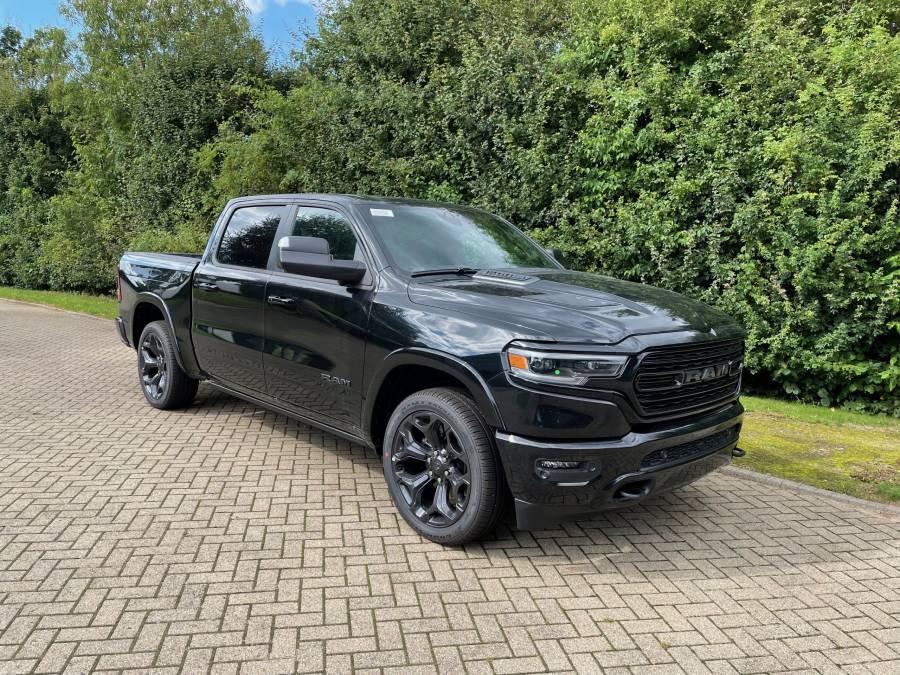
Why Is My Dodge Ram Tailgate Stuck Closed?
A Dodge Ram tailgate becomes stuck closed because one or more components in the latch system fail to release simultaneously. In most cases, the problem originates from a worn latch assembly, a seized release cable, corrosion inside the locking mechanism, a broken tailgate handle, accumulated debris, or a malfunctioning power lock actuator. Although these failures produce the same symptom—a tailgate that will not open—they require different repair methods. Identifying the failed component before disassembling the tailgate reduces repair time and prevents unnecessary replacement of working parts.
The six most common causes of a Dodge Ram tailgate stuck closed are:
- Worn or damaged tailgate latch
- Seized or disconnected release cable
- Broken tailgate handle
- Rust or corrosion inside the latch mechanism
- Dirt, sand, or debris preventing latch movement
- Faulty power lock actuator or locking system
A worn or damaged tailgate latch
A worn latch assembly is the most common reason a Dodge Ram tailgate remains closed. Every time the tailgate is opened or closed, the latch rotates around pivot points while springs return the mechanism to its resting position. After thousands of operating cycles, these moving parts wear, the springs lose tension, or internal components become misaligned. As a result, pulling the handle no longer releases both latches simultaneously.
Typical symptoms include a handle that moves normally without opening the tailgate, one side of the tailgate releasing while the opposite side remains locked, or a clicking sound with no movement from the latch. If these symptoms appear consistently, replacing the latch assembly is often more effective than attempting to rebuild individual internal components.
A seized or disconnected release cable
The release cable can prevent the tailgate from opening if it stretches, disconnects, or seizes inside its protective housing. When the tailgate handle is pulled, the cable transfers force from the handle to the left and right latch mechanisms. If the cable no longer moves freely, the handle may feel loose, unusually stiff, or fail to provide enough travel to disengage the latches.
Moisture entering the cable housing can lead to internal corrosion, while years of repeated operation gradually weaken the cable strands. In colder climates, water trapped inside the housing may freeze, temporarily preventing cable movement until temperatures rise.
A broken tailgate handle
A damaged tailgate handle prevents sufficient force from reaching the latch mechanism. Many Dodge Ram models use plastic handle assemblies reinforced with metal pivot points. Over time, repeated pulling, heavy loads on the tailgate, or exposure to ultraviolet light can weaken the plastic housing or wear the pivot mechanism.
When the handle fails, it may move farther than normal, feel disconnected from the latch, or remain loose after being released. In many cases, the latch assembly itself remains functional, making handle replacement a relatively inexpensive repair.
Rust or corrosion inside the latch mechanism
Corrosion restricts the movement of internal latch components and eventually causes them to seize. Pickup trucks frequently operate in rain, snow, mud, or environments where road salt accelerates oxidation. Moisture entering the latch assembly gradually corrodes springs, pivot pins, and locking surfaces until friction prevents the latch from rotating freely.
Corrosion-related failures often develop gradually. Owners may first notice that the tailgate requires additional force to open before it eventually remains completely locked. Applying lubricant may temporarily improve operation during the early stages, but severe corrosion generally requires replacing the affected components.
Dirt and debris blocking the latch
Dust, mud, sand, and road debris can physically block the latch from releasing. Unlike corrosion, which damages metal surfaces over time, debris creates a mechanical obstruction that prevents springs and pivot points from completing their normal movement.
This issue is especially common on trucks used for construction, farming, landscaping, or off-road driving. Fine dirt mixes with old grease inside the latch assembly, forming a thick residue that increases friction and restricts movement. Regular cleaning followed by application of a silicone-based lubricant helps prevent this type of failure.
A malfunctioning power lock actuator
On Dodge Ram models equipped with power tailgate locks, a failed actuator can keep the latch in the locked position even when the handle operates correctly. The actuator receives electrical signals from the vehicle’s locking system and moves an internal linkage that allows the latch to release. If the actuator motor fails, loses electrical power, or becomes mechanically jammed, the locking mechanism may never disengage.
Common signs include the tailgate remaining locked while all other doors unlock normally, the absence of actuator noise when pressing the key fob, or intermittent operation that changes with temperature or vibration. Diagnosing this issue usually requires checking electrical connections, actuator movement, and linkage alignment before replacing components.
How Does the Dodge Ram Tailgate Latch Mechanism Work?
The Dodge Ram tailgate latch mechanism converts the movement of the exterior handle into a synchronized release of two locking latches. Understanding how this system operates makes it easier to identify which component has failed when the tailgate becomes stuck.
What happens when you pull the tailgate handle?
Pulling the tailgate handle applies mechanical force to the release linkage. As the handle pivots outward, it pulls one or more linkage rods or release cables connected to the latch assemblies located on both sides of the tailgate. The movement rotates each latch away from the striker mounted on the truck bed, allowing the tailgate to swing downward under its own weight.
Because both latches must release simultaneously, even a minor restriction on one side can keep the entire tailgate closed. This explains why a single damaged cable, seized latch, or bent linkage rod can prevent the tailgate from opening.
Which components keep the tailgate locked?
Several components work together to secure the tailgate during normal operation. The primary locking system includes:
- Tailgate handle
- Release linkage rods or cables
- Left and right latch assemblies
- Return springs
- Striker bolts
- Lock cylinder or power lock actuator (depending on model)
- Mounting brackets and pivot points
Each component performs a specific function. The handle initiates movement, the linkage transfers force, the latches grip the striker, and the springs return the mechanism to its locked position after the handle is released. Failure of any single component can interrupt the entire release sequence.
Which parts fail most often?
The latch assembly experiences the highest wear because it contains the majority of the moving components. Springs cycle every time the tailgate opens, pivot points experience constant friction, and the latch remains exposed to moisture, dust, and road debris throughout the truck’s service life.
After the latch assembly, the most frequently replaced components include the tailgate handle, release cables or linkage rods, and power lock actuator on electronically equipped models. Regular inspection, cleaning, and lubrication significantly extend the service life of these components and reduce the likelihood of the tailgate becoming stuck unexpectedly.
How Can You Diagnose a Stuck Dodge Ram Tailgate?
Diagnosing a stuck Dodge Ram tailgate requires identifying which component prevents the latch from completing its release cycle. A systematic inspection is faster and more accurate than replacing parts based on symptoms alone because the handle, linkage, latch assembly, and locking mechanism all work together. Begin with the components that are easiest to inspect before moving to the internal hardware.
What should you inspect first?
Inspect the tailgate handle and its movement before disassembling the tailgate. The handle provides immediate clues about the condition of the release mechanism.
If the handle feels loose and offers little resistance, the release cable or linkage rod may have disconnected from the latch. If the handle is unusually stiff, corrosion or debris inside the latch mechanism is likely preventing normal movement. A handle that does not move at all may indicate a seized latch or a locking system that remains engaged.
Next, inspect the gaps around both sides of the tailgate. An uneven gap may indicate that one latch has released while the other remains locked. This situation is common when only one linkage rod bends or one latch becomes seized.
After checking the exterior, examine the tailgate for visible rust, impact damage, or signs that the latch has been contaminated with mud, sand, or road debris. Trucks used for towing, construction, farming, or off-road driving accumulate contamination much faster than vehicles used primarily on paved roads.
How do you determine whether the latch or handle has failed?
Observe how the latch responds when the handle is operated. The relationship between handle movement and latch movement usually identifies the failed component.
If the handle moves normally but neither latch responds, the release cable, linkage rod, or handle connection has likely failed.
If the handle moves only part of its normal travel before stopping, the latch mechanism is probably seized by corrosion or debris.
If one side of the tailgate releases while the other remains locked, inspect the latch assembly on the side that remains engaged. A broken return spring, bent linkage rod, or seized pivot commonly produces this symptom.
If the handle feels disconnected and returns without resistance, remove the inner access panel once the tailgate is opened to inspect whether the retaining clips securing the linkage rods remain attached. Plastic retaining clips become brittle with age and can break without warning.
How do you identify a lock actuator problem?
The power lock actuator should be inspected only after confirming that the mechanical latch components operate correctly. On models equipped with power tailgate locks, the actuator controls whether the latch is allowed to release.
Press the lock and unlock buttons while listening near the center of the tailgate. A properly functioning actuator produces a distinct mechanical sound each time it cycles.
If no sound is present while the other door locks operate normally, inspect the actuator wiring, electrical connectors, fuse, and actuator motor. If the actuator operates but the tailgate remains locked, the actuator linkage may be bent, disconnected, or binding against the latch assembly.
Intermittent failures are also common. A weak actuator may function in warm weather but fail during cold temperatures because the internal motor cannot overcome increased resistance within the locking mechanism.
How Do You Open a Dodge Ram Tailgate That Is Stuck Closed?
A stuck Dodge Ram tailgate should be opened by manually releasing the latch mechanism instead of forcing the handle or pulling on the tailgate. Applying excessive force rarely frees the latch and often breaks the plastic handle, bends the linkage rods, or damages the tailgate sheet metal. A controlled approach minimizes repair costs and preserves reusable components.
Can you open it without damaging the tailgate?
Yes. Most stuck tailgates can be opened without causing permanent damage if the latch is released manually. The exact procedure depends on whether the inner access panel can be reached while the tailgate remains closed.
On many Dodge Ram models, sufficient access is available by removing the tailgate access panel from inside the truck bed. Once removed, the latch rods and release mechanism become visible, allowing the latches to be disengaged manually with basic hand tools.
If interior access is restricted, carefully creating working space between the tailgate and bed liner may provide enough clearance to reach the linkage. The objective is always to release the latch directly rather than applying additional force to the exterior handle.
How do you access the latch from inside the truck bed?
After gaining access to the inner panel, locate the release linkage connected to both latch assemblies. The linkage rods extend from the handle toward the left and right sides of the tailgate where each latch engages the striker.
Using a flat-head screwdriver or a suitable trim tool, manually rotate the affected latch while maintaining light pressure on the tailgate. If corrosion is preventing movement, apply a penetrating lubricant and allow several minutes for it to work before attempting another release.
When only one latch remains engaged, releasing that side manually usually allows the entire tailgate to open. Once opened, inspect every moving component before reinstalling the access panel.
Which tools are required?
Most Dodge Ram tailgate repairs require only basic hand tools. Depending on the model year and repair procedure, prepare the following equipment before beginning the inspection:
- Flat-head screwdriver
- Phillips screwdriver
- Torx bit set
- Socket wrench with metric sockets
- Trim panel removal tool
- Needle-nose pliers
- Flashlight or inspection light
- Penetrating lubricant
- Silicone-based lubricant
- Replacement retaining clips if damaged
Having replacement clips available is recommended because older plastic retainers frequently crack during removal even if they appear undamaged beforehand.
What mistakes should you avoid?
Several common mistakes can turn a minor latch repair into an expensive tailgate replacement. Avoiding these errors reduces the risk of additional damage during diagnosis.
Do not pry aggressively against the exterior sheet metal because the tailgate skin bends more easily than the latch mechanism.
Do not continue pulling the handle repeatedly after it has stopped operating normally. Excessive force commonly fractures the handle while leaving the original latch problem unresolved.
Do not apply grease directly over dirt and corrosion. Always clean the latch assembly before lubricating it because contaminated grease traps abrasive particles that accelerate wear.
Do not replace the latch assembly before confirming that the handle, linkage rods, retaining clips, and lock actuator function correctly. In many cases, the latch itself remains serviceable while a much less expensive component has failed.
How Do You Fix a Dodge Ram Tailgate That Won’t Open?
The correct repair depends on the component that caused the tailgate to remain closed. In many cases, cleaning and lubricating the latch restores normal operation. However, components that are bent, cracked, heavily corroded, or worn beyond their service limits should be replaced instead of repaired. Performing the repairs in the correct order also prevents replacing functional parts unnecessarily.
How do you lubricate the latch correctly?
Cleaning the latch before applying lubricant is the most effective way to restore smooth operation. Spraying lubricant directly onto dirt and old grease traps contaminants inside the mechanism, accelerating wear instead of reducing it.
Begin by opening the tailgate and exposing the latch assemblies on both sides. Remove loose dirt using compressed air or a soft nylon brush. If hardened grease or road grime is present, clean the latch with a degreaser before wiping the area dry.
Once the mechanism is clean, apply a silicone-based lubricant or a high-quality dry-film lubricant to every pivot point, spring, rotating lever, and striker contact surface. Operate the handle repeatedly while opening and closing the tailgate several times to distribute the lubricant throughout the mechanism.
Avoid applying excessive amounts of lubricant. A thin protective coating reduces friction without attracting excessive dust or sand that could shorten the service life of the latch.
How do you adjust the linkage rods?
Improper linkage adjustment can prevent both latches from releasing at the same time. Even when the latch assemblies remain in good condition, incorrect linkage length may stop one side from disengaging completely.
Inspect both linkage rods for bends, loose retaining clips, or excessive play. If one rod has shifted from its original position, adjust its length according to the manufacturer’s specifications until both latches begin moving simultaneously when the handle is pulled.
After adjustment, test the tailgate at least ten consecutive times. The handle should move smoothly, both latches should release together, and the tailgate should close securely without requiring additional force.
If the linkage cannot be adjusted because the rods are bent or the retaining clips no longer hold them securely, replacing the damaged hardware provides a more reliable long-term solution.
How do you replace a damaged latch?
Replacing the latch assembly is recommended when cleaning, lubrication, and linkage adjustment no longer restore normal operation. Modern replacement latch assemblies are supplied as complete units, making installation simpler than rebuilding individual internal components.
After opening the tailgate, remove the interior access panel and disconnect the linkage rods or release cables from the existing latch. Unbolt the latch assembly from the tailgate structure and compare the replacement part with the original to verify that the mounting points, cable connections, and striker alignment are identical.
Install the new latch in the reverse order of removal. Tighten all fasteners to the manufacturer’s torque specification, reconnect the linkage, and verify that each retaining clip is fully seated before reinstalling the access panel.
If both latch assemblies show similar wear, replacing them as a pair often provides more consistent operation and reduces the likelihood of another failure shortly afterward.
How do you test the repair?
Every repair should be verified before the truck returns to normal use. A tailgate that appears fixed during one test may still contain alignment or locking issues that become noticeable after repeated operation.
Open and close the tailgate at least ten to fifteen times while observing whether both latches engage and release evenly. Check that the handle returns fully after every pull and that the locking mechanism functions correctly with both the key fob and manual lock, if equipped.
Inspect the tailgate gaps on both sides after closing. Equal spacing indicates proper latch alignment, while uneven gaps may suggest that one latch or striker requires further adjustment.
Finally, drive the vehicle over uneven pavement and verify that the tailgate remains securely closed without rattling. Excessive movement usually indicates worn latch components, loose striker bolts, or incomplete engagement.
When Should You Replace the Tailgate Latch Instead of Repairing It?
The tailgate latch should be replaced when structural wear or internal damage prevents reliable operation. Lubrication and adjustment resolve many minor problems, but severely worn components cannot consistently hold or release the tailgate under normal operating conditions.
Replace the latch assembly if you observe any of the following conditions:
- Broken or weakened return springs
- Cracked latch housing
- Excessive corrosion on pivot points
- Rounded or worn locking surfaces
- Bent latch levers
- Persistent sticking after cleaning and lubrication
- Internal damage caused by impact or attempted forced entry
A latch that intermittently sticks is often approaching the end of its service life. Although temporary lubrication may restore operation for a short period, recurring failures generally indicate internal wear that cannot be permanently repaired.
Complete latch assemblies are relatively affordable compared with repairing damaged tailgate panels or replacing cargo lost because the tailgate unexpectedly opened during driving. Replacing a worn latch early is usually the more economical decision.
Which Dodge Ram Model Years Commonly Experience Tailgate Problems?
Do Ram 1500 models have common latch failures?
Ram 1500 trucks from multiple generations can develop latch-related problems as mileage and age increase. Earlier models are more likely to experience mechanical wear, while newer models equipped with electronic locking systems may develop actuator or electrical faults in addition to traditional latch failures.
Owners commonly report sticking latches after years of exposure to road salt, heavy cargo use, or infrequent lubrication. Plastic handle assemblies may also become brittle after prolonged exposure to sunlight and temperature fluctuations.
Are Ram 2500 and 3500 tailgate issues different?
The basic latch mechanism on Ram 2500 and Ram 3500 models operates similarly to the Ram 1500, but heavier commercial use often accelerates wear. Trucks used for towing, agriculture, construction, or fleet service typically experience more frequent tailgate operation and greater exposure to mud, dust, and debris.
Because these trucks often carry heavier equipment, tailgates may also experience higher closing forces that gradually increase wear on latch pivots and striker surfaces.
Have newer Ram models improved the tailgate mechanism?
Newer Ram models incorporate stronger materials and improved locking systems, but no latch mechanism is completely maintenance-free. Electronic locking features improve convenience but introduce additional components such as actuators, wiring, and control modules that can also fail over time.
Routine inspection and lubrication remain the most effective methods for extending latch life regardless of model year.
How Can You Prevent Your Dodge Ram Tailgate From Getting Stuck Again?
Regular maintenance significantly reduces the likelihood of future latch failures. Most stuck tailgates develop gradually as contamination accumulates and moving parts lose lubrication. Preventive maintenance requires only a few minutes several times each year but can extend the service life of the entire latch assembly.
Clean the latch mechanism every three to six months, or more frequently if the truck operates in dusty, muddy, or snowy environments. Remove accumulated dirt before applying fresh silicone lubricant to all moving components.
Inspect the linkage rods and retaining clips during routine maintenance. Replacing inexpensive clips before they fail helps prevent unexpected loss of tailgate function.
Check the striker bolts for looseness and verify that the tailgate closes evenly on both sides. Misalignment places unnecessary stress on the latch assembly and accelerates wear.
Avoid slamming the tailgate whenever possible. Closing it with controlled force reduces repeated impact on the latch and striker while extending the lifespan of springs, pivots, and locking surfaces.
If the truck is equipped with power tailgate locks, periodically verify that the actuator locks and unlocks smoothly. Addressing intermittent electrical issues early helps prevent complete actuator failure.
Frequently Asked Questions About Dodge Ram Tailgate Problems
Why won’t my tailgate open even though the handle moves?
The most likely causes are a broken release cable, disconnected linkage rod, worn latch assembly, or seized latch mechanism. The handle may still move normally even though it is no longer transferring enough force to release both latches.
Can I drive with a stuck tailgate?
Yes, if the tailgate is securely locked in the closed position. However, delaying repairs is not recommended because the underlying problem typically worsens over time. If the latch begins releasing unpredictably, cargo security and road safety may be compromised.
How much does it cost to replace a Dodge Ram tailgate latch?
Replacement costs vary depending on the model year, latch design, and labor rates. Owners who perform the repair themselves generally pay only for the replacement latch and basic supplies, while professional repairs include diagnostic time and installation labor.
Can I replace the latch myself?
Yes. Most Dodge Ram tailgate latch replacements can be completed by experienced DIY owners using standard hand tools. The repair requires removing the interior access panel, disconnecting the linkage rods or release cables, replacing the latch assembly, and testing the mechanism before reassembly. If the tailgate is severely damaged or the electrical locking system requires diagnosis, professional service may be the more efficient option.