If your Chevy Silverado starts jerking, slipping gears, or making strange noises, you should pay attention immediately. These are early signs of transmission trouble, and they rarely fix themselves.
Many truck owners face this problem at some point. The real issue is not just the damage. It is the cost and uncertainty that follow. A small delay in shifting can quickly turn into a major repair. In some cases, you may end up paying thousands of dollars for a full rebuild or replacement.
Transmission issues also affect your driving safety. A delayed gear response or sudden slip can put you at risk, especially when towing or driving on highways. That is why early detection matters.
In this guide, you will learn about the most common Chevy Silverado transmission problems, the warning signs you should never ignore, and proven fixes that actually work. Whether you want to fix a current issue or prevent future damage, this article will help you make smarter decisions and protect your investment.
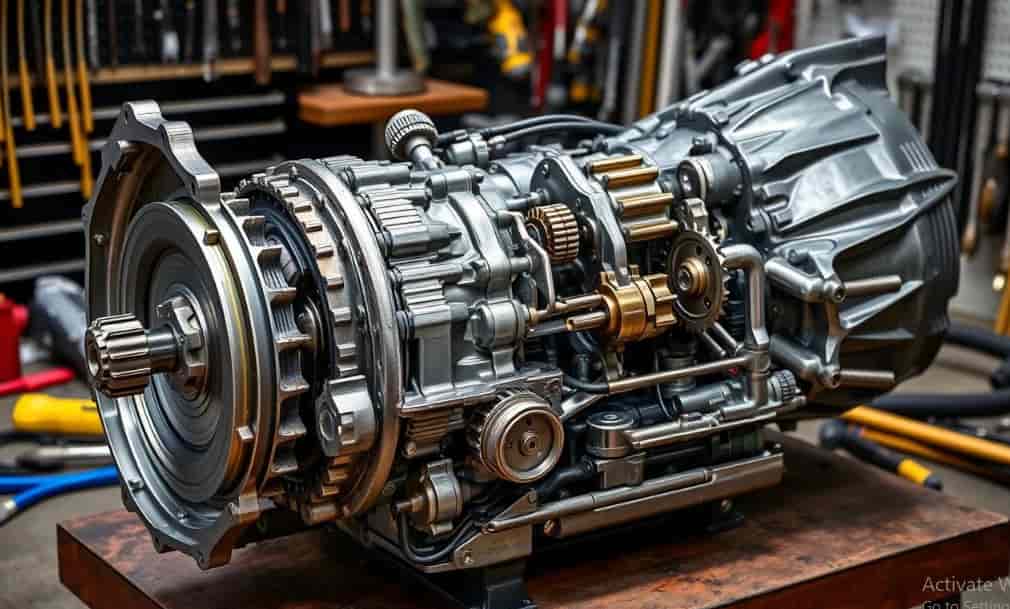
Most Common Chevy Silverado Transmission Problems
When drivers experience issues with Chevy Silverado transmission systems, the problems usually fall into a few predictable categories. These issues often begin with subtle changes in performance, but they can quickly develop into serious and costly failures if ignored.
One of the most common problems is transmission slipping. This happens when the truck unexpectedly changes gears or loses power during acceleration. The engine may rev higher, but the vehicle does not gain speed properly. In most cases, this issue comes from low or degraded transmission fluid, which reduces hydraulic pressure inside the system. Worn clutch components can also cause the gears to lose proper engagement. If caught early, a fluid replacement may help, but advanced cases often require internal repairs.
Another frequent issue is hard or rough shifting. Drivers often describe it as a strong jerk when the vehicle changes gears. This problem is commonly linked to faulty shift solenoids or issues in the transmission control system. Sometimes the cause is electronic rather than mechanical, which means a diagnostic scan or software reset can resolve the issue. However, worn internal parts can also lead to persistent shifting problems.
Delayed gear engagement is another warning sign. In this case, the truck takes a few seconds to respond after shifting into Drive or Reverse. Dirty transmission fluid or wear inside the valve body often causes this delay. Finally, overheating can occur when the transmission is under heavy load, especially during towing. Poor cooling or stressed components can cause the fluid to lose its effectiveness, increasing the risk of damage.
Symptoms of Chevy Silverado Transmission Problems
When your Chevy Silverado starts developing transmission issues, it usually gives you warning signs before a complete failure happens. Recognizing these symptoms early can help you avoid expensive repairs and unexpected breakdowns.
One of the most noticeable signs is a burning smell coming from the engine area. This often indicates overheated transmission fluid, which loses its ability to lubricate and protect internal components. Another common symptom is delayed or rough gear shifting. You may feel hesitation when the truck moves from Park to Drive, or experience sudden jerks during acceleration.
Strange noises are also a clear warning. Grinding, whining, or clunking sounds often suggest internal wear or insufficient fluid pressure. These sounds usually become more noticeable when the vehicle changes gears under load. In addition, a slipping sensation may occur, where the engine revs increase but the truck does not accelerate smoothly. This is one of the most serious early indicators of transmission failure.
You should also pay attention to dashboard alerts. A check engine light may appear when the transmission control system detects abnormal behavior. In some cases, diagnostic codes directly point to transmission-related faults. Fluid leaks are another critical symptom. Transmission fluid is usually red or dark brown, and any visible leakage under the vehicle should be checked immediately.
Ignoring these symptoms often leads to more severe damage and higher repair costs. Early detection allows for simpler fixes such as fluid replacement or minor component repair, while delayed action may require a full rebuild.
What Causes Chevy Silverado Transmission Problems
Transmission issues in the Chevy Silverado do not happen randomly. They usually come from a combination of maintenance habits, driving conditions, and component wear over time. Understanding these causes helps you prevent costly failures before they start.
One of the most common causes is poor maintenance. Many owners delay transmission fluid changes, which leads to contamination and loss of lubrication. When the fluid becomes dirty or breaks down, it can no longer maintain proper hydraulic pressure. This directly affects shifting quality and long-term durability.
Driving habits also play a major role. Aggressive acceleration, frequent hard braking, and constant stop-and-go driving put extra stress on the transmission. Towing heavy loads without proper equipment or cooling support can make the problem even worse. Over time, this extra strain accelerates internal wear.
Another factor is component degradation. Parts such as solenoids, clutch packs, and valve bodies naturally wear down with mileage. When these components start failing, the transmission may shift unpredictably or lose efficiency. In some cases, electronic control issues can also contribute, especially in modern models that rely heavily on software for gear management.
Manufacturing variations or design weaknesses in certain model years can also increase the risk of transmission problems. Some Silverado generations are known to experience higher failure rates, especially under heavy use conditions.
In most cases, transmission problems develop gradually. Small issues like fluid degradation or minor wear slowly evolve into major failures if they are not addressed early. That is why regular maintenance and careful driving are essential for long-term reliability.
Proven Fixes for Chevy Silverado Transmission Problems
When transmission issues appear in the Chevy Silverado, the right fix depends on how early you detect the problem. Some solutions are simple and affordable, while others require deeper mechanical work. Acting early can save you from expensive repairs.
The first and most important fix is checking and replacing the transmission fluid. Old or contaminated fluid is one of the main reasons for shifting problems. Fresh fluid restores proper pressure and improves gear response. In many cases, this alone can significantly improve performance if the damage is still minor.
If the issue continues, a transmission flush may be needed. This process removes built-up debris and sludge inside the system. It helps restore smoother operation and prevents further internal wear. However, it must be done correctly to avoid damaging older transmissions.
For more serious problems, replacing faulty components is often required. Parts like shift solenoids, valve bodies, or sensors can fail over time. Replacing these components can restore proper shifting without needing a full rebuild.
In advanced cases, a transmission rebuild or complete replacement may be the only solution. This usually happens when internal clutch packs or gears are severely worn. While this option is expensive, it can fully restore vehicle performance and extend its lifespan.
Preventive maintenance is also a key part of long-term fixes. Regular fluid checks, avoiding overheating, and reducing heavy load stress can prevent future failures. Combining early detection with proper maintenance is the most effective way to avoid major transmission problems.
How to Prevent Chevy Silverado Transmission Problems
Preventing issues in the Chevy Silverado transmission system is always easier and cheaper than repairing a failure. Most serious problems develop slowly, which means consistent care can make a big difference in long-term performance.
The most important step is maintaining clean transmission fluid. Regular fluid checks help ensure proper lubrication and stable hydraulic pressure. Dirty or old fluid should be replaced before it starts affecting shifting quality. Many experts recommend changing it within the manufacturer’s service interval, especially if the truck is used for towing or heavy work.
Driving habits also matter. Smooth acceleration and avoiding sudden gear changes reduce stress on internal components. Heavy towing without proper cooling support should be avoided, as it increases heat and accelerates wear. Installing an additional transmission cooler can help control temperature in demanding conditions.
Routine inspections are also important. Small leaks, unusual noises, or early shifting delays should never be ignored. Fixing minor issues early prevents them from turning into expensive repairs later.
Overall, prevention is about consistency. Simple habits like fluid maintenance, careful driving, and early diagnostics can significantly extend the life of your transmission and reduce the risk of unexpected breakdowns.
Conclusion
Transmission problems are one of the most critical issues Silverado owners may face, but they are not unavoidable. Most failures in the Chevy Silverado begin with small warning signs such as slipping gears, rough shifting, or delayed engagement. When these symptoms are recognized early, the repair process becomes simpler and far less expensive.
Throughout this guide, you have learned the most common transmission problems, their symptoms, causes, and proven fixes. The key takeaway is that timing matters. A small fluid issue can turn into a full transmission rebuild if it is ignored for too long. On the other hand, early maintenance and proper driving habits can significantly extend the lifespan of your vehicle.
If you are currently experiencing any of these symptoms, the safest approach is to diagnose the issue as soon as possible. Delaying action often leads to higher repair costs and increased risk on the road.
Have you experienced any transmission issues with your Silverado? Sharing real-world experiences can help other owners make better decisions and avoid the same problems.