When an automatic car suddenly refuses to shift gears, it often shows the message “Shift Inhibited Select N to Reset.” This situation can confuse many drivers. The car may feel stuck or unresponsive. Many people assume the transmission has failed.
In most cases, this warning does not mean a serious breakdown. The vehicle triggers this message to protect the transmission system. Modern cars use electronic control units to manage gear shifting. These systems monitor signals from sensors, the brake pedal, and the gear selector.
When the system detects an abnormal condition, it blocks gear changes. This action prevents damage to the gearbox. The driver is then asked to shift the gear into Neutral. This step allows the system to reset and clear temporary faults.
Understanding this message helps drivers stay calm in such situations. It also helps avoid incorrect actions that may worsen the issue. Most of the time, the problem comes from electrical signals or sensor inconsistencies. It is not always a mechanical failure.
However, repeated warnings should not be ignored. They may indicate deeper issues in the transmission system. This article explains the meaning of the warning, its common causes, and how to fix it safely.
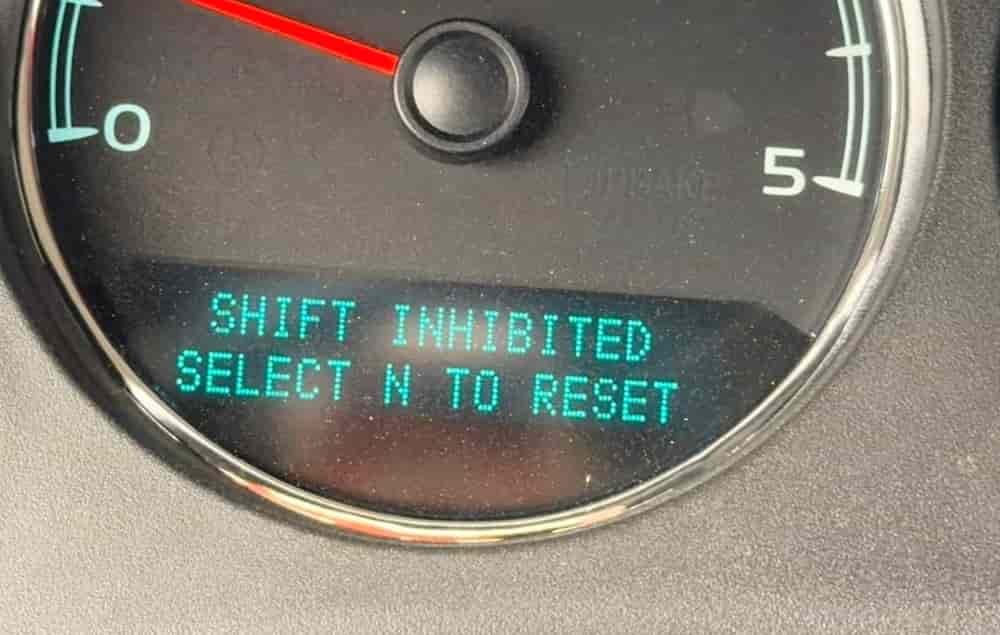
What Does “Shift Inhibited Select N to Reset” Mean?
The message “Shift Inhibited Select N to Reset” appears when the vehicle’s transmission system detects an abnormal condition and temporarily blocks gear shifting. In simple terms, the car does not allow you to change gears because the system is protecting itself from possible damage.
Modern automatic vehicles rely on an electronic system called the Transmission Control Unit. This unit communicates with sensors in the gear selector, brake pedal, and engine. It decides when and how the transmission should shift. When everything works normally, gear changes happen smoothly and automatically.
However, when the system receives inconsistent or unclear signals, it reacts by entering a protective mode. In this state, it locks the gear selector and prevents movement between P, R, D, or other positions. This is why the driver sees the “shift inhibited” warning.
The instruction “Select N to Reset” is part of the recovery process. The system asks the driver to move the gear into Neutral so it can reset its internal logic. Neutral is used because it disconnects the transmission from engine load, allowing the system to recalibrate safely.
In many cases, this warning does not indicate permanent damage. It often points to temporary communication issues between electronic components. These issues can come from low battery voltage, sensor misalignment, or software glitches inside the control unit.
Understanding this behavior is important. The vehicle is not malfunctioning randomly. It is actively trying to prevent damage to the gearbox. When drivers respond correctly and follow the reset instruction, the system can often return to normal operation without repair.
Common Causes of the Error
The “Shift Inhibited Select N to Reset” warning usually appears due to issues in the electronic or electrical system rather than a complete gearbox failure. Several common causes can trigger this message in modern automatic vehicles.
One of the most frequent reasons is a weak or unstable battery. The transmission control system depends on stable voltage to communicate with sensors. When the battery voltage drops, the system may misread signals and activate protection mode. This often happens when the car has not been used for a long time or the battery is near the end of its life.
Another common cause is a faulty gear selector. The gear lever contains sensors that tell the system which position the driver selects. If these sensors fail or send incorrect signals, the system cannot confirm the gear position. As a result, it blocks shifting and displays the warning.
Brake pedal sensor issues can also trigger this message. In many vehicles, the system requires a valid brake signal before allowing gear changes. If the brake sensor fails or becomes inconsistent, the transmission may lock itself as a safety measure.
Problems in the Transmission Control Unit can also be responsible. The TCU is the brain of the gearbox system. Software glitches, temporary errors, or communication delays between modules can cause the system to enter a protective state even when no physical damage exists.
In some cases, wiring issues or loose electrical connections may interrupt signals between components. This can confuse the system and lead to sudden shift inhibition.
Although these causes may sound serious, many of them are temporary or electrical in nature. That is why the system often allows a reset by shifting to Neutral. However, repeated occurrences suggest a deeper issue that needs professional diagnosis.
Symptoms You May Notice
When the “Shift Inhibited Select N to Reset” message appears, the vehicle usually shows several clear symptoms. These signs help you identify that the transmission system has entered a protective mode.
The most obvious symptom is that the gear selector becomes unresponsive. You may try to shift from Park to Drive or Reverse, but the lever does not move or the car does not react. In some cases, the gear may feel locked in place.
Another common symptom is the inability to engage driving modes normally. Even if the engine starts without any issue, the vehicle refuses to move because the transmission remains locked. This can create the impression that the gearbox has completely failed.
Drivers may also notice a warning message on the dashboard that stays visible. The message often repeats even after restarting the engine. This indicates that the system has not cleared the fault condition.
In some situations, the car may allow limited movement but behave unpredictably. For example, it may delay gear engagement or shift harshly. This happens because the transmission control system is operating in a safety fallback mode.
You might also hear unusual clicking sounds from the gear selector or notice that the brake pedal must be pressed harder than usual before any response occurs. These small signs often point to sensor or electrical communication issues.
Although these symptoms can feel alarming, they do not always mean permanent damage. In many cases, the system is simply preventing unsafe operation. Recognizing these symptoms early helps you respond correctly and avoid unnecessary stress or incorrect handling.
How to Fix “Shift Inhibited Select N to Reset”
When the “Shift Inhibited Select N to Reset” warning appears, the goal is to restore normal communication between the vehicle’s electronic systems. In many cases, you can resolve the issue without complex repairs if you follow the correct steps.
Start by shifting the gear selector into Neutral. This is the first and most important instruction from the system. Hold the position for a few seconds to allow the transmission control unit to reset its internal state. In some vehicles, this alone is enough to clear the warning.
Next, restart the engine. Turn the ignition off completely, wait about 30 to 60 seconds, and start the car again. This helps reset electronic modules and clears temporary glitches in the system memory.
After that, check the battery condition. A weak or unstable battery is a common trigger for this issue. If the voltage is low, the system may not function correctly. Recharging or replacing the battery often restores normal operation.
If the warning still appears, inspect the brake pedal response. Make sure the brake lights turn on when you press the pedal. If they do not, the brake sensor may be faulty and needs attention.
In some cases, a diagnostic scan using an OBD2 tool is necessary. This scan reads error codes from the transmission control unit and helps identify the exact source of the problem. It is especially useful when the issue keeps returning.
If none of these steps work, the problem may involve the gear selector module, wiring, or the transmission control unit itself. At this point, professional inspection is required to avoid further damage.
Following these steps in order helps you handle the situation safely. It also reduces the risk of unnecessary repairs and helps you understand whether the issue is temporary or system-related.
When You Should Go to a Mechanic
Although many cases of “Shift Inhibited Select N to Reset” can be solved with simple steps, there are situations where professional inspection becomes necessary. Recognizing these situations early helps prevent further damage to the transmission system.
You should visit a mechanic if the warning message keeps returning even after you have reset the system. A recurring issue usually indicates an underlying fault that cannot be fixed by basic troubleshooting. This may involve sensors, wiring, or the transmission control unit.
Another clear sign is when the gear selector remains completely locked. If you cannot shift into any driving mode after multiple attempts, the system may have detected a serious communication failure. In this case, continued attempts can increase wear on electronic components.
You should also seek professional help if the vehicle shows additional symptoms such as harsh shifting, delayed engagement, or unusual mechanical behavior. These signs suggest that the transmission is no longer operating in normal mode.
If diagnostic tools reveal error codes related to the gearbox, TCU, or gear selector module, a mechanic should inspect the system in detail. These codes often point to specific components that need repair or replacement.
It is also important to consider safety. Driving a vehicle with a persistent shift inhibition warning can increase the risk of sudden loss of control or inability to change gears when needed. This is especially dangerous in traffic or high-speed conditions.
A qualified technician can perform advanced diagnostics, check electrical wiring, and test the transmission system under load. This ensures the root cause is identified accurately and repaired correctly.
Seeking help at the right time prevents small electrical issues from turning into costly transmission failures.
Is It Safe to Drive With This Warning?
Driving with the “Shift Inhibited Select N to Reset” warning is not recommended in most situations. Even if the vehicle still starts or moves slightly, the transmission system is already operating under a protective mode. This means normal control over gear shifting is not fully available.
In some cases, the car may still allow limited movement. However, the system can suddenly restrict shifting at any time. This creates unpredictable behavior, especially in traffic or during low speed maneuvers such as parking or turning.
The main risk is loss of control over gear selection. If the transmission locks while driving, you may not be able to switch between drive and reverse when needed. This can create dangerous situations, particularly in busy roads or intersections.
Another concern is potential damage to the transmission system. When the vehicle continues operating under abnormal conditions, stress increases on electronic components and internal gearbox parts. Over time, this may lead to more serious and expensive failures.
Even if the warning temporarily disappears after a reset, it does not always mean the issue is fully resolved. The system may still carry hidden faults that can return later. This is why repeated warnings should never be ignored.
In general, short and careful movement to a safe location or repair shop may be acceptable. However, extended driving should be avoided until the root cause is identified and fixed.
The safest approach is to treat this warning as an early alert from the vehicle. It is a signal that the transmission system is not functioning normally and requires attention before continuing regular use.
Conclusion
The “Shift Inhibited Select N to Reset” warning is an important alert from your vehicle’s transmission system. It does not always indicate serious mechanical damage. In most cases, it appears when the system detects irregular signals and activates a protective mode to prevent further issues.
Modern automatic vehicles rely heavily on electronic communication between the transmission control unit, sensors, and gear selector. When this communication becomes unstable, the system may block gear shifting and request a reset through Neutral mode. This behavior is designed to protect the gearbox, not to stop the vehicle randomly.
Many cases are linked to simple causes such as low battery voltage, sensor errors, or temporary software glitches. These issues can often be resolved through basic steps like shifting to Neutral, restarting the engine, or checking electrical components. However, repeated occurrences should always be taken seriously.
Ignoring the warning or continuing to drive without proper diagnosis can increase the risk of transmission damage and unsafe driving conditions. Early inspection helps prevent costly repairs and ensures the vehicle operates safely.
Understanding this warning gives drivers more confidence when handling unexpected transmission behavior. Instead of panic, a structured response helps identify whether the issue is temporary or requires professional repair.
If the problem persists, professional diagnostic support is the best solution to protect both the vehicle and driving safety.