The Chevy Cruze Service Power Steering warning often appears suddenly on the dashboard and immediately catches the driver’s attention. When this message shows up, the steering wheel may feel heavier, and the vehicle may respond less smoothly during turns. This situation can create stress because steering is one of the most important systems for safe driving.
In most Chevy Cruze models, the steering system uses Electric Power Steering or EPS instead of a traditional hydraulic setup. This system relies on sensors, electrical signals, and stable battery voltage to assist the driver. When any part of this system fails or works outside normal limits, the car triggers the warning message to alert you.
This issue can come from several sources. A weak battery can reduce system performance. A faulty torque sensor can send incorrect steering data. Problems in the EPS module can also stop the system from working correctly. Even small wiring faults can interrupt communication between components.
Although the car may still move, the steering can become noticeably harder. This makes low speed driving and parking more difficult. In some cases, the issue may appear temporarily, but it can also indicate a deeper electrical or mechanical problem.
This guide explains what Chevy Cruze Service Power Steering means in simple terms. It also covers the main causes and shows practical steps to diagnose and fix the issue safely and effectively.
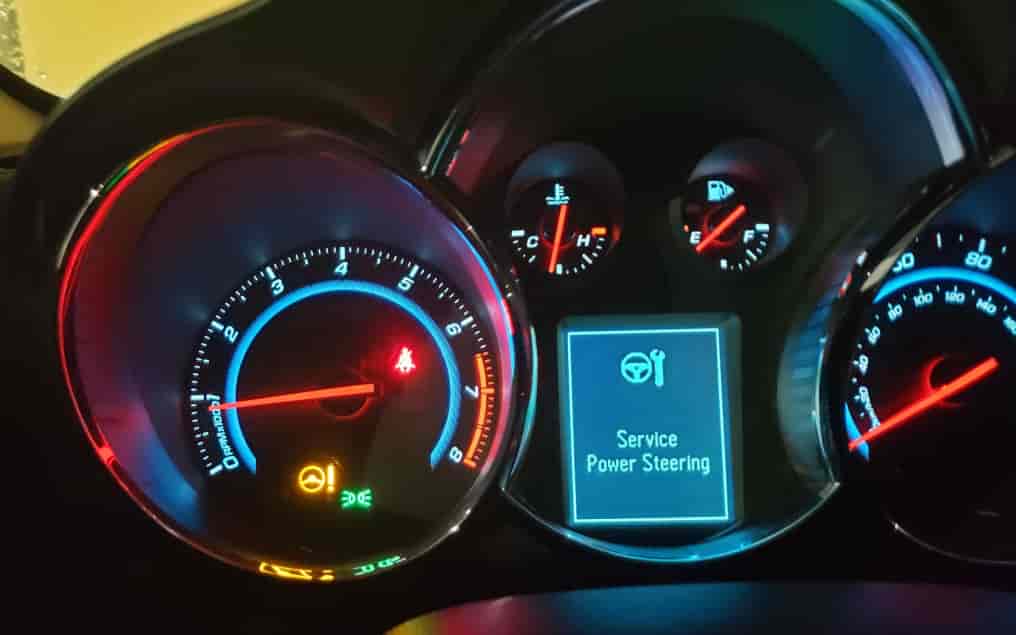
What Does Chevy Cruze Service Power Steering Mean
The Chevy Cruze Service Power Steering message means the vehicle has detected a problem in the power steering system. In most cases, this refers to the Electric Power Steering system, also known as EPS. This system helps the driver turn the steering wheel with less effort by using electric motor assistance instead of hydraulic pressure.
When the system works normally, sensors measure how much force you apply to the steering wheel. The control module then sends signals to the electric motor to provide the correct level of assistance. When something disrupts this process, the system can no longer guarantee proper steering support. At that point, it activates the warning message on the dashboard.
In many situations, the steering wheel becomes noticeably heavier when this warning appears. The system may reduce or completely stop power assistance to protect itself from further damage. The vehicle can still operate, but steering requires more physical effort from the driver.
This warning does not always mean a permanent failure. Sometimes the issue comes from unstable voltage or a temporary sensor error. However, repeated or persistent warnings often indicate a deeper problem inside the EPS system that needs proper diagnosis.
Understanding this message is important because it directly relates to driving safety and vehicle control.
Common Causes of Chevy Cruze Service Power Steering
The Chevy Cruze Service Power Steering warning appears when the vehicle detects a malfunction in the electric power steering system. This issue usually does not come from a single component but from a group of electrical and electronic factors working together. Because the Chevy Cruze uses an EPS system instead of a hydraulic setup, it depends heavily on stable voltage and accurate sensor signals to function correctly.
One of the most common causes is a weak or unstable battery. When the battery cannot maintain consistent voltage, the EPS system may shut down or reduce assistance to protect itself. This often happens during cold starts or when the battery is aging. The alternator can also contribute to the problem if it fails to charge the battery properly while the engine is running. In both cases, the system interprets low voltage as a risk and activates the warning message.
Another important cause is failure in the EPS control module. This module acts as the central processing unit of the steering system. It receives input from sensors and controls the electric motor that assists steering. If the module develops internal faults or software errors, it may stop communicating correctly with the rest of the system, which triggers the warning.
The steering torque sensor is also a key component that often causes issues. It measures the force applied by the driver and sends this data to the control module. If the sensor sends inaccurate or inconsistent signals, the system cannot calculate the correct level of steering assistance.
Wiring problems are another common factor. Loose connections, damaged wires, or corrosion can interrupt communication between components. Even small disruptions in electrical flow can cause the EPS system to fail temporarily or permanently.
Symptoms You Should Not Ignore
When the Chevy Cruze Service Power Steering warning appears, the most noticeable symptom is a sudden change in steering feel. The steering wheel becomes significantly heavier than normal, especially when driving at low speeds or during parking maneuvers. This happens because the electric power steering system reduces or completely removes assistance when it detects a fault.
In addition to increased steering effort, many drivers notice inconsistent steering response. The wheel may feel less smooth when turning, and the vehicle may not react as quickly or as predictably as before. In some cases, the steering wheel does not return to its center position as easily after completing a turn, which can affect overall driving comfort and control.
Another common symptom is the persistence of the warning message on the dashboard. Even after restarting the engine, the Service Power Steering alert may remain active. This usually indicates that the system has detected a stable or recurring fault rather than a temporary voltage fluctuation.
Some drivers may also experience unusual noises when turning the steering wheel. These sounds often result from the system operating without full electrical assistance, which increases mechanical stress on the steering components. Although the vehicle may still be drivable, these symptoms should not be ignored because they directly affect safety and handling.
Recognizing these warning signs early helps prevent more serious damage to the EPS system. It also allows for quicker diagnosis and reduces the risk of complete steering assistance failure while driving.
Is It Safe to Drive with Chevy Cruze Service Power Steering Warning
When the Chevy Cruze Service Power Steering warning appears, many drivers immediately worry about whether it is safe to continue driving. The answer depends on how severe the issue is and how the steering system behaves at that moment. In some cases, the vehicle still retains partial electric power steering support, which allows you to drive for a short distance. However, the steering wheel will feel much heavier than normal, especially at low speeds, parking situations, or tight turns.
If the EPS system has only partially failed due to temporary voltage issues or a weak battery, the warning may disappear after restarting the engine. In this situation, the car can still be driven carefully, but it is important to avoid long trips until the system is checked. Even if the vehicle seems to operate normally again, the underlying issue may still exist and can return unexpectedly.
In more serious cases, the power steering assistance can shut down completely. When this happens, the steering wheel becomes very stiff, and controlling the car requires significantly more effort. This condition is especially dangerous in emergency situations or when quick steering adjustments are needed. Driving under these conditions increases the risk of losing control of the vehicle.
Because of these risks, the safest approach is to treat this warning as a serious system alert rather than a minor inconvenience. It is recommended to diagnose the issue as soon as possible using an OBD2 scanner or professional inspection. Continuing to drive without understanding the root cause can lead to further damage and reduce overall driving safety.
How to Fix Chevy Cruze Service Power Steering
Fixing the Chevy Cruze Service Power Steering issue requires a step by step approach because the problem can come from multiple sources. The first and simplest step is to check the vehicle’s battery condition. A weak battery is one of the most common causes of EPS failure. If the battery voltage is low or unstable, the system may not function correctly. Cleaning the battery terminals and ensuring a full charge can sometimes resolve the issue immediately.
The next step is to restart or reset the system. In some cases, temporary electrical glitches can trigger the warning. Disconnecting the battery for a few minutes may reset the EPS module and clear the error. After reconnecting, the system may return to normal if no permanent fault exists.
If the warning remains, using an OBD2 scanner becomes necessary. This tool reads diagnostic trouble codes from the vehicle’s computer and helps identify whether the issue comes from the EPS module, torque sensor, or electrical system. This step is important because it prevents guessing and allows for accurate diagnosis.
When the problem is more complex, professional repair is required. This may include replacing the EPS control module, repairing or replacing the steering torque sensor, or fixing damaged wiring. In some cases, software recalibration of the steering system is also needed to restore proper function. Because the EPS system is safety critical, accurate diagnosis and proper repair are essential to ensure long term reliability and safe driving performance.
Cost of Repairing Chevy Cruze Service Power Steering Issue
The cost of fixing the Chevy Cruze Service Power Steering problem can vary significantly depending on the root cause and the type of repair needed. In many cases, the issue starts from something simple such as a weak battery or unstable voltage. When the problem is related to the battery or charging system, the cost is usually low because it may only involve replacing the battery or repairing basic electrical connections.
However, if the issue comes from the electric power steering system itself, the cost can increase quickly. The EPS control module is one of the most expensive components in the system. When this part fails, replacement is often required rather than repair, and this leads to higher labor and part costs. The steering torque sensor is another component that can be costly depending on the model year and availability of parts.
Diagnostic fees also play a role in the total expense. A proper inspection using an OBD2 scanner or professional diagnostic equipment is necessary to identify the exact cause. This step ensures that the repair targets the real problem instead of replacing unnecessary parts. While diagnostic costs are usually moderate, they are an important part of the overall repair process.
Labor charges vary depending on the workshop and location. Authorized service centers typically charge more, but they provide more accurate diagnostics and genuine parts. Independent garages may offer lower prices, but quality can vary.
Overall, the repair cost can range from relatively affordable for minor electrical fixes to significantly higher for EPS module or sensor replacement. Understanding the cause of the issue is the key factor in controlling repair expenses.
How to Prevent Future Power Steering Problems
Preventing the Chevy Cruze Service Power Steering issue mainly depends on maintaining the health of the vehicle’s electrical system. Since the EPS system relies heavily on stable voltage and accurate electronic signals, keeping the battery in good condition is one of the most important preventive steps. Regularly checking the battery voltage and replacing it when it shows signs of weakness can help avoid unexpected steering warnings.
The alternator also plays a critical role in system stability. A properly functioning alternator ensures that the battery receives consistent charging while the engine is running. If the alternator starts to fail, it can create voltage drops that directly affect the EPS system. Routine inspection of the charging system helps prevent these issues before they impact steering performance.
Another important prevention method is checking electrical connections and wiring. Over time, connectors can loosen or corrode, especially in environments with high humidity or temperature changes. Ensuring that wiring harnesses are secure and clean helps maintain stable communication between EPS components.
Regular diagnostic checks using an OBD2 scanner can also help detect early warning signs. Even if the vehicle appears to be working normally, stored error codes may indicate developing issues. Addressing these early can prevent more serious failures in the future.
By maintaining stable electrical conditions and performing routine inspections, drivers can significantly reduce the risk of encountering power steering problems and ensure safer long term operation of the Chevy Cruze.
Conclusion
The Chevy Cruze Service Power Steering warning is an important alert that should never be ignored. It indicates that the electric power steering system has detected a fault that may affect steering performance and overall driving safety. While the vehicle may still operate in some cases, the steering wheel often becomes heavier and less responsive, especially at low speeds or during parking.
This issue can come from several different sources. A weak battery or unstable alternator output can reduce system performance and trigger the warning. Faulty components such as the EPS control module or steering torque sensor can also lead to system failure. In addition, wiring problems or temporary voltage drops may cause the alert to appear unexpectedly.
Understanding these causes helps drivers respond correctly instead of guessing or ignoring the problem. Simple checks such as inspecting the battery or resetting the system may solve minor cases. However, persistent warnings usually require proper diagnosis using an OBD2 scanner or professional inspection to identify the exact fault.
The most important factor is safety. Steering is one of the most critical systems in any vehicle, and any reduction in power assistance affects control and driving confidence. Addressing the issue early helps prevent more serious damage and avoids higher repair costs later.
By recognizing the meaning, symptoms, and causes of Chevy Cruze Service Power Steering, drivers can make informed decisions and maintain safer vehicle operation over time.