Many people still believe they can negotiate car prices when buying a new vehicle. This habit comes from traditional car dealerships where negotiation is normal. Because of this mindset, buyers often try the same approach with Tesla. However, they quickly realize that Tesla does not work like a traditional dealership.
Tesla uses a direct to consumer sales model. The company sets fixed prices and displays them online. Buyers see the same price regardless of who they are or how they negotiate. This system removes the role of salespeople in changing prices. As a result, customers cannot ask for discounts in the usual way.
This often creates confusion for new buyers. Many still expect some level of flexibility in pricing. They assume timing or communication with Tesla staff might lower the cost. These expectations come from experience with other car brands, not from Tesla’s pricing structure.
The goal of this guide is to explain how Tesla pricing really works. It also clarifies whether negotiation is possible in any situation. More importantly, it shows how buyers can still reduce their total cost without traditional negotiation. Understanding the pricing system gives buyers more control than trying to bargain at the point of purchase.
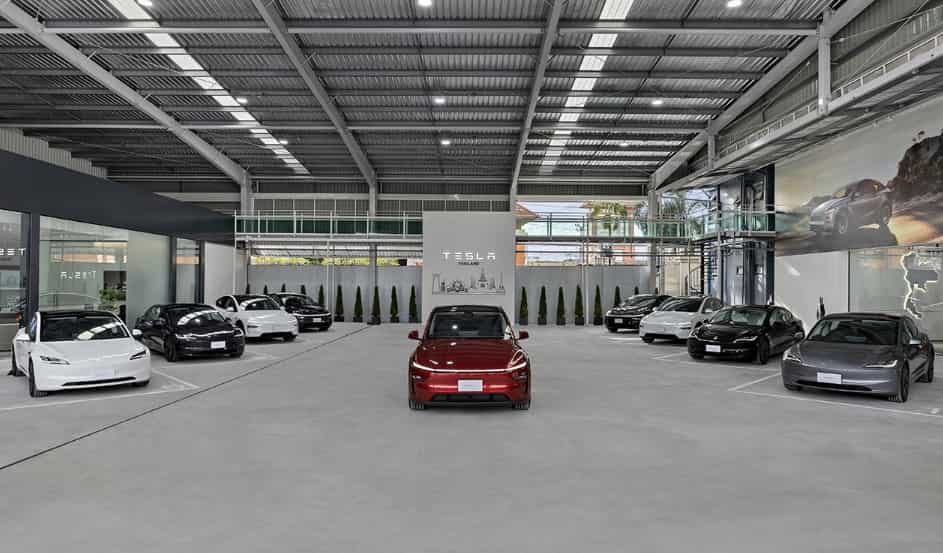
Tesla Pricing Model Explained
Tesla follows a pricing model that is very different from traditional car manufacturers. Instead of allowing negotiation between buyers and dealers, Tesla uses a direct pricing system where the company controls all listed prices. This system removes the role of dealerships and sets a single transparent price for each vehicle.
Tesla publishes prices directly on its website. Every buyer sees the same price for the same configuration. The company does not allow sales representatives to adjust prices based on individual customers. This approach eliminates bargaining and creates a uniform buying experience across all markets.
The main reason Tesla uses this model is to simplify the purchasing process. Buyers do not need to negotiate or compare offers between dealers. Instead, they focus on selecting the model, configuration, and delivery options. This reduces friction and speeds up the buying decision.
Another key factor behind this strategy is transparency. Tesla wants to avoid price differences between customers, which often happens in traditional dealerships. A fixed price system ensures fairness and consistency. It also helps Tesla control its brand positioning and maintain pricing stability across regions.
However, this does not mean Tesla never changes prices. The company can adjust prices globally at any time. When demand increases or production costs change, Tesla updates prices across all markets instead of negotiating individually. This is an important distinction because it shows that pricing is centralized, not flexible at the customer level.
In summary, Tesla does not use a negotiation based pricing model. It uses a fixed and centralized pricing system that applies equally to all buyers.
Can You Negotiate Tesla Prices in Any Situation?
Many buyers still ask whether they can negotiate at any point when purchasing a Tesla. The direct answer is no for new vehicles. Tesla does not allow traditional negotiation on new car prices. The price shown on the official website is the final price for all customers.
Tesla does not have sales representatives who can modify pricing. This means buyers cannot request discounts in person or through direct communication. The company removes individual pricing decisions to maintain a consistent pricing structure across all markets.
However, there are a few situations where buyers may see what feels like flexibility. These situations do not involve real negotiation but instead reflect internal pricing adjustments by Tesla.
One example is inventory vehicles. Tesla sometimes offers cars that are already built and available for immediate delivery. These vehicles may receive small price adjustments to encourage faster sales. Another example is end of quarter periods when Tesla aims to meet delivery targets. During these times, pricing adjustments or incentives may appear on select configurations.
Tesla may also adjust prices when demand changes or when production capacity shifts. These changes apply to all customers at the same time. They are not personalized discounts and do not involve negotiation.
It is important to understand the difference between negotiation and price adjustment. Negotiation involves a buyer and seller agreeing on a custom price. Tesla does not use this model. Instead, the company applies global pricing changes when needed.
In conclusion, there is no real negotiation available for new Tesla vehicles. Any variation in price comes from company wide adjustments rather than individual bargaining.
How Tesla Adjusts Prices Instead of Negotiating
Instead of using traditional negotiation, Tesla adjusts its prices through company wide decisions. These adjustments apply to all buyers at the same time. This means pricing changes are not personal and do not depend on individual discussions or dealer agreements.
Tesla can increase or decrease prices based on market conditions. When demand is high, the company may raise prices to balance orders with production capacity. When demand slows down or competition increases, Tesla may reduce prices to stay competitive in the electric vehicle market.
These price changes happen quickly and can affect all models. For example, a price drop on a specific model applies to every buyer in every region where that model is sold. This system replaces the traditional idea of negotiating with a salesperson.
Another important factor is production efficiency. Tesla continuously improves manufacturing speed and battery technology. When production costs decrease, the company may pass those savings to customers through lower prices. This is part of its long term strategy to scale electric vehicle adoption.
Unlike traditional car brands, Tesla does not wait for individual buyers to request discounts. Instead, it uses data driven pricing decisions. These decisions are based on demand trends, delivery performance, and supply chain conditions.
This approach creates a dynamic pricing environment. Buyers may notice that prices change over time even for the same model. However, these changes are not negotiable. They are global adjustments controlled entirely by Tesla.
In summary, Tesla replaces negotiation with centralized price updates. This system allows the company to respond quickly to market conditions while keeping pricing consistent for all customers.
New Tesla vs Used Tesla Where Negotiation Becomes Possible
When comparing new and used vehicles, the level of price flexibility changes significantly. With a new car from Tesla, buyers do not have any room for negotiation. The price is fixed and set by the company. Every customer pays the same amount for the same configuration at the time of purchase.
The situation is different in the used car market. Used Tesla vehicles can come from private sellers, third party dealers, or trade in listings. In these cases, pricing is not controlled directly by Tesla. This creates opportunities for negotiation depending on the seller and market demand.
Private sellers often have more flexibility. They may adjust their asking price based on urgency or competition. Third party dealers may also negotiate to move inventory faster. However, the level of negotiation depends on vehicle condition, mileage, and local demand for electric vehicles.
Certified pre owned Tesla vehicles usually follow stricter pricing rules. Even in this segment, there may be limited flexibility, but it is still not the same as traditional negotiation. Discounts, if available, are usually predefined rather than individually discussed.
Depreciation also plays an important role. Used Tesla prices are influenced by battery health, software updates, and market perception of electric vehicle value. These factors create natural price variation, which opens the door for negotiation in some cases.
In summary, negotiation is not possible for new Tesla vehicles, but it can exist in the used market. The level of flexibility depends on the seller type and vehicle condition rather than company pricing policy.
Hidden Ways to Reduce Tesla Purchase Cost Without Negotiation
Even though you cannot negotiate the price of a new car from Tesla, there are still several ways to reduce the total cost of ownership. These methods do not involve bargaining but instead rely on timing, incentives, and smart buying decisions.
One of the most important ways to save money is through government incentives. In some regions, electric vehicle buyers may qualify for tax credits or rebates. These incentives can significantly reduce the effective purchase price even though the official Tesla price remains unchanged.
Another effective strategy is trade in value. Tesla allows buyers to trade in their existing vehicles. The trade in value is applied directly to the final cost. While this is not negotiation, it can lower the total amount you need to pay upfront.
Timing also plays an important role. Tesla occasionally adjusts prices based on production cycles and market demand. Buyers who monitor price changes may benefit from temporary price reductions or updated configurations that offer better value.
Choosing inventory vehicles instead of custom orders can also reduce costs. Inventory cars are already built and ready for delivery. Tesla may price these vehicles more competitively to move them quickly, which can create savings opportunities for buyers.
In addition, selecting the right configuration can impact total cost. Some models or feature packages may offer better long term value depending on usage needs. Buyers who carefully evaluate options can avoid unnecessary upgrades and reduce overall spending.
In summary, while negotiation is not part of Tesla’s pricing system, buyers can still lower their total cost by using incentives, trade in options, smart timing, and careful configuration choices.
End of Quarter Strategy Myth or Real Opportunity
Many buyers believe that the end of a quarter is the best time to get a lower price on a Tesla. This idea comes from the belief that sales teams are under pressure to meet delivery targets. When buying from Tesla, people often expect that this pressure might create hidden discounts or negotiation opportunities.
In reality, Tesla does not use traditional sales commissions or dealership targets. This means there is no salesperson trying to negotiate deals to meet personal quotas. However, the company still operates with quarterly delivery goals, which can influence how inventory is managed.
At the end of a quarter, Tesla may focus on delivering available vehicles faster. This can lead to more inventory cars being prioritized for sale. In some cases, these vehicles may have slight price adjustments or incentives attached to encourage quick delivery. These adjustments are not negotiated individually but are applied directly by Tesla.
It is important to understand that these changes are not guaranteed. Not every buyer will see lower prices at the end of a quarter. The availability of discounts or inventory deals depends on production levels, regional supply, and demand conditions.
What actually happens is a shift in inventory flow rather than true negotiation. Tesla may push certain configurations or available stock to improve delivery numbers. Buyers who are flexible with model choices may benefit from these temporary opportunities.
In conclusion, the end of quarter effect is not a negotiation strategy. It is a timing based opportunity where limited inventory adjustments may appear, but pricing decisions remain fully controlled by Tesla.
Leasing vs Buying Does It Affect Pricing Flexibility
When purchasing a vehicle from Tesla, many buyers wonder if leasing offers more flexibility than buying. The expectation often comes from traditional car markets where lease deals sometimes include special discounts or promotional pricing.
In Tesla’s case, both leasing and buying follow the same pricing structure. The base price of the vehicle remains fixed regardless of the payment method. This means leasing does not give buyers access to negotiation or special price reductions on the vehicle itself.
However, leasing can change how the total cost feels over time. Monthly payments may be structured differently compared to financing a purchase. This can create the impression of better affordability, but it does not change the actual vehicle price.
Tesla occasionally adjusts leasing terms based on financial conditions or promotional strategies. These adjustments may affect interest rates, residual values, or monthly payment calculations. Even so, these changes are not negotiable at the customer level.
Buying a vehicle gives full ownership, while leasing provides temporary usage. Neither option allows direct negotiation on the base price. The main difference lies in financial structure rather than pricing flexibility.
Some buyers choose leasing because it reduces long term commitment. Others prefer buying because it builds ownership value. In both cases, Tesla sets the price centrally and applies it consistently across all customers.
In summary, leasing does not provide more room for negotiation than buying. The pricing system remains fixed, and any differences come from financial terms rather than vehicle price adjustments.
Tesla Pricing Strategy Compared to Traditional Car Dealers
To fully understand why negotiation does not apply to Tesla pricing, it is important to compare its model with traditional car dealerships. Tesla uses a direct to consumer pricing system, while most traditional automakers rely on independent dealers who sell vehicles on their behalf.
In a traditional dealership model, prices are flexible. Buyers often negotiate with sales representatives to reach a final deal. The same car can be sold at different prices depending on location, timing, and negotiation skills. Discounts, promotions, and dealer incentives are common in this system.
Tesla removes this structure completely. There are no independent dealers and no individual sales targets. The company sets one fixed price for each vehicle and applies it across all buyers. This eliminates price variation and removes the negotiation process entirely.
Another key difference is transparency. In the dealership model, buyers may not always know the lowest possible price. In contrast, Tesla publishes its prices online, making the buying process more straightforward and predictable.
The traditional model allows more flexibility but also creates uncertainty. Buyers may feel pressure to negotiate or worry about paying more than others. Tesla’s model removes this uncertainty by standardizing pricing for everyone.
From a business perspective, Tesla’s approach also improves efficiency. It reduces sales overhead, simplifies transactions, and allows faster scaling in the electric vehicle market. However, it also removes the psychological aspect of bargaining that many buyers are used to.
In summary, Tesla replaces negotiation with fixed pricing transparency, while traditional dealers rely on flexible pricing and individual negotiation. This fundamental difference explains why buyers cannot negotiate Tesla prices.
Conclusion
Understanding how pricing works is the key to making a smart decision when buying a vehicle from Tesla. Many buyers enter the process expecting traditional negotiation, but Tesla uses a completely different system based on fixed and transparent pricing.
The main conclusion is simple. You cannot negotiate Tesla prices in the way you would at a traditional dealership. The company sets a single price for each model and applies it equally to all customers. This removes bargaining from the buying process and ensures consistency across all markets.
However, not being able to negotiate does not mean there are no ways to optimize cost. Buyers can still benefit from timing decisions, available incentives, trade in options, and choosing the right configuration. These factors can significantly influence the total amount paid even though the base price remains fixed.
It is also important to understand the broader strategy behind Tesla’s pricing system. The company prioritizes transparency, efficiency, and scalability. Instead of relying on negotiation, it adjusts prices globally when market conditions change. This approach has reshaped expectations in the electric vehicle industry.
In the end, the most effective strategy is not negotiation but understanding the system itself. Buyers who understand how Tesla prices its vehicles can make better financial decisions and avoid unrealistic expectations during the purchase process.